The rise of e-commerce platforms has transformed how consumers shop, offering
convenience, variety, and access to a global goods market. However, with this rapid
expansion comes a significant challenge: the proliferation of counterfeit goods, mainly
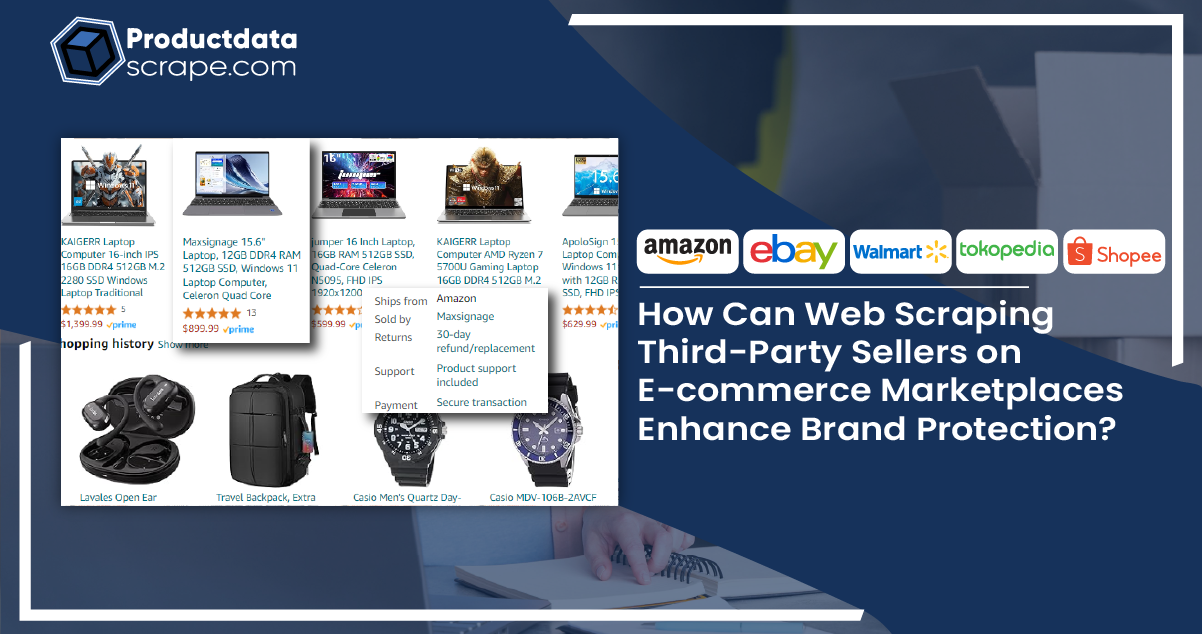
through third-party sellers on major platforms such as Amazon, eBay, Walmart, Tokopedia,
Shopee, and Allegro. These counterfeit products, ranging from fake luxury items to
electronics, pose a severe problem for consumers and brands. As a result, web scraping
third-party sellers on e-commerce marketplaces has become essential for businesses,
brands, and regulators to identify and mitigate the risks associated with counterfeit sales.
Additionally, scraping trending third-party seller information is crucial for staying ahead in a
competitive landscape.
The Scope of Counterfeiting in E-commerce Marketplaces

Online marketplaces have become a fertile ground for counterfeiters. According to the
Global Brand Counterfeiting Report, counterfeiting caused a loss of over $1.2 trillion to the
global economy in 2020. This issue is most pronounced on platforms that rely heavily on
third-party sellers. These sellers operate in large volumes, often flooding the marketplace
with counterfeit goods nearly indistinguishable from authentic products except for their
inferior quality.
Platforms like Amazon, eBay, Walmart, Tokopedia, Shopee, and Allegro are intermediaries
that connect buyers and sellers worldwide. While these platforms have guidelines and
measures to prevent counterfeit sales, the sheer scale of operations and the number of
sellers make it challenging to eliminate the problem. Many sellers take advantage of weak
enforcement, loopholes in the system, and the anonymity provided by online marketplaces
to sell counterfeit goods.
Why Scraping Third-Party Seller Data is Crucial
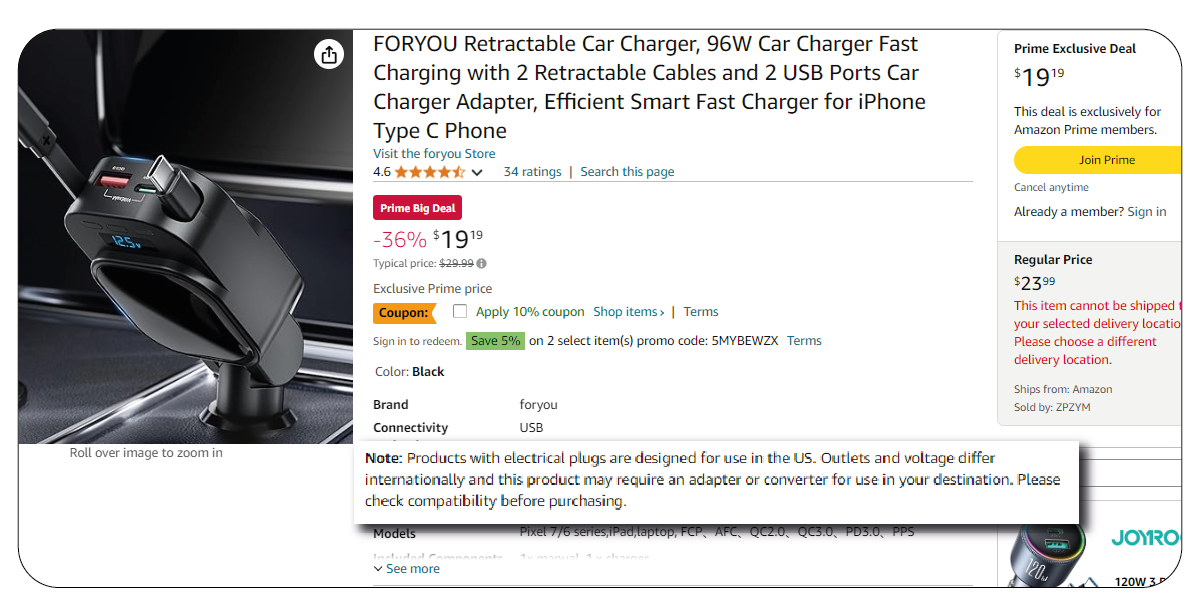
Scraping data from third-party sellers on these platforms allows brands, enforcement
agencies, and data analysts to monitor and analyze seller behaviors, product listings, pricing
trends, and reviews. This data can provide insights into patterns of counterfeit sales and
help identify sellers who consistently violate marketplace policies by selling fake products.
Here are some of the reasons why scraping third-party seller data is crucial:
1. Brand Protection: Brands face immense financial losses when counterfeit products
that mimic their original goods flood the market. Scraping data from third-party
sellers allows brands to monitor unauthorized use of their trademarks, images, and
product descriptions, enabling them to take action against violators. Utilizing
eCommerce product data scraping services ensures comprehensive monitoring.
2. Consumer Safety: Many counterfeit goods, especially in categories such as
cosmetics, pharmaceuticals, and electronics, pose significant safety risks to
consumers. By analyzing product listings, brands, and regulatory authorities can
identify unsafe counterfeit products and take preventive measures, reinforcing their
Pricing Strategy to ensure consumer protection.
3. Regulatory Compliance: Governments and regulatory agencies increasingly hold
platforms responsible for counterfeit sales. However, monitoring all sellers manually
is impossible. Scraping provides an automated way to collect data, allowing agencies
to detect and investigate sellers involved in illegal activities through web scraping e-
commerce websites to gather necessary evidence.
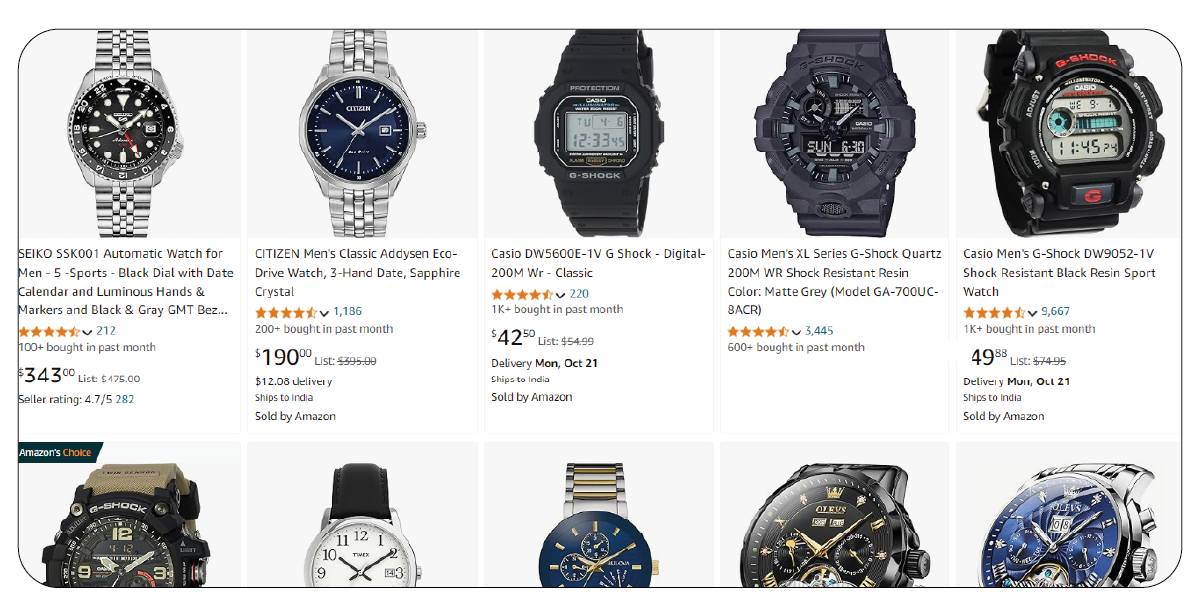
4. Pricing Analysis: Counterfeit products are often sold at prices significantly lower
than authentic goods. By scraping pricing data, brands, and marketplace operators
can identify suspicious pricing patterns that suggest counterfeiting, allowing for
more focused enforcement through price monitoring services to keep track of price
fluctuations.
5. Market Insights: Extract competitor data on marketplaces to offer brands critical
insights into the competitive landscape. For instance, by comparing the features and
descriptions of counterfeit products to authentic ones, brands can better understand
how counterfeiters are positioning their products in the market. This helps in
developing strategies to outmaneuver counterfeiters.
Counterfeiting on Major E-commerce Platforms
Each marketplace presents its unique challenges regarding counterfeiting. Let's explore how
counterfeiting manifests on platforms like Amazon, eBay, Walmart, Tokopedia, Shopee, and
Allegro and why scraping third-party seller data is critical on each platform.
Amazon
Amazon hosts millions of third-party sellers as the world's largest online marketplace. While
Amazon has stringent policies against selling counterfeit goods and has implemented
programs such as "Amazon Brand Registry" and "Project Zero," counterfeiters still find ways
to evade detection. Many counterfeiters employ sophisticated tactics, such as creating
multiple seller accounts, offering discounted prices, and using fake reviews to boost the
visibility of their counterfeit products. Amazon product data scraping services allow brands
to track product listings, pricing changes, seller ratings, and customer reviews, often used to
inflate the credibility of counterfeit products artificially.
The scale of Amazon's operations makes it a significant challenge for both the platform and
brands to police listings manually. Automating the detection of fake goods through data
scraping can help pinpoint suspicious sellers and product listings more quickly, especially by
leveraging the Amazon products and review dataset for comprehensive analysis.
eBay
eBay, known for its auction-style listings, is another hotspot for counterfeit goods. Unlike
Amazon, eBay does not typically warehouse products, making it harder to control the
quality of goods sold. Many counterfeit products on eBay are sold under the guise of
second-hand items, making it difficult for buyers to discern authenticity.
Web scraping eBay product listings is crucial for monitoring suspicious accounts that
frequently list high-demand counterfeit items like luxury goods, electronics, and collectibles.
Businesses and law enforcement can identify repeat offenders and track counterfeit sales
through the eBay product and review dataset to enhance their monitoring efforts by
analyzing listing patterns and feedback.
Walmart
Walmart's marketplace has expanded its third-party seller network, bringing more counterfeit-related challenges. Unlike Amazon, Walmart's seller onboarding process has been historically less stringent, which has led to a rise in counterfeit products on the platform. To combat this, businesses can scrape Walmart product data to monitor listings and identify potential counterfeit items effectively.
Scraping third-party seller data on Walmart is essential for identifying unauthorized sellers who list fake versions of popular brands. Brands can utilize the Walmart Product and Review Dataset to send takedown requests or initiate legal action against violators. Monitoring product descriptions and image usage can, in particular, provide early indications of counterfeit listings.
Tokopedia and Shopee
In Southeast Asia, platforms like Tokopedia and Shopee dominate the e-commerce landscape. These platforms have proliferated, attracting millions of sellers, including many counterfeiters. The availability of counterfeit goods on these platforms is a persistent issue, with many counterfeiters exploiting the lack of regulatory oversight in some regions. To address this, businesses can scrape Tokopedia.com product data to monitor listings and identify counterfeit products effectively.
By scraping seller data on Tokopedia and Shopee, brands can gain insights into counterfeit hotspots, seller locations, and product categories most prone to counterfeiting. This information can help direct enforcement actions in the right areas, mainly when dealing with cross-border counterfeit operations. Utilizing Shopee Product Data Scraping Services can further enhance efforts to combat counterfeit listings and protect brand integrity.
The product descriptions and reviews on these platforms often reveal patterns of counterfeit behavior, such as using ambiguous language to avoid detection or posting fake reviews to improve seller credibility. Data scraping allows brands to monitor these indicators and take preventive measures. Leveraging the Shopee Product and Review Dataset can provide valuable insights for identifying and combating counterfeit activities effectively.
Allegro
Allegro, the largest online marketplace in Poland, faces challenges with counterfeit goods.
Like other platforms, Allegro hosts millions of third-party sellers, and while it has
implemented anti-counterfeiting measures, counterfeit products still find their way into the
platform.
Scraping data on Allegro helps brands and regulators monitor counterfeit activity by tracking
product listings, reviews, and seller behavior. As with other platforms, counterfeiters often
disguise their listings to avoid detection. Analyzing the metadata of product listings, such as
pricing patterns and unusual product descriptions, can help identify counterfeit products.
Challenges in Scraping Third-Party Seller Data

While scraping third-party seller data can provide valuable insights into counterfeit sales,
the process involves several challenges.
1. Dynamic Content: Many e-commerce platforms use dynamic content and JavaScript
rendering, making it difficult to scrape data using traditional methods. Advanced
techniques such as headless browsing and AJAX request handling are often required.
2. Anti-scraping Measures: E-commerce platforms implement sophisticated anti-
scraping measures to prevent unauthorized data extraction. These measures include
techniques such as CAPTCHA challenges, IP blocking, and rate limiting. Companies
need to employ proxy rotation, CAPTCHA-solving services, and other strategies to
overcome these obstacles and maintain scraping efficiency.
3. Legal Considerations: Scraping data from third-party marketplaces comes with legal
and ethical considerations. Many platforms have terms of service that prohibit data
scraping, and violating these terms can result in legal consequences. Companies
must ensure compliance with local laws and regulations when engaging in data
scraping activities.
4. Data Volume and Complexity: E-commerce platforms generate vast amounts of data
daily. Scraping and processing such high volumes of data can be resource-intensive,
requiring significant infrastructure and expertise. Data is often unstructured and
requires extensive cleaning and normalization before analysis.
5. Seller Anonymity: Many third-party sellers operate under aliases or untraceable
identities, making connecting them to real-world individuals or businesses difficult.
This poses a challenge in identifying and taking action against counterfeiters.
The Role of Machine Learning & AI in Combating Counterfeiting and Calculating Lost Sales
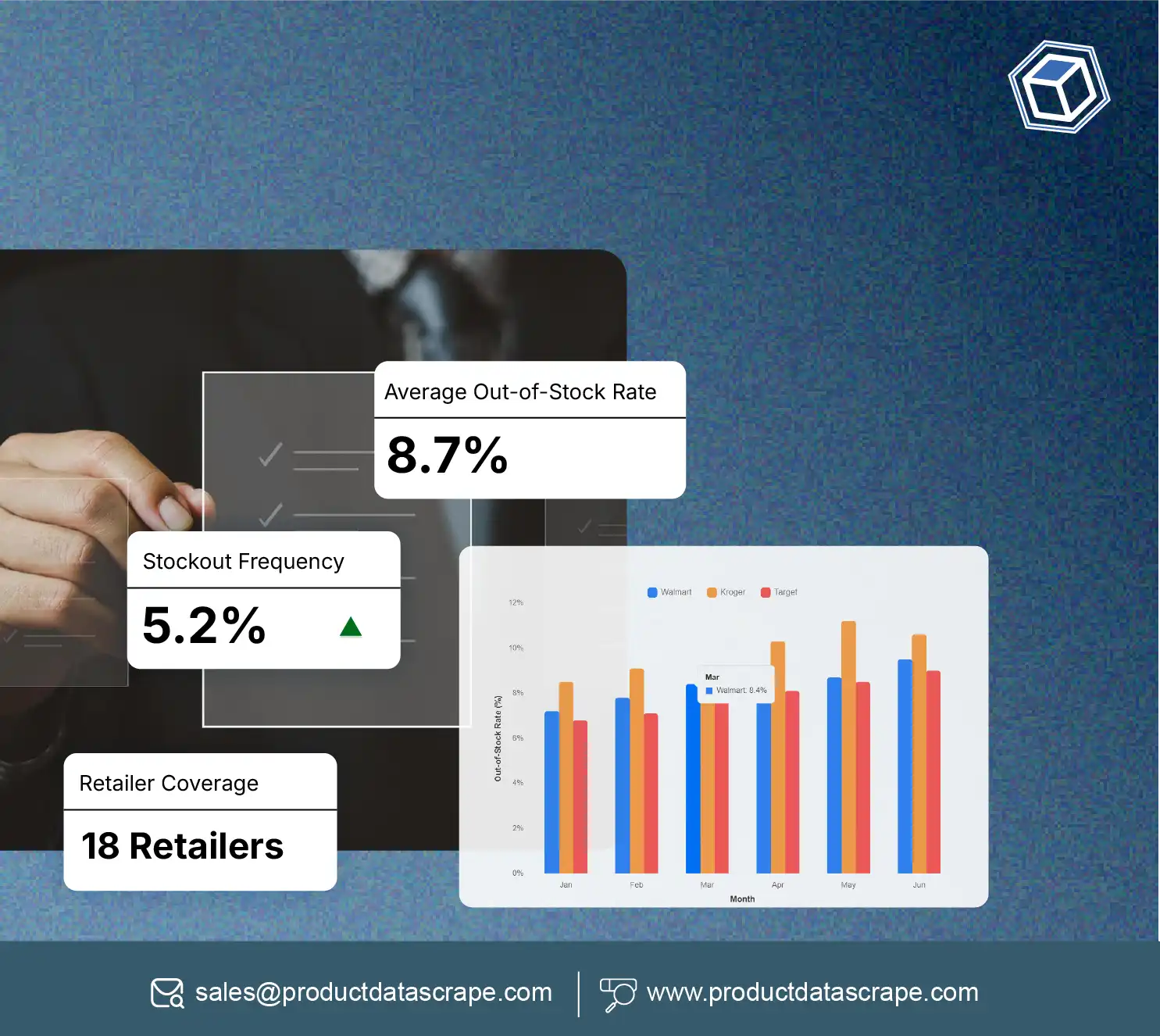
Machine learning (ML) and artificial intelligence (AI) play a vital role in combating
counterfeiting in e-commerce by significantly enhancing the efficiency of detecting fake
products and calculating lost sales. These advanced technologies enable businesses to
analyze vast amounts of data collected through web scraping by third-party sellers. By
gathering insights on product listings, seller behaviors, and customer feedback, ML
algorithms can identify patterns indicative of counterfeiting, such as price anomalies,
suspicious seller ratings, and irregular sales trends.
Additionally, AI automates monitoring these listings, streamlining the process of detecting
and removing counterfeit products. By scraping Amazon product data, brands can assess
the impact of counterfeit sales on their overall revenue, calculating lost sales accurately
while understanding the extent of financial damage. This data-driven approach helps
pinpoint counterfeiters and allows brands to take proactive measures to protect their
market integrity. Ultimately, integrating ML and AI into anti-counterfeiting efforts offers a
powerful strategy for ensuring a safer and more trustworthy e-commerce environment.
Conclusion
Counterfeit products on e-commerce platforms remain challenging for brands, consumers,
and marketplace operators. Scraping third-party seller data on platforms like Amazon, eBay,
Walmart, Tokopedia, Shopee, and Allegro offers valuable insights into seller behavior,
product listings, and pricing patterns, allowing brands to take proactive measures against
counterfeiters.
While challenges are involved in scraping these platforms, such as dynamic content and
legal considerations, the benefits far outweigh the costs. By employing a review and rating
data collection service, brands can effectively monitor product quality and seller credibility.
Additionally, eBay and Amazon product listing data scraping enables businesses to analyze
trends and detect irregularities in product listings and pricing strategies. Combining data
scraping with advanced technologies like AI and machine learning offers a powerful tool for
combating counterfeit goods in the ever-evolving world of e-commerce, including the ability
to scrape eBay product data for comprehensive oversight.
At Product Data Scrape, we strongly emphasize ethical practices across all our services, including
Competitor Price Monitoring and Mobile App Data Scraping. Our commitment to transparency and
integrity is at the heart of everything we do. With a global presence and a focus on personalized
solutions, we aim to exceed client expectations and drive success in data analytics. Our dedication to
ethical principles ensures that our operations are both responsible and effective.


 Singapore
 EMAIL
EMAIL
 PHONE
PHONE


.webp "thumb")
.webp "thumb")








.webp)