Market Research and Consumer Insights
Understanding market dynamics and consumer behavior is crucial for e-commerce startups'
success. E-commerce data scraping services provide a means to gather large volumes of data from various online sources, including competitor websites, social media platforms,
and industry forums. By scraping e-commerce data related to consumer preferences,
product reviews, and market trends, startups can gain valuable insights into what drives
customer decisions.
Consumer behavior analysis is particularly important for tailoring product offerings and
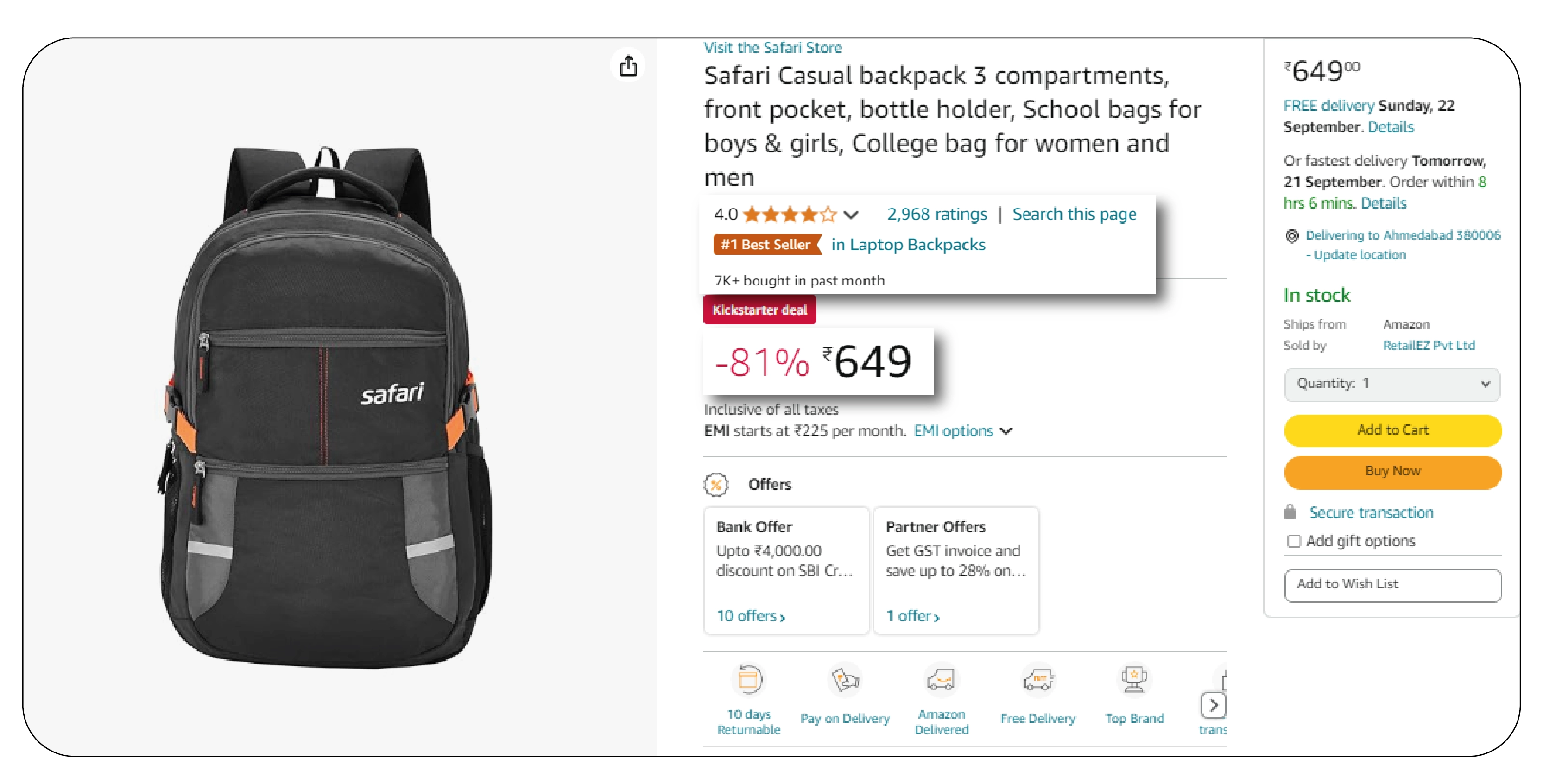
marketing strategies. For instance, by analyzing customer reviews and customer feedback
on competitors' sites, startups can identify common pain points and preferences. This
allows them to refine their product features, enhance customer experience, and develop
targeted marketing campaigns that resonate with their target audience.
Moreover, web scraping can uncover emerging trends and market demands that take time
to be apparent through traditional research methods. By monitoring competitor product
listings and promotional activities, startups can stay ahead of trends and adapt their
strategies accordingly. This agility in responding to market shifts can be a significant
advantage in the fast-paced e-commerce environment.
Competitive Analysis
In the competitive e-commerce landscape, staying ahead of rivals requires a deep
understanding of their strategies and performance. E-commerce data scraper offers a method to systematically collect data on competitors' pricing, product offerings, and
promotional tactics. This data can be used to perform a thorough competitive analysis,
enabling startups to identify strengths and weaknesses in their strategies relative to their
competitors.
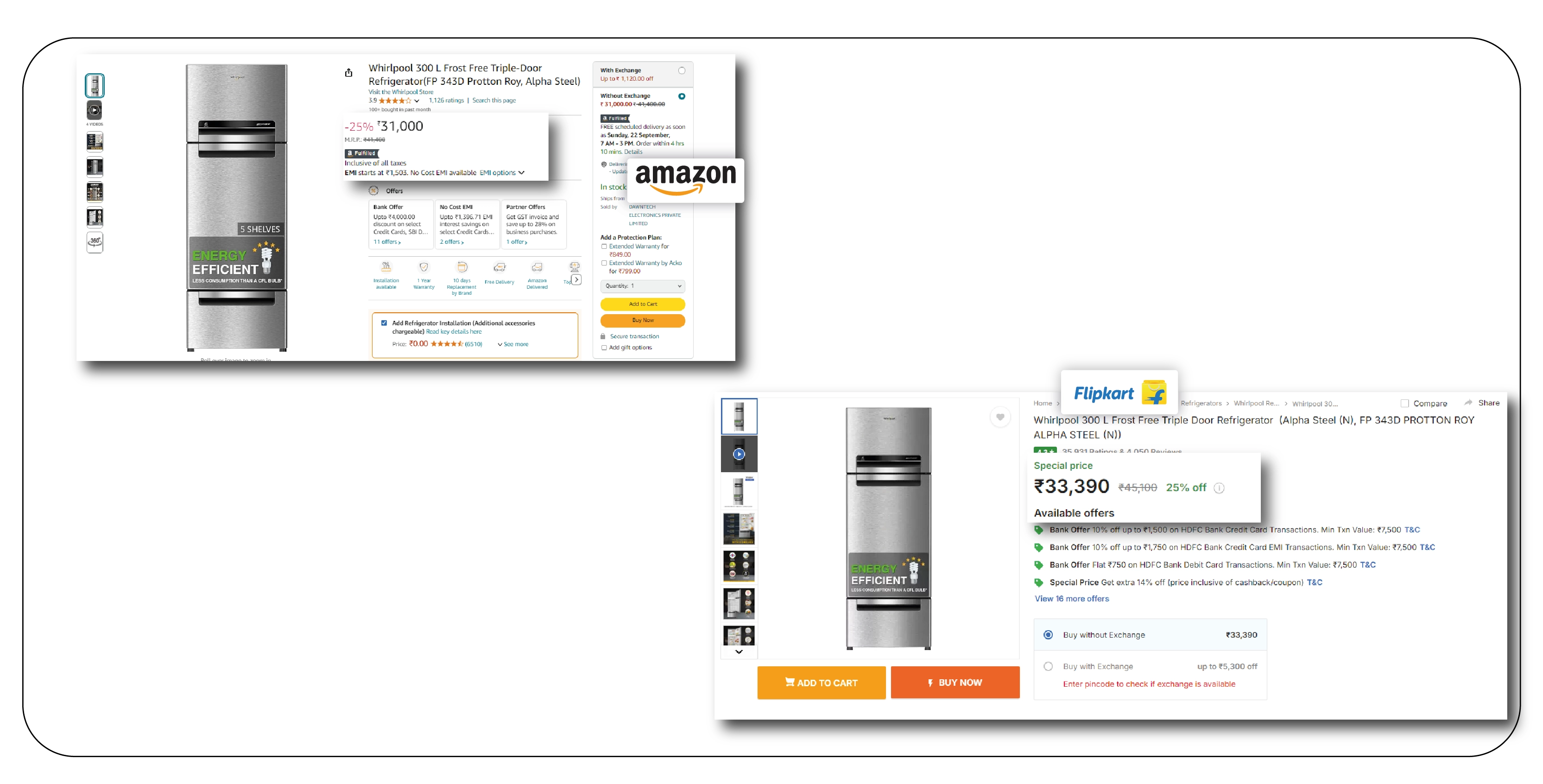
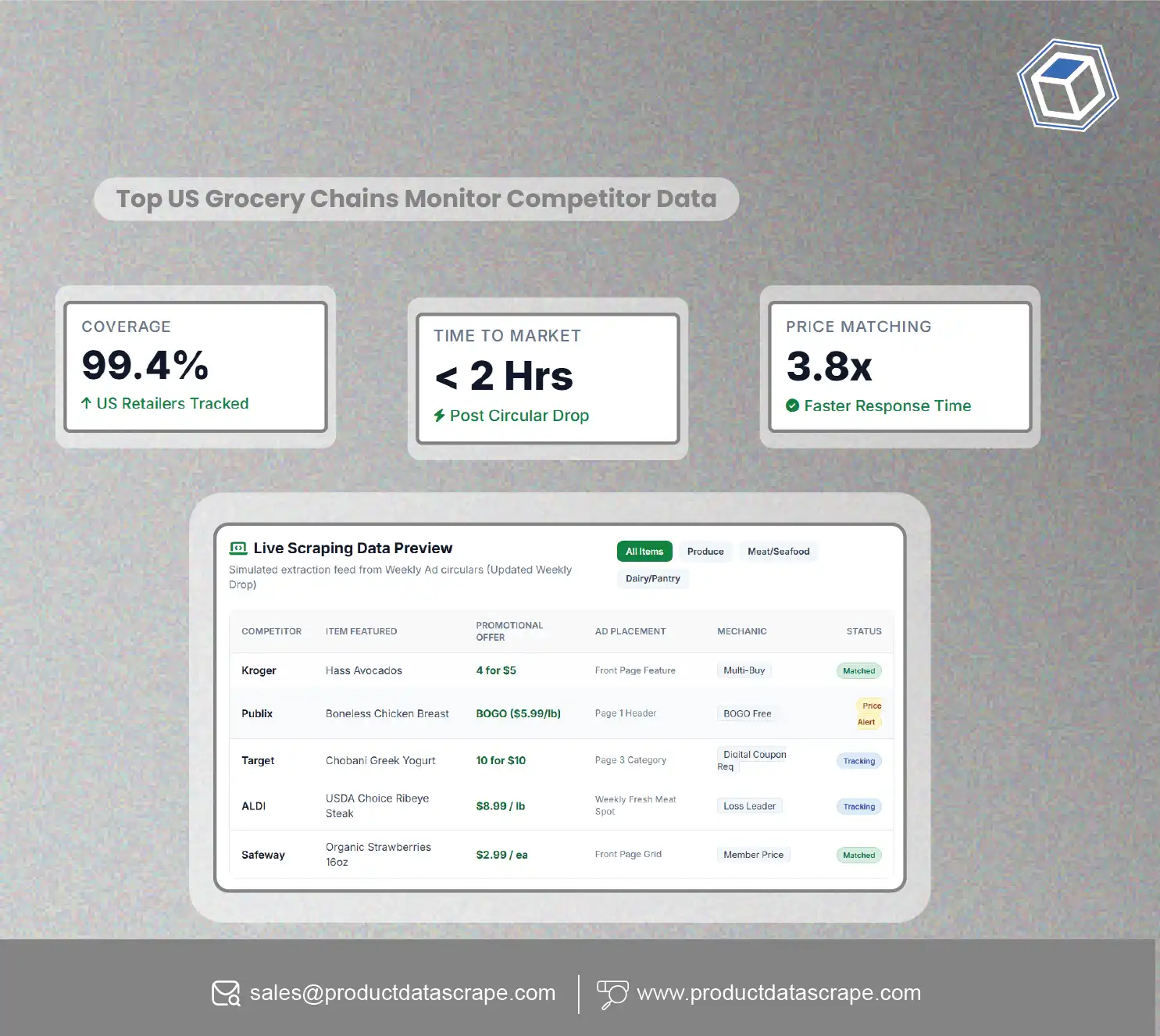
For example, by scraping pricing data from competitor websites, startups can assess how
their prices compare and adjust their pricing strategies to be more competitive.
Additionally, monitoring competitors' promotions and discounts can provide insights into
their marketing tactics, allowing startups to design their promotional campaigns more
effectively.
Competitive intelligence obtained through web scraping can also help identify market gaps.
By analyzing competitors' product ranges and pricing strategies, startups can discover
underserved niches or areas where they can offer superior value. This insight is crucial for
positioning their products or services to differentiate them from existing offerings.
Pricing Strategies and Dynamic Pricing
![]()
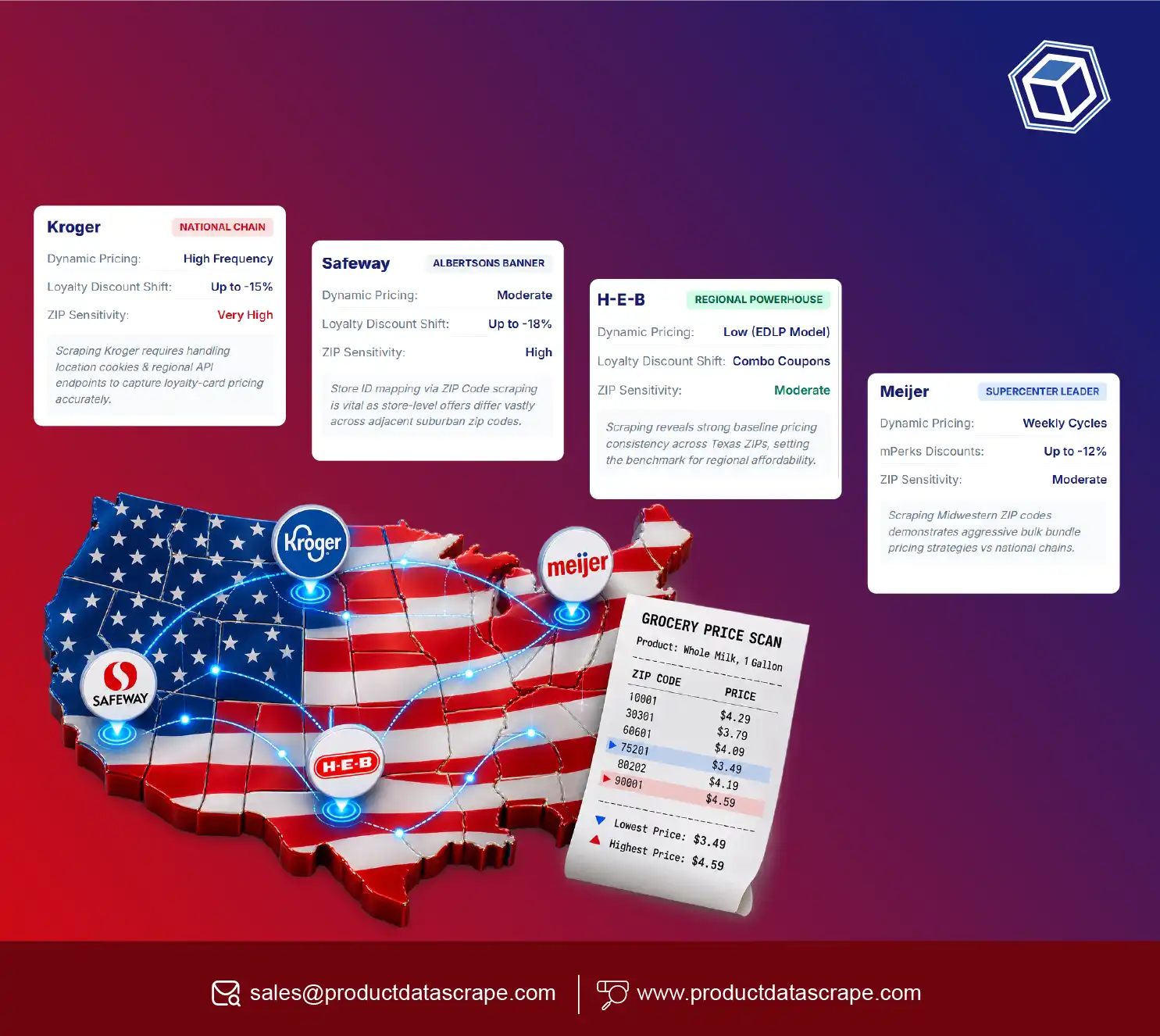
Pricing is a critical factor in the success of e-commerce businesses. Startups must navigate
the delicate balance between profitability and competitiveness. Web scraping enables
startups to gather real-time pricing data from various sources, including direct competitors
and market leaders. This data can be used to implement dynamic pricing strategies that
respond to market conditions and competitive pressures.
Dynamic pricing involves adjusting prices based on demand fluctuations, competitor pricing,
and inventory levels. By continuously scraping pricing data, startups can ensure their prices
are competitive and aligned with current market conditions. This flexibility allows them to
optimize revenue and improve customer satisfaction.
Additionally, e-commerce data scraper can support pricing optimization by providing
insights into pricing trends and patterns. Startups can analyze historical pricing data to
identify the best pricing strategies for product categories and customer segments. This data-driven approach to pricing helps startups maximize their margins while remaining attractive
to price-sensitive consumers.
Inventory Management and Supply Chain Optimization
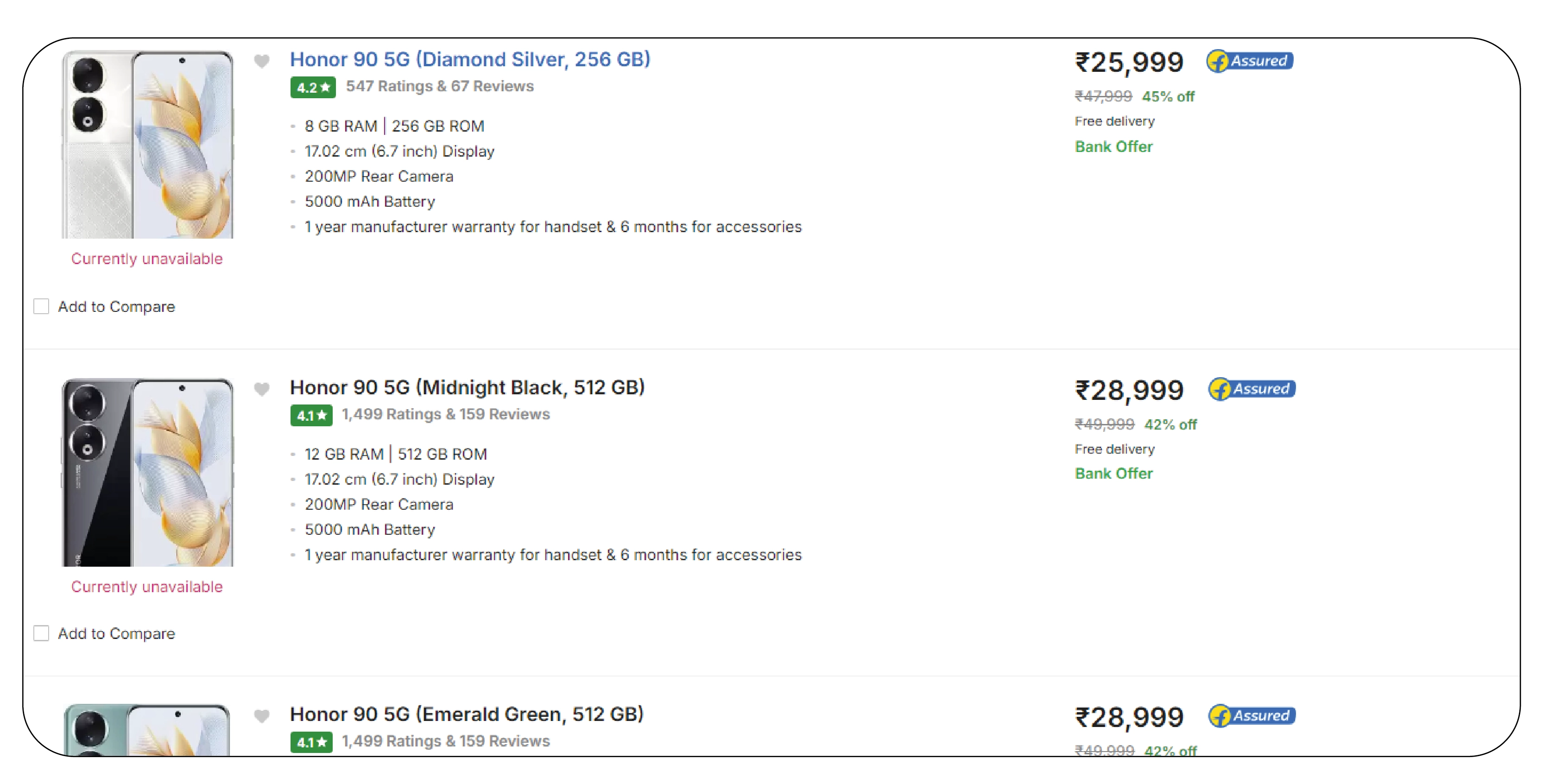
Efficient inventory management is crucial for e-commerce startups to ensure they can meet
customer demand without overstocking or understocking. Web scraping provides valuable
data for inventory management and supply chain optimization. By scraping data on product
availability and stock levels from supplier websites and competitor stores, startups can gain
insights into inventory trends and supplier reliability.
Inventory data scraping allows startups to monitor stock levels and predict potential
shortages or surpluses. This proactive approach to inventory management helps prevent
lost sales due to out-of-stock items and reduces the costs associated with overstocking.
Additionally, by analyzing data on supplier performance, startups can make informed
decisions about which suppliers to prioritize and which to avoid.
Effective supply chain management relies on timely and accurate data. Extracting e-
commerce data can provide real-time updates on product availability, shipping times, and
order fulfillment rates. This information helps startups optimize their supply chain
processes, ensuring products are sourced, stocked, and delivered efficiently.
Customer Insights and Personalization
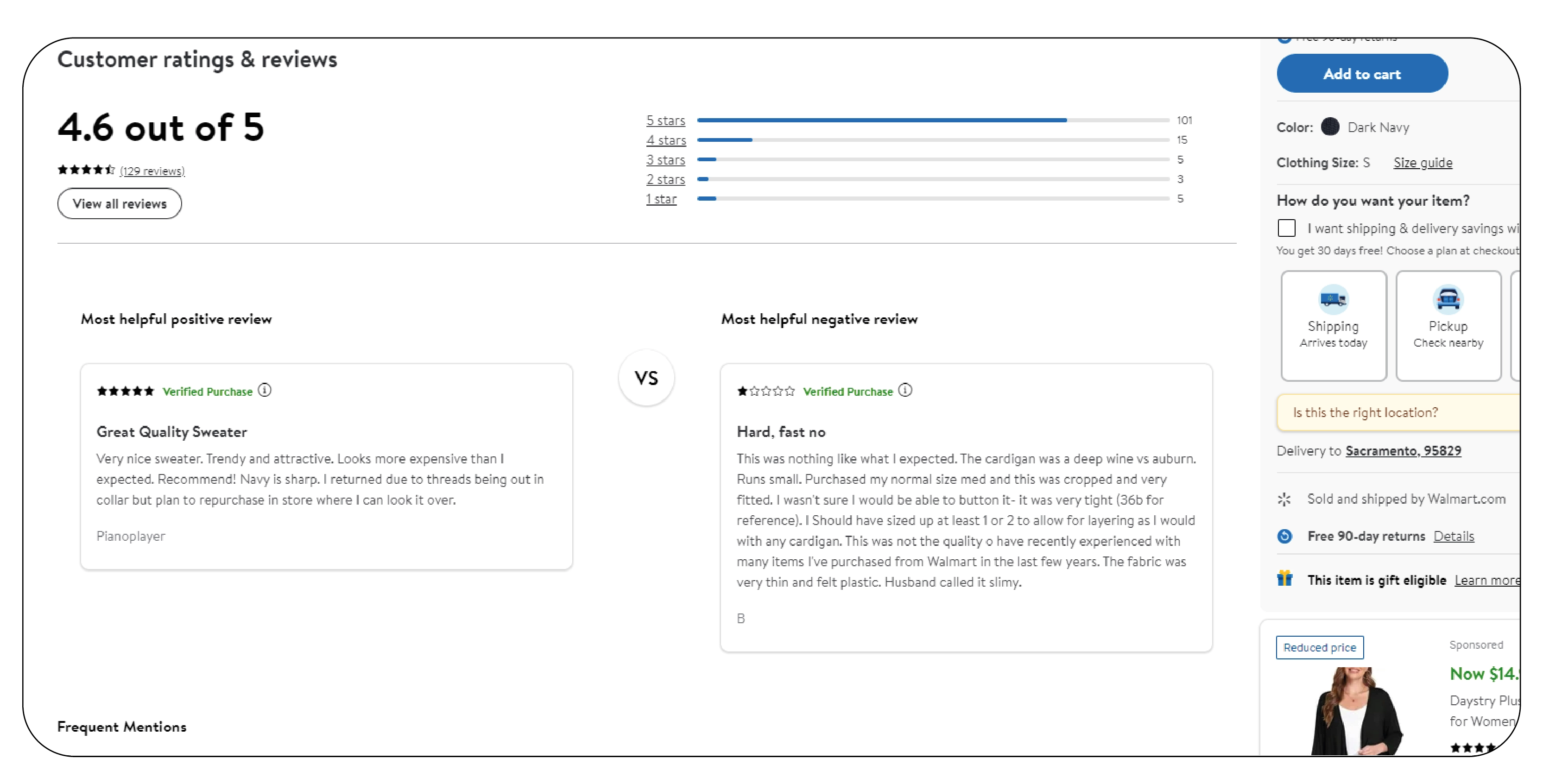
Personalization is a crucial driver of customer satisfaction and loyalty in the e-commerce
industry. Startups that can deliver personalized experiences are better positioned to attract
and retain customers. Web scraping offers a way to gather detailed customer insights from
various online sources, including reviews, social media interactions, and browsing behavior.
By analyzing scraped customer preferences and behavior data, startups can create more
personalized shopping experiences. For example, insights into customer reviews and
feedback can help startups tailor their product recommendations and marketing messages
to individual preferences. Additionally, scraping data on browsing behavior can inform
personalized product suggestions and targeted promotions.
Customer segmentation is another area where web scraping can be beneficial. By analyzing
customer demographics, purchasing habits, and preferences data, startups can segment
their audience and develop targeted marketing strategies for different customer groups.
This level of personalization enhances the overall customer experience and drives higher
conversion rates.
Trend Analysis and Innovation

In the rapidly evolving e-commerce landscape, staying ahead of trends is essential for long-
term success. Web scraping provides a means to monitor industry trends, emerging
technologies, and competitor innovations. By analyzing data from industry news sources,
forums, and competitor websites, startups can identify trends and opportunities for
innovation.
Trend analysis enables startups to adapt their strategies and offerings to meet changing
market demands. For instance, if web scraping reveals a growing interest in sustainable or
eco-friendly products, startups can adjust their product range to include these items and
appeal to environmentally conscious consumers.
Additionally, web scraping can support product innovation by providing insights into
customer needs and preferences. By monitoring competitor product launches and customer
feedback, startups can identify gaps in the market and develop new products or features
that address unmet needs.
Conclusion
In the competitive world of e-commerce, startups must leverage every tool at
their disposal to gain a competitive edge and drive growth. Web scraping offers many
benefits that can help startups optimize their operations, from market research and
competitive analysis to pricing strategies and customer insights. By harnessing the power of
web scraping, e-commerce startups can make data-driven decisions, enhance their
strategies, and ultimately succeed in a dynamic and fast-paced industry. As e-commerce
continues to evolve, startups that effectively utilize web scraping will be well-positioned to
navigate the complexities of the market and achieve their business goals.
At Product Data Scrape, we strongly emphasize ethical practices across all our services, including Competitor Price Monitoring and Mobile App Data Scraping. Our commitment to transparency and integrity is at the heart of everything we do. With a global presence and a focus on personalized solutions, we aim to exceed client expectations and drive success in data analytics. Our dedication to
ethical principles ensures that our operations are both responsible and effective.


 Singapore
 EMAIL
EMAIL
 PHONE
PHONE











.webp)