Introduction
In today's rapidly shifting retail environment, the demand for real-time, hyperlocal grocery
data is higher than ever. Consumers have embraced mobile apps, instant deliveries, and
localized pricing expectations. This means that brands and retailers can no longer afford to
make decisions based on generic or outdated datasets. Instead, there's a growing focus on
Hyperlocal Market Pricing Data Intelligence to understand what's happening on the ground —
literally — in specific zip codes, neighborhoods, or even street corners.
Extract Hyperlocal Grocery Store Data to enable businesses zoom in on granular data points
like store-level pricing, availability, delivery timelines, and consumer behavior trends.
This deep dive into hyperlocal commerce not only helps identify what's in demand but also
optimizes pricing, stock, and promotion strategies for higher profitability.
What Does It Mean to Extract Hyperlocal Grocery Store Data?
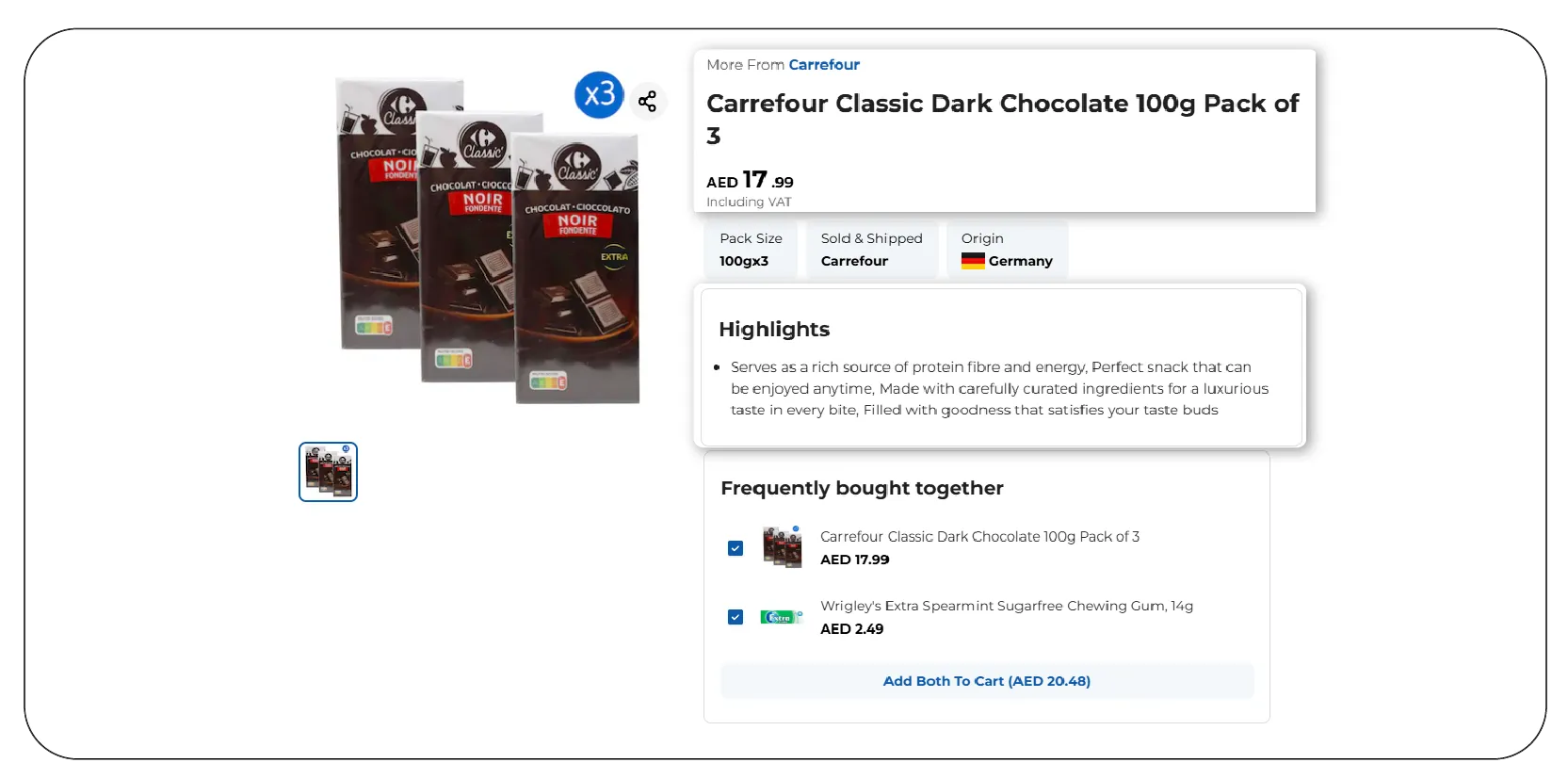
Extracting hyperlocal data refers to gathering detailed grocery store information specific
to small geographic areas, sometimes as precise as a particular street or block. Depending
on the data sources, this includes monitoring pricing, stock availability, promotional
offers, delivery slots, consumer reviews, and even shelf placement.
Here are a few dimensions of such data:
- Location-specific product pricing differences
- Stock status for SKUs in a particular store
- Delivery estimates for grocery items by ZIP code
- User reviews and ratings from neighborhood shoppers
- Retailer-specific offers or bundles
Retailers and brands invest in Hyperlocal Market Pricing Insights to stay competitive in
this fast-moving environment.
Start scraping hyperlocal grocery data today for
smarter retail decisions.
Contact Us Today!
Why Extract Hyperlocal Grocery Store Data?
Extracting hyperlocal grocery store data offers businesses granular insights into local
pricing, product availability, and consumer preferences. This data helps brands tailor their
strategies for specific neighborhoods, optimize stock levels, and respond swiftly to market
changes. By focusing on location-specific trends, businesses can enhance customer
satisfaction, improve profitability, and stay competitive in fast-evolving grocery and quick
commerce landscapes.
-
Monitor Price Fluctuations at the Street Level: Prices of
groceries, especially perishable items, fluctuate daily and vary by neighborhood.
Extracting data helps monitor and act on price changes in real time, which is
crucial for pricing intelligence and demand forecasting.
-
Understand Real-Time Availability: Inventory dynamics at hyperlocal
levels can significantly impact fulfillment success. When brands monitor local
inventory, they can avoid stockouts, overstocking, and missed sales opportunities.
-
Competitive Analysis and Benchmarking: Comparing product pricing
and promotions across various micro-locations can offer rich competitive insights.
Businesses use Hyper-Local Retail Price Data Scraping Services to benchmark against
direct competitors operating in the same geography.
-
Personalize Offers Based on Local Trends: With neighborhood-level
data, brands can create more personalized and relevant campaigns, from discounts on
frequently bought items to bundling strategies based on community preferences.
Why Hyper-Local Pricing Intelligence Is Key to Smarter Retail Decisions
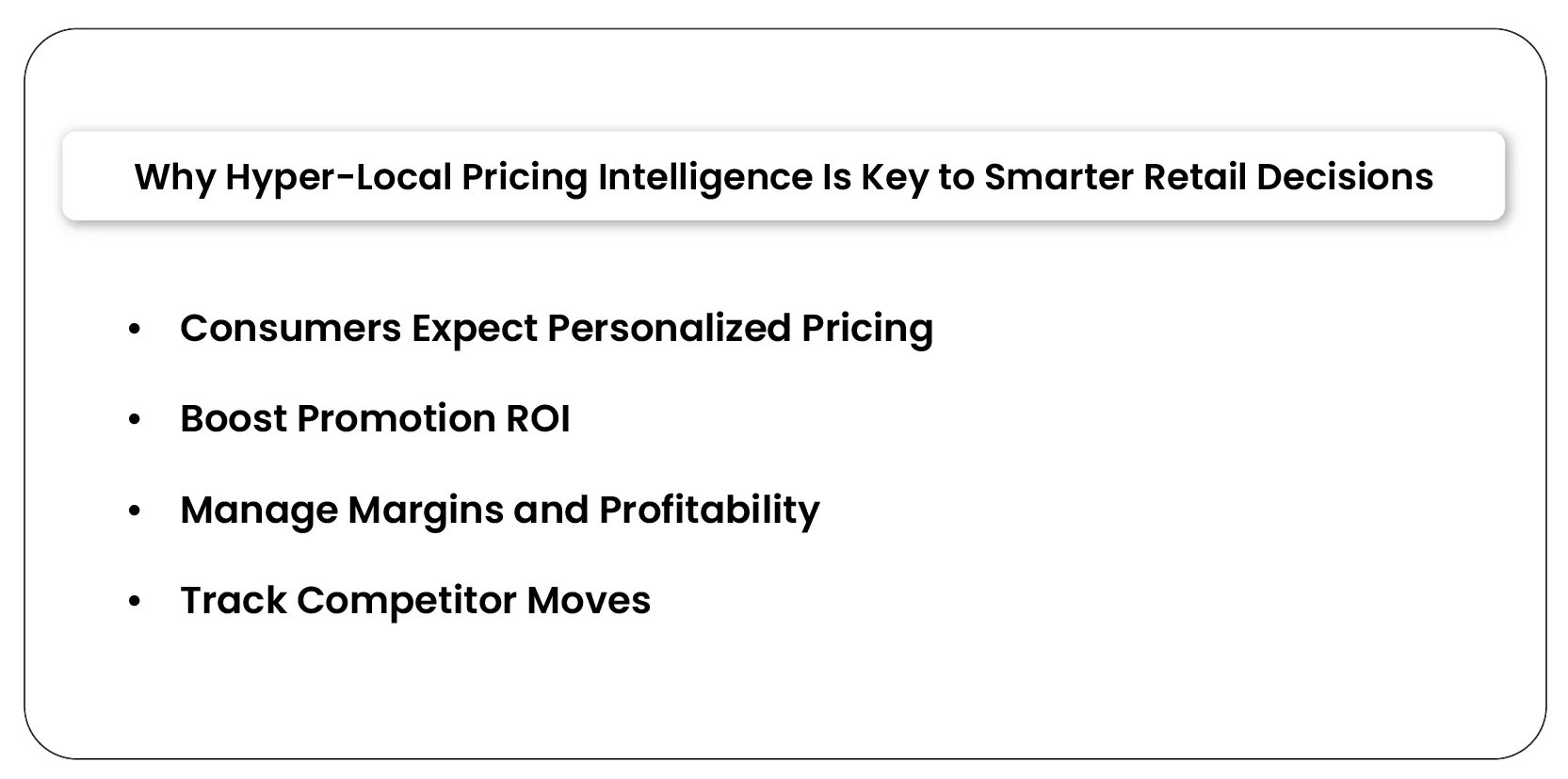
Hyper-local pricing intelligence isn't just a buzzword — it's a critical component in modern
retail optimization. Here's why:
-
Consumers Expect Personalized Pricing: As e-commerce and delivery
platforms cater to hyperlocal markets, customers have become price-sensitive to even
minor fluctuations. Utilizing a Hyper-Local Product Pricing Data Scraper allows
companies to adjust prices based on local demand, competition, and seasonal trends.
-
Boost Promotion ROI: Offers that target neighborhood-specific needs or
shopping behavior tend to perform better. Data-driven segmentation leads to optimized
promotion planning.
-
Manage Margins and Profitability: Rather than applying a flat pricing
strategy, retailers can maximize profit margins by tweaking prices based on the local
market, cost structure, and delivery overhead.
-
Track Competitor Moves: Tools that offer Hyper-Local Retailer Price
Comparison Data Scraping can provide invaluable intelligence on local competitors'
pricing tactics, new launches, and promotions.
How Can Businesses Leverage This Data?
Businesses across retail, FMCG, e-commerce, and consumer tech segments can benefit from
extracting hyperlocal grocery store data. Here's how:
-
Dynamic Price Optimization: Retailers can automatically adjust pricing
based on neighborhood competition, demand forecasts, and sales velocity. This data is
often used to Scrape Hyper-Local Pricing Data for CPG Analytics, offering consumer goods
companies a leg up in tailoring their strategies.
-
Product Placement and Assortment Planning: Brands can analyze which
SKUs perform best in micro-markets and align product offerings accordingly. This reduces
waste and improves customer satisfaction.
-
Delivery Slot Optimization: Platforms can offer better user experiences
by monitoring delivery wait times and stock availability by location. Real-time
Hyperlocal Competitive Data Scraping for FMCG empowers decision-makers to plan logistics
more efficiently.
-
Regional Campaign Customization: Marketers can design hyper-targeted
campaigns based on exact local demand and preferences. This granular approach enhances
engagement and drives higher conversion rates.
Use Cases of Hyperlocal Grocery Store Data Extraction
-
Retailers Launching New Stores: New store openings rely heavily on
local data to understand neighborhood buying behavior, price sensitivity, and
competitors' presence.
-
FMCG Brands Launching SKUs: FMCG players analyze data before launching
a new SKU to determine demand, pricing sweet spots, and availability gaps.
-
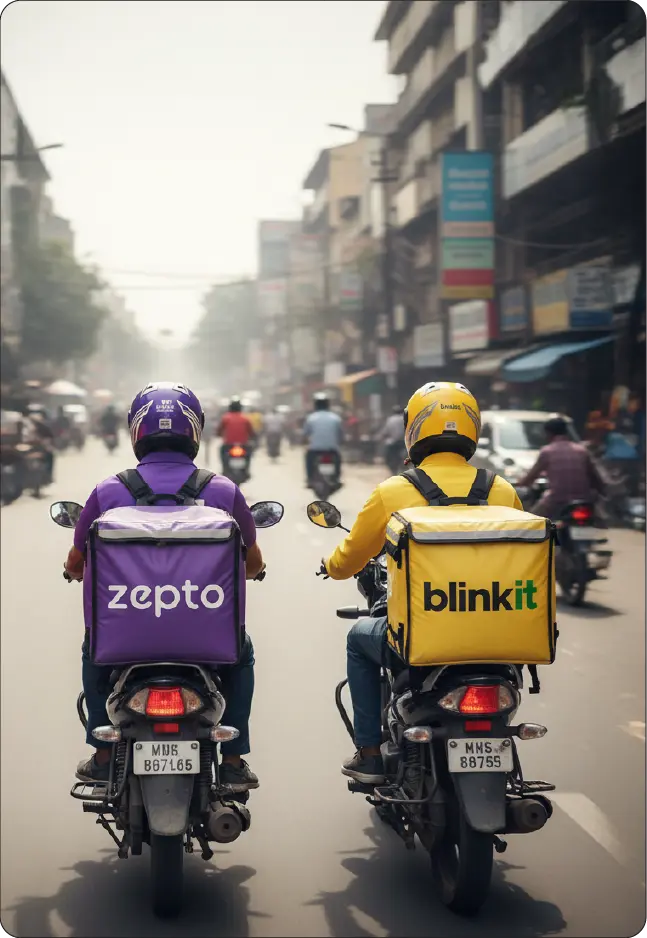
Quick Commerce Platforms: Players like Zepto and BlinkIt use Grocery
App Data Scraping Services to anticipate changing local needs and plan stock.
-
Competitive Price Benchmarking: Using Web Scraping Quick Commerce Data
solutions, a brand can track how its pricing compares to others in real time and adjust
accordingly.
Role of APIs and Scrapers in Scaling Hyperlocal Intelligence
Modern scraping technologies have advanced far beyond static HTML parsing. Today's retail
data platforms employ AI-driven bots, rotating proxies, and serverless architectures to
fetch real-time grocery store insights.
Grocery Product Data Scraping API Services offer robust access to hyperlocal pricing, stock
status, promotions, and user experience data. These APIs are often integrated directly into
internal dashboards for marketing, pricing, and logistics teams to analyze and act on the
data.
Such tools are essential for achieving practical Hyperlocal Data Intelligence across
business verticals.
Benefits of Extracting Grocery Data at a Hyperlocal Level
| Benefit |
Impact |
| Competitive Pricing |
Stay one step ahead of local rivals |
| Targeted Promotions |
Increase relevance and ROI of local campaigns |
| Reduced Stock Waste |
Optimize inventory based on local demand |
| Delivery Slot Optimization |
Match availability with real-time logistics data |
| Smart Product Placement |
Focus on SKUs that perform well in specific localities |
| Data-Backed Decision-Making |
Eliminate guesswork and base strategy on real-time datasets |
Tools and Technologies for Hyperlocal Grocery Data
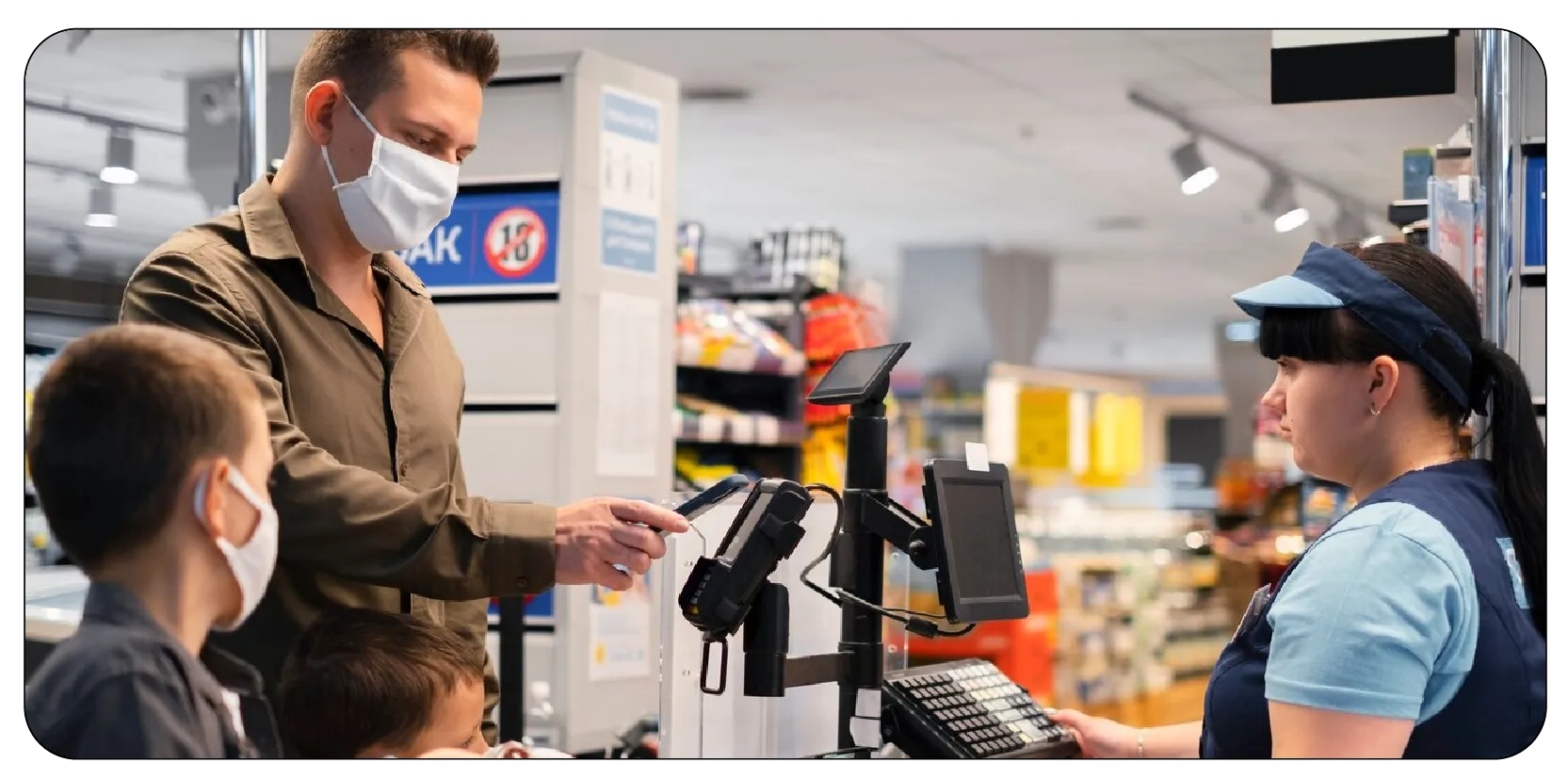
To extract and process hyperlocal grocery data effectively, businesses utilize:
- Custom Web Crawlers
- Data Scraping APIs
- Cloud-Based Data Lakes
- AI-Enhanced Scraping Bots
- Retail Intelligence Dashboards
All these solutions are vital for building a structured Grocery Store Dataset that reflects
local market realities in real-time.
Industries Using Hyperlocal Grocery Store Data
While grocery delivery platforms were the pioneers in this space, several other industries
now depend on hyperlocal grocery insights.
-
CPG/FMCG Companies – for smarter launches and price monitoring
-
Retail Chains – to localize pricing and stock
-
Logistics Companies – to optimize delivery routes and inventory
movements
-
Consumer Behavior Analysts – to forecast trends and seasonal patterns
-
Digital Advertising Platforms – to personalize content for local
consumers
Future of Hyperlocal Grocery Data in Retail Analytics
As AI and machine learning continue to evolve, hyperlocal data will become even more precise
and predictive. Integration with external datasets like weather data, local events, and
traffic trends will provide an edge in planning dynamic promotions and demand forecasting.
The journey ahead will rely on tools that can Hyperlocal Market Pricing Data Intelligence
not just once, but continuously — in near real-time, across thousands of locations.
How Product Data Scrape Can Help You?
-
Local Competitive Edge: We deliver hyperlocal insights into pricing,
stock, and promotions, helping businesses stay one step ahead in neighborhood markets
through powerful Hyperlocal Market Pricing Data Intelligence.
-
Geo-Targeted Precision: Our systems extract data specific to
neighborhoods, delivery zones, and ZIP codes, empowering brands to make localized
decisions and optimize regional strategies.
-
Always Fresh Data: We ensure continuous updates from top grocery
platforms, keeping your datasets accurate and real-time for faster, smarter business
actions.
-
Optimize Stock & Pricing: Track real-time availability, price changes,
and local offers to adjust your inventory, promotions, and pricing based on actual
neighborhood trends.
-
Scalable & Fast: Our infrastructure supports high-volume, high-speed
extraction across thousands of stores—delivering structured datasets that drive smarter,
data-backed growth.
Conclusion
Hyperlocal grocery store data extraction is revolutionizing the way brands and retailers operate. It provides unparalleled visibility into real-world customer behavior, pricing trends, and stock levels at a micro-market level. As the grocery ecosystem becomes increasingly agile and competitive, leveraging these insights is no longer optional — it’s essential for survival and growth.
From Extract Hyperlocal Grocery Store Data to dynamic pricing, regional campaign optimization, and inventory planning — every facet of retail can benefit from hyperlocal intelligence. With the right data infrastructure, APIs, and web scraping frameworks, businesses can ensure they stay relevant and responsive to every neighborhood’s needs.
At Product Data Scrape, we strongly emphasize
ethical practices across all our services,
including Competitor Price Monitoring and
Mobile App Data Scraping. Our commitment to
transparency and integrity is at the heart of everything we do. With a global presence and a
focus on personalized solutions, we aim to exceed client expectations and drive success in
data
analytics. Our dedication to ethical principles ensures that our operations are both
responsible
and effective.


 Singapore
 EMAIL
EMAIL
 PHONE
PHONE


.webp)
.webp "thumb")
.webp "thumb")
.webp "thumb")








.webp)