Introduction
In the rapidly expanding world of e-commerce, product reviews and ratings have become critical drivers of consumer purchasing decisions. In fact, consumer feedback, particularly in the form of reviews and ratings, is often considered more valuable than any form of advertisement. However, for businesses to harness this robust data, they must first overcome the challenge of efficiently gathering and analyzing the vast quantities of user-generated content across various e-commerce platforms. This is where Web Scraping E-commerce Product Reviews play an essential role. Web Scraping Product Reviews, a process of extracting data from websites, enables e-commerce businesses to collect valuable insights from product reviews and ratings, facilitating informed decisions and enhancing customer experiences. Extract Product Ratings to systematically collect and analyze reviews and ratings across various platforms, providing them with a competitive edge in the market.
The Growing Importance of Product Reviews and Ratings
Before diving into web scraping mechanics, it's essential to understand why product reviews and ratings hold such value. Modern consumers rely heavily on peer reviews when making purchasing decisions. According to a 2022 report by BrightLocal, approximately 79% of consumers trust online reviews as much as personal recommendations. Reviews provide a window into product quality, performance, and real-world experience, which can help guide potential buyers in their decision-making process.
Product Rating Data Extraction, on the other hand, offers a quick and straightforward way for consumers to assess products. It allows shoppers to instantly gauge the average satisfaction level of other buyers and compare different products at a glance. Reviews and ratings create a robust system that benefits both consumers and businesses. For consumers, it means better-informed purchasing decisions, while for businesses, it offers valuable feedback for improving products and customer service.
Given the importance of these reviews and ratings, E-Commerce Review Scraping becomes essential for businesses to have efficient methods of gathering and analyzing them from various e-commerce platforms. This is especially true since many reviews are scattered across different sites, such as Amazon, eBay, Alibaba, and niche marketplaces. Customer Review Data Scraping provides the most practical solution for this challenge, helping businesses capture and structure valuable insights from user feedback.
Ecommerce Feedback Scraping allows businesses to efficiently collect reviews and ratings from multiple platforms in one go, ensuring that they have the most comprehensive and up-to-date data to inform their decision-making processes.
Bottom of Form
Web Scraping: The Backbone of Data Collection for Reviews and Ratings
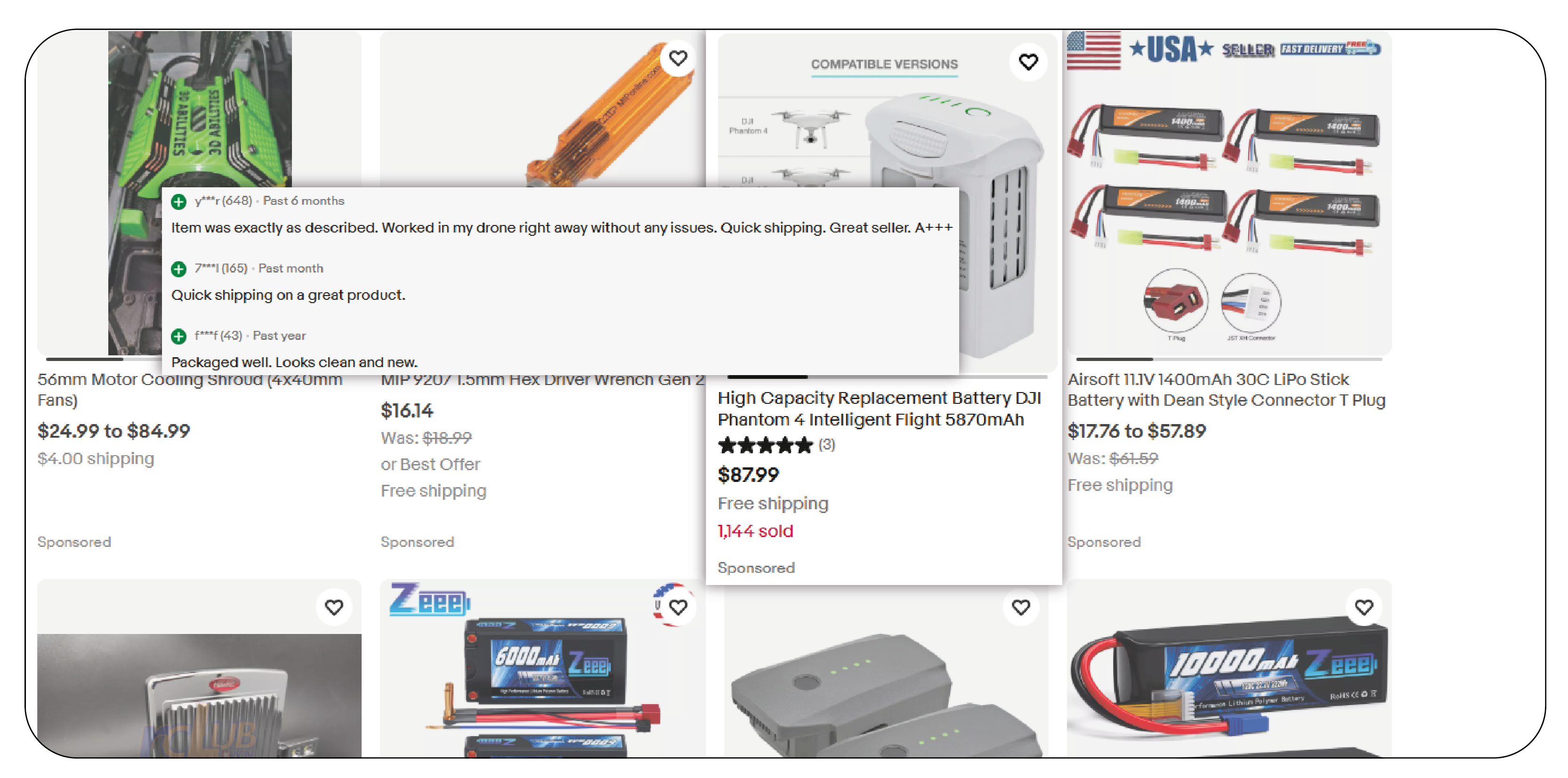
Web scraping is a technique that involves automating the extraction of data from websites. Using custom-built tools or scraping software, web scraping enables businesses to collect vast amounts of data from websites efficiently. This includes product reviews and ratings, typically embedded in HTML across e-commerce sites. By scraping this data, businesses can build a comprehensive dataset of user feedback, which is invaluable for various purposes, including market analysis, competitive intelligence, and customer sentiment analysis.
Online Product Review Extraction tools are designed to mimic human browsing behavior, automatically navigating web pages, identifying relevant data points (such as review text, user ratings, and timestamps), and extracting this information into structured formats, like spreadsheets or databases. This process helps businesses quickly gather reviews from hundreds or even thousands of products, cutting down the time and effort to collect such information manually.
Web Scraping E-Commerce Reviews enables businesses to compile data from various online stores, allowing for a broader understanding of product performance and customer experiences. Automating this process ensures that businesses can stay updated with the latest reviews and ratings, facilitating timely decision-making.
Moreover, Customer Sentiment Data Scraping allows businesses to gain insights into customer emotions and feedback at scale, enabling them to address concerns, improve product offerings, and enhance customer service strategies.
Use Cases of Web Scraping for Reviews and Ratings
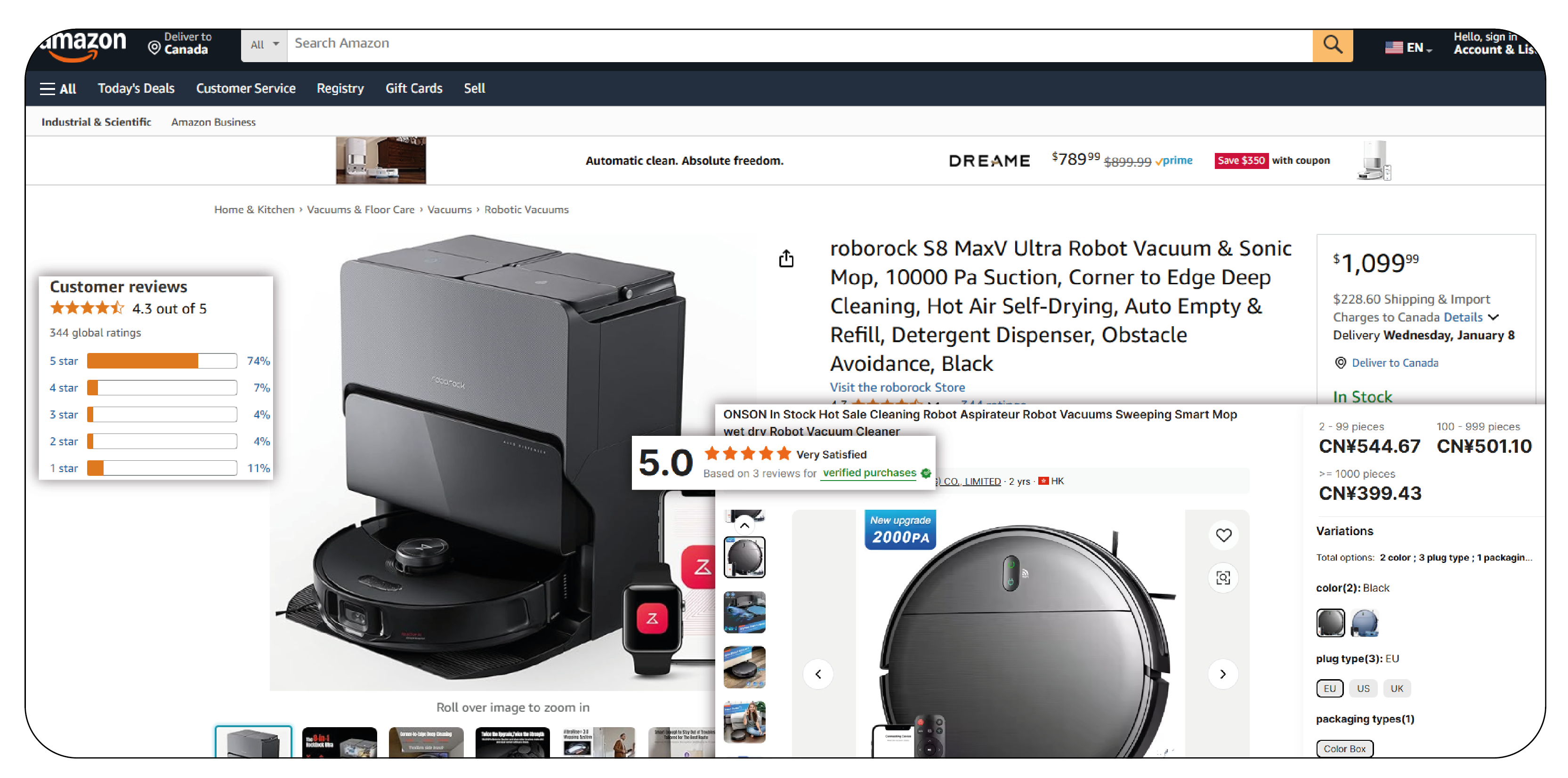
1. Sentiment Analysis and Market Insights: One of the most significant advantages of Web Scraping E-commerce Websites is the ability to perform sentiment analysis. Companies can analyze the overall sentiment surrounding their products by collecting reviews from various sources. Sentiment analysis uses Natural Language Processing (NLP) and machine learning techniques to determine the sentiment behind each review—positive, negative, or neutral. This enables businesses to identify common pain points, areas for improvement, and factors that delight customers.
For example, a business might scrape reviews for its product and find that many users consistently complain about a specific feature, such as the durability of a smartphone case. This feedback can then inform product development decisions and improve future product versions. Furthermore, sentiment analysis on reviews from competitors' products allows businesses to uncover gaps in the market and identify areas where they can outperform their competitors.
2. Competitive Analysis: In today's competitive e-commerce landscape, understanding how customers perceive competitors' products is crucial. By scraping reviews and ratings from competitors' listings, businesses can gather insights into their strengths and weaknesses. For instance, analyzing competitor reviews might reveal that customers love the design of a competitor's laptop but dislike its battery life. This provides businesses with an opportunity to offer a product that emphasizes superior battery performance while keeping a similar design.
Web scraping helps track changes in competitor reviews over time. If a competitor releases a new product version, scraping reviews can help identify whether customers receive the new version better. This allows businesses to react quickly and adjust their strategies, such as improving their products or targeting customers who are dissatisfied with a competitor's offering.
3. Price Monitoring and Dynamic Pricing: Extract E-commerce Data to monitor prices and track trends in product performance. Businesses can aggregate review and rating data alongside pricing information to track how product prices correlate with customer satisfaction. By continuously scraping data from e-commerce platforms, companies can monitor price fluctuations and adjust their pricing strategies accordingly.
For instance, if a product receives a surge in positive reviews, a business might raise the price slightly to capitalize on the increased demand. Conversely, if reviews trend negatively, businesses can lower prices or offer promotions to help regain customer interest. Scraping product reviews with pricing data provides a more complete picture of market dynamics.
4. Customer Retention and Engagement: Analyzing reviews and ratings through web scraping can also help improve customer retention efforts. Businesses can refine their customer service approach by identifying recurring themes and concerns in product feedback. For example, if customers frequently mention long shipping times in negative reviews, the business can implement faster shipping options to address the concern. Positive reviews can be celebrated and used in marketing campaigns, while negative feedback offers valuable insight into areas that need attention.
Additionally, reviews can be used to identify loyal customers. Scraping reviews can reveal customers who have consistently left positive feedback over time, and businesses can reward these customers with loyalty programs, discounts, or exclusive offers.
Challenges in Web Scraping Reviews and Ratings
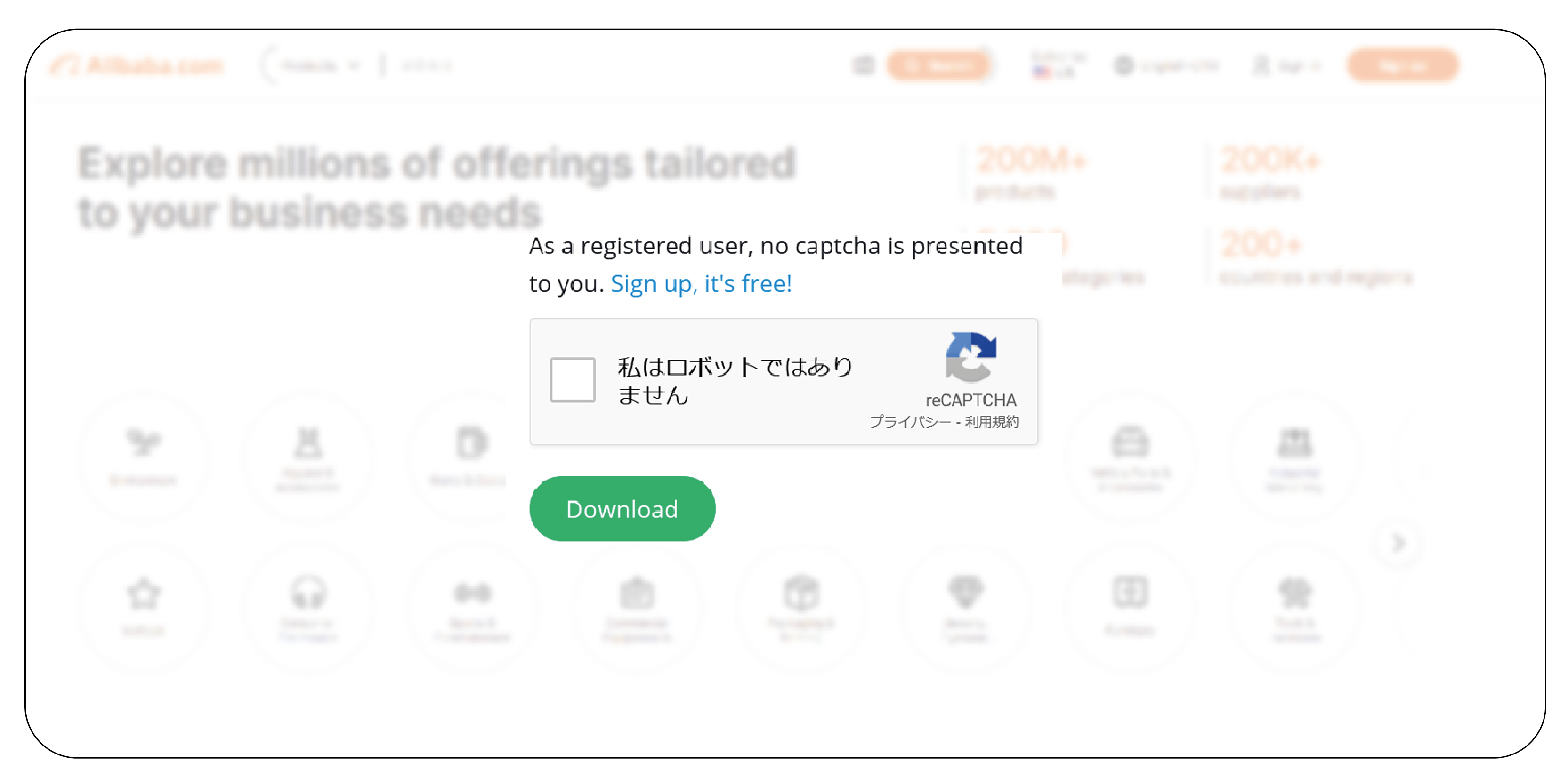
While web scraping offers many benefits, it also comes with challenges. One of the most significant hurdles is ensuring the data scraped is accurate and reliable. Some e-commerce sites block automated bots using techniques like CAPTCHA or anti-scraping mechanisms. Overcoming these measures can require advanced scraping techniques, such as rotating IP addresses, using proxy servers, or employing machine learning-based solutions to bypass CAPTCHAs.
Another challenge is dealing with the sheer volume of data. E-commerce websites can host thousands of reviews for a single product, and scraping all this information can result in large datasets. Proper storage and management of this data become critical, and businesses must have robust infrastructure to handle and analyze it effectively.
Moreover, scraping data from multiple sources may result in inconsistent formats, especially if reviews are stored in different HTML structures. Extracting structured data from unstructured web pages requires sophisticated tools and data-cleaning processes to ensure the data is usable for analysis.
Ethical and Legal Considerations
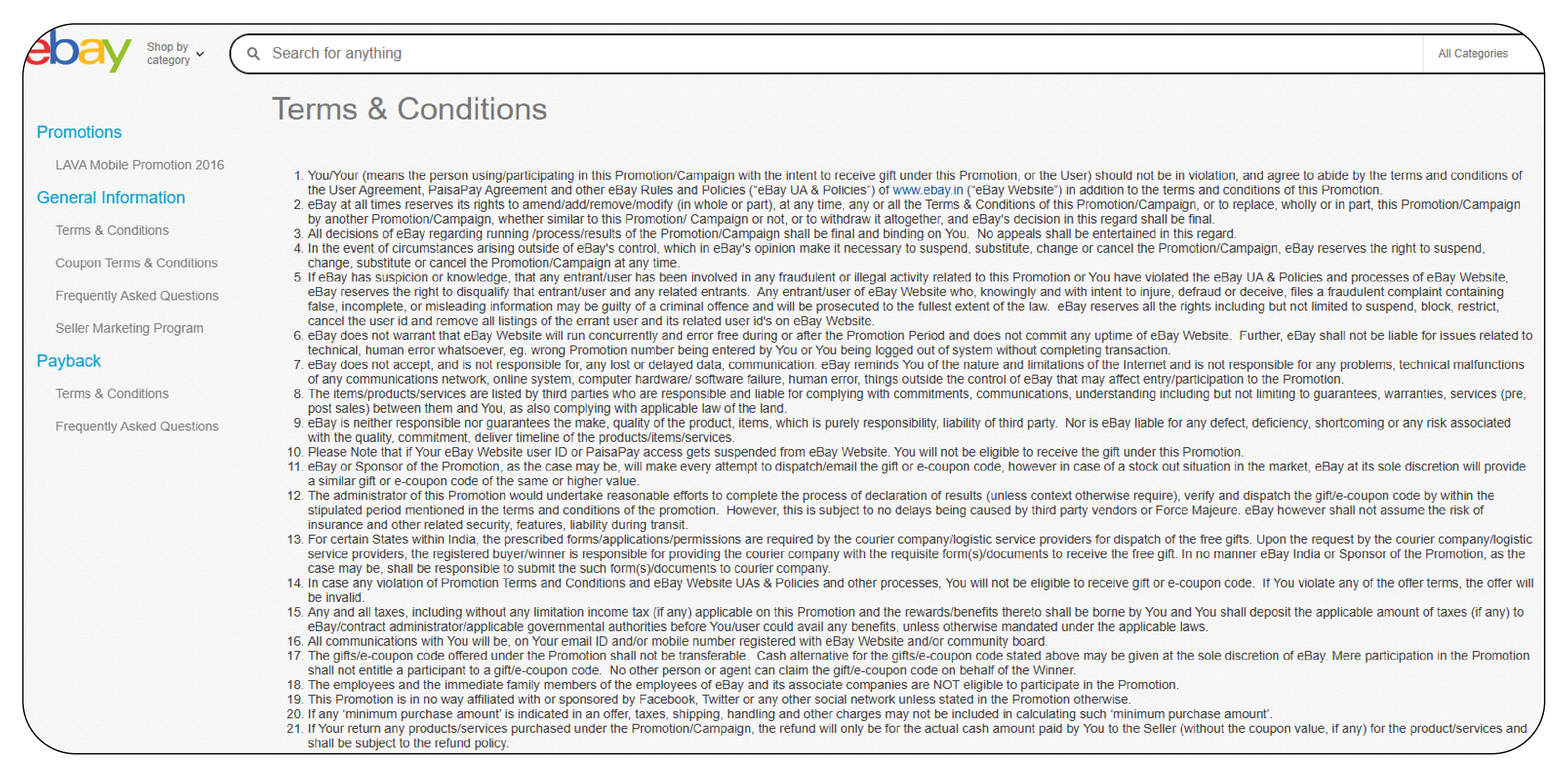
Businesses must be mindful of the ethical and legal implications when engaging in web scraping. Some websites prohibit scraping in their terms of service, and violating these terms can result in legal consequences or being banned from the site. Businesses must be aware of these regulations and ensure they are responsibly scraping data.
Additionally, businesses must respect user privacy when scraping reviews. While product reviews are generally public, personal information associated with them—such as the reviewer's name or location—should be handled with care and should not be exploited for purposes beyond analysis or customer insights.
Conclusion
The eCommerce Dataset Scraping plays an indispensable role in the modern e-commerce landscape. It enables businesses to gather valuable insights into customer sentiment, track competitor performance, optimize pricing strategies, and improve customer satisfaction. While web scraping offers immense potential, it also comes with challenges that businesses must navigate carefully. By using ethical and legal scraping practices and investing in the right tools, companies can unlock the power of product reviews and ratings to drive business growth, improve product offerings, and enhance customer relationships. In an increasingly competitive e-commerce environment, quickly gathering and analyzing customer feedback can be the key to long-term success.
At Product Data Scrape, we strongly emphasize ethical practices across all our services, including Competitor Price Monitoring and Mobile App Data Scraping. Our commitment to transparency and integrity is at the heart of everything we do. With a global presence and a focus on personalized solutions, we aim to exceed client expectations and drive success in data analytics. Our dedication to ethical principles ensures that our operations are both responsible and effective.


 Singapore
 EMAIL
EMAIL
 PHONE
PHONE











.webp)