Introduction
The fastest way to understand market movements, competitor pricing, and
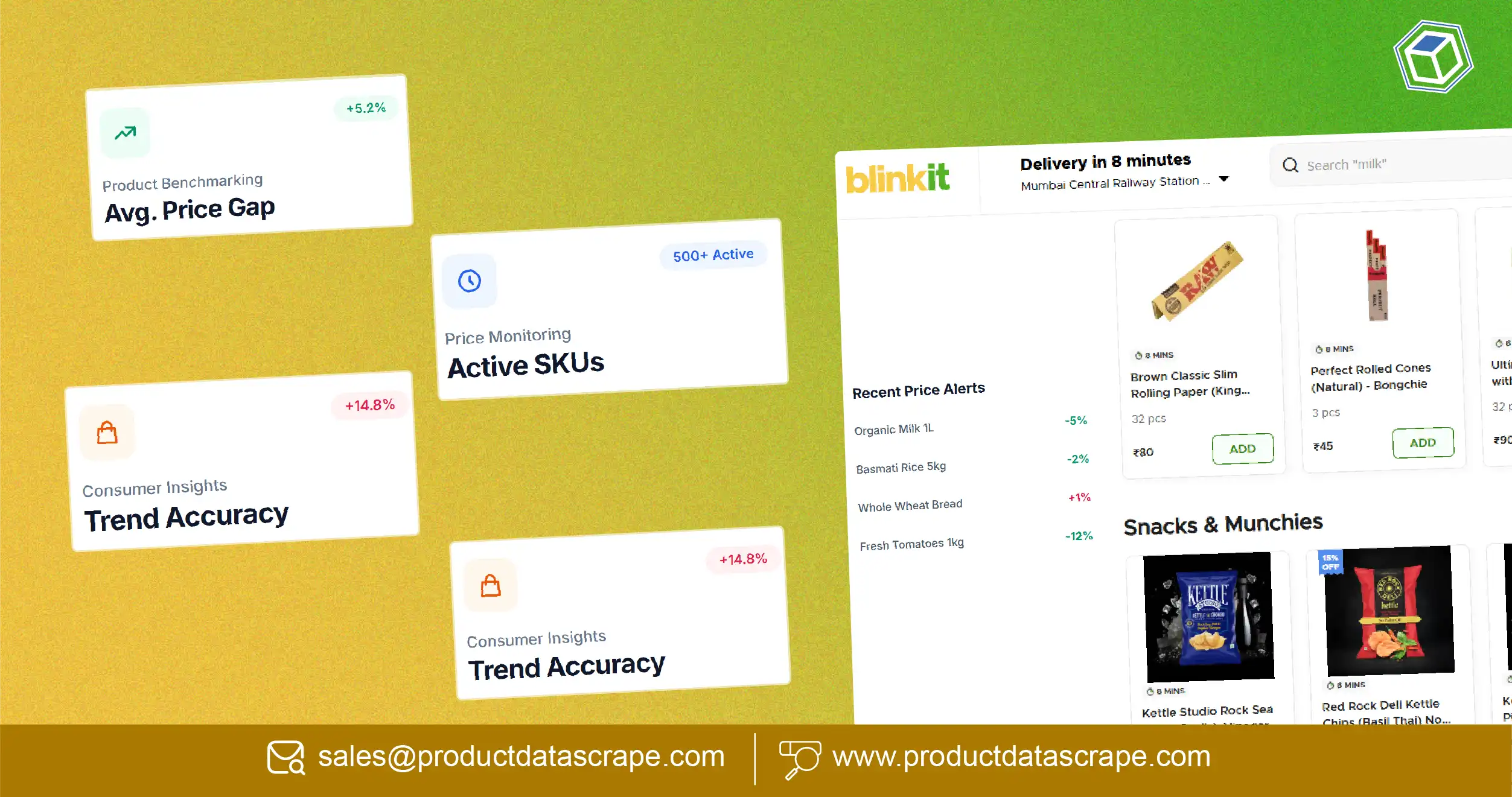
consumer demand is to Track Blinkit Prices in Real Time. Real-time price monitoring helps
retailers, FMCG brands, distributors, market researchers, and quick-commerce businesses optimize
pricing strategies, benchmark competitors, and identify emerging trends before competitors
react.
Industry Insight: India's quick-commerce market is projected
to surpass $40 billion by 2026. Industry estimates suggest that more than 70% of pricing
decisions in digital retail are influenced by competitor activity, promotions, and product
availability.
For category managers, pricing analysts, FMCG manufacturers, and eCommerce
strategists, maintaining visibility into thousands of products is a major challenge. Access to
Quick commerce & FMCG data helps
businesses understand price fluctuations, promotional
campaigns, stock availability, and consumer purchasing behavior across categories.
This guide explains how Blinkit pricing intelligence supports product
benchmarking, market analysis, inventory planning, and competitive decision-making between 2020
and 2026.
How Can Pricing Trends Reveal Competitive Opportunities?
Pricing trends often indicate shifts in demand, competition, and market
strategy. Businesses that monitor these changes can respond faster and improve profitability.
One effective approach is to Scrape Blinkit Pricing Trends and Market Analysis
to understand how products perform across categories and regions.
Key Benefits
- Identify competitor pricing changes
- Track promotional campaigns
- Analyze category growth
- Benchmark product performance
- Improve revenue strategies
Pricing Intelligence Adoption Trends
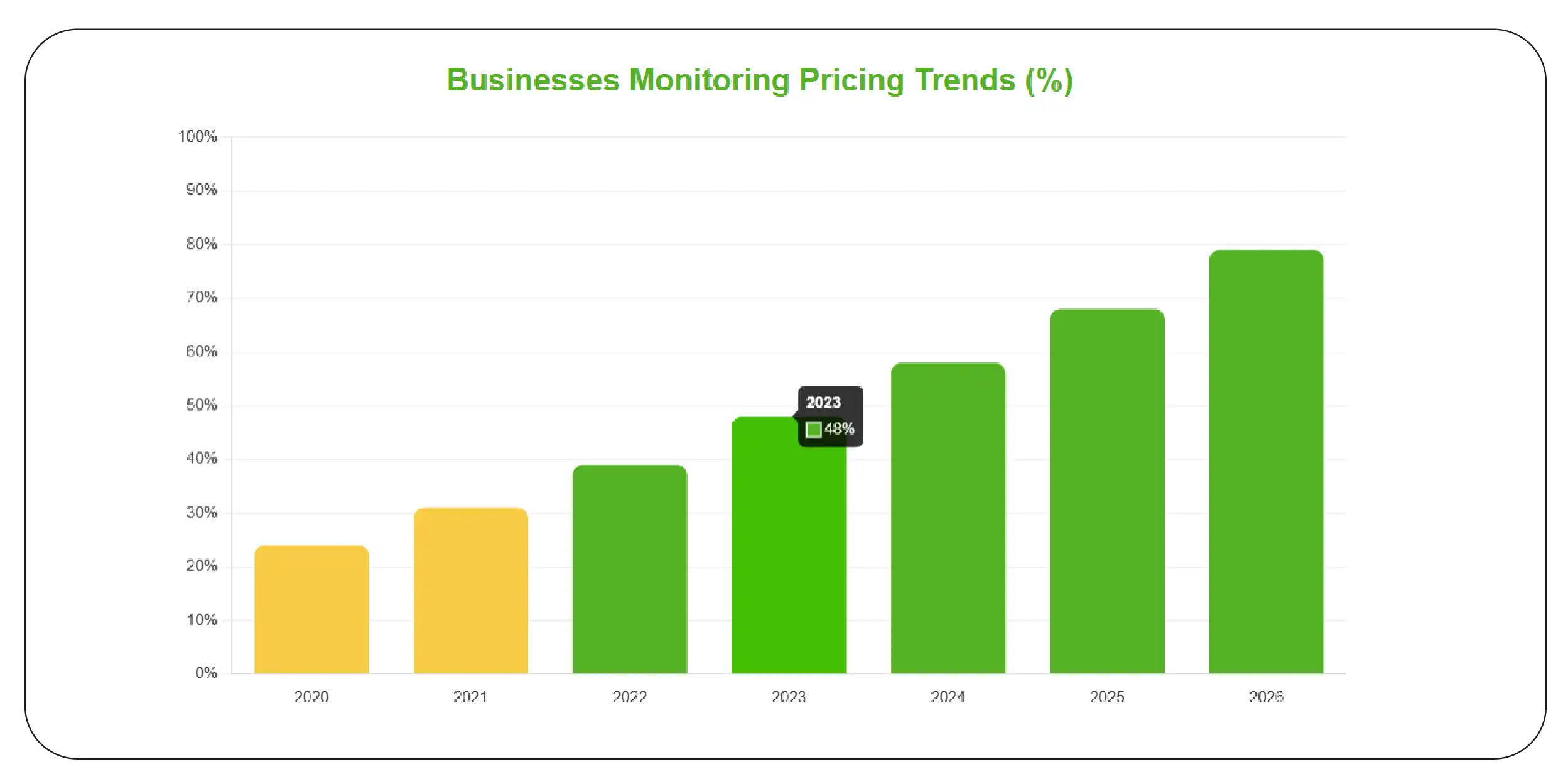
For example, an FMCG brand may notice recurring discounts in a specific
category. This insight can guide promotional planning and help maintain competitiveness.
Price trend analysis also reveals seasonal fluctuations. Retailers can
anticipate demand shifts and adjust strategies accordingly.
Organizations that continuously monitor pricing trends often gain stronger
market visibility and faster response times than competitors relying on manual research.
How Do Retailers Analyze Product Availability and Pricing Together?
Price alone does not provide a complete picture. Product availability also
influences consumer decisions and market performance.
Many businesses rely on Blinkit Assortment and Pricing Analytics to evaluate
inventory visibility, assortment depth, and category competitiveness. Combined with Blinkit data
scraping, organizations gain comprehensive access to real-time product information.
Important Analytics Areas
- Product assortment depth
- Category coverage
- Price competitiveness
- Inventory availability
- Promotion monitoring
Assortment Monitoring Growth
| Year |
Companies Using Assortment Analytics |
| 2020 |
22% |
| 2021 |
30% |
| 2022 |
39% |
| 2023 |
50% |
| 2024 |
60% |
| 2025 |
71% |
| 2026 |
82% |
For instance, a retailer may discover that competitors offer broader product
selections within high-growth categories. This insight supports assortment optimization and
supplier negotiations.
Availability monitoring also helps identify stock-out risks that may impact
sales performance. Businesses can improve replenishment planning and reduce missed
opportunities.
As quick-commerce competition intensifies, combining assortment and pricing
intelligence becomes essential for maintaining market share.
How Can Dashboards Improve Pricing Visibility?
Modern businesses need centralized systems to monitor thousands of products
efficiently. Manual spreadsheets often fail to provide the speed and scalability required for
competitive analysis.
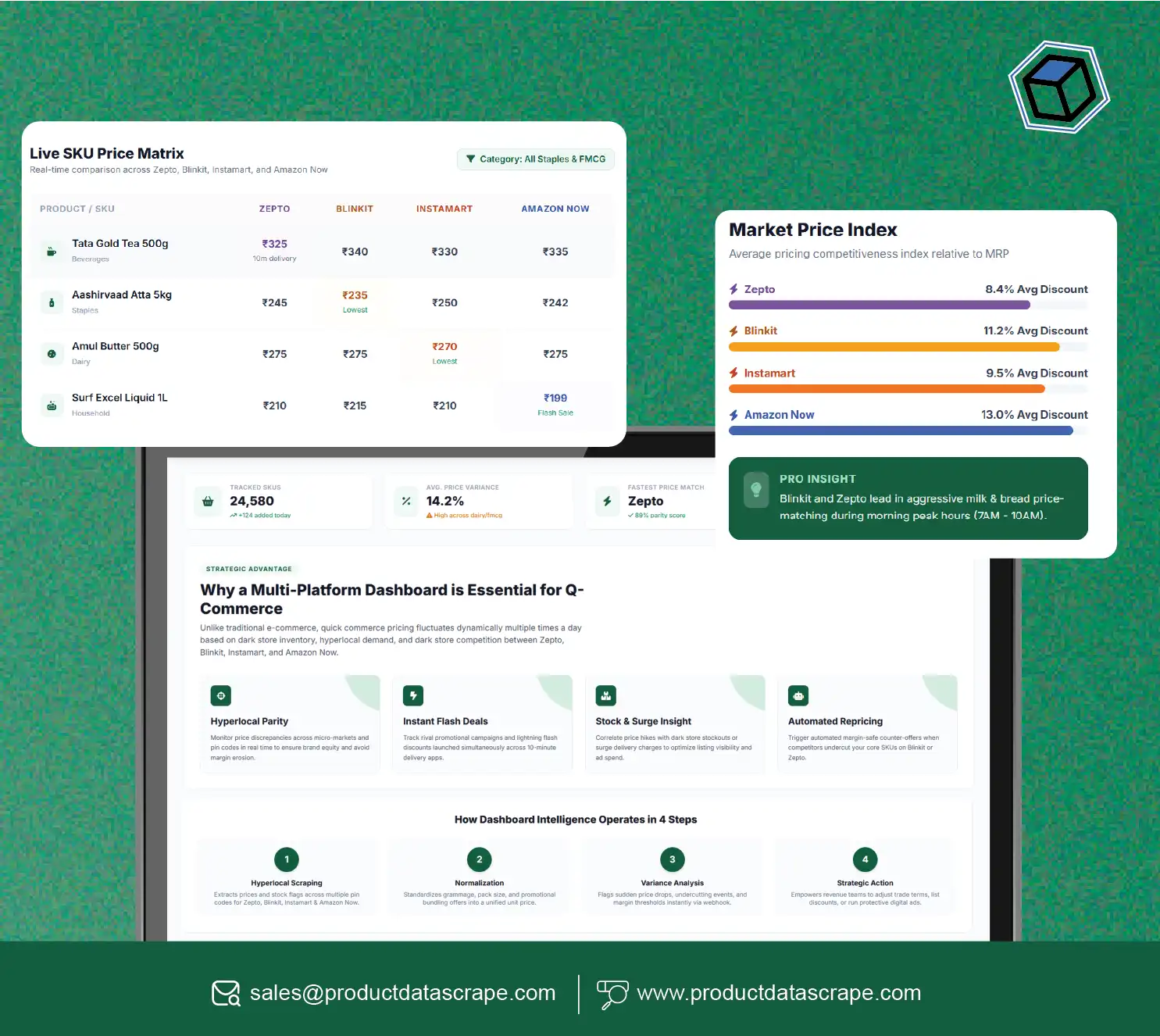
A Blinkit Retail Pricing Dashboard helps organizations visualize pricing
trends, monitor promotions, compare categories, and identify competitive threats in real time.
Dashboard Capabilities
- Price comparison tracking
- Promotion monitoring
- Historical pricing analysis
- Category performance measurement
- Inventory visibility reporting
Dashboard Adoption Trends
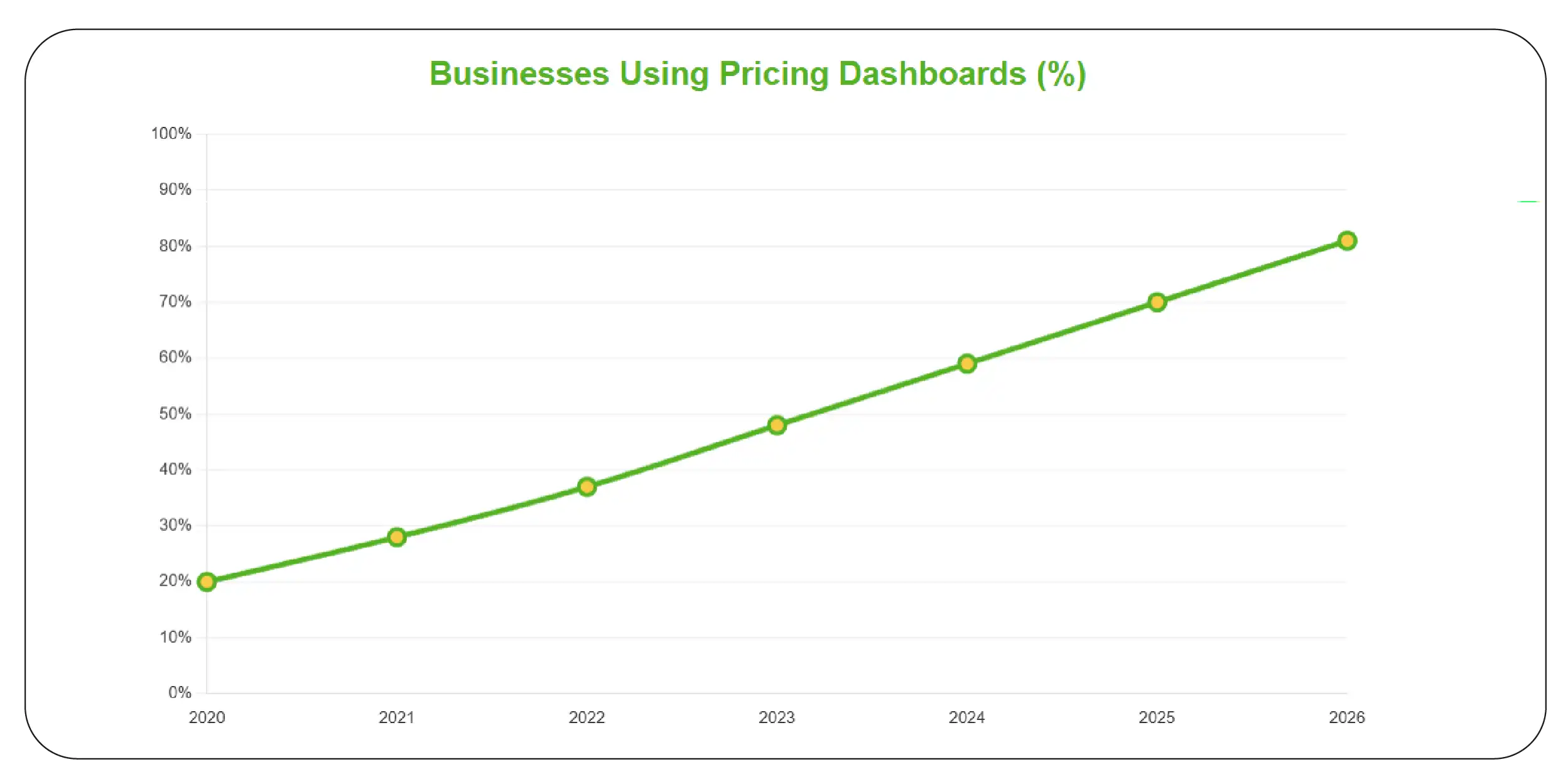
A centralized dashboard enables pricing teams to make faster decisions.
Analysts can quickly identify unusual pricing movements and evaluate competitor strategies.
For large retailers managing thousands of products, dashboards simplify
reporting and improve collaboration across departments. Decision-makers gain immediate access to
market intelligence without waiting for manual reports.
This visibility supports proactive pricing adjustments and stronger competitive
positioning.
How Does SKU-Level Monitoring Improve Business Performance?
Retailers and FMCG brands need visibility beyond category-level trends.
Product-level intelligence helps organizations understand exactly which items drive revenue,
market penetration, and customer demand.
Businesses increasingly use Blinkit SKU-Level Price Tracking to monitor
individual products across categories, brands, package sizes, and regions. Combined with
analysis of sales performance and market share,
SKU-level monitoring provides a detailed view of
market dynamics.
Benefits of SKU-Level Monitoring
- Track individual product prices
- Measure competitive positioning
- Monitor promotional effectiveness
- Evaluate brand performance
- Identify market share opportunities
SKU Analytics Adoption Trends (2020–2026)
| Year |
Businesses Using SKU-Level Tracking |
| 2020 |
23% |
| 2021 |
31% |
| 2022 |
40% |
| 2023 |
51% |
| 2024 |
62% |
| 2025 |
73% |
| 2026 |
84% |
For example, a beverage manufacturer can compare its product pricing against
competing brands at the SKU level. If competitors consistently offer better discounts or
maintain higher stock availability, corrective actions can be implemented quickly.
SKU tracking also helps identify high-performing products that contribute most
to revenue. Businesses can focus marketing investments on products with the strongest growth
potential.
Detailed product-level intelligence supports stronger pricing decisions and
improves overall business performance.
How Can Pricing Intelligence Drive Better Decision-Making?
Modern retail environments change rapidly. Businesses need accurate and timely
information to make informed decisions about pricing, promotions, inventory, and assortment
strategies.
This is where Blinkit product pricing intelligence becomes valuable. Pricing
intelligence systems collect and analyze product-level data across categories to identify
opportunities and risks.
Insights Generated Through Pricing Intelligence
- Competitor price changes
- Discount frequency analysis
- Category price benchmarks
- Consumer demand signals
- Promotion performance metrics
Pricing Intelligence Adoption
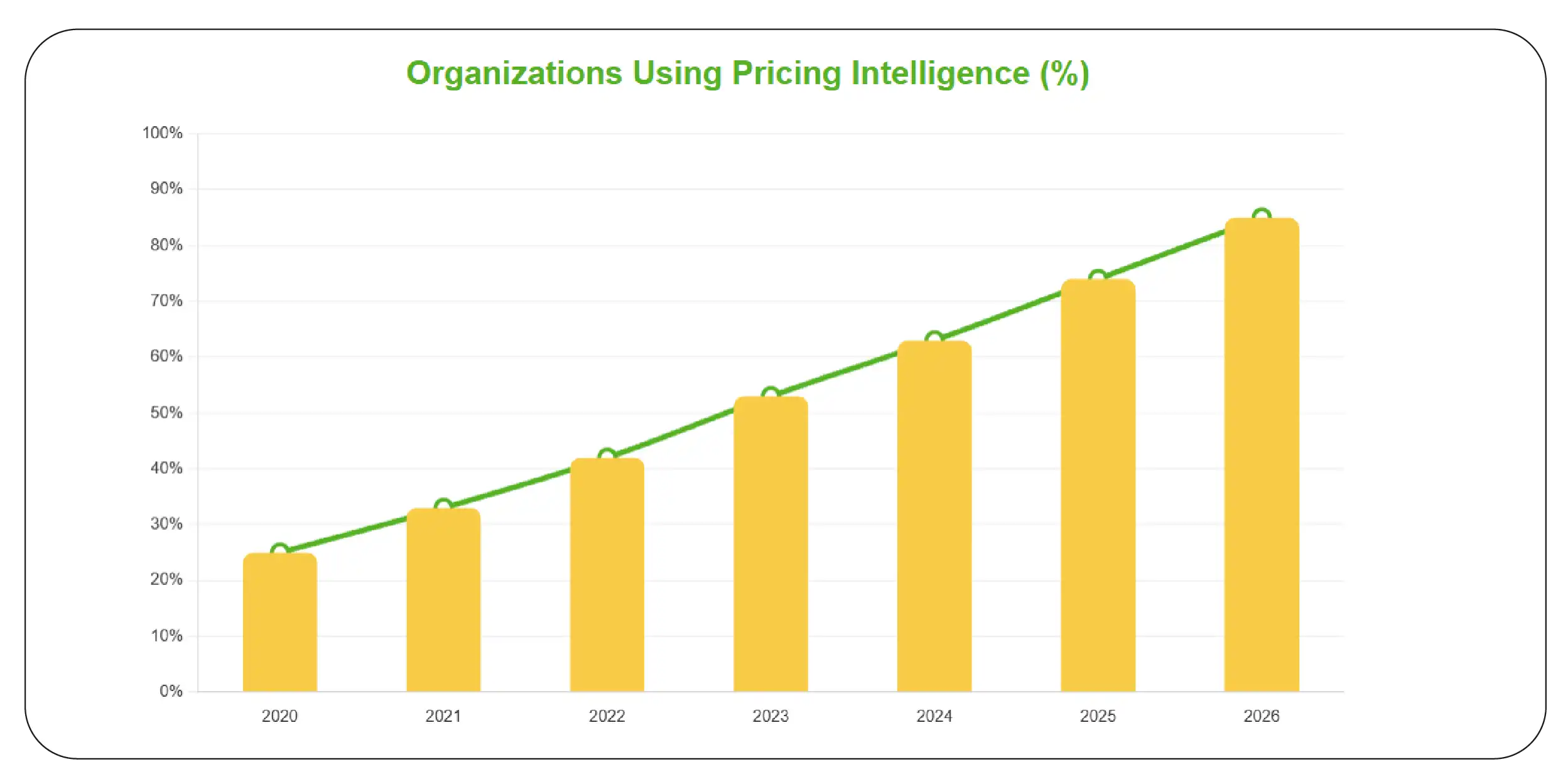
For instance, an FMCG company may identify a growing pricing gap between
premium and value product categories. This information can influence pricing strategies and
portfolio planning.
Pricing intelligence also helps businesses evaluate promotional performance.
Companies can determine whether discounts increase sales volume or simply reduce margins.
Organizations that invest in pricing intelligence often gain stronger
visibility into market conditions and customer purchasing behavior.
How Does Quick-Commerce Intelligence Create Competitive Advantages?
The quick-commerce industry generates massive amounts of market data every day.
Businesses that effectively capture and analyze this information gain significant competitive
advantages.
Many organizations deploy Blinkit pricing data scraping solutions to automate
the collection of product pricing, inventory availability, promotional activity, and category
performance metrics. These solutions support broader Quick Commerce
intelligence initiatives.
Key Applications
- Competitive benchmarking
- Dynamic pricing strategies
- Promotion tracking
- Inventory planning
- Market trend analysis
- Category performance monitoring
Quick-Commerce Intelligence Growth
| Year |
Companies Using Market Intelligence Solutions |
| 2020 |
27% |
| 2021 |
35% |
| 2022 |
44% |
| 2023 |
55% |
| 2024 |
66% |
| 2025 |
77% |
| 2026 |
88% |
Businesses can monitor thousands of products across multiple categories
simultaneously. This level of visibility enables faster reactions to competitor actions and
changing consumer preferences.
Market intelligence also supports long-term strategic planning. Organizations
can identify high-growth categories, evaluate expansion opportunities, and improve product
positioning.
As quick commerce continues to evolve, data-driven decision-making becomes
increasingly important for sustainable growth.
Why Choose Product Data Scrape?
Businesses need reliable and scalable data solutions to compete effectively in
today's quick-commerce ecosystem. Product Data
Scrape helps organizations collect, analyze, and
transform product intelligence into actionable business insights.
With access to a comprehensive Blinkit
grocery dataset, businesses can monitor
product prices, stock availability, promotions, and assortment performance across thousands of
SKUs. Organizations can also Track Blinkit Prices in Real Time to identify market shifts and
respond faster to competitor activities.
Key advantages include:
- Real-time product monitoring
- Large-scale SKU coverage
- Automated data collection
- Competitive pricing intelligence
- Flexible integration options
- Enterprise-grade scalability
We deliver structured datasets that support analytics, reporting, forecasting,
and strategic planning initiatives.
Conclusion
The quick-commerce industry is becoming increasingly competitive. Businesses
that can effectively Track Blinkit Prices in Real Time gain valuable insights into pricing
trends, inventory movement, consumer demand, and competitor strategies.
From product benchmarking and market analysis to inventory optimization and
promotional monitoring, real-time intelligence supports smarter business decisions. Advanced
Assortment analytics further help organizations
understand category performance and identify
opportunities for growth.
Ready to unlock actionable quick-commerce intelligence? Contact Product Data
Scrape today and start leveraging real-time pricing data to strengthen your competitive
advantage, improve decision-making, and accelerate business growth!
FAQs
1. Why is real-time Blinkit price monitoring
important?
Real-time monitoring helps businesses identify competitor pricing
changes, track promotions, monitor inventory availability, and make faster pricing decisions
based on current market conditions.
2. What industries benefit most from Blinkit pricing
intelligence?
Retailers, FMCG brands, distributors, market research firms,
consulting companies, and eCommerce businesses benefit from pricing intelligence and
product-level market insights.
3. What data can be collected from Blinkit product
listings?
Businesses can collect product names, prices, discounts, stock status,
categories, brands, package sizes, promotional information, and assortment-related product
attributes.
4. How does Product Data Scrape support competitive
benchmarking?
Product Data Scrape provides structured datasets that enable
organizations to compare pricing, promotions, product availability, and category performance
against competitors.
5. How frequently should pricing data be updated?
Most
organizations update pricing information daily or multiple times per day because quick-commerce
product prices and inventory conditions can change rapidly.


 Singapore
 EMAIL
EMAIL
 PHONE
PHONE










.webp)