Quick Overview
This case study explains how a structured Fashion & Apparel Dataset - Gucci, Zara, DAZN can help fashion and retail businesses transform fragmented product information into organized market intelligence. The project focused on collecting, normalizing, validating, and structuring fashion product information across brands and digital channels. The Fashion & Apparel Trend Data Scraper supported recurring data collection across product listings, categories, prices, availability, attributes, and trend signals. The client was a fashion and e-commerce intelligence business requiring scalable product research. The service was designed as a recurring data collection and analytics workflow. Key impact areas included improved data consistency, faster product monitoring, and greater visibility into brand-level assortment and pricing movements.
Client Name / Industry: Confidential Fashion Intelligence & E-Commerce Analytics Company
Service / Duration: Fashion Product Data Collection, Normalization & Analytics / Recurring Data Monitoring
Key Impact Metrics: Data consistency, monitoring speed, and product-level coverage.
The Client
The client was a fashion and e-commerce intelligence organization working with large volumes of product information from luxury, fast-fashion, lifestyle, and digital commerce brands. Its research environment included internationally recognized names such as Gucci and Zara, alongside additional fashion and lifestyle data sources. The business needed structured information to understand product assortment, pricing, availability, categories, attributes, and market movements without depending on scattered manual research.
The growing complexity of fashion commerce created additional pressure. New collections can appear frequently, products can move between availability states, promotional prices can change, and product attributes can vary significantly between categories. Luxury brands such as Gucci also require detailed product attributes and collection-level organization, while mass-market fashion brands such as Zara can involve rapid assortment changes.
Before the partnership, the client's information-gathering process depended on multiple sources and repetitive manual checks. This made it difficult to maintain consistent product records and compare brands using the same taxonomy. The organization therefore needed a scalable data framework that could bring disparate fashion information into a standardized structure.
The Gucci E-Commerce Intelligence Dataset provided a model for organizing brand-specific information around product names, categories, prices, materials, colors, sizes, availability, and other accessible attributes. The broader Fashion & Apparel Dataset - Gucci, Zara, DAZN framework extended this approach to cross-brand research and competitive intelligence.
Goals & Objectives
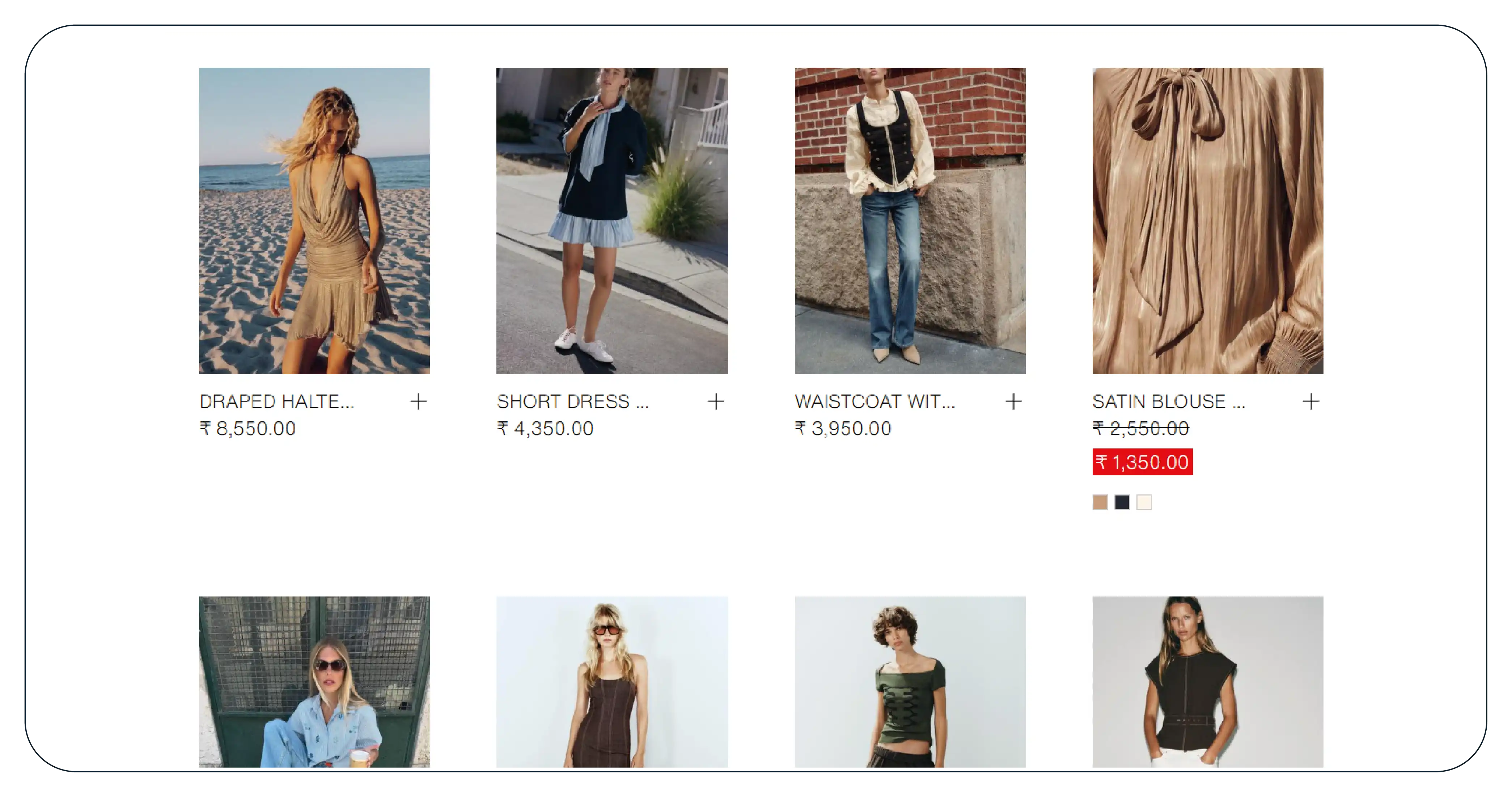
The project was designed around three interconnected priorities: business scalability, technical automation, and measurable data quality. Rather than simply collecting product pages, the objective was to establish a repeatable system capable of supporting ongoing fashion intelligence.
The business goals focused on increasing the scale of product monitoring while reducing repetitive manual work. The client wanted a consistent method for tracking Gucci, Zara, and other relevant fashion products across multiple data sources.
Scale product data collection across brands and categories.
Improve the speed of recurring marketplace and brand monitoring.
Increase consistency and accuracy across product records.
Create structured datasets suitable for competitive analysis.
Support historical comparison of products, prices, and availability.
The technical objectives centered on automation, integration, normalization, and analytics readiness. Zara Fashion Product Data Scraping was incorporated into the broader workflow to organize product information from Zara alongside comparable fashion datasets.
Automate recurring product-data collection.
Normalize product attributes into consistent fields.
Integrate product, pricing, category, and availability data.
Validate records before dataset delivery.
Support analytics and dashboard integration.
Prepare data for recurring and historical analysis.
The project KPIs were established around measurable operational improvements:
Product-record coverage across selected sources.
Data completeness across required attributes.
Successful extraction and validation rate.
Data refresh frequency.
Processing and delivery turnaround time.
Duplicate-record reduction.
Availability of analytics-ready structured records.
The Fashion & Apparel Dataset - Gucci, Zara, DAZN served as the broader dataset framework connecting these business and technical objectives.
The Core Challenge
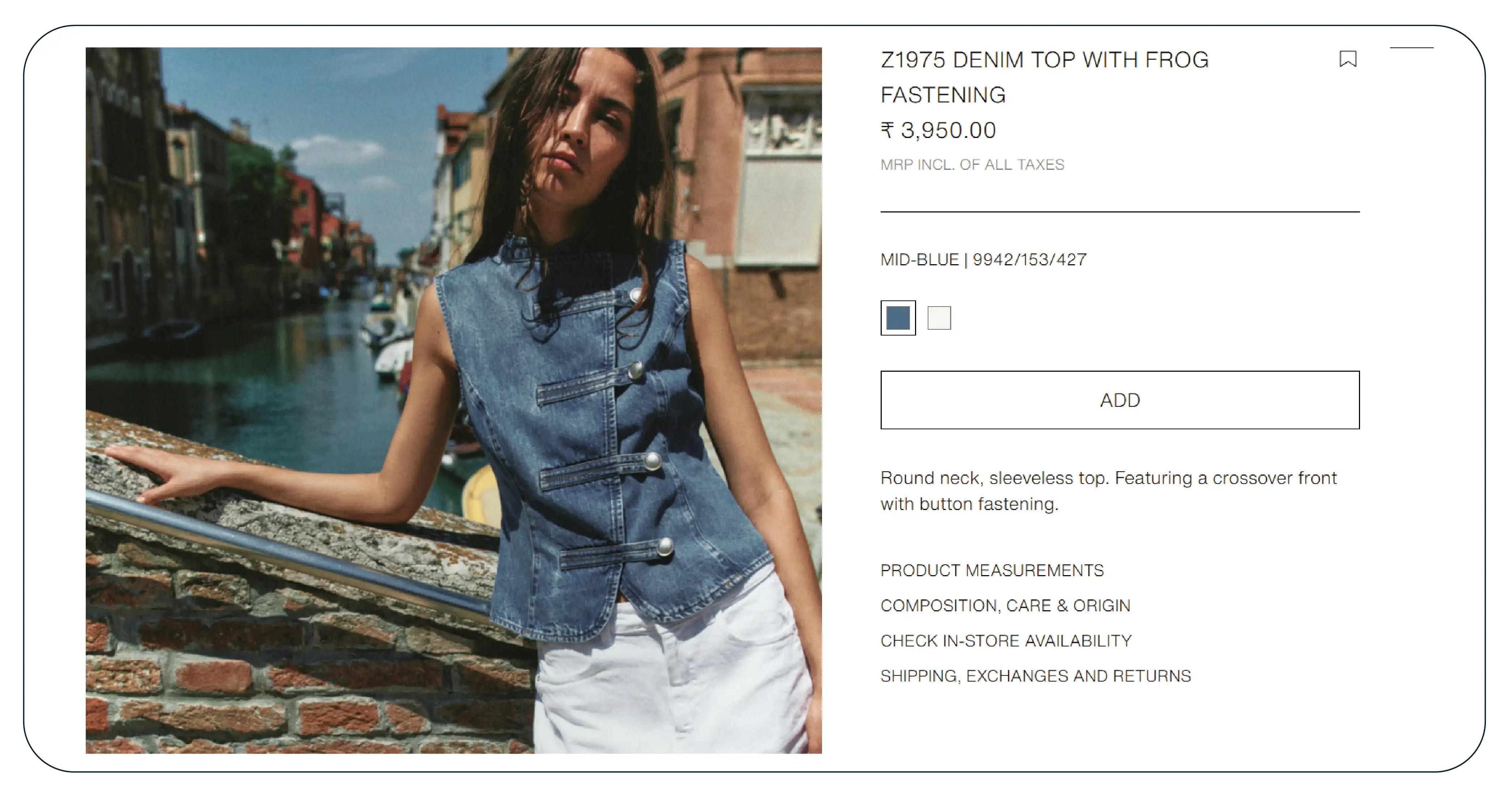
Fashion data is inherently complex because product information does not follow one universal structure. Gucci may organize products around collections, materials, colors, sizes, and luxury categories, while Zara can introduce and retire styles at a much faster pace. Different websites may also use different category structures, product identifiers, attribute names, pricing formats, and availability indicators.
The client therefore faced several operational bottlenecks. Manual collection required researchers to repeatedly visit individual product pages, identify relevant attributes, record changes, and reconcile information between sources. This process became increasingly difficult as product volumes and monitoring frequency increased.
Data quality was another challenge. The same type of attribute could appear under different labels, while product variants could create duplicate or incomplete records. Promotional prices could also change independently from regular prices, making simple product-title comparisons unreliable.
The client additionally needed competitive intelligence rather than isolated product records. DAZN Competitive Fashion & Apparel Intelligence represented the broader requirement to organize brand and market signals into a comparable structure, even when the underlying sources differed.
The challenge was therefore not simply extraction. It involved creating a reliable pipeline that could collect relevant data, normalize it, validate it, and prepare it for recurring fashion intelligence without sacrificing consistency or scalability.
Our Solution
.webp)
The implementation was structured as a phased data-engineering workflow so that each stage addressed a specific operational problem.
Phase 1: Source and Requirement Mapping
The first phase identified the required sources, brands, categories, product attributes, pricing fields, availability indicators, and refresh requirements. Gucci and Zara were treated as key fashion reference points, while the broader dataset structure allowed additional brands and categories to be incorporated when required. The team defined standardized fields such as product name, brand, category, subcategory, product URL, SKU or product identifier where available, current price, original price, discount, color, size, material, availability, ratings, and other accessible attributes.
Phase 2: Automated Data Collection
The next phase introduced automated collection workflows designed around the structure and behavior of each source. Fashion Apparel Data Extraction for Brand requirements were mapped into source-specific extraction rules so that relevant information could be collected consistently. Automation reduced dependence on repetitive manual page checks. Recurring workflows could be configured around the client's monitoring requirements, allowing product information to be refreshed according to an agreed schedule.
Phase 3: Product Normalization
Raw information was transformed into standardized records. Product titles, categories, pricing formats, attributes, and availability values were normalized so that products from different sources could be analyzed using common fields. This stage was especially important for fashion because a single product can have multiple sizes, colors, materials, or promotional states. Variant-level information was separated where required to prevent inaccurate comparisons.
Phase 4: Validation and Quality Controls
Automated and rule-based validation checks were introduced to identify incomplete records, duplicates, invalid values, inconsistent pricing fields, and other quality issues. Records that failed defined validation rules could be flagged for further processing rather than being passed directly into the final dataset. This helped maintain a cleaner analytics layer.
Phase 5: Structured Dataset Delivery
The final information was organized into structured datasets suitable for analytics, reporting, dashboards, and competitive research. The Fashion & Apparel Dataset - Gucci, Zara, DAZN could therefore function as a consolidated intelligence layer rather than a collection of disconnected product records.
Phase 6: Recurring Monitoring
The final phase focused on repeatability. Instead of treating data collection as a one-time activity, the workflow could support recurring snapshots that allow businesses to compare product availability, price changes, assortment movement, and trend signals over time.
Results & Key Metrics
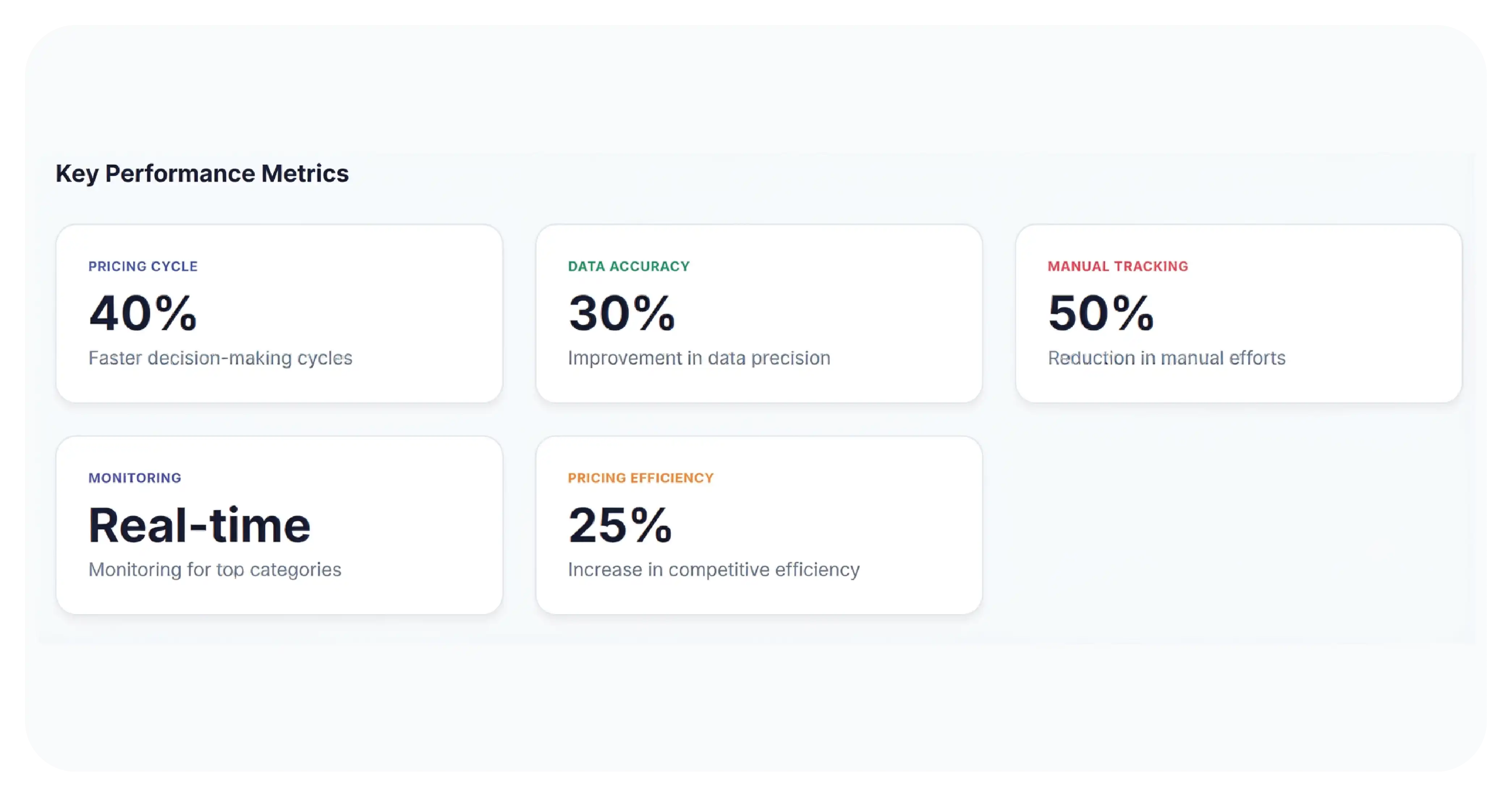
The project was evaluated against operational and data-quality KPIs rather than fabricated financial outcomes. The primary performance measures included:
Data coverage: Number of targeted products, brands, categories, and attributes captured.
Data completeness: Percentage of records containing required product and commercial fields.
Validation quality: Records successfully passing defined quality checks.
Refresh performance: Ability to deliver datasets according to the agreed monitoring schedule.
Duplicate control: Reduction of repeated or conflicting product records.
Analytics readiness: Availability of standardized fields for dashboards and business analysis.
The Fashion Product Listing Dataset for Brand created a consistent foundation for these measurements and enabled the client to assess dataset performance using repeatable criteria.
Results Narrative
The implementation changed the client's workflow from fragmented product research toward a structured data pipeline. Product information from fashion sources could be collected according to predefined requirements, standardized into common fields, and prepared for recurring analysis.
The main operational improvement was consistency. Instead of comparing manually captured records with different structures, analysts could work with normalized datasets containing common product, pricing, category, and availability fields. This made cross-brand research easier to maintain.
The resulting framework also supported historical monitoring. Repeated collection could reveal when products entered or exited an assortment, when prices changed, and when availability shifted. These capabilities provided a stronger foundation for competitive analysis, assortment research, and fashion trend monitoring.
What Made Product Data Scrape Different
The key differentiator was the focus on turning raw fashion information into an analytics-ready structure rather than simply collecting URLs or product pages. Gucci Data Scraping requirements, for example, can involve detailed product attributes and collection information that need careful normalization before comparison with other brands.
The workflow combines automated extraction, source-specific parsing, product normalization, validation, duplicate management, and structured delivery. This makes the resulting data more useful for organizations that need recurring intelligence instead of one-time research.
The Best Fashion Product Data Extraction API approach can also support organizations that want product information delivered programmatically into their own analytics environments. Depending on requirements, datasets can be structured for dashboards, databases, business intelligence platforms, or internal applications.
The framework is designed to scale across brands, categories, marketplaces, countries, and product attributes while maintaining a consistent data model.
Client's Testimonial
"The structured fashion product data workflow gave our team a more consistent way to analyze product assortment, pricing, and availability across different brands. Instead of relying on fragmented manual research, we could work with standardized records designed for recurring analysis. The combination of automated collection, normalization, and validation made it easier for our analysts to compare fashion products and identify changes over time. The flexibility of the dataset structure was particularly useful because our research requirements continued to evolve across brands and categories."
— Head of E-Commerce Intelligence, Confidential Fashion & Retail Organization
The Zara E-commerce Product Dataset was particularly useful within the client's broader product intelligence workflow because it provided a structured reference for analyzing fashion assortment and commercial attributes.
Conclusion
Fashion businesses increasingly require structured product intelligence to understand rapidly changing assortments, pricing, availability, and consumer-facing trends. A scalable data framework can help organizations compare brands such as Gucci and Zara while maintaining consistent product-level information across multiple sources.
The project demonstrated how automated collection, normalization, validation, and recurring delivery can transform fragmented fashion information into an analytics-ready resource. The E-Commerce Scraper workflow can support broader product monitoring requirements, while Price monitoring can help businesses track commercial changes across products and brands.
For organizations building fashion intelligence programs, structured datasets provide a foundation for competitive benchmarking, assortment planning, trend research, and historical analysis.
You can also reach us for all your mobile app scraping, data collection, web scraping, and instant data scraper service requirements!
FAQs
1. What information can a fashion and apparel dataset contain?
A fashion dataset can include product names, brands, categories, SKUs, URLs, prices, discounts, colors, sizes, materials, availability, ratings, reviews, and other accessible product attributes. Fields can be customized according to the research objective.
2. How can Gucci and Zara product data support competitive research?
Gucci and Zara represent different fashion positioning and assortment models. Structured product data can help analysts compare categories, pricing, product attributes, availability, collection changes, and promotional activity using standardized fields.
3. Can fashion product data be collected on a recurring basis?
Yes. Recurring workflows can be configured according to business requirements, allowing datasets to be refreshed periodically. Historical snapshots can then support analysis of product, pricing, and availability changes over time.
4. Why is product normalization important for fashion data?
Fashion products can contain multiple variants, sizes, colors, materials, and promotional prices. Normalization creates consistent fields and reduces duplicate or misleading comparisons when products from different brands and sources are analyzed together.
5. Can Product Data Scrape create customized fashion datasets?
Yes. A customized dataset can be designed around selected brands, marketplaces, categories, locations, product attributes, pricing fields, availability indicators, and refresh frequencies, depending on the client's data requirements and permitted sources.


 Singapore
 EMAIL
EMAIL
 PHONE
PHONE


.webp)
.webp "thumb")
.webp "thumb")
.webp "thumb")








.webp)