Introduction
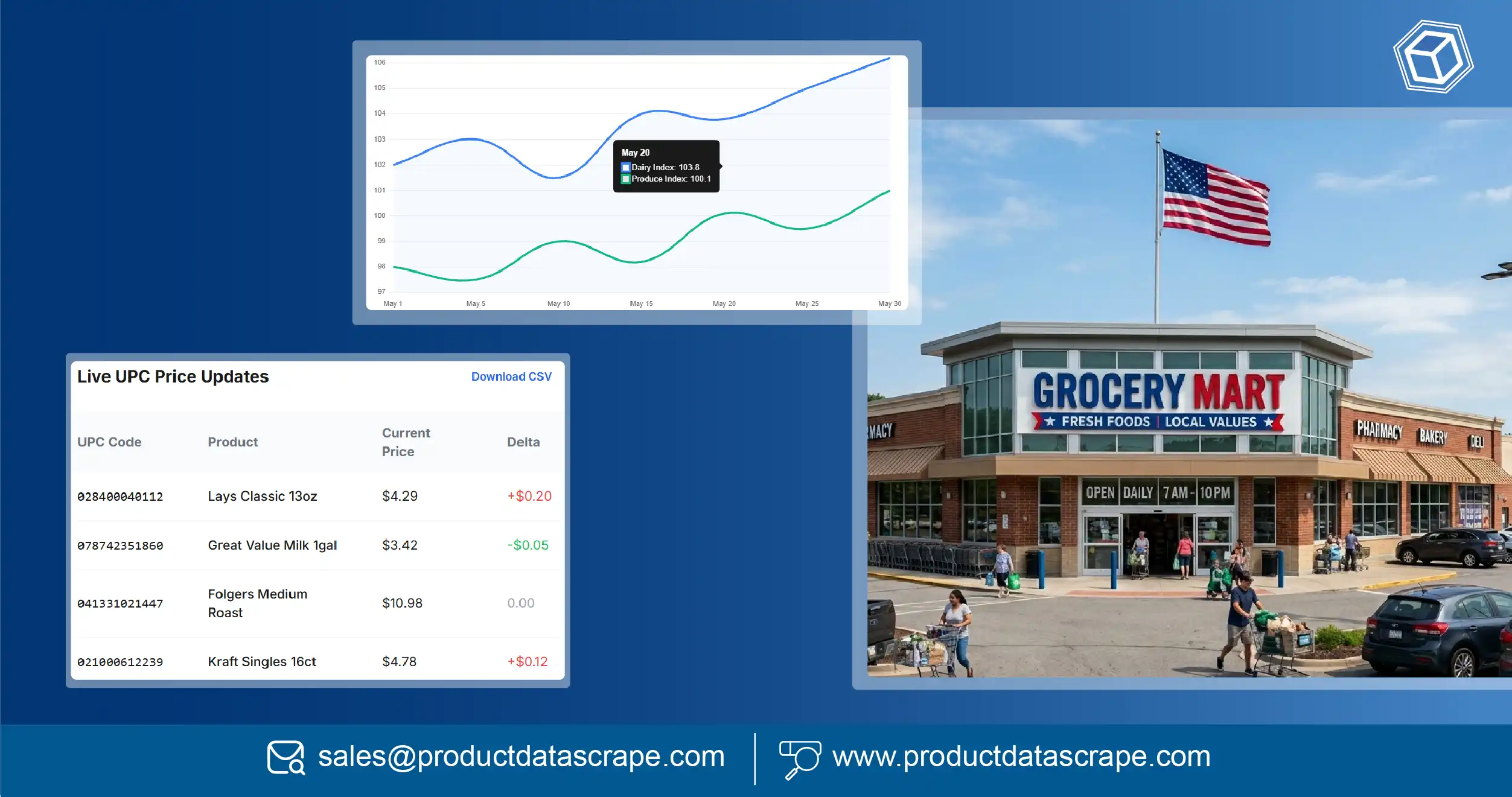
In today’s competitive retail environment, pricing plays a critical role in
influencing consumer decisions and driving profitability. Retailers and brands must constantly
monitor pricing trends to stay ahead of competitors and respond to market fluctuations. This is
where Scrape Daily US Grocery Pricing Data with UPC codes becomes essential. By leveraging
UPC-level data, businesses can track identical products across multiple retailers, ensuring
accurate price comparisons and insights.
Another powerful capability is Extract Grocery & Gourmet Food Data,
which
enables companies to gather structured information on product pricing, availability, and
promotions. These insights help businesses understand consumer demand, identify pricing gaps,
and optimize strategies. With access to daily data, organizations can make informed decisions,
improve margins, and enhance competitiveness. This blog explores how UPC-based grocery pricing
data can be leveraged to track market trends and drive smarter pricing strategies.
Building SKU-Level Pricing Visibility
Accurate pricing analysis begins at the SKU level. By using US Grocery SKU
Price Monitoring With UPC Codes combined with Product Price
Data Scraping, businesses can track
identical products across multiple retailers with precision.
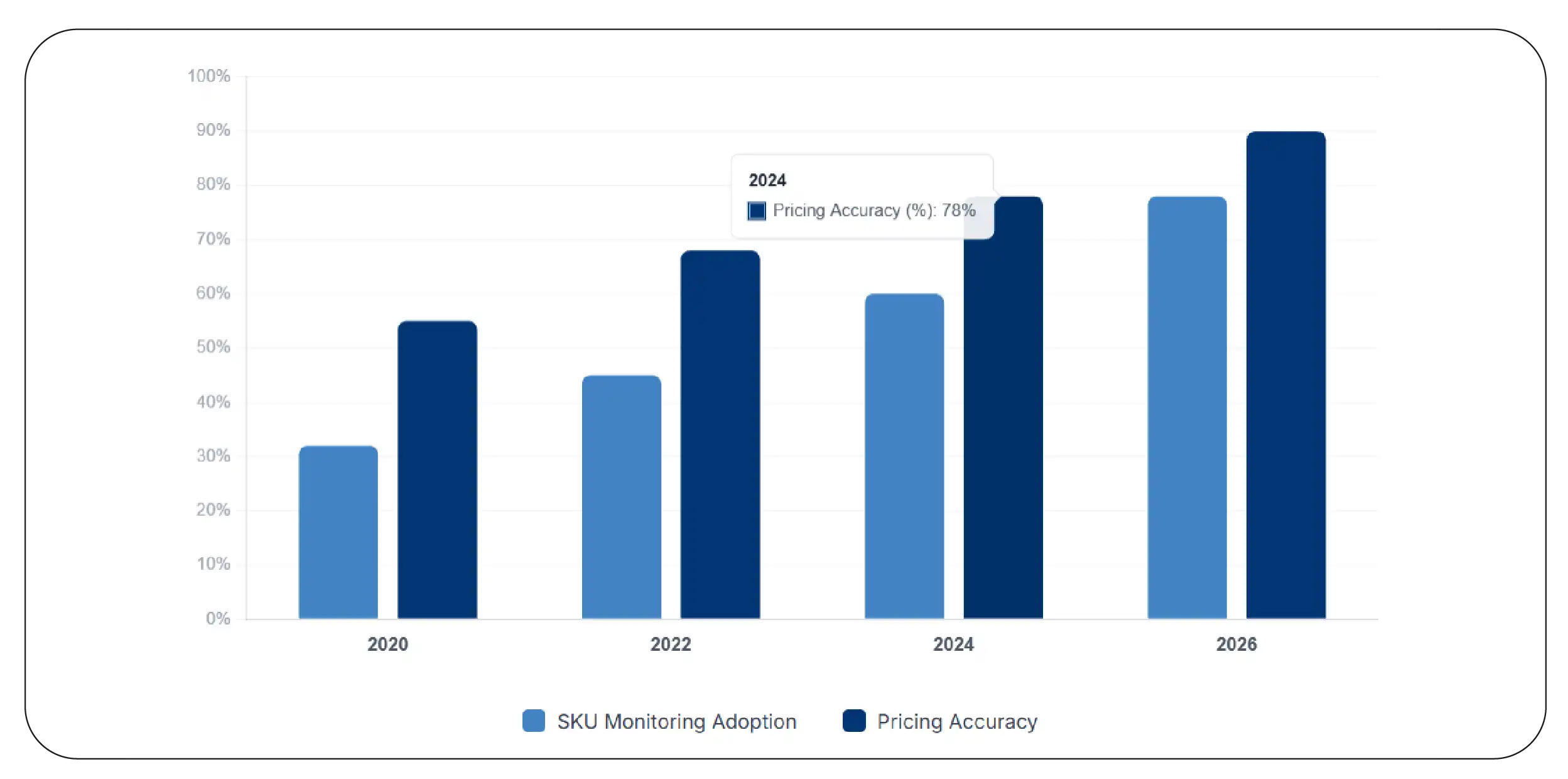
From 2020 to 2026, SKU-level monitoring adoption has increased significantly.
| Year |
SKU Monitoring Adoption (%) |
Pricing Accuracy (%) |
| 2020 |
32% |
55% |
| 2022 |
45% |
68% |
| 2024 |
60% |
78% |
| 2026 |
78% |
90% |
This approach eliminates inconsistencies caused by product naming variations.
UPC codes ensure that the same product is compared across platforms, enabling accurate
benchmarking. Businesses can identify pricing gaps, monitor competitor strategies, and adjust
prices dynamically. SKU-level visibility is essential for maintaining competitiveness and
improving profitability in the grocery sector.
Transforming Data into Strategic Intelligence
Turning raw data into actionable insights is key to success. With US Grocery
Pricing Data Intelligence with UPC data and Price Monitoring
Services, businesses can analyze
trends and make informed decisions.
Between 2020 and 2026, the use of pricing intelligence has grown rapidly.
| Year |
Intelligence Adoption (%) |
Decision Accuracy (%) |
| 2020 |
35% |
50% |
| 2022 |
50% |
65% |
| 2024 |
65% |
78% |
| 2026 |
82% |
90% |
These insights enable businesses to identify high-demand products, optimize pricing
strategies, and improve customer engagement. By leveraging advanced analytics, companies can
anticipate market changes and stay ahead of competitors. Pricing intelligence transforms data
into a powerful tool for growth.
Comparing National and Regional Pricing Trends
Understanding pricing variations across regions is crucial for effective
strategy development. Using National & Regional Grocery chain pricing data scraping along with
Digital Shelf Analytics, businesses can analyze how
prices differ across locations.
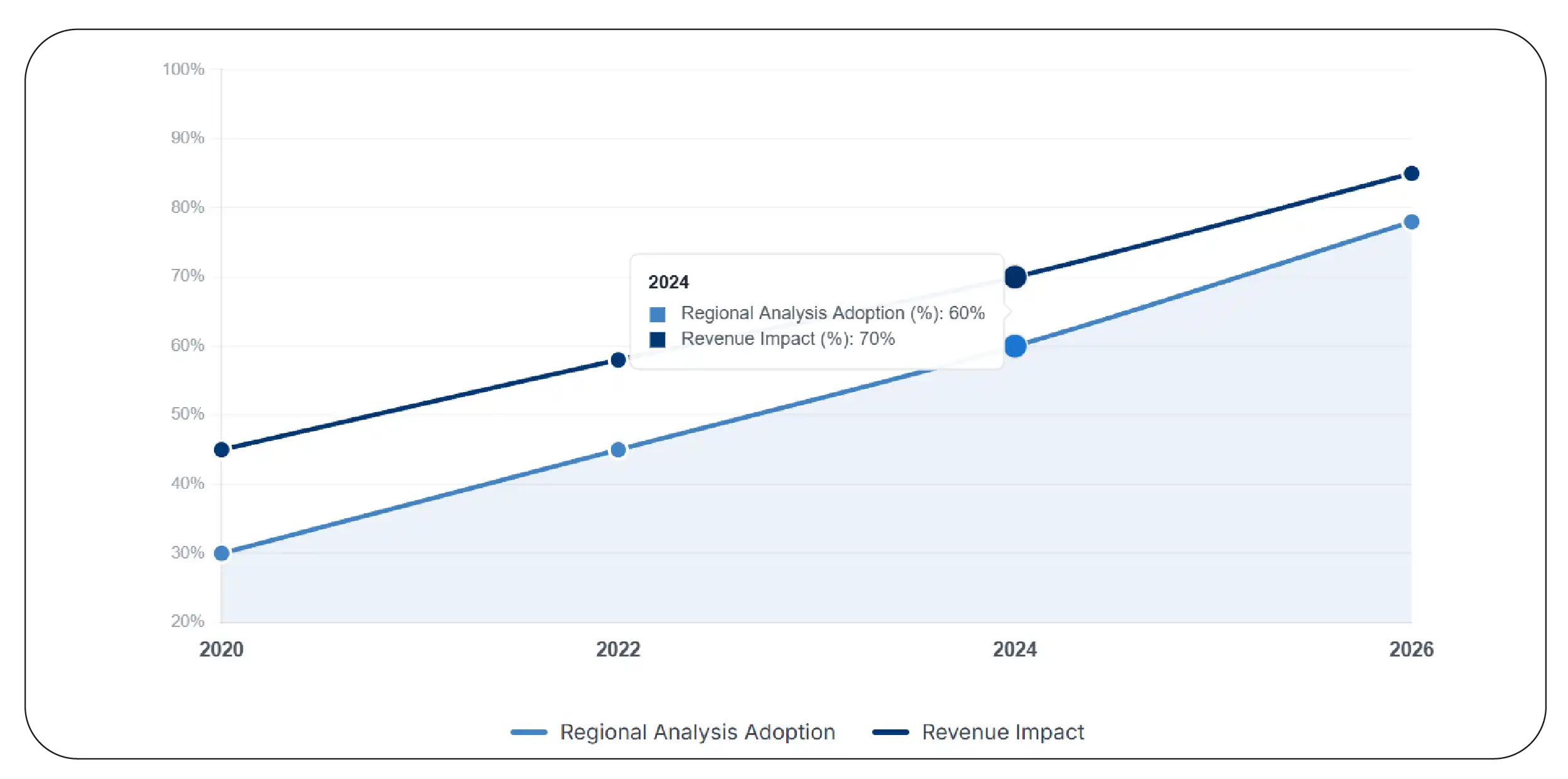
From 2020 to 2026, regional pricing analysis has become increasingly important.
| Year |
Regional Analysis Adoption (%) |
Revenue Impact (%) |
| 2020 |
30% |
45% |
| 2022 |
45% |
58% |
| 2024 |
60% |
70% |
| 2026 |
78% |
85% |
This data helps businesses identify regional demand patterns and adjust pricing
accordingly. For example, products may be priced higher in urban areas compared to rural regions. By
understanding these differences, companies can optimize pricing strategies and improve
profitability.
Leveraging Barcode-Level Insights for Precision
Barcode-level analysis provides unmatched precision in pricing strategies. With
Barcode Level Pricing Intelligence Supermarkets, businesses can track product prices at the most
granular level.
Between 2020 and 2026, barcode-level tracking has significantly improved pricing
accuracy.
| Year |
Barcode Tracking Adoption (%) |
Accuracy Improvement (%) |
| 2020 |
28% |
50% |
| 2022 |
42% |
62% |
| 2024 |
58% |
75% |
| 2026 |
75% |
88% |
This approach ensures that businesses can compare identical products across
multiple retailers without ambiguity. It also helps identify pricing discrepancies and optimize
strategies. Barcode-level insights are essential for achieving precision in competitive markets.
Enabling Real-Time Pricing Decisions
Real-time data is critical for responding to market changes بسرعة. Using Real time
Grocery Price Scraping API with Barcode Level data, businesses can access up-to-date pricing
information.
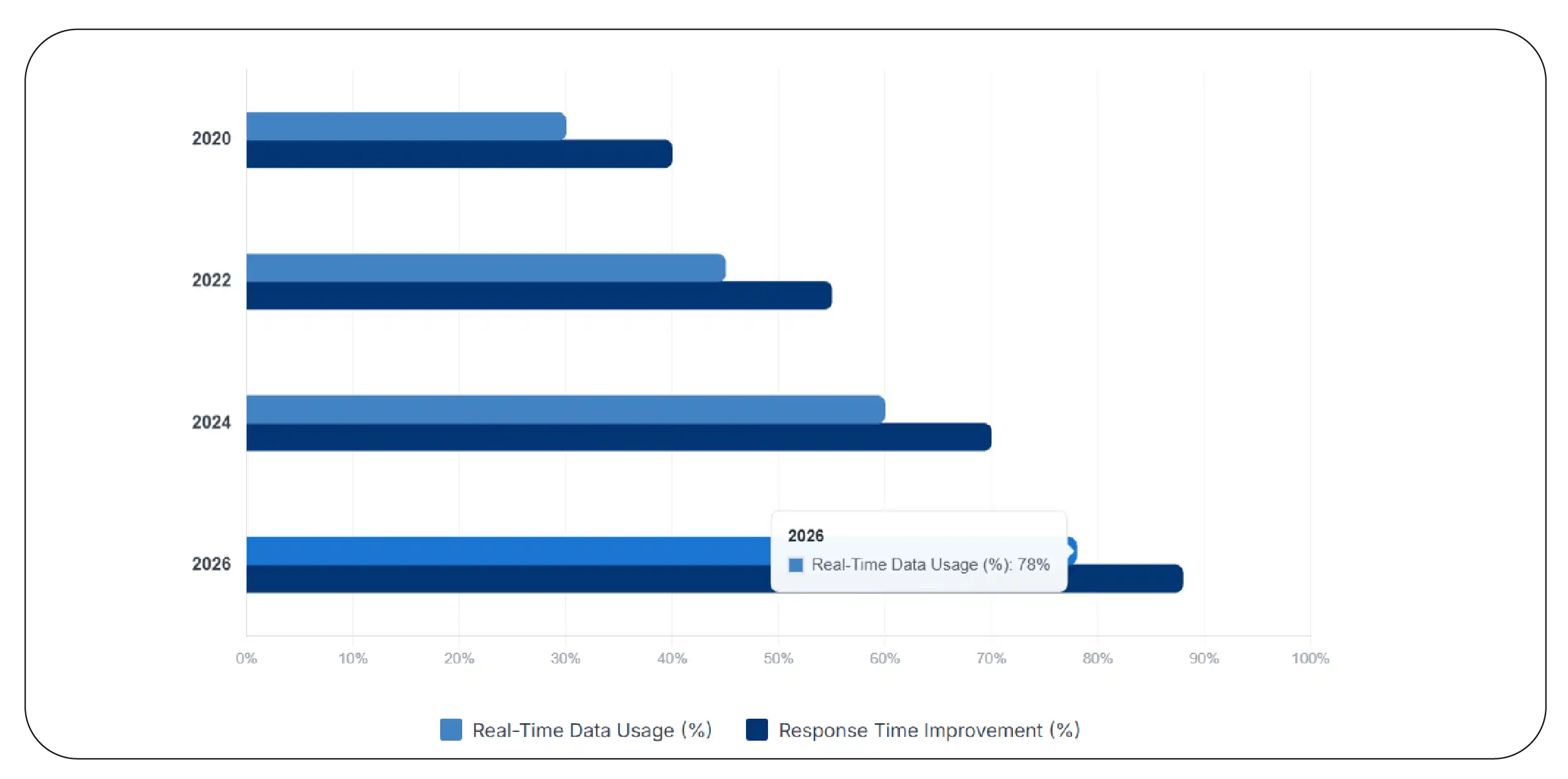
From 2020 to 2026, real-time data adoption has increased significantly.
| Year |
Real-Time Data Usage (%) |
Response Time Improvement (%) |
| 2020 |
30% |
40% |
| 2022 |
45% |
55% |
| 2024 |
60% |
70% |
| 2026 |
78% |
88% |
Real-time insights enable businesses to adjust prices instantly, respond to
competitor actions, and optimize promotions. This agility is crucial for maintaining competitiveness
in the grocery sector. Companies that leverage real-time data can achieve better outcomes and
improve profitability.
Building Comprehensive Pricing Datasets
Comprehensive datasets are essential for long-term strategy development. With US
Grocery Pricing Dataset with UPC codes, businesses can access structured data for analysis and
decision-making.
Between 2020 and 2026, dataset utilization has grown significantly.
| Year |
Dataset Usage (%) |
Strategic Impact (%) |
| 2020 |
35% |
50% |
| 2022 |
50% |
65% |
| 2024 |
65% |
78% |
| 2026 |
82% |
90% |
These datasets provide insights into pricing trends, demand patterns, and
competitor strategies. By leveraging comprehensive data, businesses can optimize pricing, improve
margins, and enhance customer satisfaction. Structured datasets are a valuable asset for achieving
sustainable growth.
Why Choose Product Data Scrape?
Businesses seeking reliable data solutions trust Product Data Scrape for advanced analytics and
insights. With expertise to Track National and Regional Grocery Pricing Data using UPC Codes,
companies can gain a competitive edge. By leveraging Scrape Daily US Grocery Pricing Data with UPC
codes, Product Data Scrape delivers accurate, scalable, and actionable datasets tailored to business
needs. This ensures smarter pricing strategies, improved decision-making, and sustained growth in
competitive markets.
Conclusion
In the dynamic grocery industry, data-driven pricing strategies are essential for
success. By leveraging Scrape Daily US Grocery Pricing Data with UPC codes, businesses can gain
valuable insights into market trends and competitor behavior. With access to comprehensive Grocery store dataset, companies can optimize pricing,
improve margins, and enhance customer satisfaction.
Product Data Scrape empowers businesses with advanced data solutions and actionable
insights.
Ready to transform your pricing strategy? Partner with Product Data Scrape today
and unlock the full potential of data-driven retail intelligence!
FAQs
1. What is UPC-based grocery pricing data?
It refers to tracking product prices using unique UPC codes, ensuring accurate comparisons across
retailers and enabling better pricing strategies.
2. Why is daily pricing data important?
Daily data helps businesses monitor trends, respond to market changes, and optimize pricing
strategies effectively.
3. How does data scraping improve pricing decisions?
Data scraping provides structured insights into competitor pricing, enabling businesses to make
informed decisions.
4. What tools are used for grocery data scraping?
APIs, automation tools, and analytics platforms are commonly used for efficient data extraction.
5. How can Product Data Scrape help businesses?
Product Data Scrape offers reliable datasets and analytics solutions to optimize pricing strategies
and improve competitiveness.


 Singapore
 EMAIL
EMAIL
 PHONE
PHONE


.webp "thumb")








.webp)