Introduction
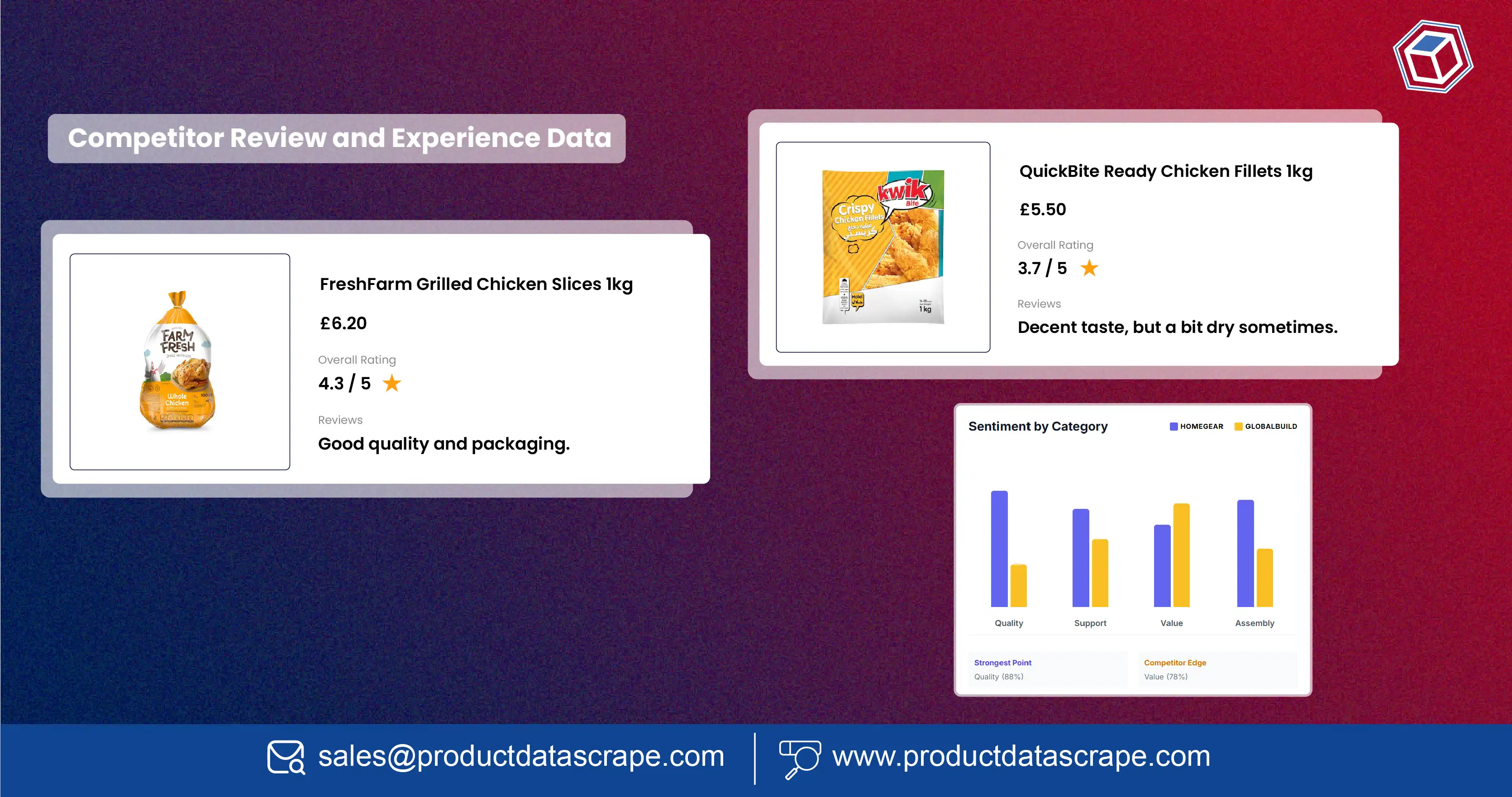
In today’s hyper-digital marketplace, customer perception defines brand success more than traditional advertising or pricing strategies. Businesses are now operating in an environment where every review, rating, and comment directly influences purchasing decisions. That is why Competitor Review Monitoring for Sentiment Dashboard has become a critical capability for modern enterprises looking to improve customer experience and strengthen brand reputation.
Alongside sentiment tracking, Competitor Price Monitoring Services play an equally important role in understanding how pricing affects customer satisfaction and brand positioning. When combined, these data-driven strategies provide a 360-degree view of market behavior, enabling businesses to align pricing, product quality, and customer expectations effectively.
Between 2020 and 2026, online reviews have become one of the strongest purchase drivers globally, influencing more than 90% of consumer decisions in retail and eCommerce. Brands that fail to monitor sentiment in real time risk losing customers to competitors who respond faster and more effectively.
This blog explores how structured review monitoring, sentiment dashboards, and competitor intelligence systems help businesses transform raw feedback into actionable insights for growth, retention, and reputation management.
Unlocking Customer Emotions Through Advanced Review Intelligence
Understanding customer sentiment is the first step toward improving brand experience. With Competitor Sentiment review data analysis and a Scraper to Extract Customer Ratings and Reviews, businesses can collect structured feedback from multiple platforms such as Amazon, Walmart, Google Reviews, and niche marketplaces.
Between 2020 and 2026, global online review volume has grown significantly due to increased digital adoption and eCommerce expansion.
| Year |
Global Review Volume (Billions) |
Growth % |
| 2020 |
2.5 |
— |
| 2022 |
3.6 |
+44% |
| 2024 |
4.5 |
+25% |
| 2026 (Projected) |
5.3 |
+18% |
Sentiment analysis categorizes reviews into positive, neutral, and negative feedback, helping businesses identify recurring issues. For example, repeated negative comments about delivery delays or product durability can signal operational inefficiencies.
By transforming raw review data into structured insights, companies can prioritize improvements, enhance product quality, and increase customer satisfaction. This proactive approach reduces churn and strengthens long-term brand loyalty.
Building Smart Sentiment Dashboards for Real-Time Insights
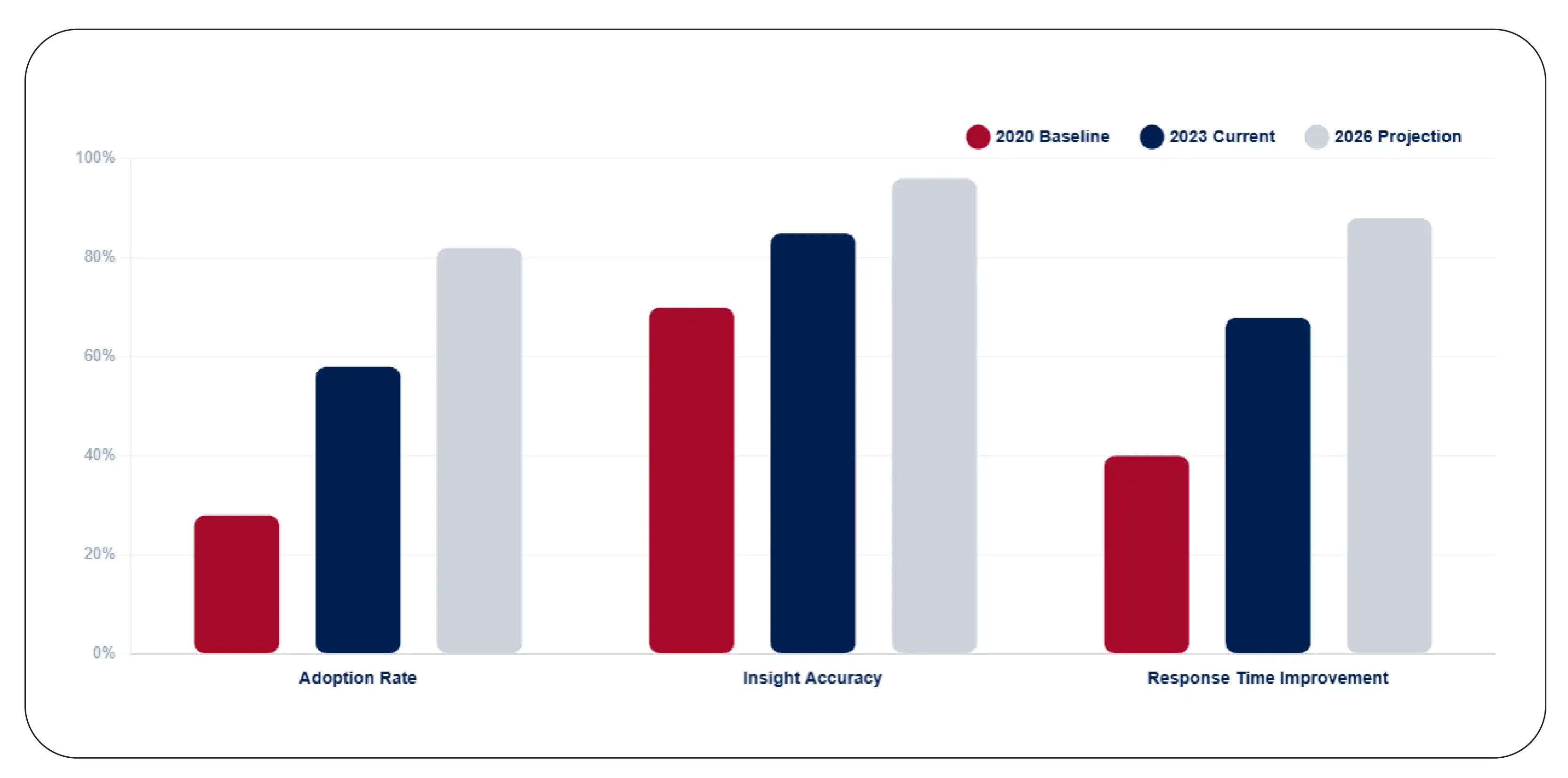
A Sentiment Dashboard for Competitor Review Analytics combined with Web Scraping API Services enables businesses to visualize customer sentiment trends in real time. These dashboards consolidate data from multiple platforms into a single interface, allowing decision-makers to track performance metrics instantly.
Between 2020 and 2026, sentiment dashboard adoption has grown rapidly as businesses shift toward automation and AI-driven analytics.
| Metric |
2020 |
2023 |
2026 (Projected) |
| Adoption Rate |
28% |
58% |
82% |
| Insight Accuracy |
70% |
85% |
96% |
| Response Time Improvement |
40% |
68% |
88% |
These dashboards allow companies to detect sudden spikes in negative sentiment and respond before it escalates into reputational damage. They also help identify successful product features that customers appreciate, enabling businesses to replicate success across product lines.
Tracking Customer Reviews Across Multiple Digital Ecosystems
Modern consumers leave feedback across multiple channels, including eCommerce platforms, social media, forums, and app stores. By using Tracking Customer Reviews data Across Competitor Platforms and Digital Shelf Analytics, businesses can consolidate fragmented data into unified insights.
Between 2020 and 2026, multi-platform review tracking has become essential for competitive intelligence.
| Platform Type |
Review Contribution % |
| eCommerce Stores |
45% |
| Social Media |
32% |
| Review Websites |
23% |
This unified tracking allows businesses to understand how customers perceive products across different environments. For example, a product may have positive reviews on Amazon but negative sentiment on social media due to shipping issues.
By analyzing cross-platform sentiment differences, businesses can quickly identify operational gaps and improve customer experience consistency.
Transforming Review Data Into Strategic Business Intelligence
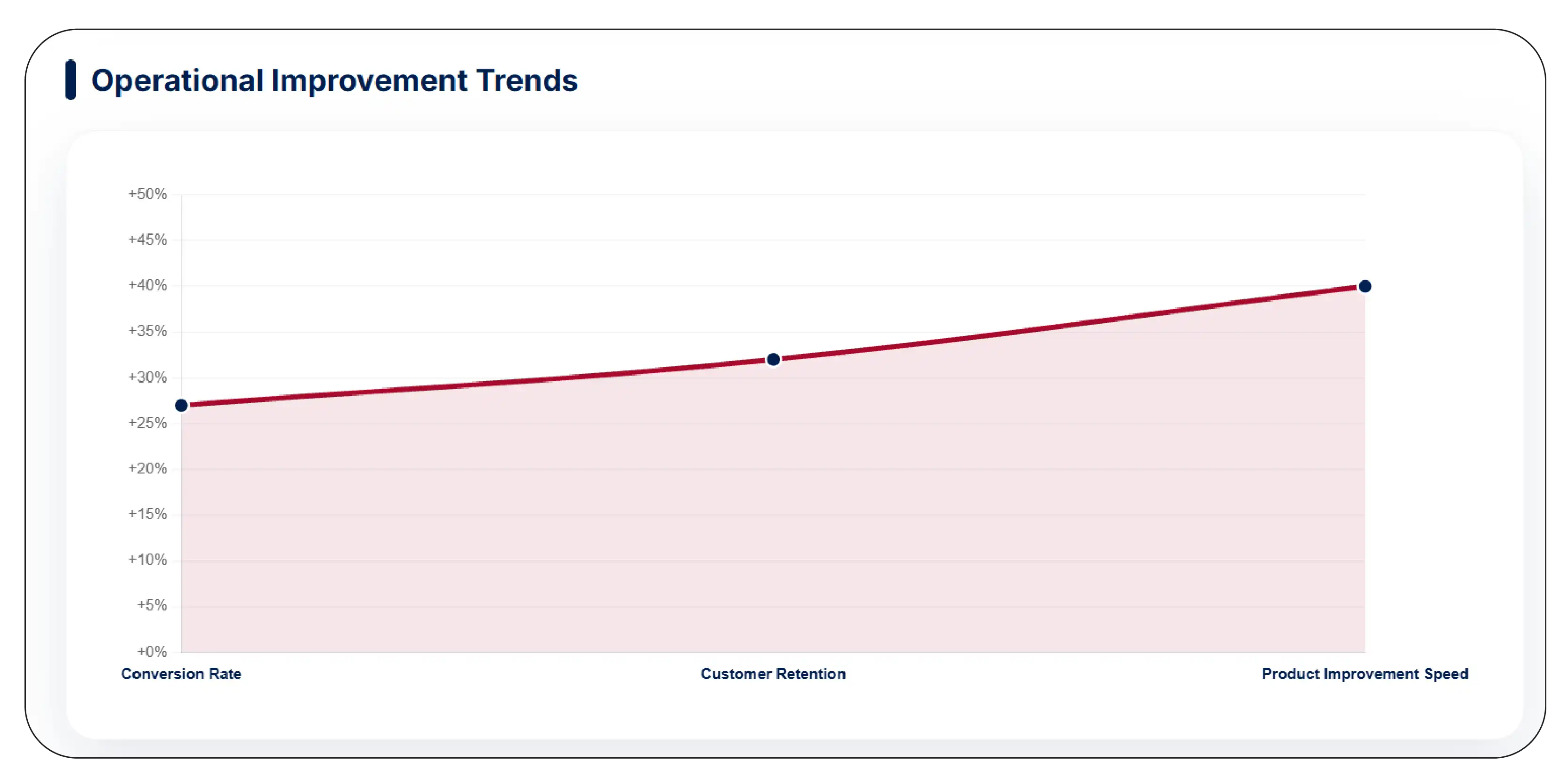
Customer reviews are not just feedback—they are strategic business assets. Using Competitor Review data for Business Insights and a Scraper to Track Competitor Product Pricing and Promotions, companies can connect sentiment data with pricing and promotional strategies.
Between 2020 and 2026, businesses using review-driven decision-making have seen significant improvements in performance metrics.
| Metric |
Improvement |
| Conversion Rate |
+27% |
| Customer Retention |
+32% |
| Product Improvement Speed |
+40% |
For example, if competitors receive positive sentiment due to discounts or fast delivery, businesses can adjust their pricing or logistics strategies accordingly.
This integration of sentiment and pricing intelligence helps companies stay competitive in fast-moving markets.
Enhancing Brand Reputation Through Rating Analytics
Brand reputation is heavily influenced by online ratings and customer feedback. With Competitor Ratings and reviews Data Analytics, businesses can benchmark their performance against industry competitors and identify gaps in customer satisfaction.
Between 2020 and 2026, companies focusing on review analytics have significantly improved their brand reputation scores.
| Year |
Average Rating Score |
Reputation Growth |
| 2020 |
3.7 |
— |
| 2022 |
4.0 |
+8% |
| 2024 |
4.3 |
+10% |
| 2026 (Projected) |
4.6 |
+12% |
Higher ratings directly correlate with increased customer trust and higher conversion rates. Businesses can use this data to identify weak points in customer experience and implement targeted improvements.
Scaling Sentiment Extraction Through Automation
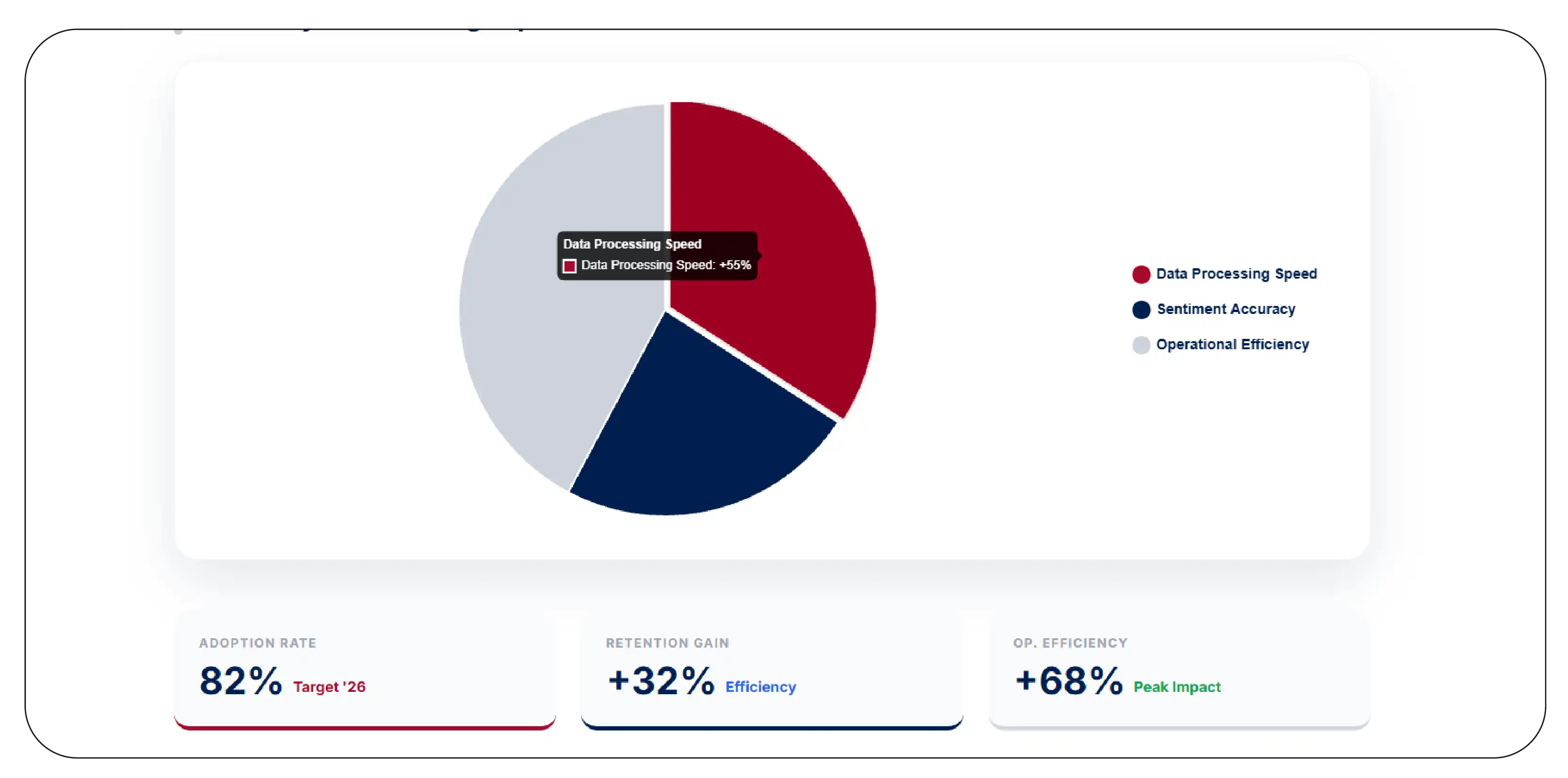
Manual review monitoring is inefficient and cannot keep up with large-scale digital feedback. By using Competitor Review data Extract for Sentiment Dashboard, businesses can automate data collection, classification, and visualization.
Between 2020 and 2026, automation in sentiment analysis has improved efficiency across industries.
| Metric |
Improvement |
| Data Processing Speed |
+55% |
| Sentiment Accuracy |
+38% |
| Operational Efficiency |
+68% |
Automation ensures continuous monitoring of competitor sentiment, enabling businesses to react faster to market changes. This leads to better customer engagement and improved brand loyalty over time.
Why Choose Product Data Scrape?
At Product Data Scrape, we specialize in delivering advanced solutions for Customer Feedback Sentiment Analytics and Competitor Review Monitoring for Sentiment Dashboard. Our systems are designed to extract, process, and analyze large-scale review data across multiple platforms in real time.
We enable businesses to understand customer sentiment at scale, identify competitor weaknesses, and improve product strategies. With accurate and structured data pipelines, organizations can transform raw feedback into actionable intelligence that drives growth and enhances customer experience.
Conclusion
In a highly competitive digital economy, businesses cannot afford to ignore customer sentiment. Leveraging Multi-Platform Review data collection Analysis and Competitor Review Monitoring for Sentiment Dashboard allows organizations to understand customer expectations at a deeper level and respond proactively.
By integrating sentiment intelligence with pricing, product, and operational data, companies can significantly improve customer experience, brand reputation, and revenue performance.
We empower businesses with advanced analytics and real-time insights to stay ahead in competitive markets.
Ready to transform customer feedback into growth opportunities? Contact us today and unlock the power of intelligent sentiment analytics.
FAQs
1. What is Competitor Review Monitoring for Sentiment Dashboard?
It is a system that tracks and analyzes competitor customer reviews to understand sentiment trends, product feedback, and market positioning for better decision-making.
2. How does sentiment analysis improve customer experience?
It identifies customer pain points and satisfaction drivers, allowing businesses to improve products, services, and overall user experience effectively.
3. Why is review data important for businesses?
Review data reveals real customer opinions, helping businesses refine strategies, improve reputation, and increase customer trust and loyalty.
4. Can sentiment dashboards improve business revenue?
Yes, by improving customer satisfaction and optimizing strategies based on insights, businesses can increase conversions and long-term revenue.
5. Why choose Product Data Scrape?
Product Data Scrape provides scalable, accurate, and real-time review data solutions that help businesses analyze sentiment and outperform competitors effectively.


 Singapore
 EMAIL
EMAIL
 PHONE
PHONE












.webp)