Introduction
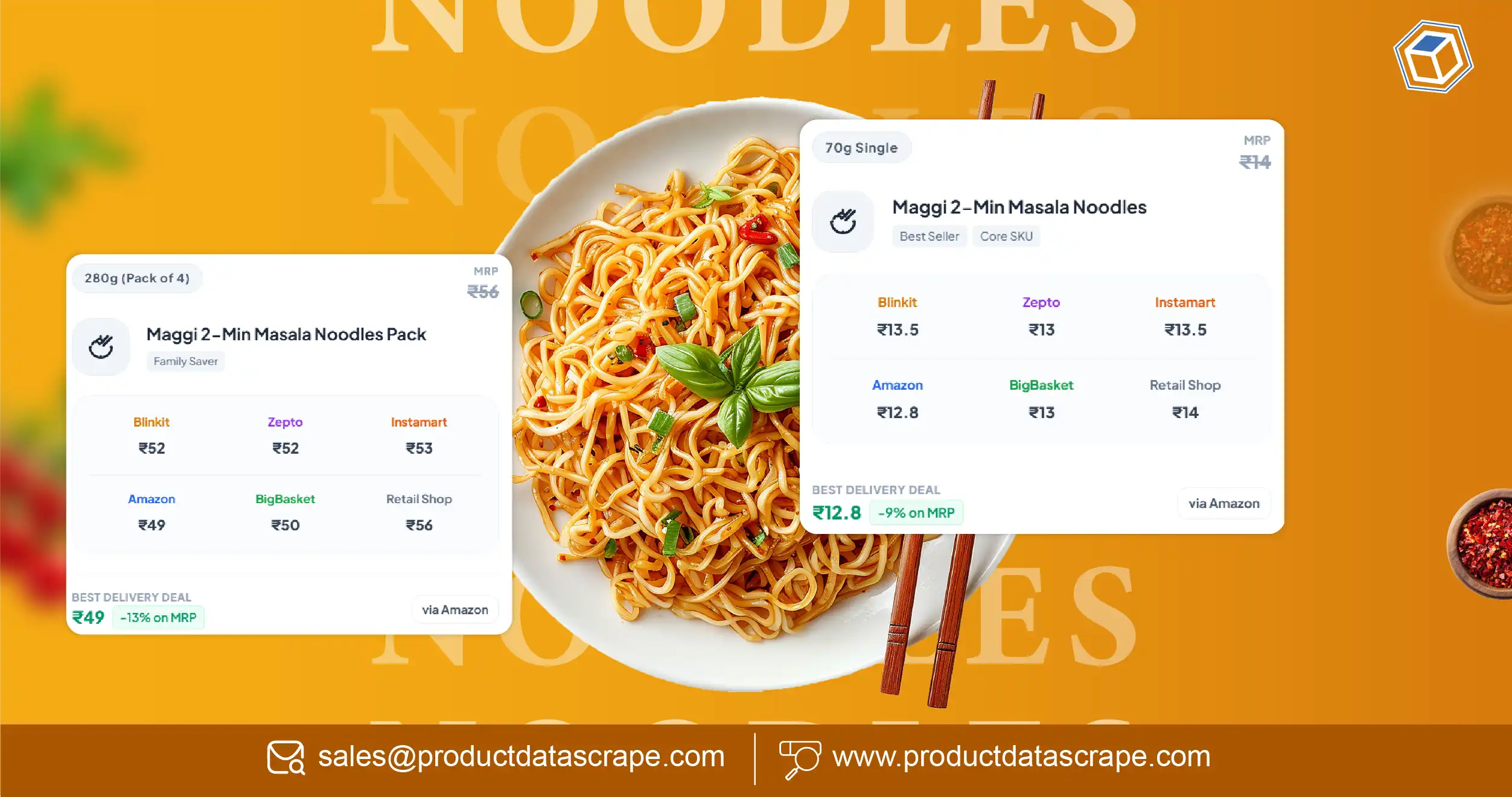
Brands operating in the instant noodles and packaged snacks segment can improve pricing accuracy, increase category visibility, and protect market share through Category Price & Competitor Analytics for FMCG Snacks. By tracking noodle pricing, promotions, assortment shifts, and retailer strategies, brands can make faster and more profitable decisions.
The Indian noodles category, led by brands such as Maggi, Yippee, Top Ramen, Ching's, and Wai Wai, has become increasingly competitive across supermarkets, eCommerce marketplaces, and quick-commerce platforms. Frequent price changes, bundle offers, stock fluctuations, and retailer-specific promotions make it challenging for brands to maintain pricing consistency and category leadership.
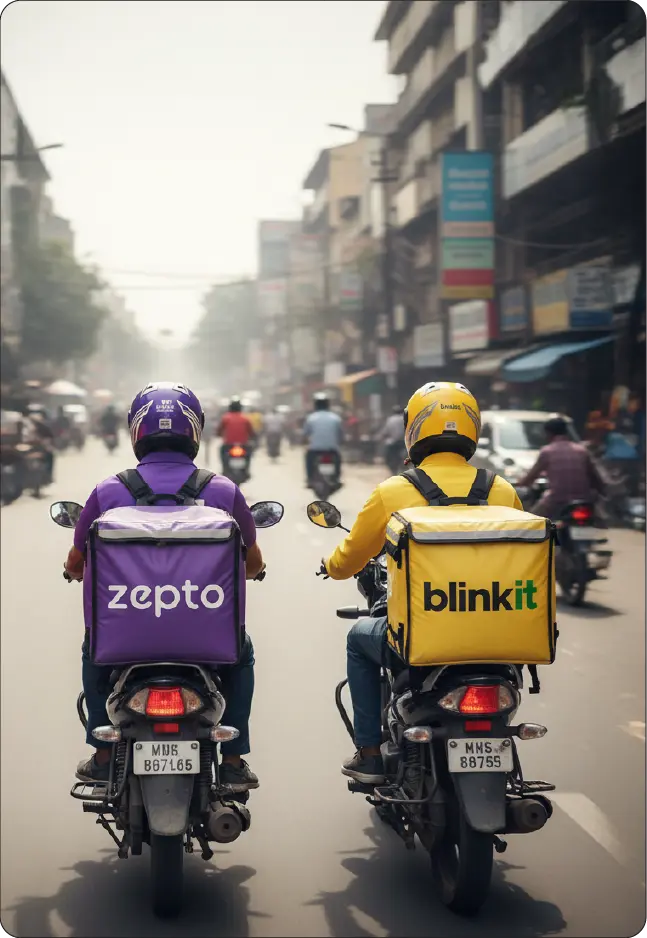
As consumers compare prices across Blinkit, Zepto, Swiggy Instamart, Amazon, BigBasket, and traditional retail stores, brands need real-time visibility into category performance. Combining Competitor price monitoring with advanced category analytics allows manufacturers and retailers to understand how noodle and snack products are priced, promoted, and positioned across channels. These insights help optimize pricing strategies, identify growth opportunities, and strengthen market share in one of the fastest-growing FMCG categories.
How Are Noodle Prices Changing Across Retail Channels?
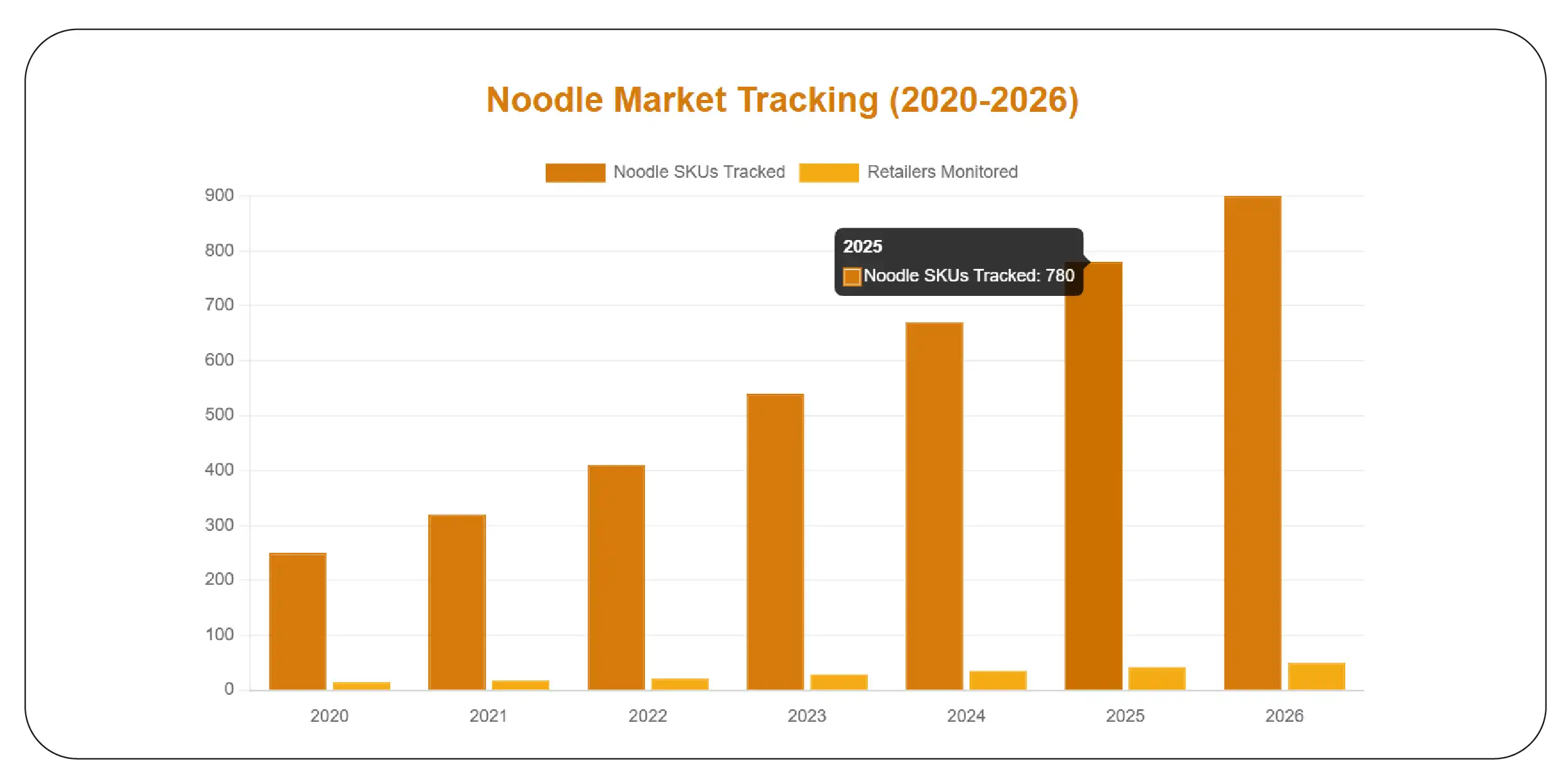
The instant noodle market experiences constant price fluctuations across online marketplaces, quick-commerce apps, supermarkets, and hypermarkets. Tracking these changes is essential for maintaining competitive positioning.
Brands that monitor instant noodle pricing across retailers gain visibility into pricing variations, promotional campaigns, bundle offers, and retailer-specific discounts. Combined with Retail media intelligence, businesses can evaluate how sponsored placements and promotional visibility influence sales performance.
Instant Noodle Pricing Visibility Growth (2020–2026)
| Year |
Noodle SKUs Tracked |
Retailers Monitored |
| 2020 |
250 |
15 |
| 2021 |
320 |
18 |
| 2022 |
410 |
22 |
| 2023 |
540 |
28 |
| 2024 |
670 |
35 |
| 2025 |
780 |
42 |
| 2026 |
900 |
50 |
Key benefits include:
- Tracking retailer-level price differences.
- Identifying promotional pricing trends.
- Measuring the impact of sponsored listings.
- Evaluating discount frequency.
- Optimizing pricing strategies.
For example, a 12-pack noodle bundle may be priced differently on Blinkit compared to Amazon or BigBasket. Retail media placements often amplify these differences by influencing visibility and conversion rates. Brands that monitor pricing continuously can react quickly to competitive moves and avoid losing customers to lower-priced alternatives. These insights also support revenue optimization by ensuring products remain competitively priced without sacrificing margins.
How Can Brands Stay Ahead of Noodle Category Competition?
Competition within the noodles and snack category has intensified significantly. Leading brands frequently adjust prices, launch promotions, and introduce new product variants to attract consumers.
Businesses that monitor competitor prices in the FMCG snacks category can benchmark their pricing against competing products and identify opportunities for strategic adjustments.
Competitor Pricing Activity (2020–2026)
| Year |
Price Changes Captured |
| 2020 |
15,000 |
| 2021 |
22,000 |
| 2022 |
35,000 |
| 2023 |
48,000 |
| 2024 |
65,000 |
| 2025 |
81,000 |
| 2026 |
96,000 |
Organizations gain several advantages:
- Monitoring competitor promotions.
- Tracking multi-pack discounts.
- Benchmarking category pricing.
- Identifying pricing gaps.
- Improving market positioning.
Even minor pricing differences can influence purchasing decisions. A ₹2 reduction in the price of a popular noodle SKU can significantly impact sales volume when multiplied across thousands of transactions. Competitive monitoring enables brands to understand market dynamics and respond proactively rather than reactively. By continuously evaluating competitor strategies, businesses can strengthen category performance and maintain a sustainable competitive advantage.
How Is Quick Commerce Reshaping Noodle Pricing Strategies?
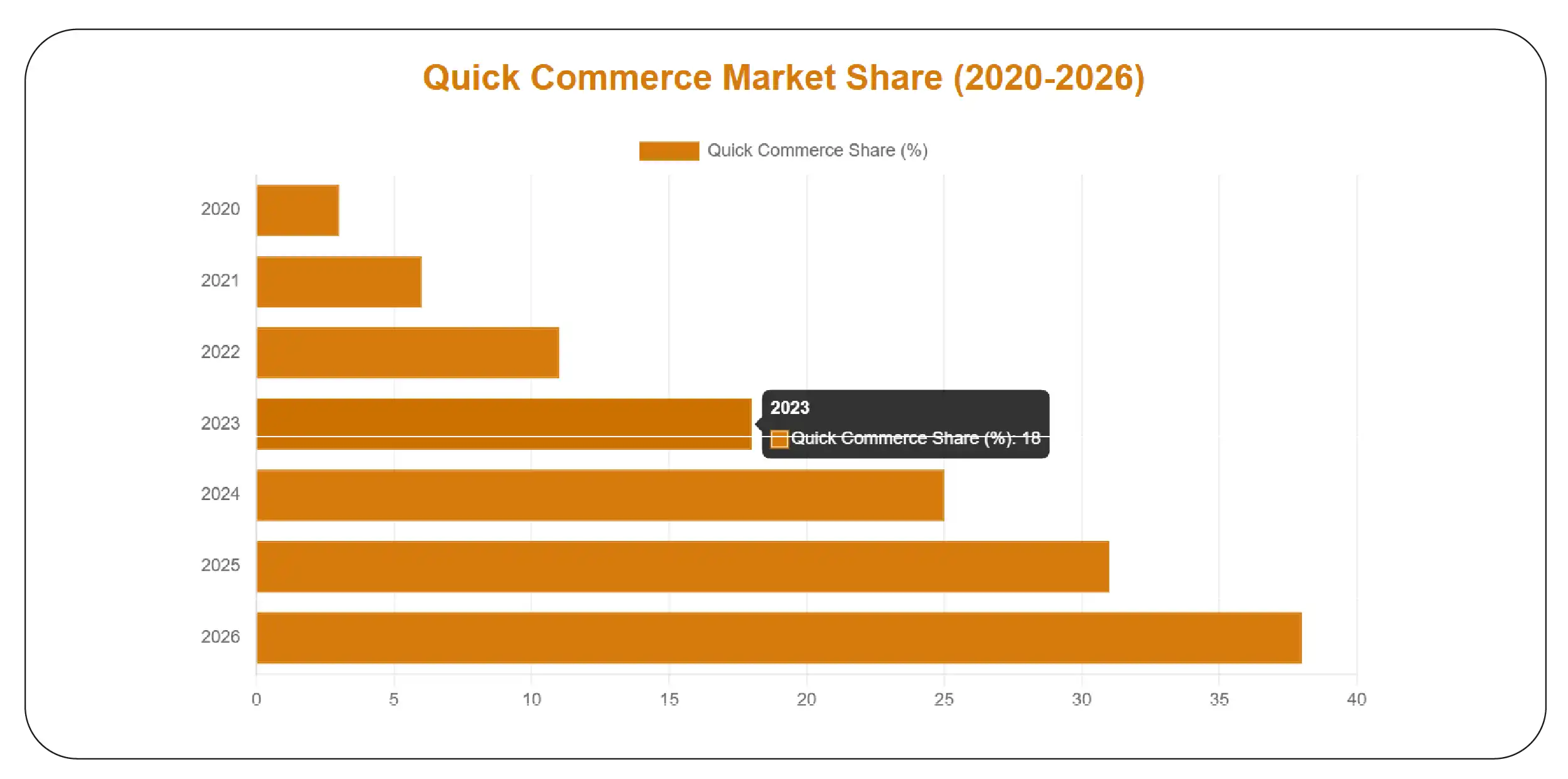
Quick commerce has transformed how consumers purchase noodles and snacks. Shoppers increasingly expect delivery within minutes, creating new pricing and promotion challenges for brands.
The ability to Track Maggi and noodles category-wise pricing Data helps brands understand how products perform across rapid-delivery platforms. Combining this information with Quick Commerce intelligence provides deeper visibility into dynamic pricing behavior and localized promotional strategies.
Quick Commerce Growth in Noodles Category (2020–2026)
| Year |
Quick Commerce Share (%) |
| 2020 |
3% |
| 2021 |
6% |
| 2022 |
11% |
| 2023 |
18% |
| 2024 |
25% |
| 2025 |
31% |
| 2026 |
38% |
Key insights include:
- Monitoring hyperlocal price variations.
- Tracking real-time promotional offers.
- Measuring stock-driven pricing changes.
- Understanding platform-specific strategies.
- Evaluating demand fluctuations.
Platforms frequently adjust prices based on inventory levels, local demand, and promotional campaigns. A noodle product may be discounted in one city while maintaining standard pricing elsewhere. Quick-commerce intelligence enables brands to identify these patterns and optimize pricing accordingly. As consumer reliance on instant delivery continues to grow, real-time visibility becomes increasingly important for maintaining category leadership.
Why Is Multi-Retailer Data Collection Essential?
Consumers purchase noodles and snacks from a wide range of channels. As a result, brands need comprehensive visibility across the entire retail ecosystem.
Businesses that scrape snack category prices across retailers can build a complete picture of market pricing and promotional activity.
Snack Category Coverage Expansion (2020–2026)
| Year |
Snack SKUs Tracked |
| 2020 |
5,500 |
| 2021 |
7,200 |
| 2022 |
9,800 |
| 2023 |
12,600 |
| 2024 |
15,400 |
| 2025 |
18,200 |
| 2026 |
21,500 |
Major benefits include:
- Cross-channel price comparisons.
- Retail-specific promotion tracking.
- Regional pricing analysis.
- Category benchmarking.
- Improved decision-making.
Price variations often occur between supermarkets, marketplaces, and quick-commerce platforms. By collecting data from multiple sources, brands can identify inconsistencies and adjust strategies accordingly. Multi-retailer intelligence also helps businesses evaluate the effectiveness of pricing policies and promotional investments. These insights are critical for maximizing sales performance and ensuring consistent market positioning.
How Can Brands Benchmark Pricing Across Multiple Retailers?
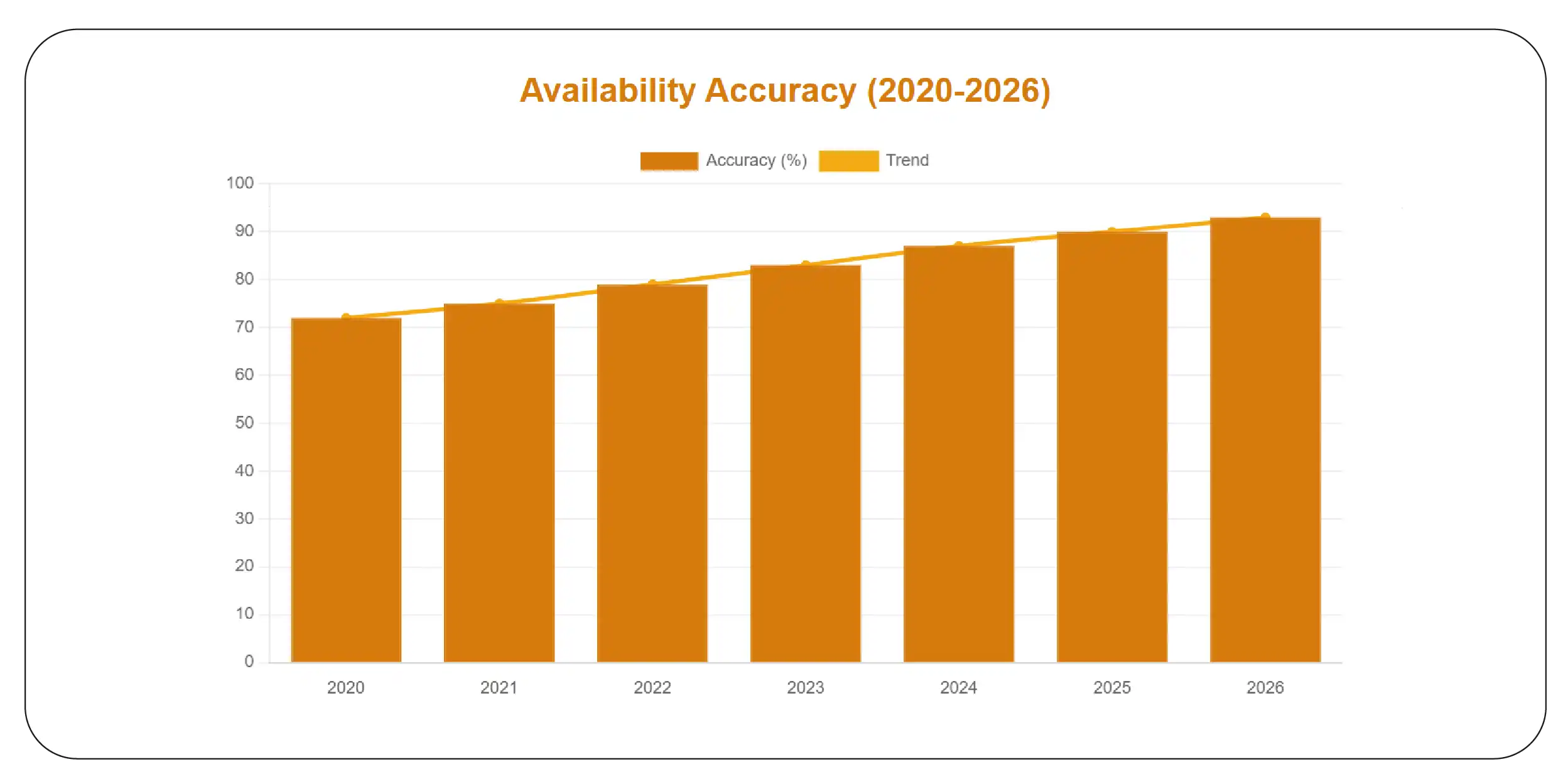
Effective benchmarking allows brands to understand how their products compare against competitors across different channels.
Organizations that Compare FMCG Snacks brand pricing across multiple retailers can gain a detailed view of market positioning while using Assortment and availability monitoring to understand how stock levels influence pricing performance.
Availability and Pricing Benchmark Trends (2020–2026)
| Year |
Availability Accuracy (%) |
| 2020 |
72% |
| 2021 |
75% |
| 2022 |
79% |
| 2023 |
83% |
| 2024 |
87% |
| 2025 |
90% |
| 2026 |
93% |
Key benchmarking metrics include:
- Shelf price comparisons.
- Promotion frequency tracking.
- Availability analysis.
- Category ranking evaluation.
- Retail coverage assessment.
For instance, if a noodle SKU consistently goes out of stock on a major platform, consumers may switch to competing brands. Monitoring assortment and availability helps identify these risks early. Brands can then work with retailers to improve stock levels and maintain sales momentum. Benchmarking also provides valuable context for evaluating promotional performance and optimizing pricing strategies.
What Do Category Trends Reveal About Future Growth?
Assortment analysis provides valuable insights into consumer demand and category evolution. The noodles segment has expanded considerably due to innovation in flavors, formats, and health-focused offerings.
Brands that analyze noodles category assortment and pricing trends can identify emerging opportunities and make more informed product decisions.
Noodles Assortment Expansion (2020–2026)
| Year |
Noodle SKUs Available |
| 2020 |
420 |
| 2021 |
490 |
| 2022 |
570 |
| 2023 |
650 |
| 2024 |
760 |
| 2025 |
870 |
| 2026 |
980 |
Insights generated include:
- SKU growth tracking.
- Product launch monitoring.
- Premium category analysis.
- Flavor trend identification.
- Pricing evolution assessment.
The rise of cup noodles, premium variants, and healthier alternatives reflects changing consumer preferences. Brands that understand these trends can allocate resources more effectively and prioritize high-growth opportunities. Assortment intelligence also helps businesses optimize pricing structures and improve category profitability over time.
Why Choose Product Data Scrape?
Success in the noodles and snack category requires timely, accurate, and actionable data. Product Data Scrape helps brands gain a competitive advantage through advanced Price monitoring and comprehensive Category Price & Competitor Analytics for FMCG Snacks.
Our solutions help businesses:
- Track noodle pricing across retailers.
- Monitor competitor promotions.
- Analyze category-level trends.
- Benchmark product performance.
- Improve pricing decisions.
With automated data collection and powerful analytics, brands can quickly identify market opportunities, strengthen category strategies, and improve profitability across retail and quick-commerce channels.
Conclusion
The noodles and snacks market continues to evolve rapidly due to changing consumer preferences, retailer competition, and quick-commerce expansion. Leveraging Quick commerce & FMCG data allows brands to optimize pricing, benchmark competitors, and improve category performance. Through Category Price & Competitor Analytics for FMCG Snacks, organizations gain the visibility needed to drive growth, protect market share, and improve profitability.
Partner with Product Data Scrape today to unlock real-time noodle and snack category intelligence, strengthen competitive positioning, and make smarter pricing decisions across every retail channel.
FAQs
1. Why is noodle category price monitoring important?
Noodle category price monitoring helps brands understand retailer pricing trends, promotional activity, and competitor strategies. These insights support better pricing decisions and improved market competitiveness.
2. How does competitor analytics improve market share?
Competitor analytics reveals pricing gaps, promotion frequency, and assortment differences. Brands can use these insights to optimize strategies and respond more effectively to competitive market changes.
3. What role does quick commerce play in noodle pricing?
Quick-commerce platforms frequently adjust prices based on inventory, location, and demand. Monitoring these changes helps brands maintain competitive pricing and maximize sales opportunities.
4. How does assortment monitoring benefit snack brands?
Assortment monitoring provides visibility into SKU availability, product launches, and category growth trends. Brands can identify opportunities, improve inventory planning, and enhance customer satisfaction.
5. What data points are included in pricing analytics?
Pricing analytics typically includes product prices, discounts, promotions, stock availability, assortment coverage, retailer comparisons, and competitor benchmarking metrics across multiple sales channels.


 Singapore
 EMAIL
EMAIL
 PHONE
PHONE











.webp)