Quick Overview
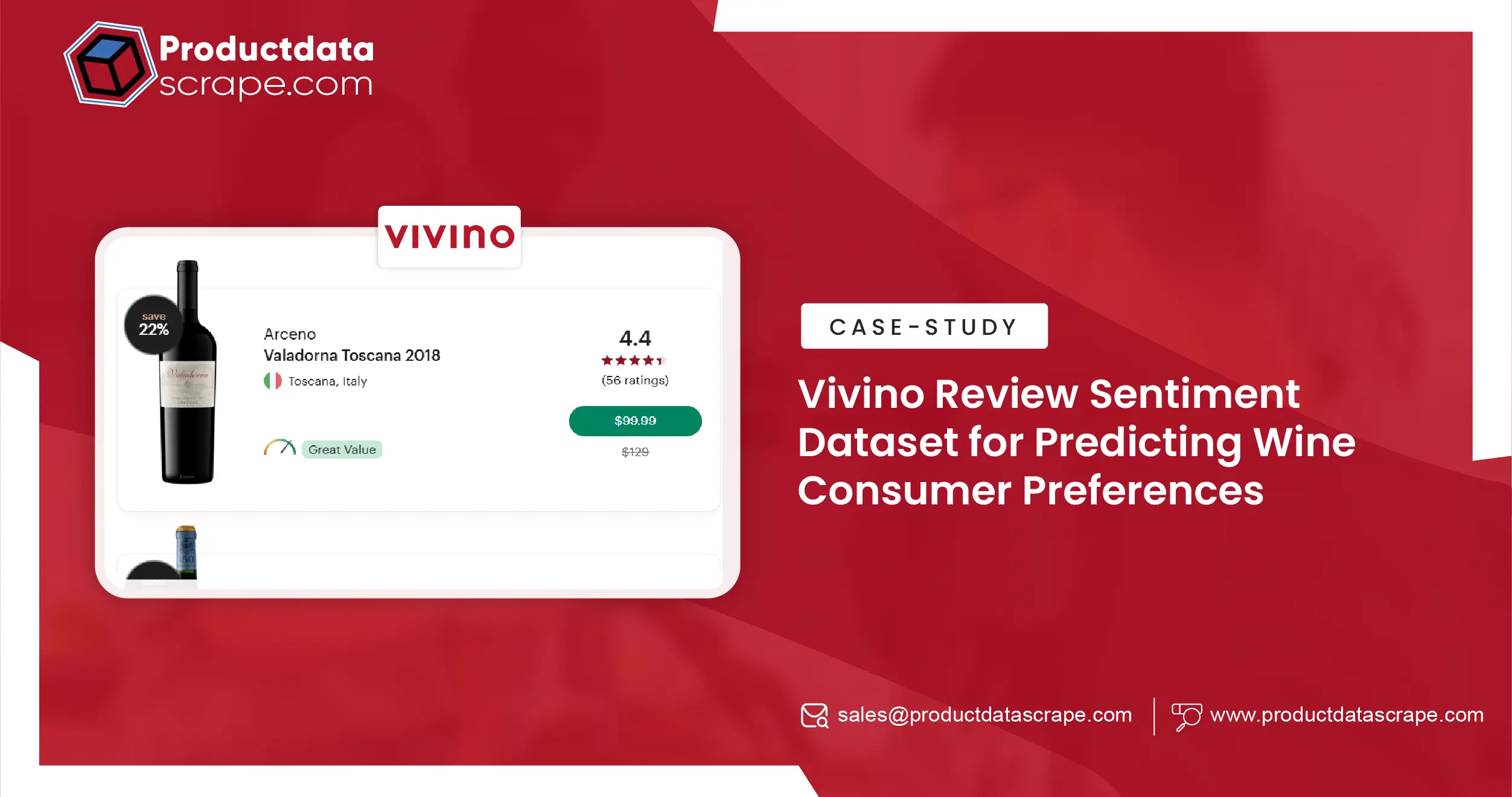
This case study highlights how a global wine intelligence company leveraged advanced data extraction and sentiment analytics to better understand consumer taste preferences. By using a comprehensive Vivino Review Sentiment Dataset, the client transformed millions of unstructured reviews into predictive insights. The project also incorporated an extensive Alcohol and Liquor Dataset to align sentiment trends with wine categories and price ranges.
The client operated in the beverage analytics industry, with the service delivered over a six-month engagement. The outcome included improved sentiment accuracy, faster data processing, and enhanced preference prediction models that supported smarter product positioning and marketing strategies across global wine markets.
The Client
The client was a data-driven wine analytics firm serving vineyards, distributors, and online wine retailers. The global wine industry has seen growing competition, increased digital engagement, and a surge in user-generated reviews, especially on platforms like Vivino. Understanding sentiment at scale became critical for predicting consumer preferences and guiding inventory decisions.
Before partnering with us, the client relied heavily on manual data collection and fragmented review samples, which limited analytical depth. Their existing approach could not keep up with the volume of reviews being published daily. They lacked the automation needed for consistent sentiment tracking and struggled with incomplete datasets.
To stay competitive, the client needed Automated Vivino Data Scraping combined with a structured methodology on how to analyze Vivino reviews effectively. This transformation was essential to move from reactive reporting to predictive, insight-led decision-making that could scale with market demand.
Goals & Objectives
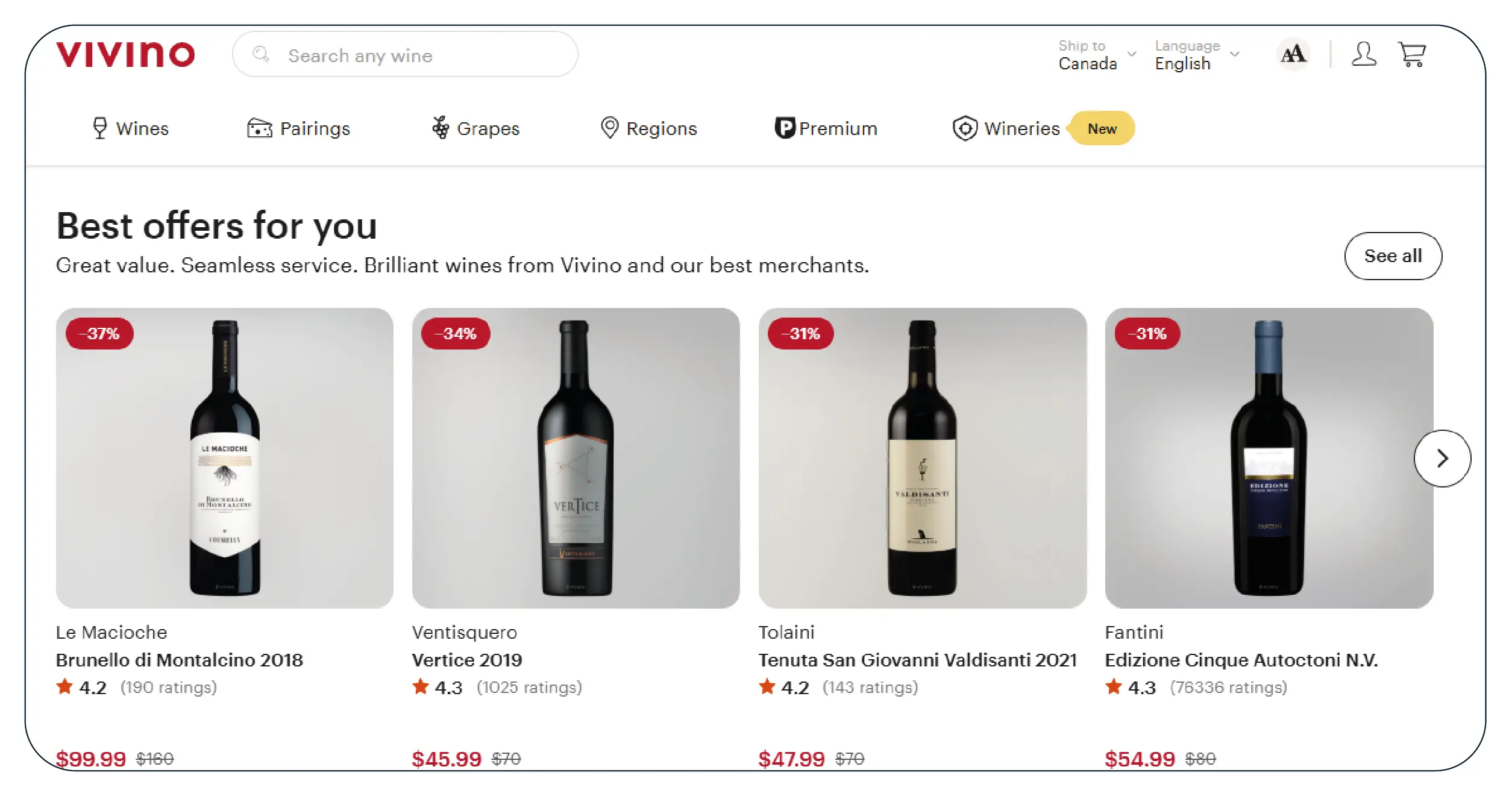
The primary goal was to build a scalable sentiment intelligence system capable of processing millions of wine reviews accurately. The client aimed to improve consumer preference prediction while reducing manual effort and data gaps using Vivino Liquor Data Scraping.
From a technical standpoint, the objective was to deploy an automated pipeline powered by tools similar to Instant Data Scraper, enabling continuous data extraction, sentiment classification, and structured output integration into analytics platforms.
Increase review coverage accuracy
Reduce data processing time
Improve sentiment classification consistency
Enable near real-time analytics updates
These goals ensured alignment between business impact and technical execution.
The Core Challenge
The client faced several operational bottlenecks before implementation. Manual scraping methods could not scale to millions of reviews, leading to outdated insights and inconsistent datasets. Review text varied widely in tone, language, and structure, making sentiment analysis unreliable without standardized preprocessing.
Another challenge was linking sentiment insights with pricing intelligence. The inability to Extract Alcohol & Liquor Price Data alongside review sentiment limited their understanding of how price influenced consumer perception. Data latency also impacted reporting speed, reducing the value of insights for time-sensitive decision-making.
Overall, the lack of automation negatively affected accuracy, speed, and strategic relevance of their wine analytics offerings.
Our Solution
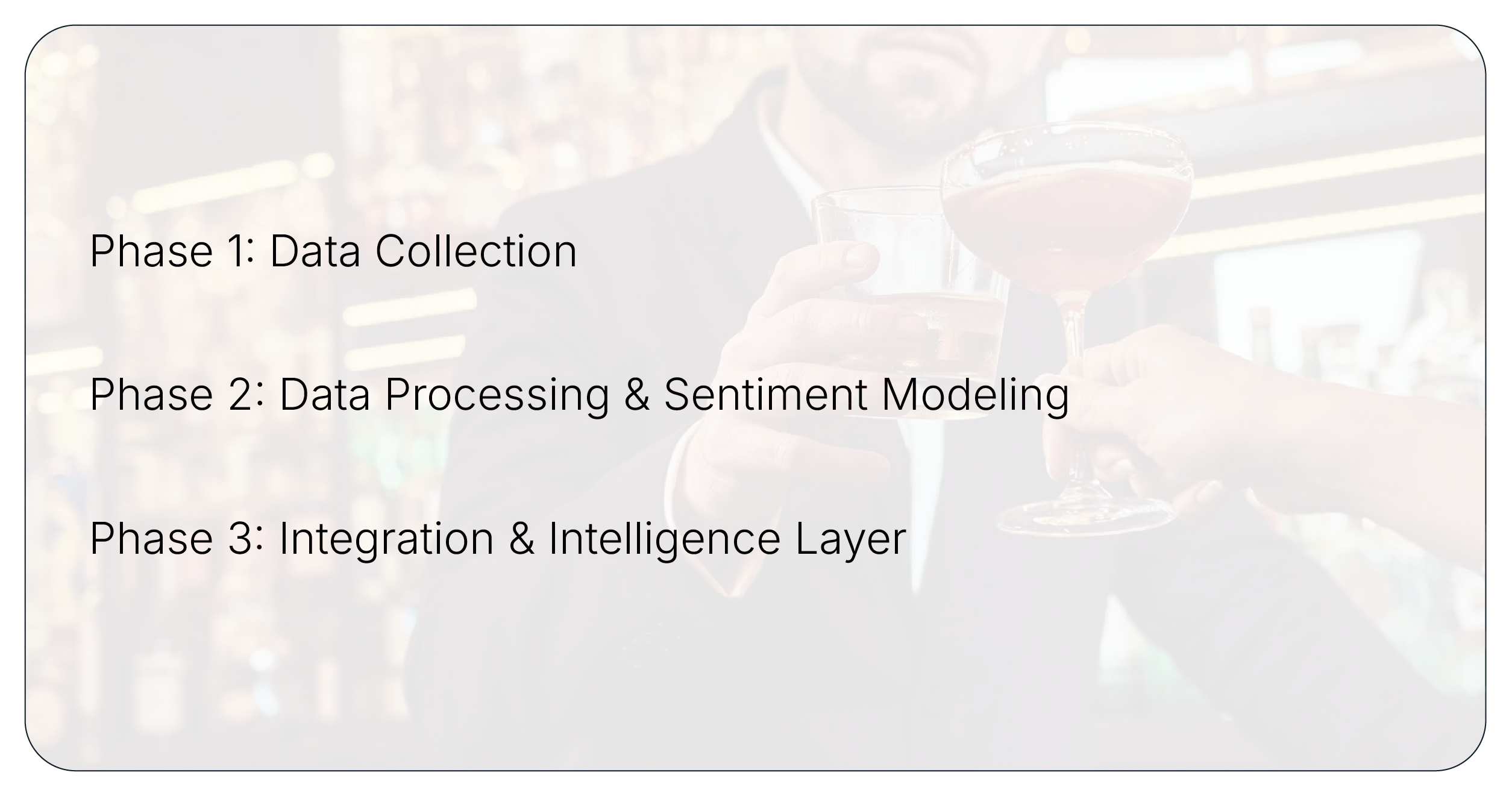
We implemented a phased, automation-first solution designed for scale and precision.
Phase 1: Data Collection
We built a robust scraping framework to extract structured and unstructured review data, creating a rich wine review text mining dataset for Vivino. This included ratings, timestamps, tasting notes, and reviewer behavior patterns.
Phase 2: Data Processing & Sentiment Modeling
Natural language processing models were applied to classify sentiment, detect flavor descriptors, and identify emotional signals. Noise reduction techniques improved data quality and consistency across regions and languages.
Phase 3: Integration & Intelligence Layer
Processed datasets were integrated into the client’s analytics environment, enabling dashboards, trend analysis, and predictive modeling. Each phase directly addressed scalability, accuracy, and automation gaps while ensuring long-term usability.
This structured approach transformed raw reviews into actionable consumer preference intelligence.
Results & Key Metrics
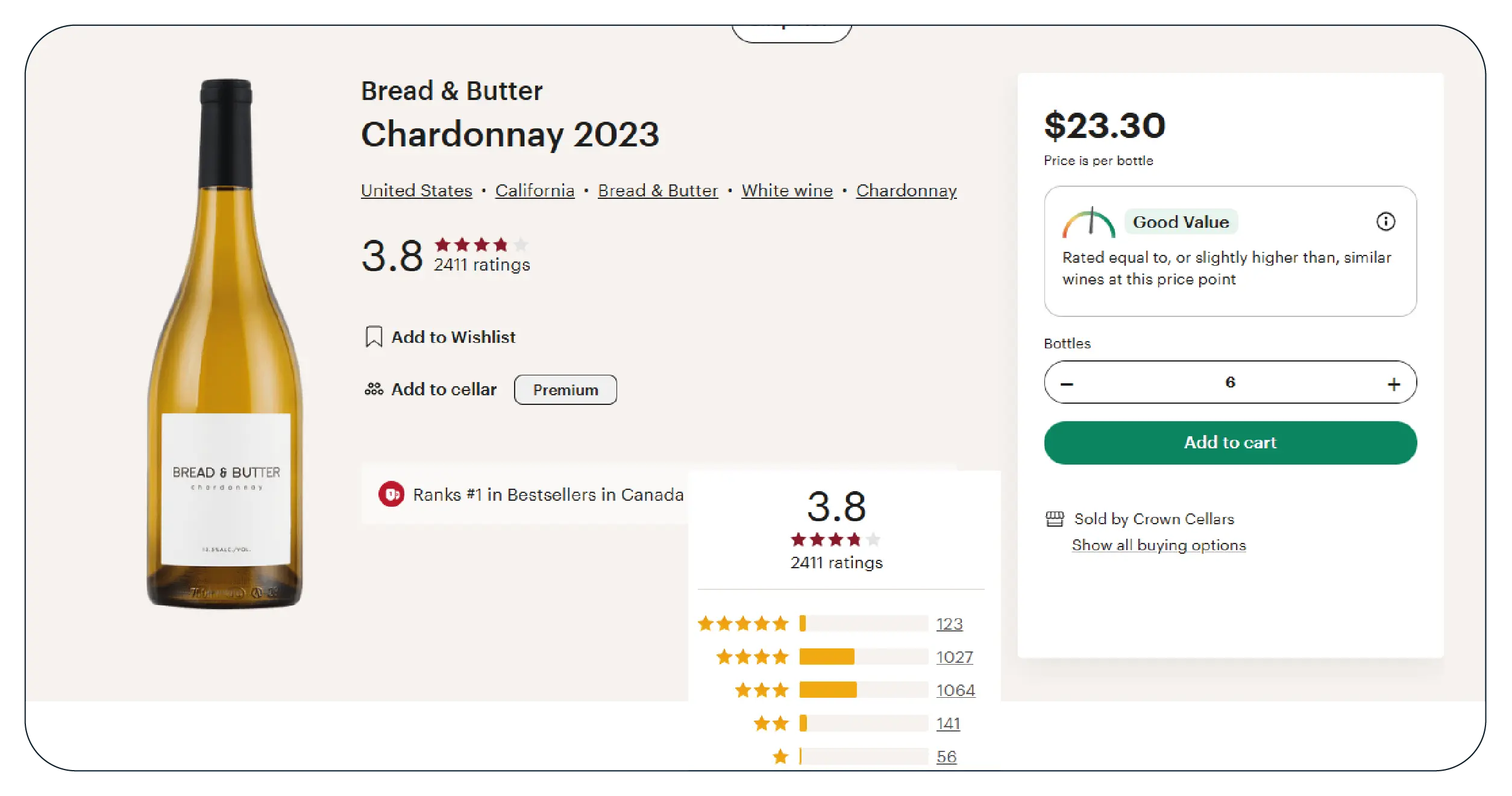
Review processing speed improved significantly
Sentiment accuracy increased across categories
Dataset freshness improved with continuous updates
Analytical coverage expanded across wine types
Using insights derived from How can Vivino liquor price dataset analysis, the client also aligned sentiment with pricing tiers more effectively.
Results Narrative
The client gained a deeper understanding of consumer preferences, identifying emerging flavor trends and regional taste differences. Predictive models became more reliable, helping partners improve product recommendations and marketing strategies with confidence.
What Made Product Data Scrape Different?
Our differentiation lay in smart automation, scalable frameworks, and domain-specific expertise. We delivered clean, ready-to-use datasets that eliminated manual overhead. The ability to buy Vivino reviews dataset with structured sentiment insights gave the client a faster path to value and competitive advantage.
Client’s Testimonial
“The depth and accuracy of sentiment insights exceeded our expectations. Product Data Scrape helped us turn millions of Vivino reviews into predictive intelligence that our clients now rely on daily.”
— Head of Data Analytics, Global Wine Intelligence Firm
Conclusion
This project demonstrated how advanced data extraction and sentiment analytics can redefine wine market intelligence. By deploying a scalable Vivino Liquor Data Scraping API, the client achieved faster insights, higher accuracy, and improved consumer preference predictions. The resulting Vivino Review Sentiment Dataset now powers smarter decisions, stronger partnerships, and future-ready analytics across the wine industry.
FAQs
1. What is a Vivino review sentiment dataset?
It is a structured dataset created from Vivino user reviews, enriched with sentiment analysis to understand consumer opinions, preferences, and emotional responses to wines.
2. How does sentiment analysis help wine brands?
Sentiment analysis reveals taste trends, quality perceptions, and emotional drivers, helping brands improve product positioning and marketing strategies.
3. Can Vivino data support price-based insights?
Yes, when combined with pricing data, review sentiment helps analyze how price influences consumer perception and purchasing behavior.
4. Is automated scraping better than manual collection?
Automated scraping ensures scalability, accuracy, and timely updates, making it far more effective than manual data collection methods.
5. Who can benefit from Vivino review datasets?
Wine brands, distributors, retailers, analysts, and market research firms all benefit from sentiment-driven consumer preference insights.


 Singapore
 EMAIL
EMAIL
 PHONE
PHONE


.webp)
.webp "thumb")
.webp "thumb")
.webp "thumb")








.webp)