Quick Overview
A leading grocery vendor partnered with Product Data Scrape to optimize inventory and reduce perishable waste using the Real-Time Stock API for Amazon Fresh. Over a six-month engagement, the team implemented automated monitoring and analytics pipelines using the Amazon Fresh Grocery Data Scraping API. The vendor achieved a 15% reduction in perishable waste, improved SKU-level stock visibility, and accelerated decision-making for replenishment. This solution enabled real-time alerts for low-stock or expiring items, allowing proactive inventory management and minimizing spoilage. Quick integration and seamless data access were key to transforming operations and creating immediate business impact.
The Client
The client is a mid-sized grocery retailer operating across multiple urban markets in the U.S., facing pressure from rising customer demand for same-day delivery and perishable stock optimization. Market trends indicate a growing preference for online grocery purchases, forcing vendors to maintain precise inventory while reducing waste. Before the partnership, the client relied on manual stock audits and batch updates, leading to frequent stockouts, overstocking, and high perishable loss.
By leveraging the Real-Time Amazon Fresh Inventory Tracking API, they could monitor inventory across multiple stores in real time. The team consolidated historical and live data into a single Amazon Fresh Grocery Store Dataset, enabling accurate forecasting and replenishment planning. This transformation was essential to remain competitive in the fast-moving grocery sector and meet customer expectations for freshness and availability. Before implementation, inventory decisions were reactive and error-prone, often resulting in missed sales opportunities and spoilage. The partnership provided a scalable, automated framework to track inventory, improve accuracy, and optimize operational efficiency.
Goals & Objectives
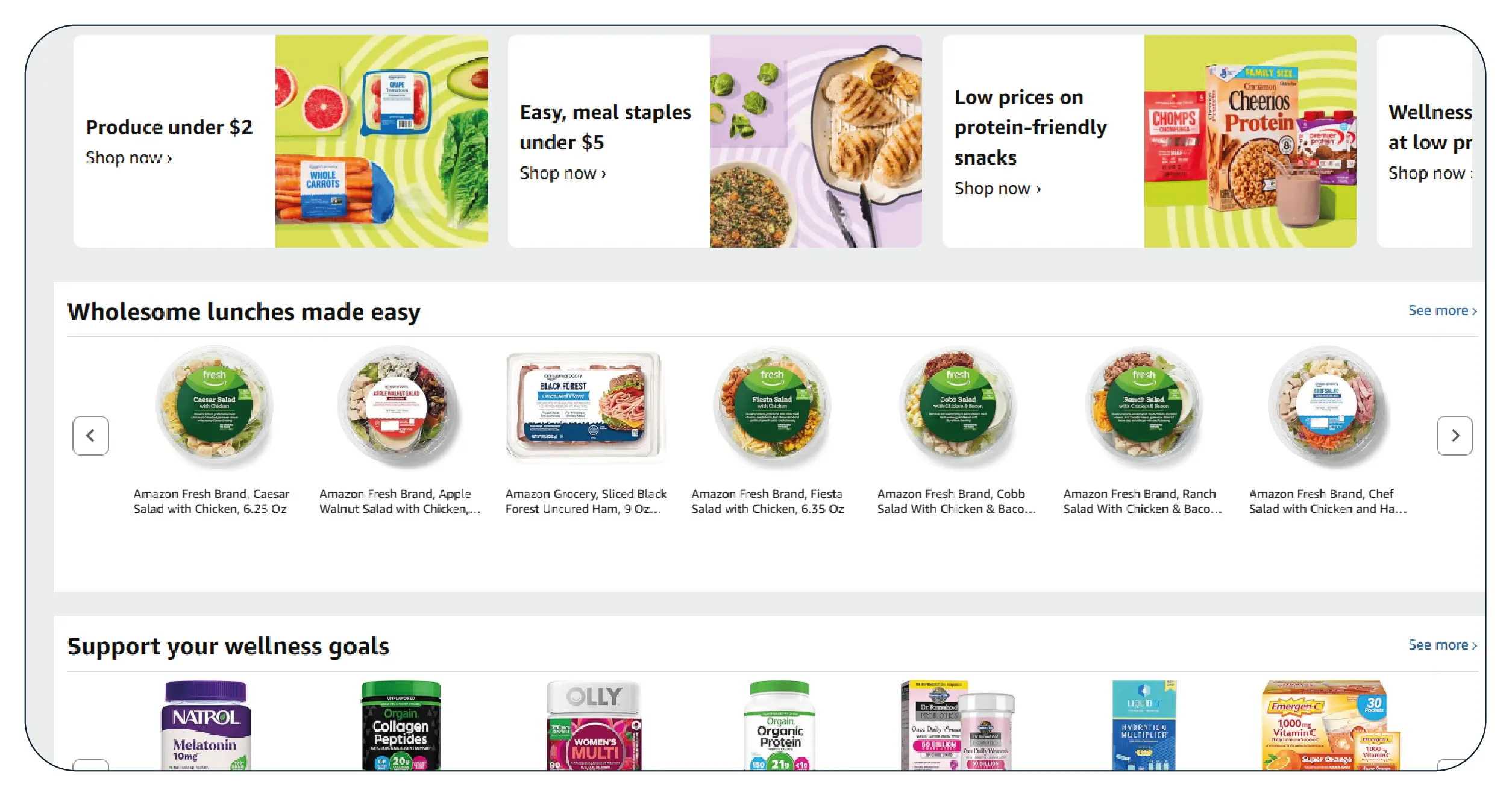
The vendor aimed to enhance operational efficiency, reduce waste, and improve service quality. Using the Automated Amazon Fresh Data Collection Service, the client sought faster, scalable, and accurate inventory tracking.
Implement a real-time Amazon Fresh Quick Commerce Scraper to automate data collection across multiple stores, integrate analytics dashboards, and enable actionable insights for store managers.
Reduce perishable waste by at least 10–15%.
Improve stock visibility across all SKUs by 90%.
Decrease replenishment decision time by 50%.
Increase order fulfillment accuracy and reduce stockouts.
These goals aligned business objectives with technical performance, ensuring a measurable and sustained improvement in grocery operations. The solution provided both operational clarity and actionable intelligence for inventory teams.
The Core Challenge
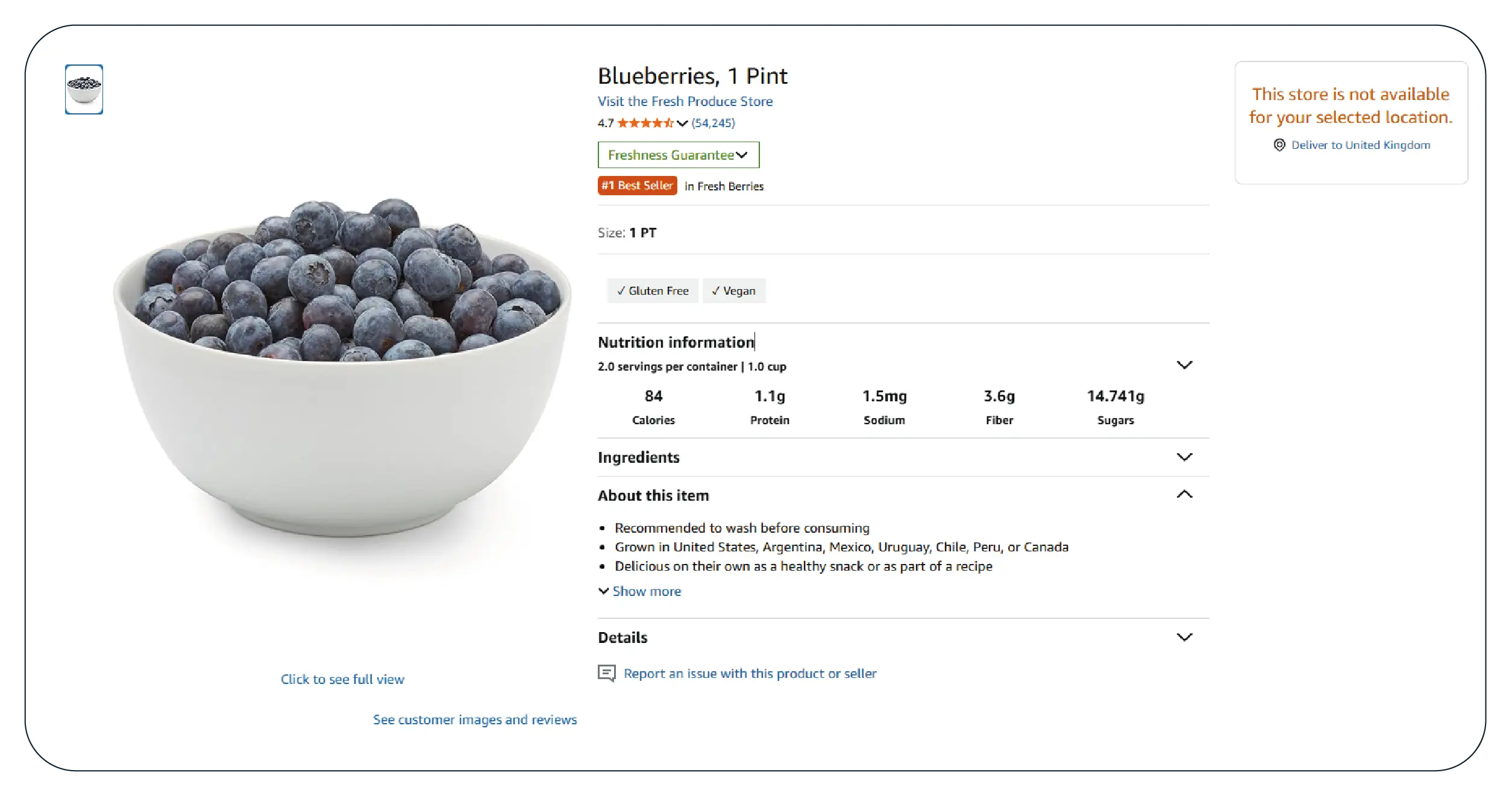
Before implementation, inventory management relied heavily on manual updates and periodic audits, causing inefficiencies in replenishment and high spoilage rates. The vendor struggled with inaccurate stock data, delays in updating listings, and poor visibility of expiring items. Operational bottlenecks made it difficult to predict SKU-level demand, resulting in frequent out-of-stock situations or overstocking.
The team needed a solution to How to Track Amazon Fresh Stock in Real Time, combining live updates, automated alerts, and accurate SKU-level insights. Existing methods failed to capture timely data from multiple stores, impacting decision-making speed and accuracy. Furthermore, integrating disparate data sources to maintain a consistent inventory record was challenging. Using traditional methods, the vendor could not reliably Extract Grocery & Gourmet Food Data, leading to lost revenue, increased waste, and operational inefficiencies. Accurate, real-time visibility was essential for maintaining competitive service levels in the quick-commerce grocery market.
Our Solution

The solution was implemented in three phases, focusing on automation, real-time monitoring, and actionable analytics.
Phase 1 – Data Capture:The team deployed tools to Scrape Amazon Fresh inventory data in real time, collecting SKU-level pricing, stock, and expiration data from multiple stores. Automated scripts reduced manual data entry, improving accuracy and frequency of updates.
Phase 2 – Integration & Normalization:Extracted data was processed and consolidated into a centralized platform, enabling analytics teams to monitor stock trends, identify low-stock SKUs, and plan replenishment efficiently. Data normalization ensured consistency across stores and product categories.
Phase 3 – Analytics & Alerts:A dashboard and alert system were created to notify managers about expiring inventory, low-stock items, and replenishment requirements. The system integrated historical trends with live stock levels, enabling predictive inventory planning.
Additional automation tools were implemented for real-time reporting, performance tracking, and SKU-level monitoring. By combining live scraping, predictive analytics, and workflow automation, the vendor significantly reduced operational bottlenecks, minimized waste, and improved replenishment decisions.
The phased approach ensured each problem area—data collection, integration, and actionable insights—was addressed systematically, resulting in an efficient, scalable, and real-time inventory management system.
Results & Key Metrics
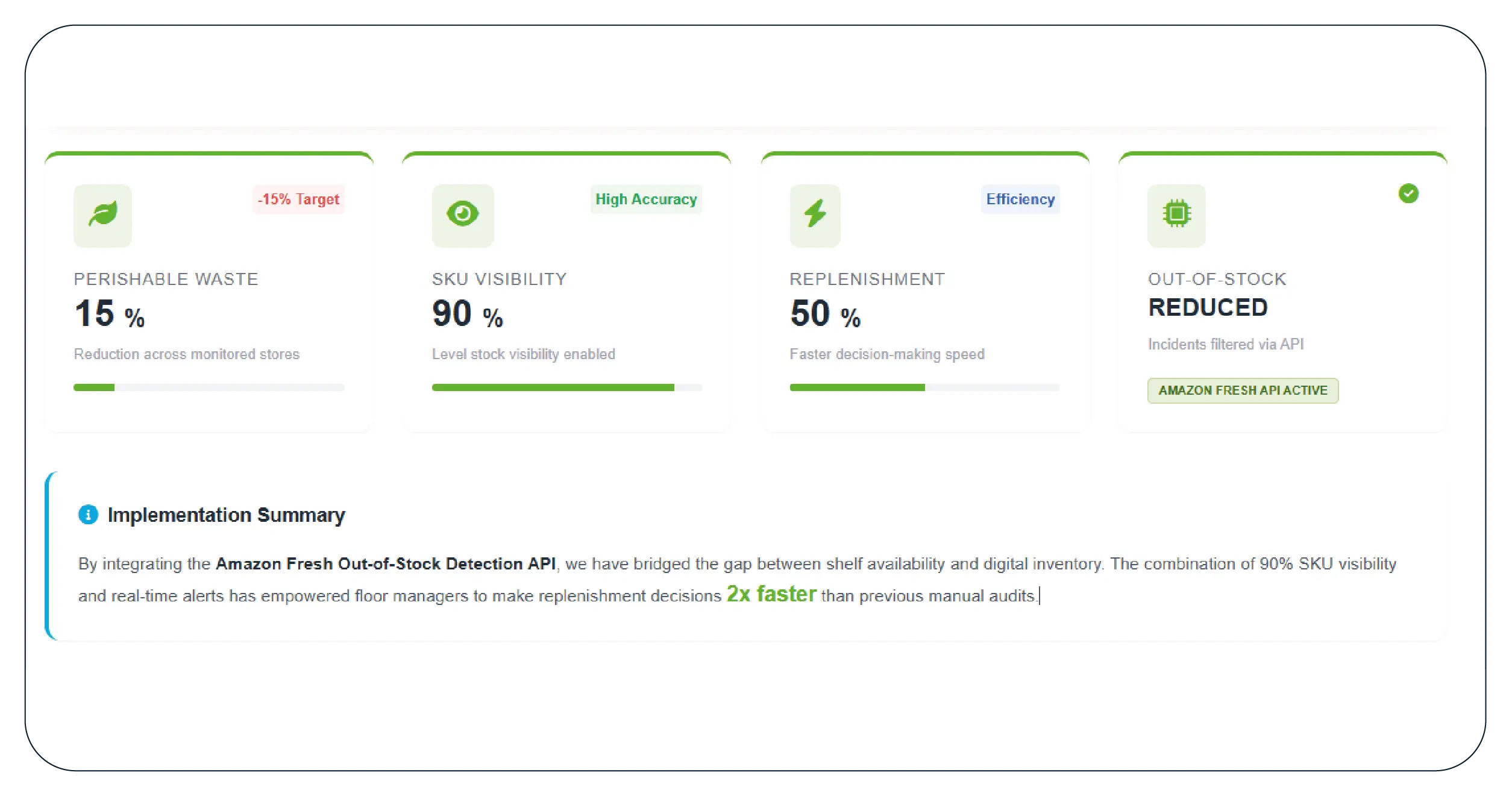
15% reduction in perishable waste across monitored stores.
90% SKU-level stock visibility, enabling proactive inventory management.
50% faster replenishment decision-making through real-time alerts.
Reduced out-of-stock incidents using the Amazon Fresh out-of-stock detection API.
Results Narrative
The deployment enabled the vendor to monitor inventory across multiple locations in real time, reducing spoilage and improving customer satisfaction. Store managers received instant notifications for low-stock and expiring items, allowing timely replenishment. Historical data analysis enabled predictive stocking, reducing operational inefficiencies. Using automated monitoring and SKU-level insights, the vendor improved sales fulfillment rates, minimized waste, and enhanced quick-commerce performance. The integration of live inventory data transformed decision-making, providing a sustainable framework for growth and profitability.
What Made Product Data Scrape Different?
Product Data Scrape provided a unique combination of real-time monitoring, automated scraping, and advanced analytics. Their Real-time Amazon Fresh stock & availability dataset enabled actionable insights at SKU-level granularity. Proprietary frameworks and workflow automation allowed the vendor to reduce operational bottlenecks and improve accuracy across multiple locations. Unlike traditional solutions, the system delivered instant alerts, predictive replenishment suggestions, and centralized reporting, providing a complete, scalable solution. This integration of live scraping, analytics, and automated workflows differentiated Product Data Scrape from competitors, driving measurable business results and long-term operational efficiency.
Client’s Testimonial
"The Real-Time Stock API for Amazon Fresh transformed our inventory management. We can now monitor stock levels, track expiring items, and make replenishment decisions instantly. Our perishable waste has reduced significantly, and store managers are more confident with data-driven insights. The integration was seamless, and the support team ensured quick onboarding. Real-Time Stock API for Amazon Fresh has become a critical part of our daily operations, enabling us to meet customer expectations consistently while reducing costs. We now have a scalable, automated solution that adapts to our fast-moving grocery business."
—Head of Operations
Conclusion
By leveraging the Scrape Amazon Fresh Grocery Delivery Data solution and Real-Time Stock API for Amazon Fresh, the vendor achieved measurable improvements in waste reduction, stock visibility, and operational efficiency. Automated, real-time monitoring allowed proactive replenishment, predictive inventory planning, and faster decision-making. The solution’s scalability and accuracy ensured sustainable operational improvements while enabling smarter quick-commerce strategies. With reliable SKU-level data and centralized dashboards, the vendor continues to optimize perishable inventory, improve customer satisfaction, and maintain a competitive edge in the online grocery market.
FAQs
1. What is Product Data Scrape’s Real-Time Stock API for Amazon Fresh?
It is an API that monitors SKU-level inventory in real time for faster decisions and reduced perishable waste.
2. How does the Amazon Fresh Grocery Data Scraping API work?
It automatically extracts SKU-level stock, pricing, and promotion data from multiple stores for analysis.
3. Can this API reduce perishable waste?
Yes, real-time alerts and predictive insights allow proactive replenishment and reduce spoilage effectively.
4. What data formats are supported?
Data is delivered in structured formats such as JSON, CSV, or integrated dashboards.
5. How quickly can the API be implemented?
Implementation is fast; clients can integrate the Real-Time Amazon Fresh Inventory Tracking API within weeks.


 Singapore
 EMAIL
EMAIL
 PHONE
PHONE


.webp)
.webp "thumb")
.webp "thumb")
.webp "thumb")









.webp)