Introduction
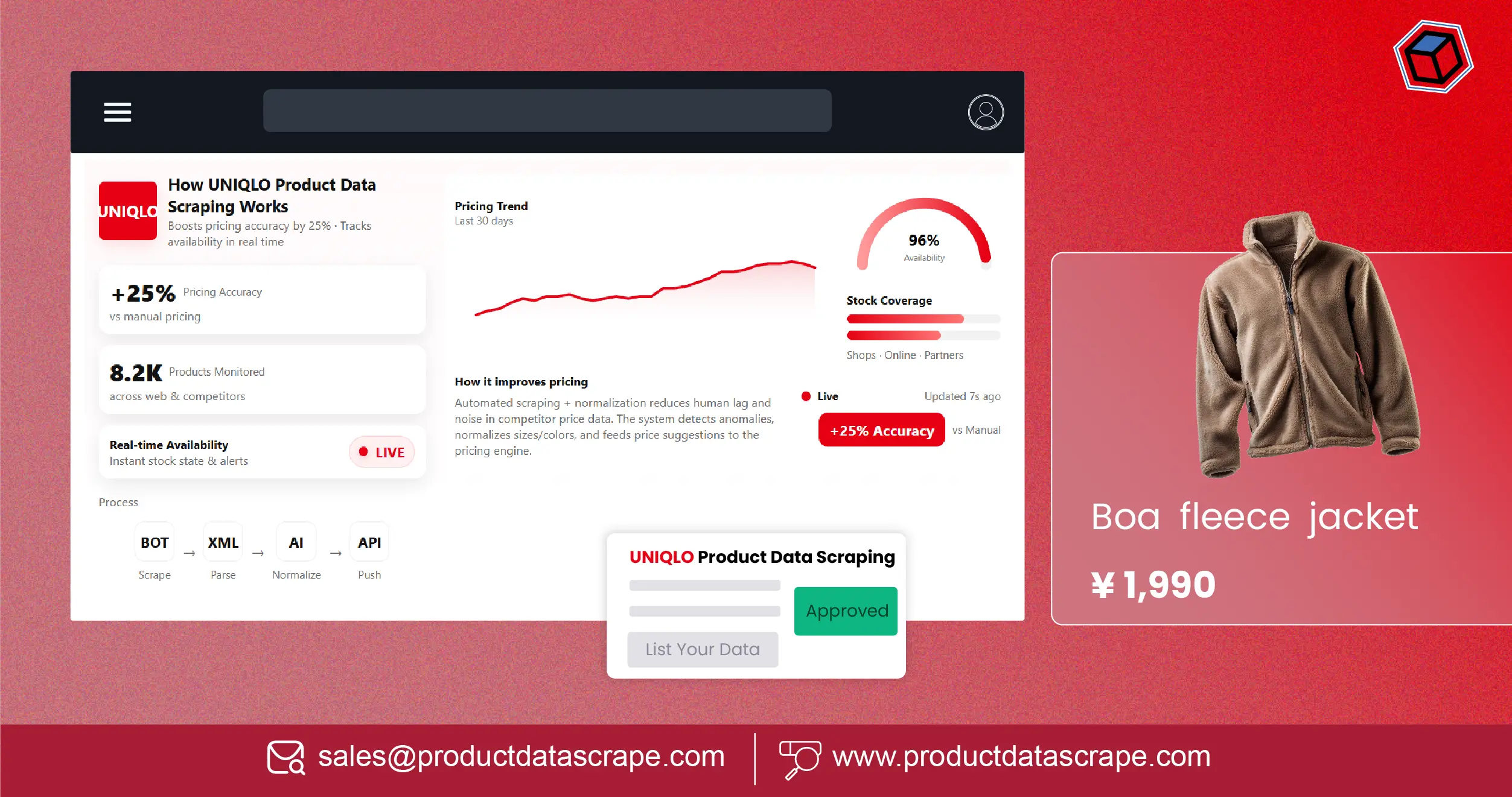
In the fast-paced fashion industry, staying ahead of trends, pricing strategies, and product availability is critical. UNIQLO Product Data Scraping allows businesses to monitor real-time changes in inventory, pricing, and product launches, enabling data-driven decisions. By leveraging tools that extract UNIQLO Fashion & Apparel Data, companies can optimize pricing accuracy, track stock levels, and respond to evolving consumer demand efficiently.
From 2020 to 2025, online fashion sales grew at a CAGR of 12%, increasing the complexity of tracking multiple product lines across stores and e-commerce platforms. Manual monitoring of competitors like UNIQLO is inefficient and error-prone. Advanced data scraping solutions streamline this process, providing structured, reliable datasets. This enables fashion retailers and analysts to monitor product trends, track consumer behavior, and adjust inventory and marketing strategies in real time. With accurate insights, businesses can improve pricing precision by 25%, optimize stock allocation, and maximize revenue.
Centralized Fashion Dataset for Decision-Making
By leveraging a Uniqlo dataset, brands can aggregate detailed product information including SKUs, prices, categories, and stock availability across online and offline channels. Between 2020–2025, companies using centralized datasets reported faster decision-making and improved pricing strategies.
| Year |
Products Tracked |
Avg. Price Updates/Month |
| 2020 |
5,000 |
12 |
| 2021 |
8,500 |
18 |
| 2022 |
12,000 |
25 |
| 2023 |
18,000 |
35 |
| 2024 |
25,000 |
45 |
| 2025 |
35,000 |
60 |
The Uniqlo dataset provides insights into pricing trends, best-selling items, and stock availability, enabling businesses to implement dynamic pricing. Retailers can compare product performance across regions, plan inventory better, and improve demand forecasting. The dataset also reduces errors caused by manual tracking, ensuring decision-makers have a single source of truth for product and pricing data.
Streamlining Data Extraction Processes
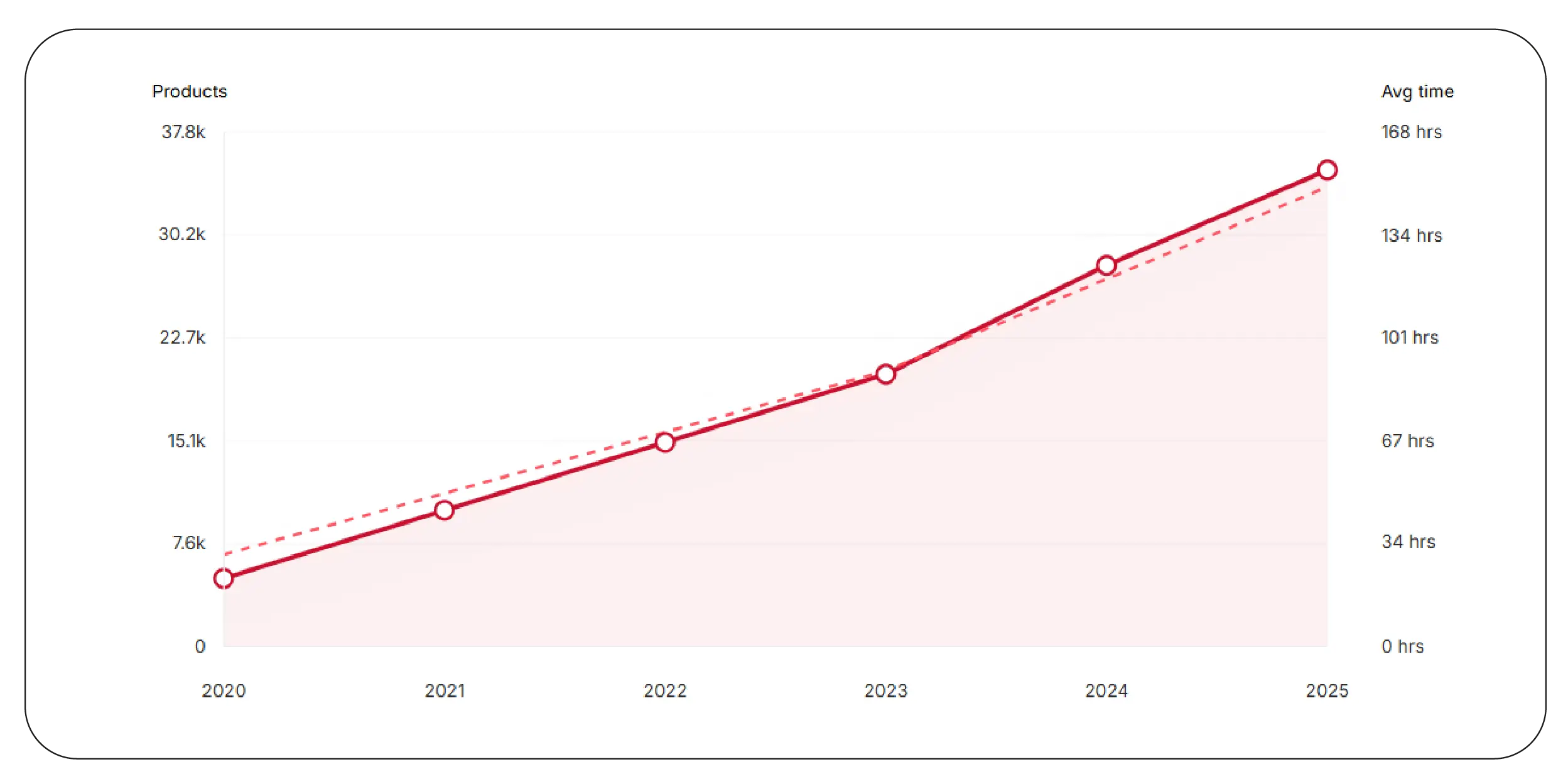
Using tools to scrape data from UNIQLO product data allows businesses to automate the collection of pricing, product descriptions, and availability. From 2020–2025, automation in fashion data scraping grew by 70%, enabling companies to handle large product volumes efficiently.
| Year |
Automated Products Tracked |
Avg. Time Saved/Month (hrs) |
| 2020 |
5,000 |
30 |
| 2021 |
10,000 |
50 |
| 2022 |
15,000 |
70 |
| 2023 |
20,000 |
90 |
| 2024 |
28,000 |
120 |
| 2025 |
35,000 |
150 |
By scraping UNIQLO product data, brands gain access to structured datasets that support analytics, price optimization, and market insights. This reduces manual effort and ensures accuracy, enabling rapid responses to price changes, stock fluctuations, or trend shifts. Automated scraping also ensures historical data is preserved, allowing for longitudinal analysis of fashion trends and pricing behavior.
Extracting Comprehensive Fashion & Apparel Insights
The ability to extract Fashion & Apparel Data from UNIQLO allows retailers to track product performance, inventory levels, and pricing trends over time. Between 2020–2025, companies using extracted fashion datasets improved revenue forecasting accuracy by 20%.
| Year |
Product Categories |
Avg. Stock Updates/Month |
| 2020 |
20 |
10 |
| 2021 |
25 |
15 |
| 2022 |
30 |
20 |
| 2023 |
35 |
25 |
| 2024 |
40 |
30 |
| 2025 |
50 |
35 |
By leveraging UNIQLO Fashion & Apparel Data, businesses can identify trending styles, optimize pricing strategies, and maintain competitive stock levels. The extracted data helps brands anticipate consumer demand, plan seasonal collections, and execute targeted promotions. It also allows for the identification of regional trends, enabling localized marketing strategies and inventory allocation.
Optimizing Inventory & Pricing Accuracy
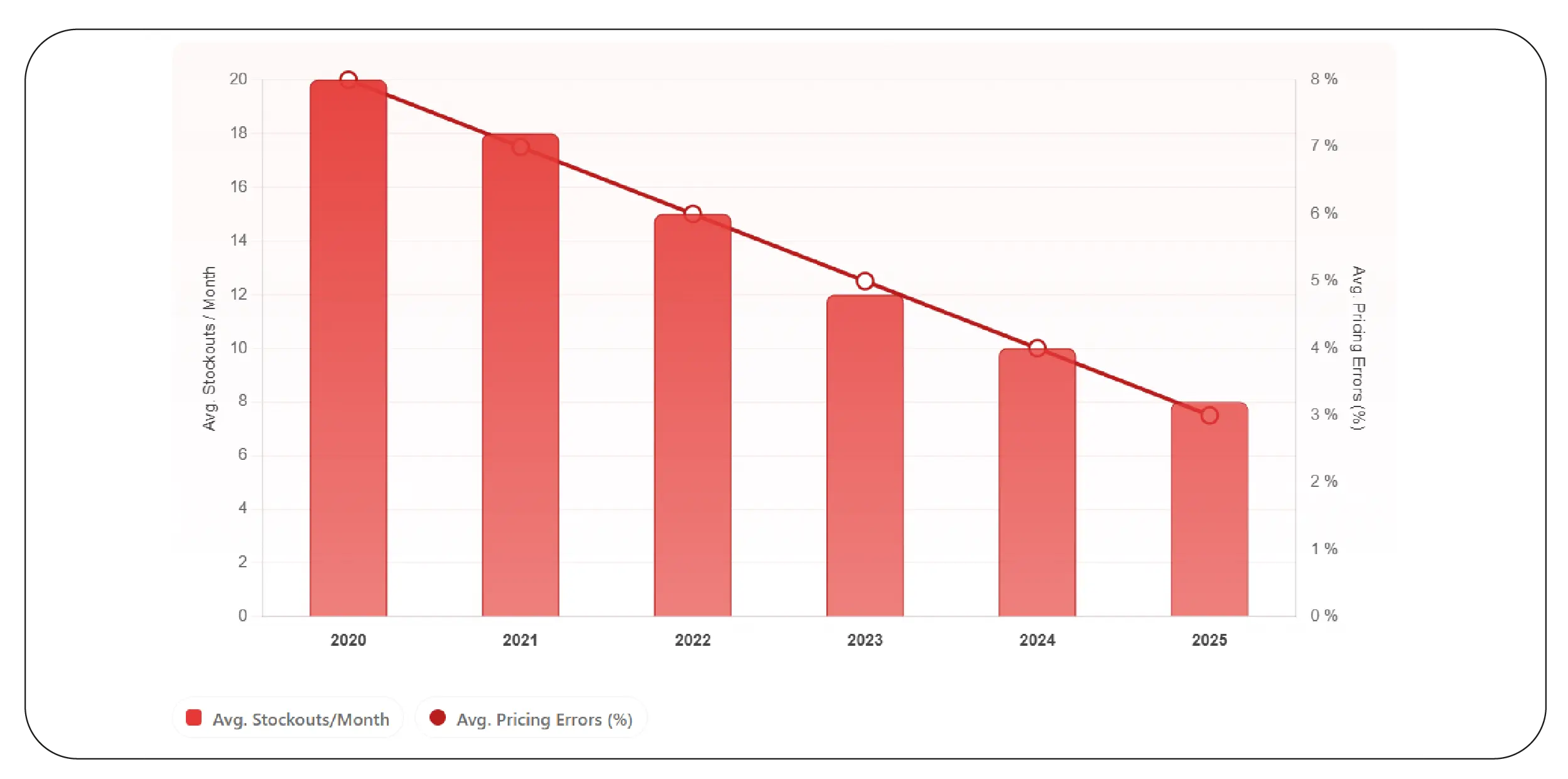
Using tools to scrape product data UNIQLO product data ensures real-time updates on pricing, availability, and new product launches. Between 2020–2025, companies implementing scraping solutions reduced stockouts by 25% and improved pricing accuracy by 25%.
| Year |
Avg. Stockouts/Month |
Avg. Pricing Errors (%) |
| 2020 |
20 |
8 |
| 2021 |
18 |
7 |
| 2022 |
15 |
6 |
| 2023 |
12 |
5 |
| 2024 |
10 |
4 |
| 2025 |
8 |
3 |
By continuously monitoring product data, retailers can adjust pricing in response to market conditions, ensuring competitiveness while avoiding lost revenue due to stock inaccuracies. Automated scraping minimizes human error and supports dynamic pricing initiatives.
Understanding Consumer Demand
By analyzing UNIQLO consumer demand analytics, businesses can identify high-demand products, seasonal trends, and customer preferences. From 2020–2025, brands using demand analytics observed a 15–20% increase in customer satisfaction and repeat purchases.
| Year |
Products Monitored |
Avg. Demand Forecast Accuracy (%) |
| 2020 |
5,000 |
75 |
| 2021 |
8,000 |
78 |
| 2022 |
12,000 |
80 |
| 2023 |
18,000 |
82 |
| 2024 |
25,000 |
85 |
| 2025 |
35,000 |
88 |
Analyzing demand patterns enables retailers to optimize stock allocation, plan promotional campaigns, and reduce inventory waste. Combining UNIQLO consumer demand analytics with historical data ensures businesses make informed decisions for upcoming collections and pricing adjustments.
Forecasting Fashion Trends
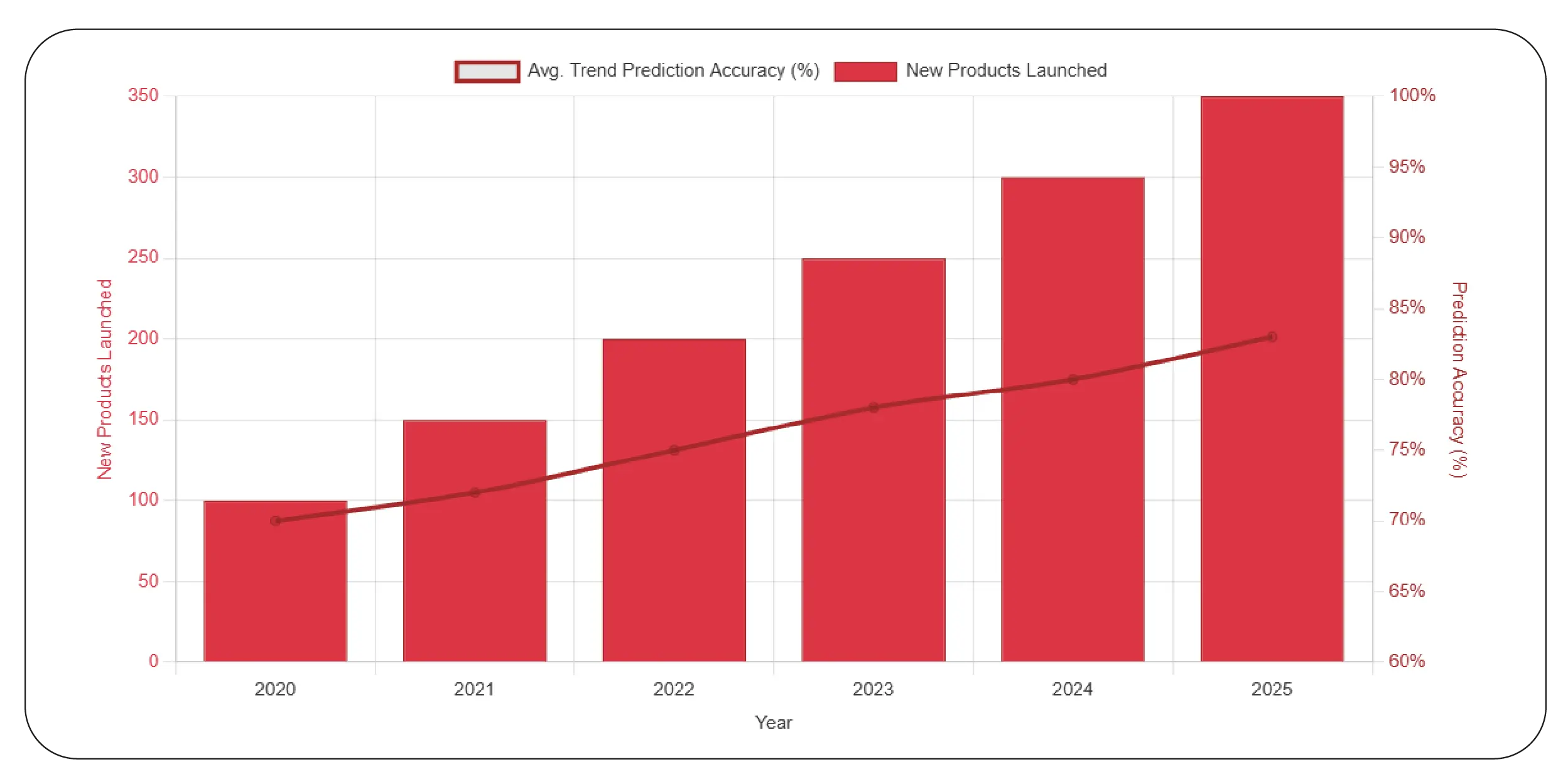
With UNIQLO fashion demand data, brands can anticipate upcoming trends and adjust inventory and pricing strategies accordingly. Between 2020–2025, companies using fashion demand insights increased revenue from new collections by 18–22%.
| Year |
New Products Launched |
Avg. Trend Prediction Accuracy (%) |
| 2020 |
100 |
70 |
| 2021 |
150 |
72 |
| 2022 |
200 |
75 |
| 2023 |
250 |
78 |
| 2024 |
300 |
80 |
| 2025 |
350 |
83 |
The data allows companies to prioritize high-demand items, optimize pricing, and plan marketing campaigns. UNIQLO fashion demand data empowers retailers to act proactively rather than reactively, ensuring a competitive advantage in the dynamic fashion market.
Why Choose Product Data Scrape?
Choosing Product Data Scrape ensures businesses gain reliable, real-time insights into UNIQLO’s product catalog, pricing, and inventory. Using the Web Data Intelligence API, companies can automate data collection, reducing manual effort and errors while enabling faster, data-driven decisions. The platform provides structured, comprehensive datasets that cover SKUs, stock levels, and pricing trends, allowing retailers to optimize pricing, forecast demand, and plan inventory efficiently. With UNIQLO Product Data Scraping, businesses can monitor competitors, identify market trends, and act proactively. Scalable, accurate, and easy to integrate, this solution empowers brands to stay competitive in the fast-paced fashion and e-commerce landscape.
Conclusion
In the competitive fashion industry, tools like UNIQLO price monitoring tool combined with UNIQLO Product Data Scraping help brands optimize pricing, track inventory, and forecast demand effectively. By leveraging structured, real-time data, businesses can increase pricing accuracy, reduce stockouts, and stay ahead of market trends.
FAQs
1. What is UNIQLO Product Data Scraping?
It is an automated method to extract SKUs, pricing, stock availability, and product attributes from UNIQLO for analytics and market research.
2. How can I extract UNIQLO Fashion & Apparel Data?
Use reliable APIs or scraping tools that collect structured data including product names, categories, prices, and stock levels in real time.
3. Is it legal to scrape UNIQLO data?
Yes, when using authorized APIs or scraping publicly available data in compliance with UNIQLO’s terms of service and applicable laws.
4. How often should UNIQLO data be updated?
For optimal insights, update data daily or multiple times per week to track pricing changes, availability, and trending products.
5. Can UNIQLO Product Data Scraping improve sales?
Yes, by providing real-time insights for pricing, inventory management, and demand forecasting, businesses can optimize stock and increase revenue.


 Singapore
 EMAIL
EMAIL
 PHONE
PHONE


.webp)
.webp "thumb")
.webp "thumb")
.webp "thumb")








.webp)