Introduction
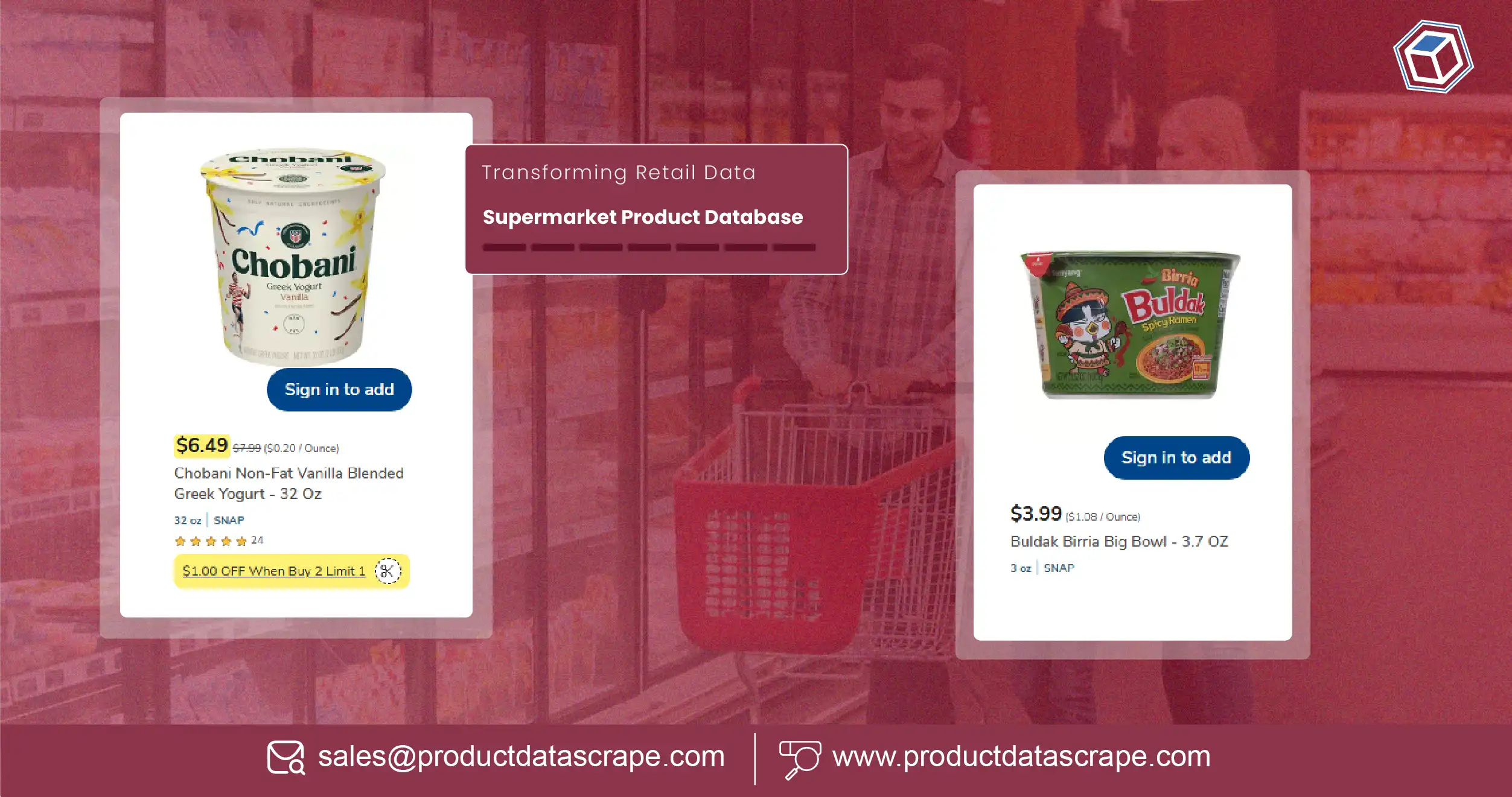
Supermarket product database data extraction is the process of collecting structured product information such as price, SKU, availability, and descriptions from supermarket and retail websites. It helps retailers, analysts, and brands make faster, data-driven decisions.
Stat Insight (2026): Over 78% of global retailers now rely on automated product data extraction tools to improve pricing and inventory decisions.
This method is widely used for:
- Competitive pricing analysis
- Stock monitoring
- Product catalog building
- Market trend forecasting
Supermarket product database data extraction enables real-time visibility into retail ecosystems. It supports smarter planning and reduces manual data collection errors.
Target Audience: Retailers, eCommerce managers, data analysts, and pricing strategists.
Pain Point: Lack of real-time retail insights and inefficient manual data tracking.
What Are Supermarket Product Database Fields and Data Sources?
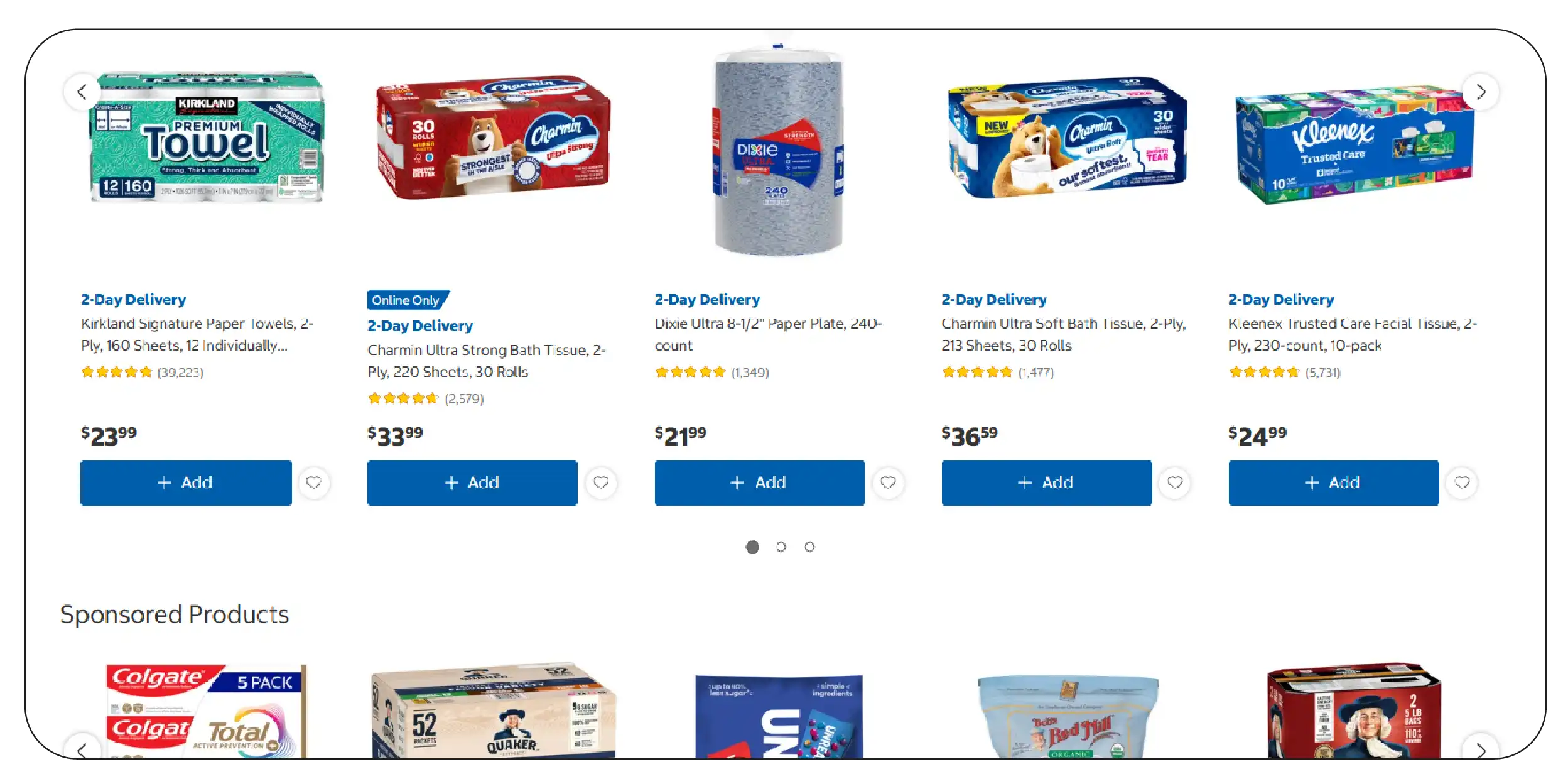
Supermarket product databases include structured fields like product name, SKU, price, brand, category, and availability sourced from online supermarkets, marketplaces, and retail APIs.
Stat Insight: In 2025, structured retail datasets improved pricing accuracy by 42% in digital grocery platforms.
Key data fields include:
- Product title and description
- SKU and barcode
- Price and discounts
- Brand and category
- Stock availability
Common data sources:
- Grocery websites
- Marketplace listings
- Mobile shopping apps
- Retail APIs
Marketplace selling intelligence helps brands understand competitor pricing and product positioning across multiple supermarkets.
Why does this matter?
Retailers use this data to:
- Optimize product listings
- Improve search visibility
- Track competitor moves
Table (2020–2026 Trend):
| Year |
Data Adoption Rate |
Use Case Focus |
| 2020 |
35% |
Basic pricing tracking |
| 2022 |
48% |
Inventory monitoring |
| 2024 |
65% |
Competitive intelligence |
| 2026 |
80% |
AI-driven pricing |
How Do We Scrape Supermarket Product Data Fields and Attributes?
Supermarket data scraping extracts structured product attributes like price, size, and availability using automated bots and parsing tools.
Stat Insight: Automated attribute extraction reduces manual effort by up to 70% in retail analytics workflows.
Common scraped attributes:
- Product name
- Unit size (kg, ml, pcs)
- Discount percentage
- Ratings and reviews
- Availability status
Steps involved:
- Identify target supermarket websites
- Extract HTML product data
- Parse structured fields
- Store in databases
Benefits:
- Faster catalog creation
- Accurate product comparison
- Improved pricing intelligence
Pricing intelligence allows retailers to dynamically adjust product pricing based on competitor trends.
Industry use case:
Retailers use scraped attributes to:
- Build pricing dashboards
- Monitor competitor offers
- Improve product recommendations
How Does Supermarket Product Data Scraping Work at Scale?
Large-scale supermarket product data scraping collects thousands of product records across multiple websites using distributed crawling systems and cloud processing.
Stat Insight: Scalable scraping systems handle over 10 million product records daily in large retail intelligence platforms.
Key scaling techniques:
- Distributed web crawlers
- Cloud-based processing
- Proxy rotation
- Automated data cleaning
E-commerce data scraping helps:
- Compare thousands of products instantly
- Monitor multi-retailer pricing
- Detect stock fluctuations
Example workflow:
- Crawl supermarket sites
- Extract structured product data
- Normalize datasets
- Store in cloud warehouse
Benefits:
- High-speed data collection
- Real-time analytics
- Reduced operational cost
How Is Supermarket SKU Data Extracted From Retail Websites?
Supermarket SKU data extraction collects unique product identifiers (SKUs) from retail websites to track product-level performance and inventory.
Stat Insight: SKU-level tracking improves inventory accuracy by 55% in omnichannel retail systems.
SKU data includes:
- Unique product ID
- Variant details (size, flavor)
- Stock status
- Pricing per SKU
Extraction process:
- Identify product pages
- Extract SKU metadata
- Match across retailers
- Store in structured format
Why SKUs matter:
- Prevent duplicate listings
- Track product lifecycle
- Improve warehouse planning
Use case:
- Optimize supply chains
- Identify fast-moving products
- Reduce stockouts
What Are Complete Supermarket Product Database Fields and Sources?
A complete supermarket product database includes product details, pricing, inventory, reviews, and supplier information sourced from multiple retail platforms.
Stat Insight: Businesses using complete datasets see a 38% improvement in forecasting accuracy.
Full dataset includes:
- Product metadata
- Pricing history
- Inventory levels
- Supplier information
- Customer ratings
Data sources:
- Grocery chains
- Online marketplaces
- Third-party aggregators
- Retail APIs
Business value:
- Better demand forecasting
- Improved pricing models
- Enhanced product strategies
Industry insight:
Retailers combining multiple data sources achieve stronger marketplace selling intelligence and competitive advantage.
How Is Supermarket Pricing and Inventory Data Used?
Supermarket pricing and inventory data helps retailers optimize pricing strategies and ensure product availability in real time.
Stat Insight: Dynamic pricing strategies increase revenue by 20–30% in competitive grocery markets.
Pricing data includes:
- Base price
- Discount rates
- Seasonal offers
Inventory data includes:
- Stock levels
- Refill frequency
- Out-of-stock alerts
Benefits:
- Competitive pricing adjustments
- Reduced stockouts
- Better demand forecasting
Business impact:
Retailers use supermarket pricing and inventory data to:
- Improve profit margins
- Automate pricing updates
- Enhance customer satisfaction
Fields, Sources & Pitfalls in Supermarket Product Database Data Extraction
What are the key fields in supermarket product data extraction?
Supermarket product data extraction focuses on structured fields like product identity, pricing, availability, and customer signals. These fields help retailers understand market trends, optimize pricing, and improve inventory decisions in real time.
Industry Insight (2026): Retail analytics platforms report that structured product-level datasets improve pricing efficiency by up to 45% and reduce stock mismatches by 38%.
Supermarket data is not just product listings. It is a multi-layer intelligence system that includes pricing signals, inventory movement, and consumer engagement metrics.
What are the core product identification fields?
These fields define the uniqueness of every product:
- Product name and full title
- SKU (Stock Keeping Unit)
- Barcode / GTIN / UPC
- Internal retailer product ID
- Brand association
These identifiers are essential for:
- Cross-platform matching
- Duplicate removal
- Product tracking across supermarkets
What pricing and discount data is collected?
Pricing is the most dynamic dataset in retail intelligence:
- Current selling price
- MRP (Maximum Retail Price)
- Discounted price
- Offer percentage
- Unit price (per kg/litre/pcs)
- Flash sale pricing
Trend Insight (2020–2026): Dynamic pricing adoption increased from 32% in 2020 to 79% in 2026 across grocery eCommerce platforms.
What product description fields are extracted?
These fields improve search and customer experience:
- Product description
- Ingredients list
- Nutritional information
- Category classification
- Country of origin
- Storage instructions
These attributes directly impact:
- SEO ranking of product pages
- Customer conversion rates
- Marketplace visibility
Why Choose Product Data Scrape?
Product Data Scrape delivers accurate retail data extraction solutions that improve decision-making, pricing, and inventory management.
Industry Insight: Companies using automated retail data tools improve efficiency by 60% compared to manual processes.
Businesses benefit from:
- Structured grocery datasets
- Reliable API solutions
- Real-time market insights
- Product-level analytics
- Scalable data collection
Our solutions support brands, retailers, and technology companies that need accurate information for pricing, inventory, and market analysis. A powerful grocery market intelligence data feed helps businesses understand customer demand, competitor activity, and product trends.
Product Data Scrape enables organizations to transform complex grocery information into actionable insights for smarter retail operations.
Conclusion
Supermarket product database data extraction empowers retailers with real-time insights for better pricing strategy, inventory control, and competitive advantage.
By leveraging structured retail data, businesses can react faster to market changes and improve profitability. It transforms raw supermarket data into actionable intelligence that supports smarter decisions.
Businesses using Grocery data scraping can analyze competitor movements, improve inventory strategies, and create better customer experiences.
The ability to Integrate Grocery Product & Price Data allows retailers and developers to build smarter applications with reliable information.
With Product Data Scrape, businesses can unlock scalable grocery intelligence and improve their digital retail strategies.
Ready to transform your retail strategy? Partner with Product Data Scrape today and unlock the full potential of Supermarket product database data extraction for smarter pricing strategy and growth!
FAQs
1. What is supermarket product database data extraction?
It is the process of collecting structured product information from supermarket websites to analyze pricing, inventory, and product details for better business decisions.
2. How does Product Data Scrape help retailers?
Product Data Scrape helps retailers extract clean, structured supermarket data for pricing, inventory tracking, and competitor analysis efficiently.
3. Why is pricing data important in supermarkets?
Pricing data helps businesses adjust prices dynamically, stay competitive, and maximize profit margins in fast-changing retail environments.
4. Can supermarket data be extracted at scale?
Yes, large-scale systems can extract millions of product records daily using automated scraping tools and cloud infrastructure.
5. What is the benefit of SKU-level data extraction?
SKU-level data improves inventory tracking, reduces stockouts, and enhances supply chain efficiency by tracking individual product performance.


 Singapore
 EMAIL
EMAIL
 PHONE
PHONE










.webp)