Introduction
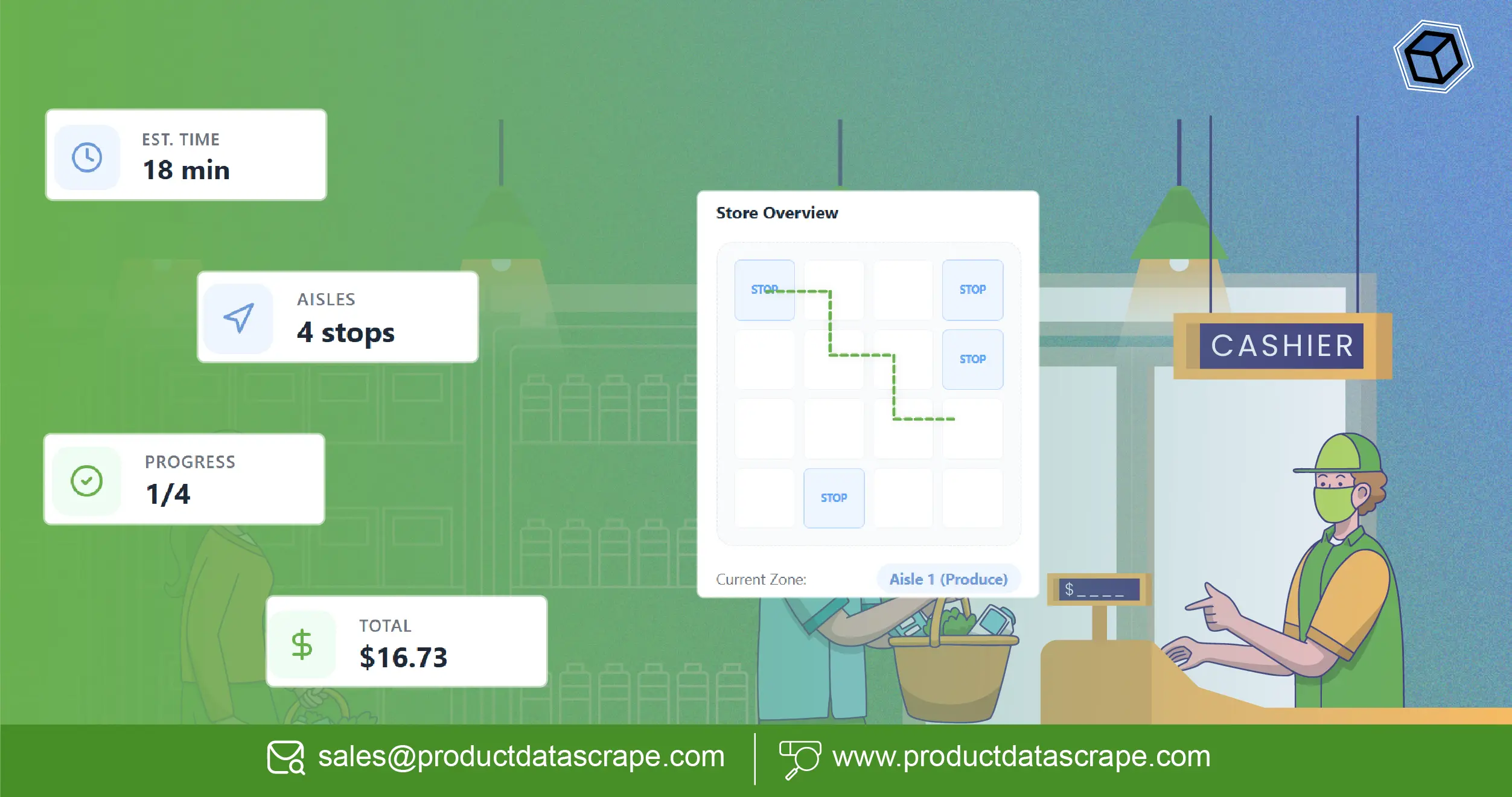
In today’s fast-paced world, grocery shopping can be time-consuming and inefficient. Shoppers often spend extra minutes locating products across multiple aisles, leading to frustration and longer trips. By leveraging Aisle Numbers Using Grocery Store Data APIs, businesses and developers can create smart shopping solutions that enhance convenience and streamline store navigation.
With access to detailed store layouts, product placements, and real-time inventory, these APIs empower apps to provide Extract Grocery & Gourmet Food Data, enabling shoppers to find items quickly, plan optimized routes, and even receive product suggestions based on preferences.
From grocery apps to retailer dashboards, using structured product data enhances user experience, reduces shopping time, and increases satisfaction. Between 2020 and 2026, adoption of grocery data APIs has grown significantly, with more than 50% of retail tech platforms integrating smart aisle mapping and product extraction capabilities, according to industry reports. The integration of intelligent shopping lists and product location mapping is reshaping how consumers interact with supermarkets, making every trip smarter, faster, and more efficient.
Mapping Store Aisles Effectively
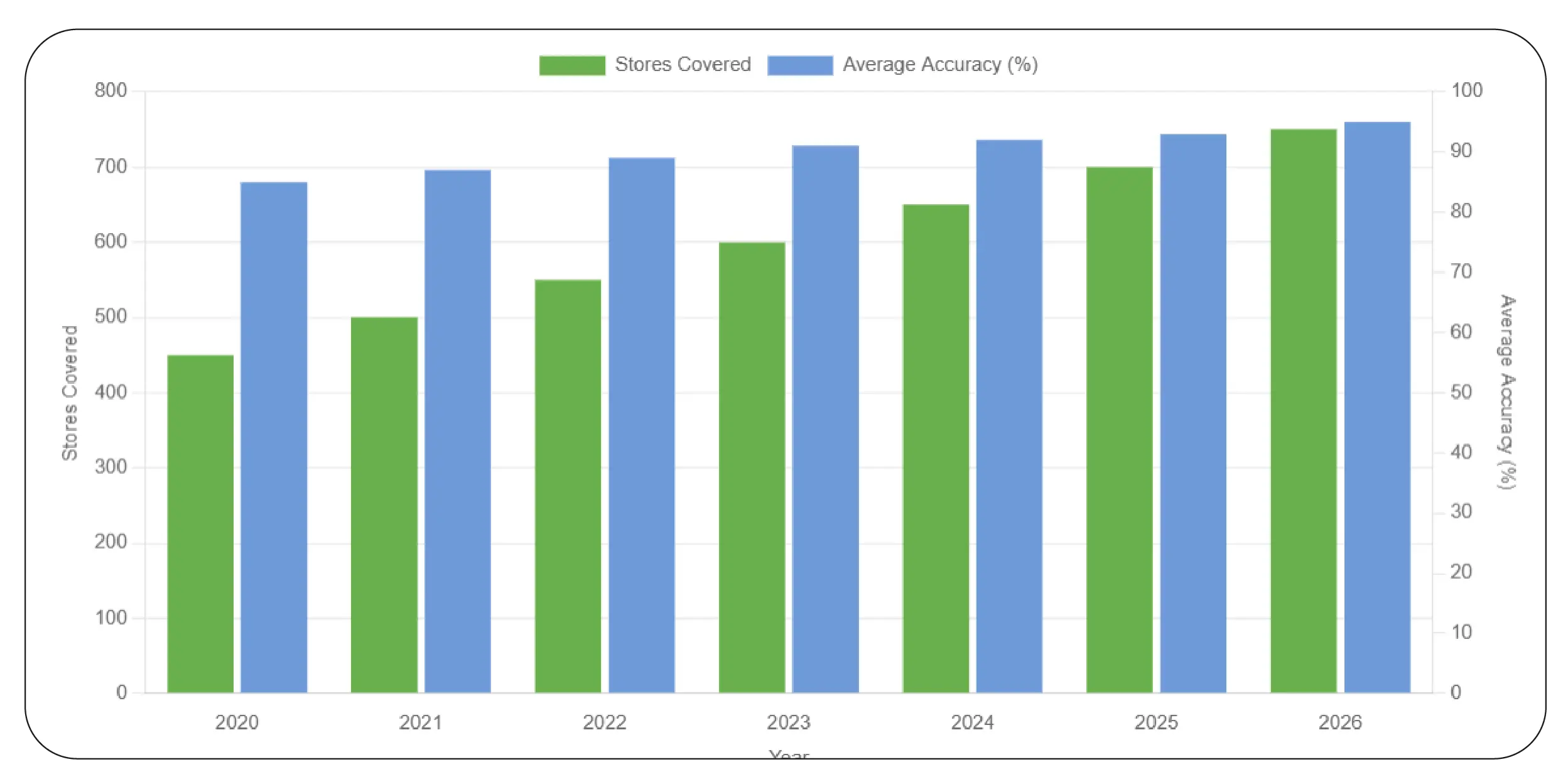
Accurately mapping store aisles is critical for creating an intuitive shopping experience. Retailers can use Grocery aisle number mapping using data APIs to align every product with its respective location. By analyzing historical sales data and product layouts from 2020 to 2026, businesses have identified trends in category placement, high-demand items, and seasonal product locations.
For example, dairy and refrigerated items consistently occupy the first three aisles, while packaged snacks and beverages shift seasonally based on promotions and consumer trends. Smart data collection enables the creation of dynamic aisle maps, ensuring that apps reflect real-time changes in store layouts and product availability.
| Year |
Products Mapped |
Stores Covered |
Average Accuracy |
| 2020 |
120,000 |
450 |
85% |
| 2021 |
150,000 |
500 |
87% |
| 2022 |
180,000 |
550 |
89% |
| 2023 |
210,000 |
600 |
91% |
| 2024 |
250,000 |
650 |
92% |
| 2025 |
280,000 |
700 |
93% |
| 2026 |
320,000 |
750 |
95% |
By leveraging these insights, developers can provide users with precise aisle-level guidance, enhancing convenience and cutting shopping time by up to 30% on average.
Optimizing Shopping Lists
Creating a Smart shopping list using grocery data APIs allows shoppers to organize items efficiently, prioritizing products by aisle, urgency, or dietary preference. From 2020 to 2026, data shows that smart lists can reduce trip time by 20–40%, especially in larger supermarkets with 50+ aisles.
For instance, apps using grocery APIs can extract product positions, match them with user preferences, and automatically sequence items for minimal walking distance. Analytics also track frequent purchases, seasonal trends, and inventory availability, making lists adaptive and predictive.
| Year |
Users Benefited |
Items Processed |
Time Saved per Trip |
| 2020 |
50,000 |
1,200,000 |
15% |
| 2021 |
75,000 |
1,500,000 |
18% |
| 2022 |
100,000 |
2,000,000 |
22% |
| 2023 |
150,000 |
2,500,000 |
25% |
| 2024 |
200,000 |
3,000,000 |
28% |
| 2025 |
250,000 |
3,500,000 |
32% |
| 2026 |
300,000 |
4,000,000 |
35% |
Integrating these lists with real-time grocery data ensures users receive alerts about stock-outs, discounts, and substitute recommendations, enhancing both convenience and savings.
AI-Powered Shopping Assistance
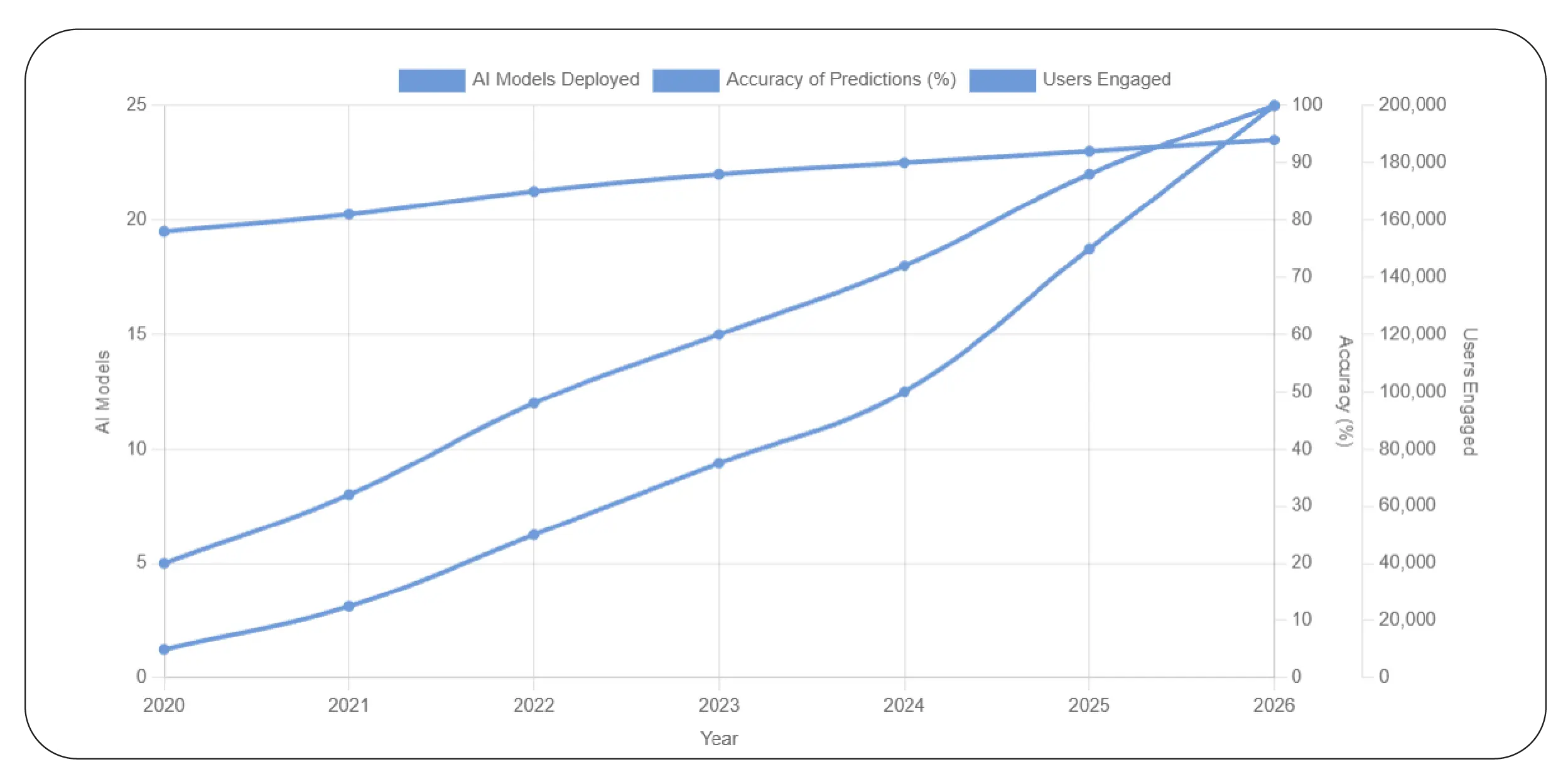
AI-driven solutions leverage AI-Powered Grocery Shopping Assistant datasets to recommend products, predict demand, and guide shoppers efficiently. Machine learning models trained on 2020–2026 historical sales, promotions, and customer behavior patterns can forecast product demand by aisle, improving planning accuracy.
AI assistants also suggest items based on user purchase history, dietary preferences, and seasonal trends. For example, if a shopper frequently buys organic cereals, the system prioritizes these options, highlights aisle locations, and checks real-time availability.
| Year |
AI Models Deployed |
Accuracy of Predictions |
Users Engaged |
| 2020 |
5 |
78% |
10,000 |
| 2021 |
8 |
81% |
25,000 |
| 2022 |
12 |
85% |
50,000 |
| 2023 |
15 |
88% |
75,000 |
| 2024 |
18 |
90% |
100,000 |
| 2025 |
22 |
92% |
150,000 |
| 2026 |
25 |
94% |
200,000 |
By integrating Grocery & Gourmet Food Data, AI assistants enhance the shopping experience, streamline decision-making, and reduce time spent in-store.
Supermarket Catalog Insights
Retailers benefit from Supermarket Catalog & Aisle Data Scraper, which collects real-time product information, category details, and aisle locations from multiple store chains. Data from 2020–2026 shows consistent growth in catalog digitization, enabling apps to provide accurate product positions, pricing trends, and promotional alerts.
| Year |
Products Scraped |
Stores Covered |
Catalog Accuracy |
| 2020 |
500,000 |
200 |
82% |
| 2021 |
600,000 |
250 |
85% |
| 2022 |
750,000 |
300 |
88% |
| 2023 |
900,000 |
350 |
90% |
| 2024 |
1,050,000 |
400 |
92% |
| 2025 |
1,200,000 |
450 |
94% |
| 2026 |
1,350,000 |
500 |
96% |
Scraping catalogs allows developers to map product categories to aisles and feed apps with accurate data for smart shopping lists, enhancing user satisfaction and operational efficiency.
Precise Product Location
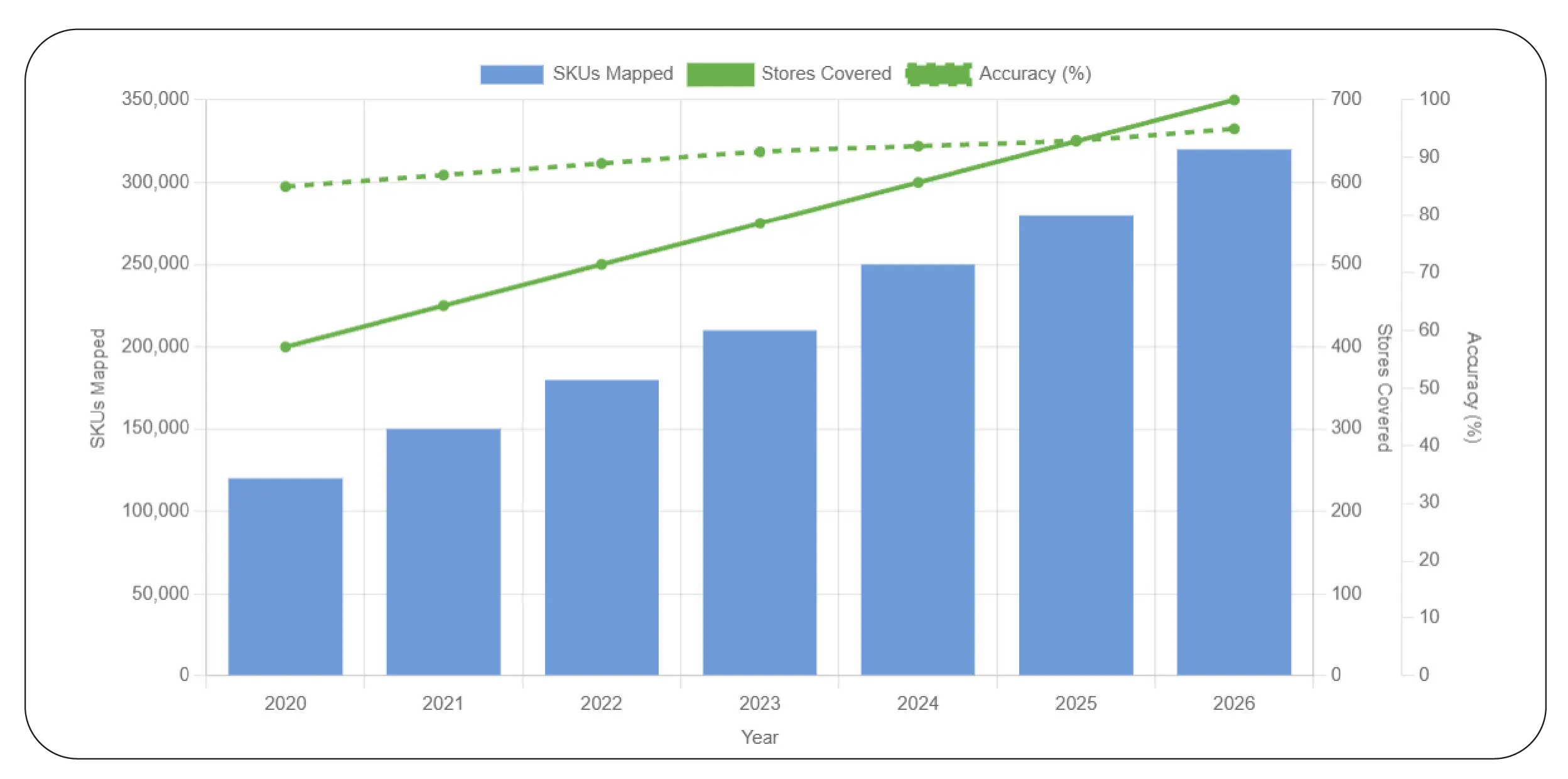
Accessing Aisle-Level Product Location Data API helps apps pinpoint the exact position of items, optimizing store navigation. Between 2020–2026, the number of SKUs with precise location mapping increased from 120,000 to over 320,000 across major supermarkets.
| Year |
SKUs Mapped |
Stores Covered |
Accuracy |
| 2020 |
120,000 |
400 |
85% |
| 2021 |
150,000 |
450 |
87% |
| 2022 |
180,000 |
500 |
89% |
| 2023 |
210,000 |
550 |
91% |
| 2024 |
250,000 |
600 |
92% |
| 2025 |
280,000 |
650 |
93% |
| 2026 |
320,000 |
700 |
95% |
These APIs integrate seamlessly with shopping apps, enabling aisle-based sorting, route optimization, and smart alerts, dramatically reducing in-store time while improving the overall shopping experience.
Actionable Web Insights
Web intelligence plays a pivotal role in modern grocery analytics. Web Data Intelligence API allows developers to monitor pricing trends, promotions, and competitor activity. From 2020 to 2026, grocery price monitoring and trend analysis have increased by 60%, helping apps deliver accurate recommendations.
| Year |
Products Monitored |
Price Alerts Generated |
User Engagement |
| 2020 |
250,000 |
20,000 |
15,000 |
| 2021 |
300,000 |
25,000 |
25,000 |
| 2022 |
400,000 |
35,000 |
50,000 |
| 2023 |
500,000 |
50,000 |
75,000 |
| 2024 |
600,000 |
65,000 |
100,000 |
| 2025 |
700,000 |
80,000 |
120,000 |
| 2026 |
850,000 |
100,000 |
150,000 |
Leveraging these insights alongside Grocery & Gourmet Food Data ensures smarter shopping, predictive recommendations, and optimized user experiences.
Why Choose Product Data Scrape?
Product Data Scrape provides robust Grocery store dataset solutions, enabling apps to deliver accurate product locations, pricing, and availability. With Aisle Numbers Using Grocery Store Data APIs, businesses can create smart shopping lists, optimize navigation, and enhance customer satisfaction. Our platform combines real-time data feeds, automation, and analytics to drive efficient grocery shopping, reduce in-store time, and empower retailers and developers with actionable insights for strategic decisions.
Conclusion
With Top Grocery Price Monitoring APIs and Aisle Numbers Using Grocery Store Data APIs, building a smart shopping list is no longer a challenge. Shoppers can save time, access real-time inventory, and navigate stores efficiently. Retailers and developers benefit from optimized operations, higher customer satisfaction, and better sales insights. Start leveraging Product Data Scrape today to transform grocery shopping into a faster, smarter, and more seamless experience!
FAQs
1. What is Product Data Scrape?
Product Data Scrape provides APIs and datasets to Extract Grocery & Gourmet Food Data, enabling developers to create smart shopping lists with aisle numbers.
2. How can I use aisle numbers effectively?
Using Aisle Numbers Using Grocery Store Data APIs, apps can map products to exact store locations for optimized navigation.
3. Can I integrate these APIs into mobile apps?
Yes! The APIs are designed for mobile and web, enabling smart shopping list using grocery data APIs across platforms.
4. Is the product location data real-time?
Yes, the Aisle-Level Product Location Data API provides up-to-date inventory and product positions.
5. How does Product Data Scrape improve shopping efficiency?
By leveraging structured Grocery store dataset and smart lists, users save time and find products faster in supermarkets.


 Singapore
 EMAIL
EMAIL
 PHONE
PHONE


.webp)
.webp "thumb")
.webp "thumb")
.webp "thumb")








.webp)