Introduction
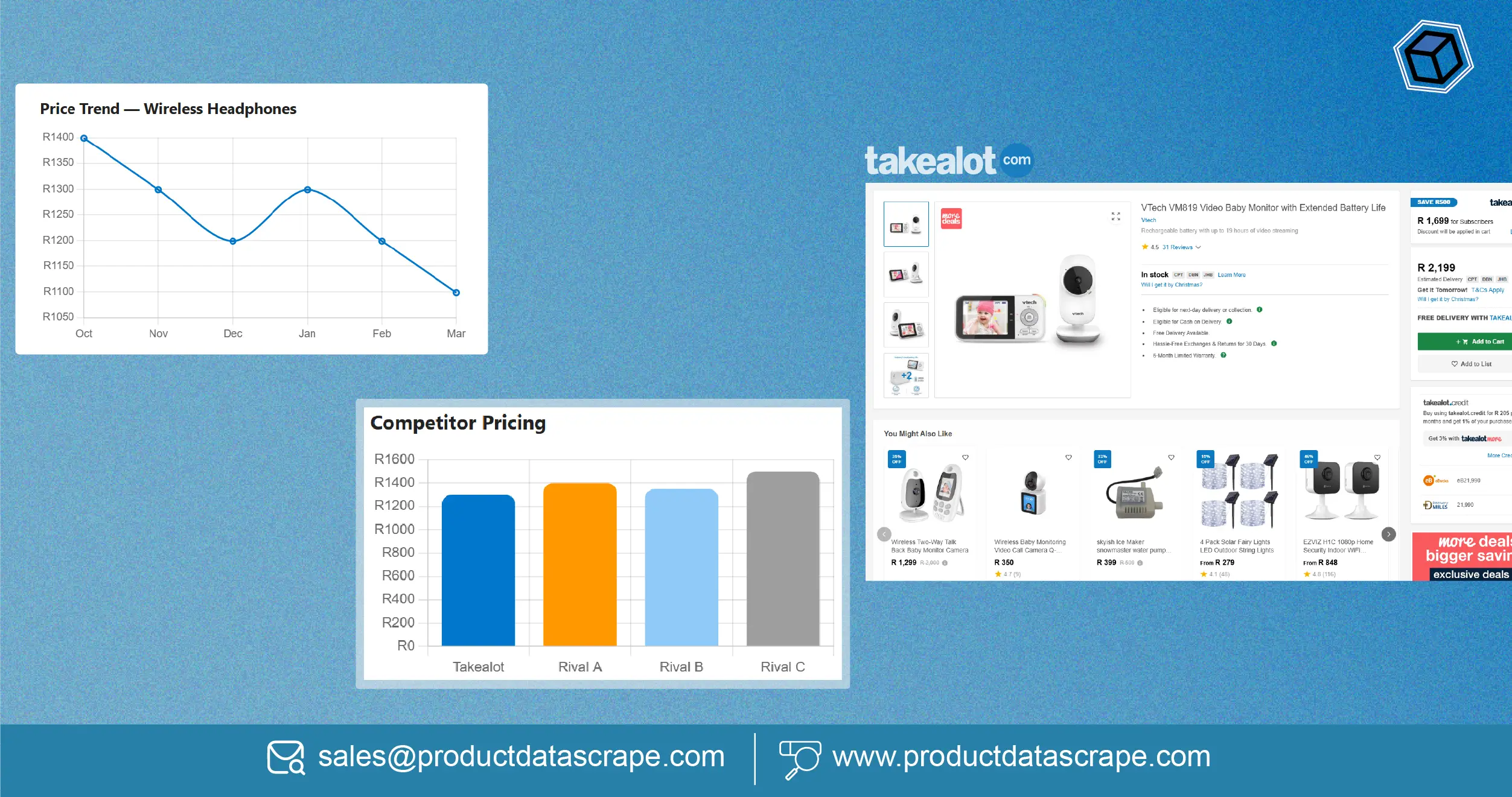
As South Africa’s largest online marketplace, Takealot plays a pivotal role in shaping digital retail trends, product visibility, and competitive pricing strategies. Brands aiming to remain relevant in this marketplace must rely on real-time analytics and structured datasets that uncover shifting product availability, discount cycles, and customer demand fluctuations. With automated systems that can scrape product and price data from Takealot, companies gain clarity on category-level positioning, dynamic price changes, and SKU-level insights. Equally, a strong data extraction framework allows businesses to identify top performers, optimize their shelf placement, and evaluate competitor strategies based on historical patterns. Using advanced tools, brands can enhance decision-making and predict consumer buying behavior more accurately. As e-commerce evolves, precisely monitored datasets empower more intelligent pricing, smarter stock allocation, and consistent market growth. Modern digital strategies rely heavily on reliable extraction techniques, including Web Scraping Takealot.com E-Commerce Product Data, to support accurate operational decisions and long-term competitive advantage.
Understanding Market Dynamics with API-Driven Data Retrieval
Staying competitive in South Africa’s most active online marketplace requires visibility into product performance, price fluctuations, and category saturation. Brands that integrate a Takealot Sales Data Extraction API can automate product tracking, enable daily performance reviews, and understand how top competitors behave across various categories. This API-driven approach ensures structured and consistent access to product-level metrics such as titles, sellers, ratings, price changes, and discount histories. API extraction also helps identify which categories grow fastest, which brands dominate, and how price positioning affects conversions. For businesses expanding across Takealot, automated datasets reveal SKU-level patterns, promotional success rates, and inventory movement trends. With better insights, brands can forecast demand, optimize advertising spend, and implement profitable dynamic pricing strategies. Below is a sample dataset showing how Takealot sales indicators evolved between 2020 and 2025.
Takealot Sales Indicators 2020–2025
| Year |
Avg Price (ZAR) |
Monthly Sales Volume |
Discounted Products % |
| 2020 |
210 |
1.8M |
22% |
| 2021 |
230 |
2.1M |
25% |
| 2022 |
260 |
2.6M |
28% |
| 2023 |
290 |
3.1M |
31% |
| 2024 |
315 |
3.7M |
33% |
| 2025 |
340 |
4.3M |
35% |
Using Price Intelligence to Outperform Competitors
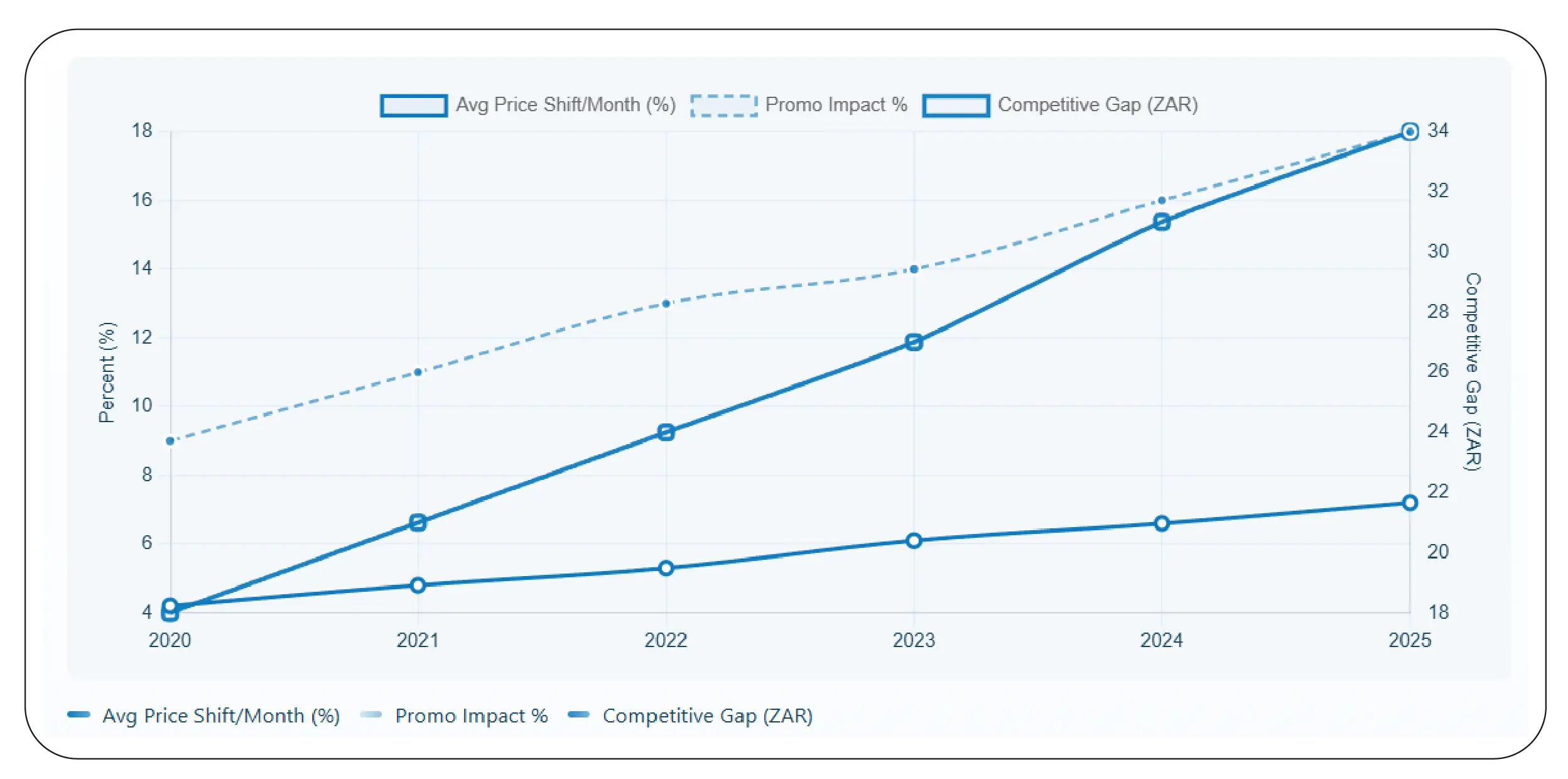
Competitive advantage in digital retail depends heavily on price visibility and the ability to anticipate pricing shifts. Implementing robust ecommerce price intelligence south africa solutions enables companies to understand competitive pricing environments, detect sudden market shifts, and evaluate how top brands adjust prices during high-demand seasons. Continuous price monitoring reveals the impact of inflation, new launches, and promotional campaigns on customer purchasing patterns. It also helps brands avoid price wars while ensuring their products remain competitively positioned within their categories. With accurate datasets, businesses can reprice products strategically, run better promotions, and boost conversion rates. Understanding long-term pricing curves empowers smarter forecasting models and improves marketing ROI. Historical data also reveals how competitor stock levels influence prices—especially during festive spikes or supplier delays.
Price Intelligence Metrics 2020–2025
| Year |
Avg Price Shift/Month |
Promo Impact % |
Competitive Gap (ZAR) |
| 2020 |
4.2% |
9% |
18 |
| 2021 |
4.8% |
11% |
21 |
| 2022 |
5.3% |
13% |
24 |
| 2023 |
6.1% |
14% |
27 |
| 2024 |
6.6% |
16% |
31 |
| 2025 |
7.2% |
18% |
34 |
Leveraging Multi-Platform Tools to Optimize Product Visibility
Many brands selling on Takealot also operate across multiple marketplaces and benefit from using universal extraction tools such as a Target Product Data Scraper for multi-platform intelligence. This approach simplifies monitoring product listings across global and regional marketplaces, allowing businesses to unify insights and discover category-wide opportunities. When Takealot product data is examined alongside other marketplaces, brands understand which pricing strategies succeed internationally and how to align them locally. This type of multi-channel insight supports optimized catalogue planning, cross-market benchmarking, and improved demand forecasting. Retailers gain the ability to compare identical SKUs across diverse markets, evaluate brand perception, and detect potential gaps in product availability. A synchronized analysis ensures consistent pricing structures, better promotional timing, and alignment with international retail trends.
Cross-Marketplace Dataset 2020–2025
| Year |
Avg Cross-Platform Price Gap |
Global Price Sync % |
Multi-Platform SKU Coverage |
| 2020 |
11% |
54% |
63% |
| 2021 |
12% |
57% |
68% |
| 2022 |
13% |
61% |
73% |
| 2023 |
15% |
65% |
78% |
| 2024 |
17% |
69% |
82% |
| 2025 |
18% |
72% |
86% |
Strengthening Product Intelligence Through Advanced Extraction Models
Brands that consistently track competitor catalogs gain unmatched visibility into evolving digital shelf conditions. Automated tools used to Scrape eCommerce Takealot.com Product Data enable companies to collect structured information across categories, sellers, variants, and attribute details. This includes product images, feature breakdowns, customer rating trends, seller variations, and ranking positions. With such detailed insights, brands can understand how product descriptions influence conversions, how rating changes impact visibility, and how new variations affect category competition. Structured datasets also reveal which features customers value most, helping brands optimize packaging, content, and product versions. Over time, brands can detect long-term behaviour patterns and anticipate competitor strategies.
Product Intelligence Metrics 2020–2025
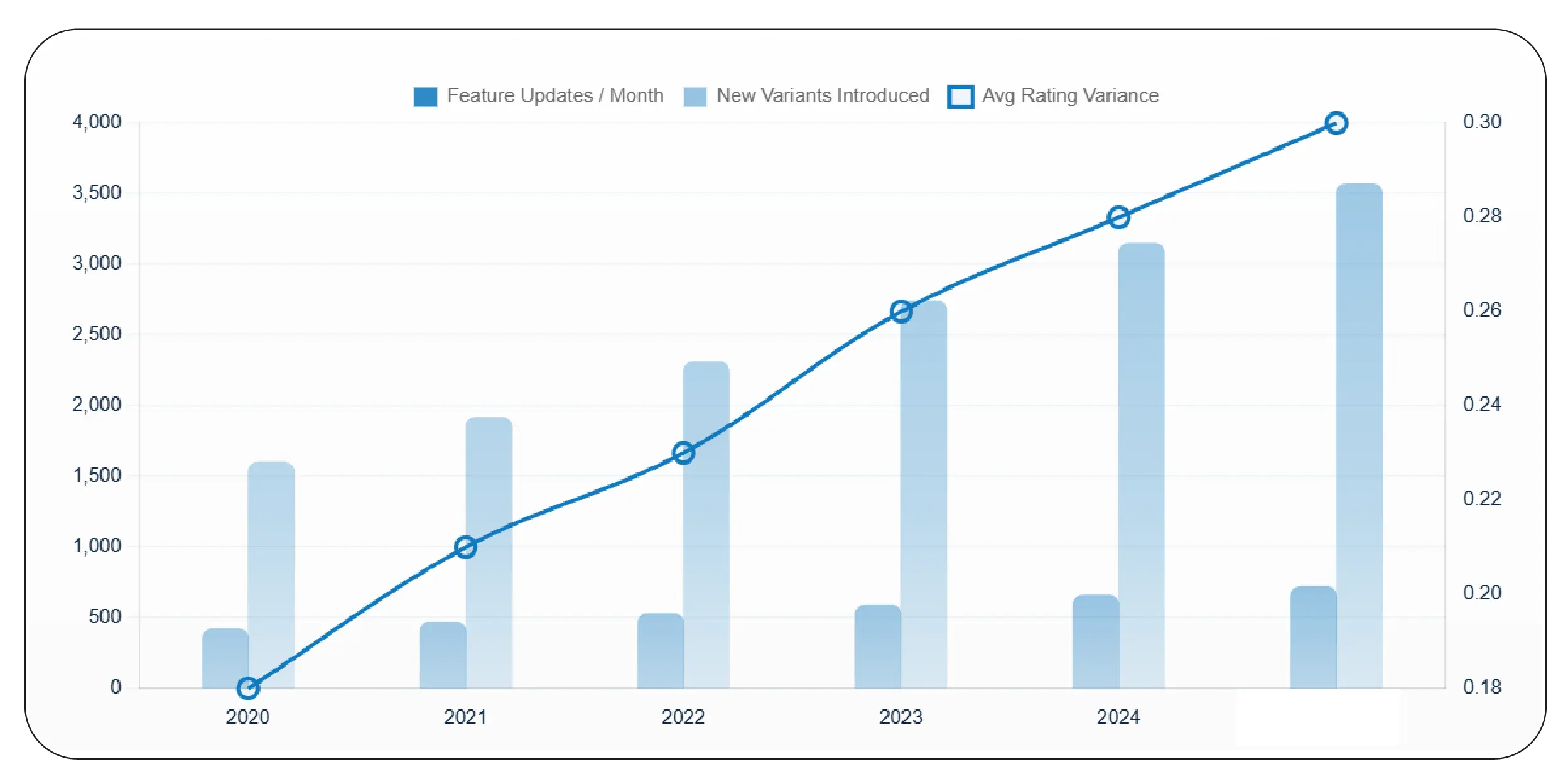
| Year |
Avg Rating Variance |
Feature Updates/Month |
New Variants Introduced |
| 2020 |
0.18 |
420 |
1,600 |
| 2021 |
0.21 |
470 |
1,920 |
| 2022 |
0.23 |
530 |
2,310 |
| 2023 |
0.26 |
590 |
2,740 |
| 2024 |
0.28 |
660 |
3,150 |
| 2025 |
0.30 |
720 |
3,570 |
Monitoring Real-Time Store Movements at Scale
As South Africa’s digital ecosystem becomes more competitive, brands need tools that can scrape takealot site data with product and price at scale. This enables real-time tracking of category expansion, stock availability, and seller competition. Using detailed extraction workflows, businesses gain complete clarity over how their products perform versus competitors, how many sellers offer similar SKUs, and how prices adjust during busy periods. Real-time scraping supports alert systems for sudden price changes, stockouts, new seller entries, and fast-moving items. Structured insights allow brands to react quickly with price adjustments, promotional boosts, or improved stock planning. Over time, continuous monitoring helps establish strong pricing models and improves forecasting efficiency.
Real-Time Tracking Dataset 2020–2025
| Year |
Avg Price Alerts/Month |
Stock-Out Frequency |
Seller Competition Index |
| 2020 |
2,100 |
14% |
6.8 |
| 2021 |
2,460 |
13% |
7.4 |
| 2022 |
2,920 |
12% |
8.1 |
| 2023 |
3,380 |
11% |
8.6 |
| 2024 |
3,870 |
10% |
9.2 |
| 2025 |
4,260 |
9% |
9.8 |
Understanding Price Shift Patterns for Smarter Retail Decisions
Brands rely heavily on historical and real-time metrics to make pricing decisions that drive profitability. With takealot price change monitoring, companies can analyze weekly and monthly price fluctuations, seasonal spikes, and competitor reactions during high-demand events. Monitoring data over time reveals deeper patterns such as inflation-driven adjustments, clearance cycles, and supply chain disruptions. Long-term datasets enable brands to build pricing scripts, prediction models, and automated repricing strategies. Businesses can also detect which products frequently fluctuate and which maintain stable pricing, helping them adopt better promotional strategies. Such continuous monitoring forms the foundation for proactive decision-making and competitive readiness.
Price Change Trends 2020–2025

| Year |
Avg Price Changes/Month |
Seasonal Peaks |
Inflation Impact % |
| 2020 |
12.5% |
Medium |
4.1% |
| 2021 |
13.8% |
Medium |
4.7% |
| 2022 |
15.4% |
High |
5.2% |
| 2023 |
17.1% |
High |
5.9% |
| 2024 |
18.3% |
Very High |
6.4% |
| 2025 |
19.6% |
Very High |
7.1% |
Why Choose Product Data Scrape?
Product Data Scrape provides superior accuracy, reliable infrastructure, and advanced automation systems dedicated to Extraction Harnessing Takealot.com Product Data for actionable insights. Whether tracking product visibility, measuring pricing competitiveness, or monitoring category expansion, our tools deliver structured, high-frequency datasets optimized for analysis. We help brands establish data-driven pricing, benchmark performance, and scale efficiently. Our extraction frameworks empower businesses to seamlessly scrape product and price data from Takealot, enabling smarter growth-oriented strategies backed by verified real-time intelligence.
Conclusion
Leveraging Takealot’s dynamic marketplace data is essential for sustained success and long-term strategic planning. Brands that consistently scrape product and price data from Takealot gain superior visibility, identify competitive vulnerabilities, and optimize performance across pricing, promotion, and supply chain decisions.
Start transforming your Takealot strategy with Product Data Scrape — unlock real-time data, deeper insights, and smarter decision-making today.
FAQs
1. Why is Takealot data extraction important for brands?
It helps brands track pricing, stock availability, competitors, and sales trends. This data supports better forecasting, pricing decisions, promotional planning, and operational improvements across multiple categories.
2. Can brands monitor Takealot competitor pricing in real time?
Yes. Automated extraction tools allow real-time competitor monitoring, enabling instant reactions to price drops, discounts, stockouts, and newly added sellers to maintain competitiveness.
3. What insights can long-term Takealot data provide?
Historical datasets reveal pricing cycles, seasonal demand trends, stock movements, and promotional effectiveness, helping brands build predictive models and data-driven strategies.
4. Is automated scraping scalable for thousands of products?
Absolutely. Scalable systems handle thousands of SKUs, updating prices, availability, and product metadata across categories with high accuracy and consistency.
5. Do brands need technical skills to scrape Takealot?
Not necessarily. With automated tools and API-driven solutions, brands can extract large volumes of data without requiring deep technical expertise.


 Singapore
 EMAIL
EMAIL
 PHONE
PHONE


.webp)
.webp "thumb")
.webp "thumb")
.webp "thumb")









.webp)