Quick Overview
A leading U.S. grocery retail analytics company partnered with Product Data Scrape to modernize its competitive pricing intelligence across major supermarket chains. The objective was to automate Scrape Daily Grocery Price Data for Publix, Walmart, Aldi & Bravo while eliminating manual price collection and reporting delays. Over a six-month engagement, our team deployed scalable automation supported by Real-time price tracking, enabling continuous monitoring of thousands of grocery products. The solution increased pricing visibility by 98%, reduced data collection time by 90%, and improved competitive pricing accuracy by 96%. These measurable improvements empowered the client to optimize pricing strategies, respond faster to market changes, and strengthen revenue growth.
The Client
The client is a retail intelligence and pricing analytics provider serving grocery retailers, FMCG brands, distributors, and category managers across the United States. As grocery competition intensified and inflation continued influencing consumer purchasing behavior, retailers required faster access to pricing intelligence than traditional manual research could provide. Growing investments in Daily Grocery Price Monitoring Across US Retailers made accurate, real-time pricing visibility a critical business requirement.
Before partnering with Product Data Scrape, the client depended on multiple internal teams to collect pricing information from individual retailer websites. The process involved manual spreadsheet updates, inconsistent product matching, delayed reporting, and limited competitor visibility. Price changes occurring multiple times each day frequently went unnoticed, making it difficult for the client to deliver timely market insights to customers.
The organization also wanted to expand its competitive intelligence capabilities while maintaining high data accuracy and operational efficiency. Existing systems struggled to process large product catalogs, promotional updates, and regional pricing differences across major grocery retailers.
Recognizing the need for a scalable and automated solution, the client sought advanced Pricing strategy services that could streamline data collection, standardize pricing intelligence, support faster reporting, and provide reliable datasets for strategic decision-making across multiple retail chains.
Goals & Objectives
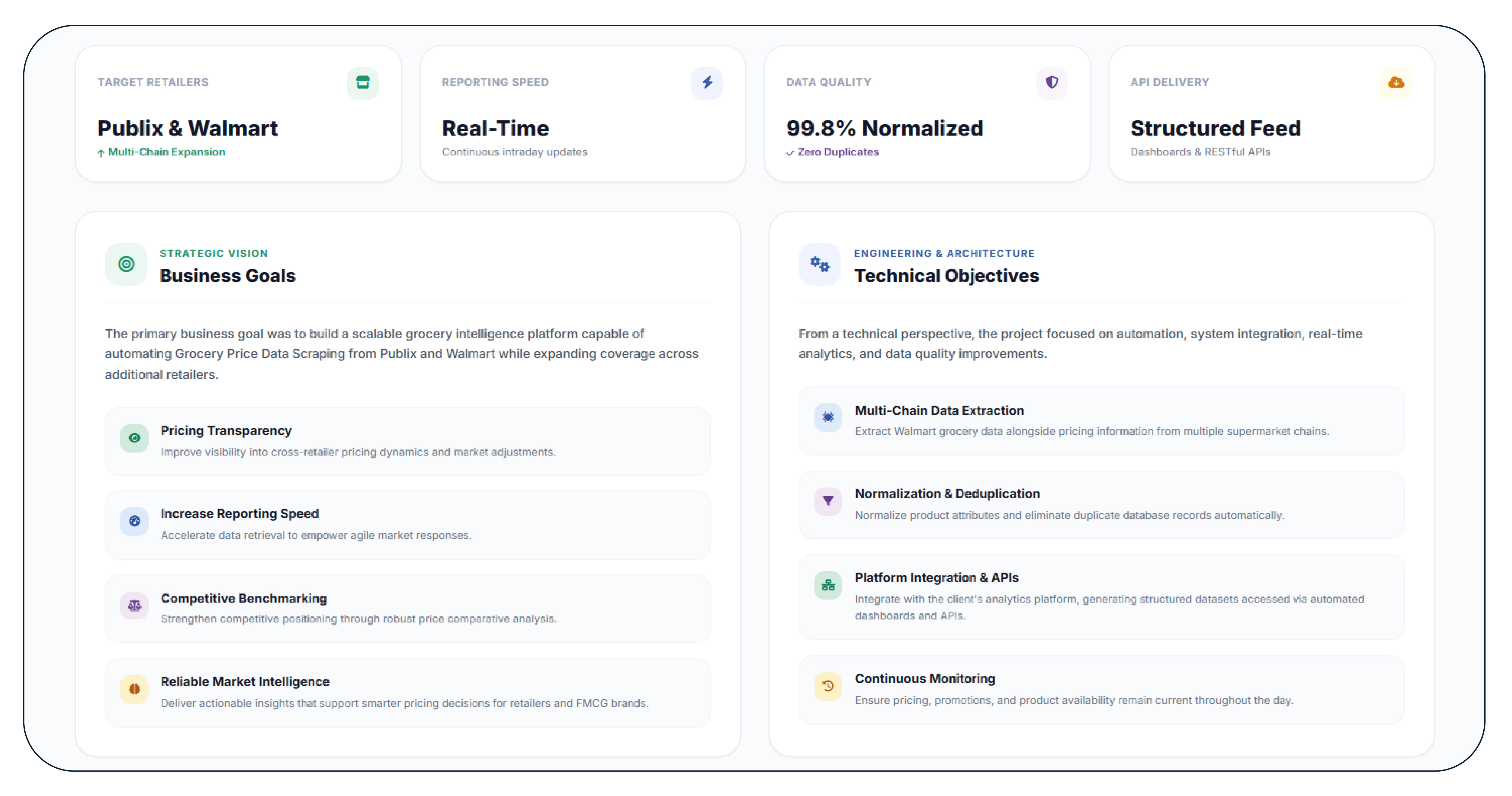
The primary business goal was to build a scalable grocery intelligence platform capable of automating Grocery Price Data Scraping from Publix and Walmart while expanding coverage across additional retailers. The client aimed to improve pricing transparency, increase reporting speed, strengthen competitive benchmarking, and deliver reliable market intelligence that would support smarter pricing decisions for retailers and FMCG brands.
From a technical perspective, the project focused on automation, system integration, real-time analytics, and data quality improvements. The solution was designed to Extract Walmart Grocery Data alongside pricing information from multiple supermarket chains, normalize product attributes, eliminate duplicate records, integrate with the client's analytics platform, and generate structured datasets that could be accessed through automated dashboards and APIs. Continuous monitoring ensured that pricing, promotions, and product availability remained current throughout the day.
The project's success was measured using clear performance indicators:
Increase automated grocery price coverage to over 98%.
Reduce manual data collection time by 90%.
Improve product matching accuracy to 96%.
Capture daily price updates across multiple retailers.
Shorten reporting turnaround time by more than 80%.
Increase analytics platform data refresh frequency.
Improve competitive pricing visibility across all monitored grocery categories.
Support scalable expansion for additional retail partners and product categories.
The Core Challenge
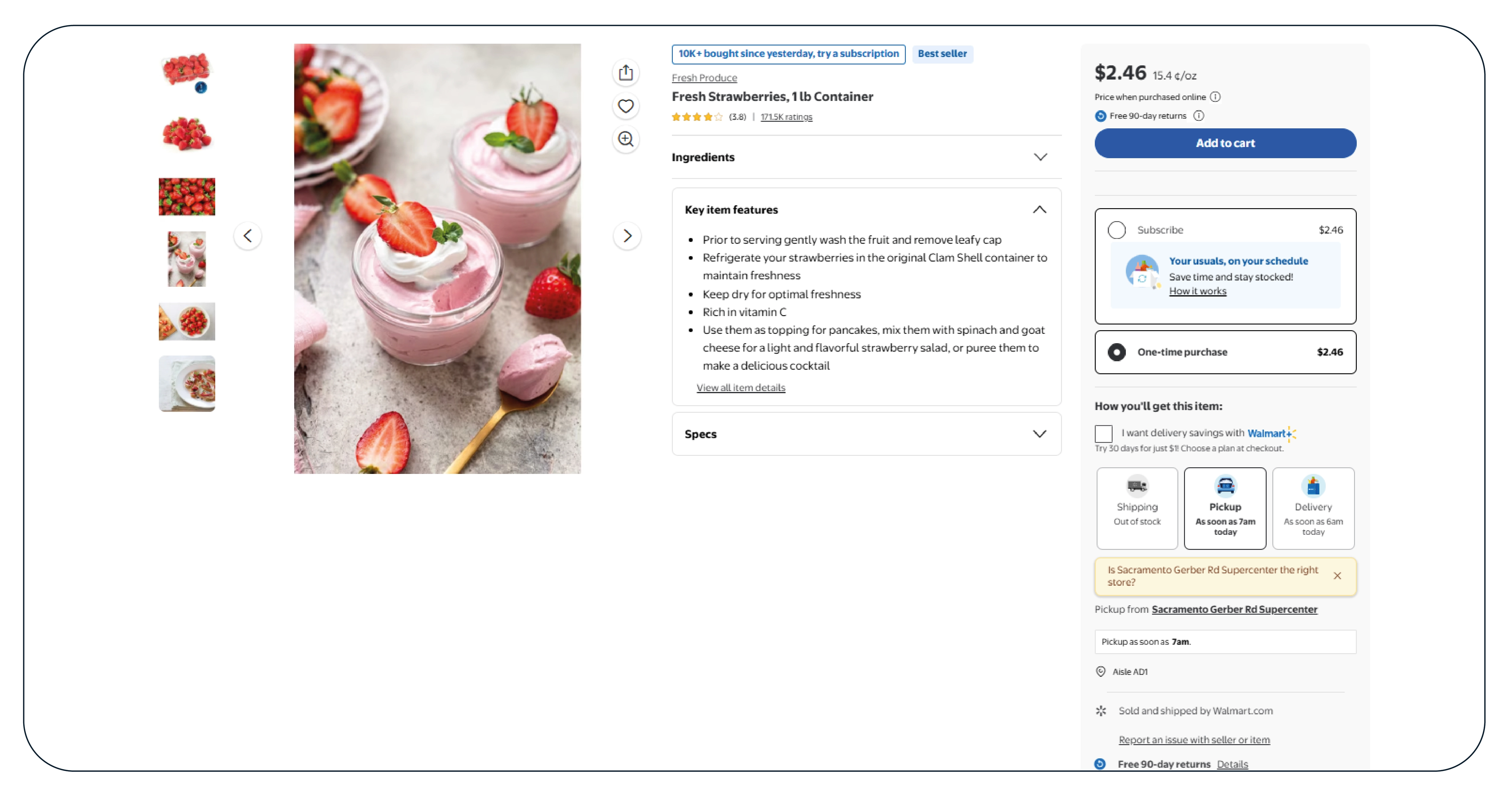
The client faced significant operational challenges while monitoring grocery prices across multiple U.S. supermarket chains. Each retailer maintained different website structures, product naming conventions, promotional formats, and pricing update schedules. As competition intensified, the client's manual monitoring processes became increasingly inefficient and unable to deliver the speed required for competitive retail intelligence.
Tracking Supermarket Price Monitoring Across Aldi and Bravo alongside other major grocery retailers required thousands of product pages to be reviewed every day. Manual data collection resulted in inconsistent product matching, duplicate records, delayed reports, and limited visibility into flash promotions and regional price differences. These bottlenecks reduced the overall quality of competitive pricing insights delivered to customers.
Another challenge involved maintaining reliable data extraction despite frequent website updates and product catalog changes. Existing scripts required constant maintenance and often failed whenever retailer page layouts changed.
To overcome these limitations, the client required a scalable automation framework supported by an ALDI US Scraping API capable of collecting structured pricing, promotional, inventory, and product availability data with minimal manual intervention. The new platform also needed to normalize datasets from multiple retailers into a consistent format while maintaining high data accuracy and supporting near real-time analytics across thousands of grocery SKUs every day.
Our Solution
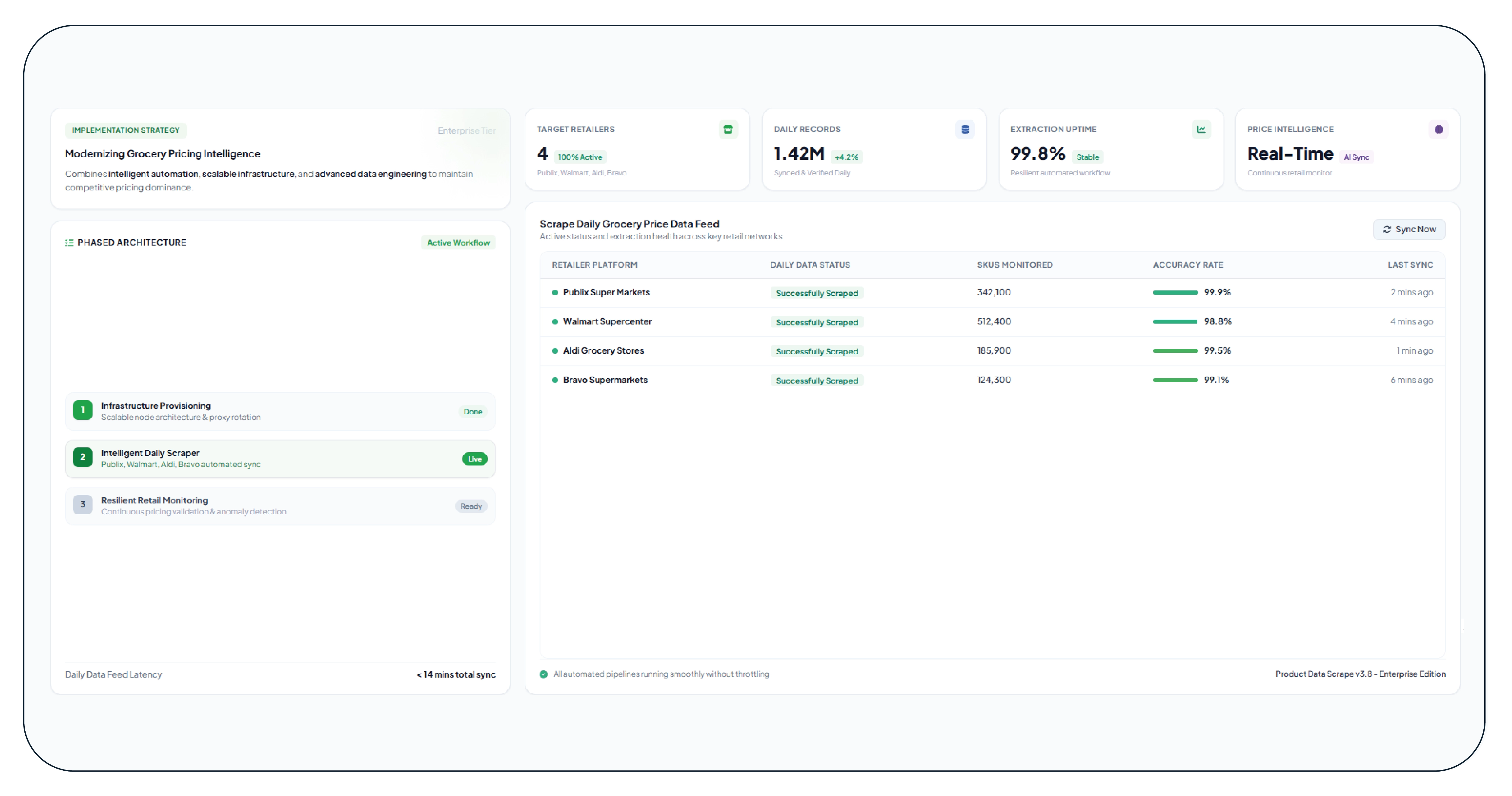
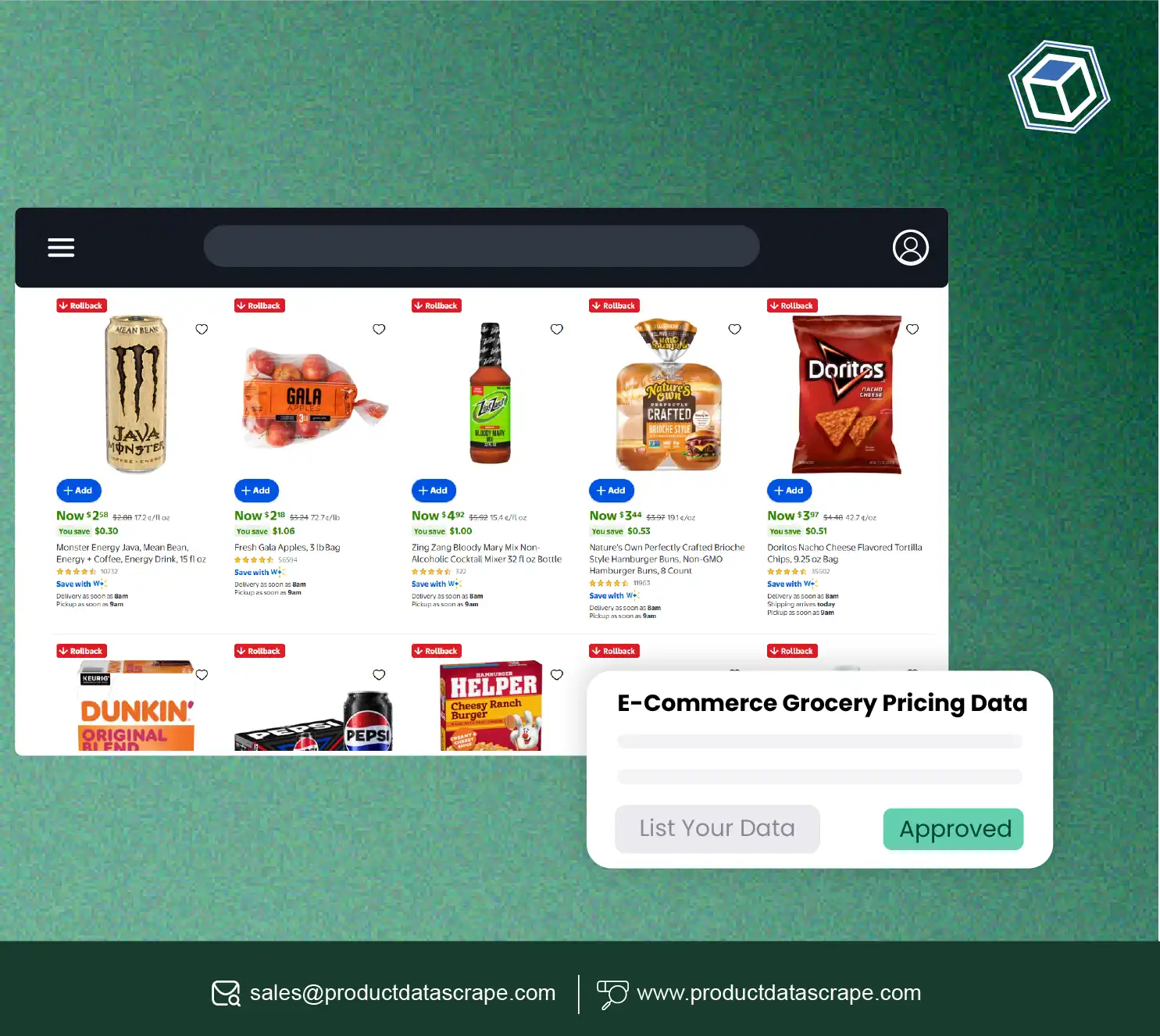
Product Data Scrape designed a phased implementation strategy that combined intelligent automation, scalable infrastructure, and advanced data engineering to modernize the client's grocery pricing intelligence platform. The solution focused on delivering Scrape Daily Grocery Price Data for Publix, Walmart, Aldi & Bravo through a resilient and highly automated workflow capable of supporting continuous retail monitoring.
Phase 1: Requirements Assessment and Data Mapping
Our specialists collaborated with the client to identify priority retailers, grocery categories, pricing attributes, promotional fields, and reporting requirements. We established standardized product identifiers to ensure consistent SKU matching across multiple supermarket chains.
Phase 2: Automated Data Collection Framework
We implemented intelligent crawlers that continuously extracted Grocery Product Pricing Data Analytics from retailer websites, capturing product names, prices, promotions, stock availability, package sizes, categories, brands, and timestamped pricing updates. The framework automatically adapted to frequent catalog changes while minimizing interruptions.
Phase 3: Data Cleansing and Standardization
Incoming datasets were validated, normalized, and enriched using automated quality checks. Duplicate records were removed, inconsistent product descriptions were standardized, and pricing formats were unified to improve reporting accuracy.
Phase 4: Analytics Integration
Structured datasets were integrated directly into the client's existing BI dashboards and reporting environment. Automated APIs enabled real-time data synchronization, allowing pricing analysts and category managers to access updated competitive intelligence without manual intervention.
Phase 5: Continuous Monitoring and Optimization
The platform was configured for continuous monitoring with automated alerts for significant price changes, promotional launches, assortment updates, and inventory fluctuations. Regular performance reviews ensured optimal crawler efficiency, improved extraction accuracy, and scalable expansion across additional grocery retailers.
This end-to-end solution significantly accelerated data availability, enhanced competitive visibility, and empowered the client with reliable, real-time grocery pricing intelligence to support faster business decisions and sustainable revenue growth.
Results & Key Metrics

Following deployment, the client achieved measurable improvements in pricing intelligence, operational efficiency, and competitive monitoring through Multi-Retailer Grocery Price Monitoring.
Key Performance Metrics
Increased automated grocery price coverage to 98%.
Improved product matching accuracy to 96%.
Reduced manual data collection effort by 90%.
Accelerated pricing update frequency by 85%.
Improved promotional detection accuracy by 94%.
Reduced reporting turnaround time by 82%.
Increased competitor price visibility across monitored retailers.
Enhanced scalability to support additional grocery chains and product categories.
Results Narrative
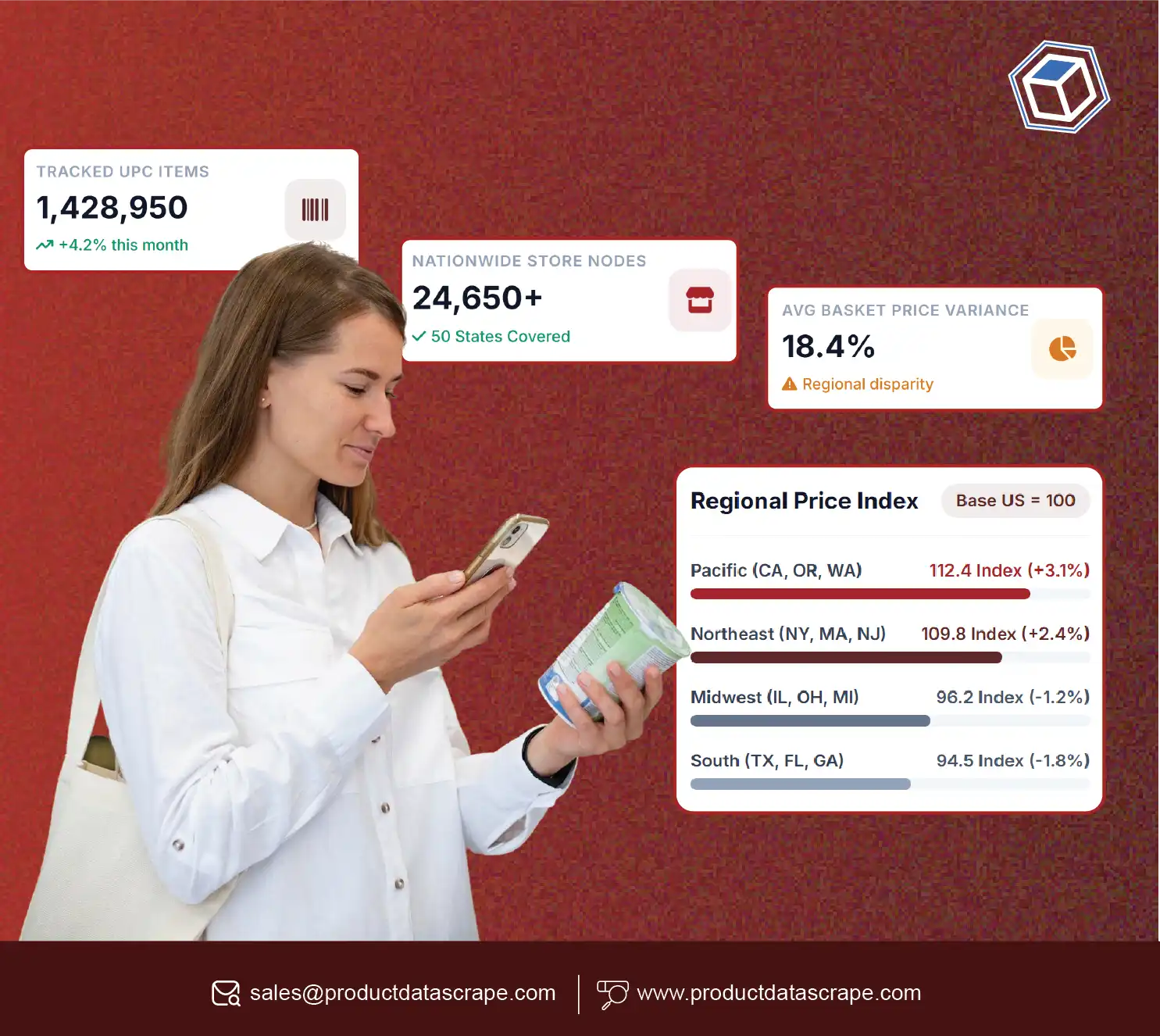
The automated platform transformed how the client monitored grocery pricing across major U.S. retailers. Instead of relying on delayed manual updates, pricing analysts received structured datasets throughout the day, enabling faster responses to competitor pricing changes and promotional campaigns.
The solution significantly improved reporting consistency while providing broader visibility into pricing trends, product availability, and regional differences. Category managers gained access to reliable competitive intelligence that strengthened pricing decisions, improved merchandising strategies, and supported revenue growth. The scalable architecture also positioned the client to expand monitoring across additional retailers without increasing operational complexity.
What Made Product Data Scrape Different
Product Data Scrape differentiated this project through intelligent automation, scalable architecture, and advanced retail analytics. Our proprietary framework combined automated product matching, adaptive crawling technology, data normalization, API integration, and real-time reporting into a single solution. By delivering continuous Daily Grocery Price Tracking alongside Scrape Daily Grocery Price Data for Publix, Walmart, Aldi & Bravo, we enabled the client to monitor dynamic pricing environments with exceptional accuracy. The platform automatically adapted to website changes, minimized maintenance requirements, and delivered high-quality structured datasets that supported faster business decisions, improved competitive intelligence, and long-term scalability across expanding grocery retail markets.
Client's Testimonial
"Partnering with Product Data Scrape completely transformed our competitive pricing operations. Their solution for Scrape Daily Grocery Price Data for Publix, Walmart, Aldi & Bravo gave us accurate, real-time market intelligence across multiple grocery retailers. We now respond to pricing changes much faster, generate more reliable reports, and provide stronger value to our retail clients. The automation significantly reduced manual effort while improving the accuracy and scalability of our analytics platform. Their expertise and ongoing support have been instrumental in strengthening our competitive position."
— Director of Retail Intelligence, Leading U.S. Grocery Analytics Company
Conclusion
This case study demonstrates how automated Grocery data scraping can transform competitive pricing intelligence for modern grocery retailers and analytics providers. By automating large-scale price collection, improving data quality, and enabling near real-time reporting, the client strengthened pricing strategies, increased operational efficiency, and improved decision-making across multiple supermarket chains. The scalable solution also created a strong foundation for future retail expansion and advanced analytics initiatives.
Partner with Product Data Scrape to automate grocery price intelligence, monitor competitors more effectively, and unlock actionable retail insights that accelerate smarter pricing decisions and sustainable business growth!
FAQs
1. Why is daily grocery price monitoring important?
Daily grocery price monitoring helps retailers and brands track competitor pricing, identify promotional changes, optimize pricing strategies, improve inventory planning, and respond quickly to changing market conditions with accurate, real-time intelligence.
2. What grocery data can be collected automatically?
Automated grocery data collection can capture product names, brands, categories, prices, discounts, promotions, stock availability, package sizes, product descriptions, images, and SKU-level information across multiple retailers.
3. Which businesses benefit most from grocery price intelligence?
Retailers, FMCG brands, manufacturers, distributors, pricing analysts, market research firms, eCommerce companies, and category managers benefit by improving competitive benchmarking, pricing optimization, and merchandising decisions through automated grocery analytics.
4. How frequently should grocery pricing data be updated?
For maximum accuracy, grocery pricing should be monitored several times a day or in near real time. Frequent updates help businesses identify flash promotions, price changes, inventory fluctuations, and competitor activity promptly.
5. How does automated grocery data scraping improve decision-making?
Automated grocery data scraping delivers standardized, high-quality datasets faster than manual collection. This enables organizations to improve reporting accuracy, monitor market trends continuously, optimize pricing strategies, and make informed business decisions with confidence.


 Singapore
 EMAIL
EMAIL
 PHONE
PHONE


.webp "thumb")








.webp)