Introduction
In the modern retail ecosystem, maintaining consistent pricing across multiple distribution channels has become one of the most critical challenges for national brands. With hundreds of resellers operating across ecommerce marketplaces, quick commerce platforms, and offline channels, price inconsistencies are almost inevitable. These inconsistencies not only disrupt customer trust but also weaken brand positioning and long-term profitability.
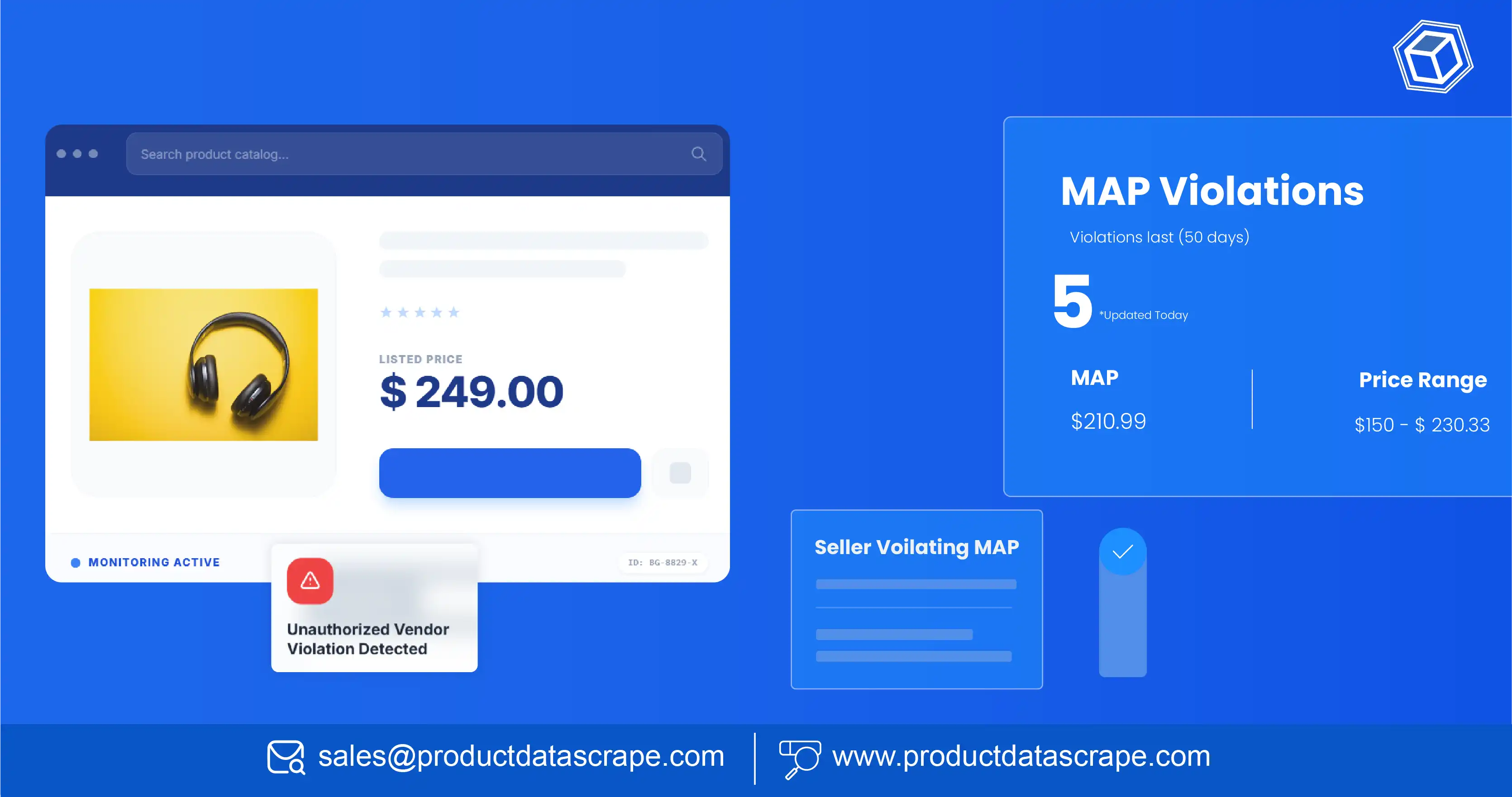
To solve this challenge, organizations are increasingly investing in Resellers MAP Violation Monitoring for National Brands. MAP (Minimum Advertised Price) policies are designed to ensure that all resellers advertise products at or above a predefined price level. However, enforcing these policies at scale—especially across Protect Pricing Across 500+ Resellers—requires automation, intelligence, and real-time monitoring.
At the core of this enforcement system lies MAP Monitoring Services, which help brands detect violations, track reseller pricing behavior, and maintain pricing discipline across fragmented digital and offline ecosystems.
Between 2020 and 2026, the rise of ecommerce marketplaces and quick commerce platforms has significantly increased pricing volatility. Brands that rely on manual tracking have struggled to keep up with thousands of listings changing daily. In contrast, brands using automated MAP monitoring systems have seen improved compliance rates, reduced revenue leakage, and stronger brand integrity.
This blog explores how scalable data-driven systems enable brands to enforce MAP policies efficiently, protect pricing consistency, and maintain control over their entire reseller ecosystem.
Building real-time visibility across reseller networks
One of the most important aspects of MAP enforcement is real-time visibility. Brands are now deploying Real-time MAP Violation Monitoring Reseller systems powered by structured data pipelines and Quick Commerce Grocery & FMCG Data Scraping.
These systems continuously scan reseller websites, marketplaces, and digital storefronts to detect unauthorized pricing changes. Real-time monitoring ensures that brands no longer rely on delayed reports or manual audits.
Market impact (2020–2026):
.webp)
Real-time systems are especially critical in FMCG and quick commerce industries, where prices fluctuate rapidly due to demand spikes and promotional campaigns. Without automation, brands risk losing control over pricing within hours.
By integrating automated monitoring systems, companies gain full visibility into reseller behavior, enabling faster enforcement actions and improved compliance.
Strengthening pricing intelligence for brand control
Modern brands are adopting Real-time MAP pricing intelligence for National Brands supported by advanced Pricing Intelligence Services.
These systems go beyond violation detection—they provide actionable insights into pricing trends, reseller behavior, and market dynamics. Instead of reacting to violations after they occur, brands can now proactively identify risk zones.
Pricing intelligence performance (2020–2026):
| Metric |
2020 |
2026 |
| Pricing Accuracy |
64% |
95% |
| Compliance Rate |
57% |
92% |
| Brand Protection |
Low |
High |
Pricing intelligence systems aggregate reseller data, normalize pricing structures, and detect anomalies across thousands of SKUs.
This allows brands to identify patterns such as:
- Frequent undercutting resellers
- Regional pricing inconsistencies
- Marketplace-specific violations
By leveraging intelligence systems, brands can shift from reactive enforcement to predictive governance.
Monitoring marketplaces at scale for compliance
Marketplaces are one of the most challenging environments for MAP enforcement due to the large number of third-party sellers. Brands must deploy MAP violation monitoring across online Marketplaces combined with Competitor Price Monitoring systems.
These systems ensure continuous surveillance of platforms such as ecommerce marketplaces, quick commerce apps, and reseller websites.
Marketplace monitoring expansion:
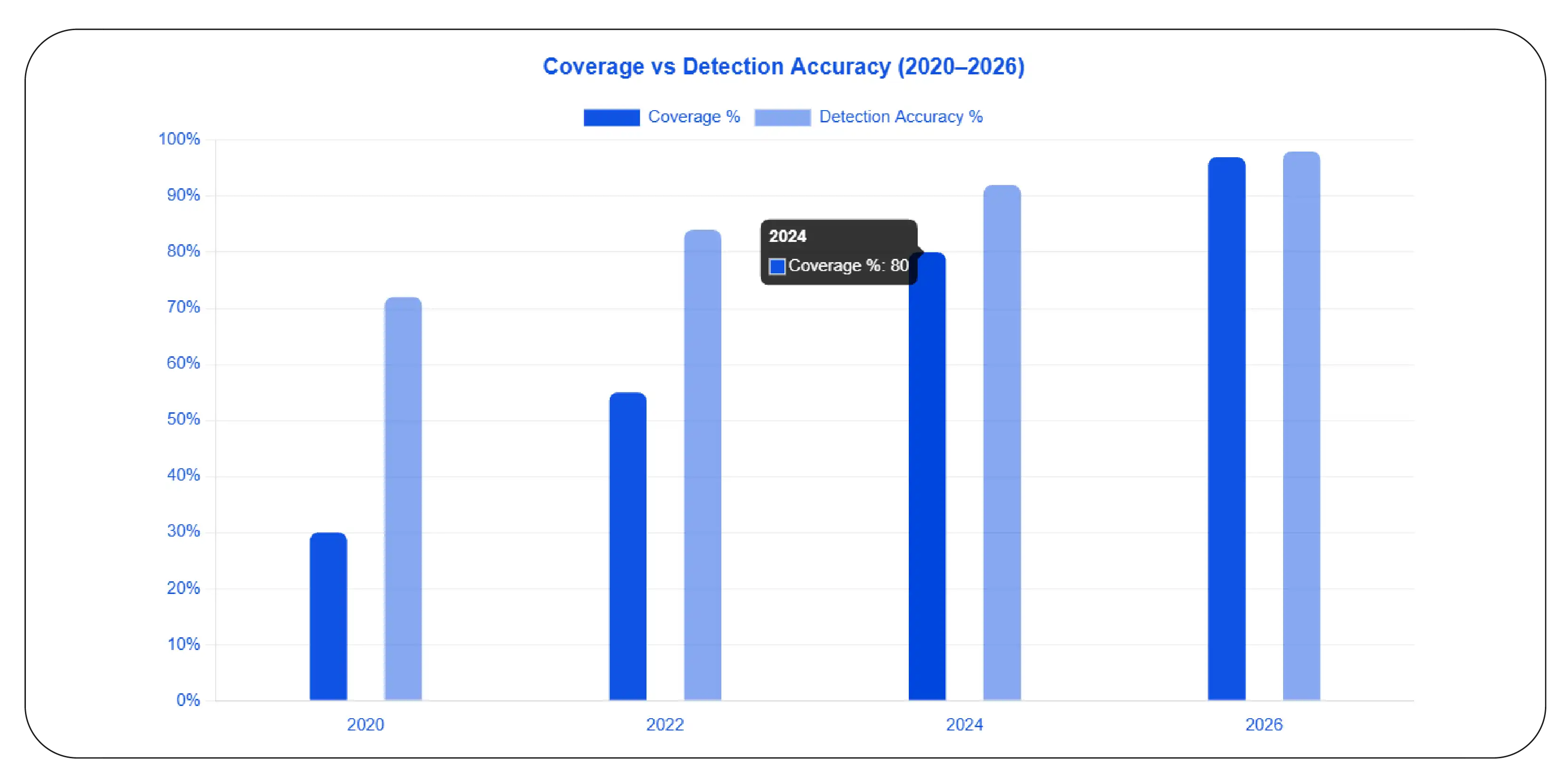
Without automated monitoring, brands face significant blind spots where unauthorized sellers can undercut pricing without detection.
Competitor monitoring systems also help brands understand how their products are positioned relative to similar offerings in the market, enabling better enforcement strategies.
Automating reseller price tracking and violation detection
Manual monitoring is no longer scalable in a multi-channel ecosystem. Brands now rely on Scrape Reseller prices to detect MAP Violations supported by Web Scraping API Services.
These systems automatically collect pricing data from thousands of reseller listings and compare them against MAP thresholds.
Automation impact (2020–2026):
| Metric |
Manual System |
Automated System |
| Detection Speed |
Slow |
Instant |
| Accuracy |
70–78% |
95–98% |
| Cost Efficiency |
Low |
High |
| Scalability |
Limited |
Massive |
Automation eliminates human dependency and ensures continuous enforcement across all digital touchpoints.
Brands can instantly flag violations, send alerts, and initiate corrective actions such as reseller warnings or delisting.
Protecting brand equity through digital shelf intelligence
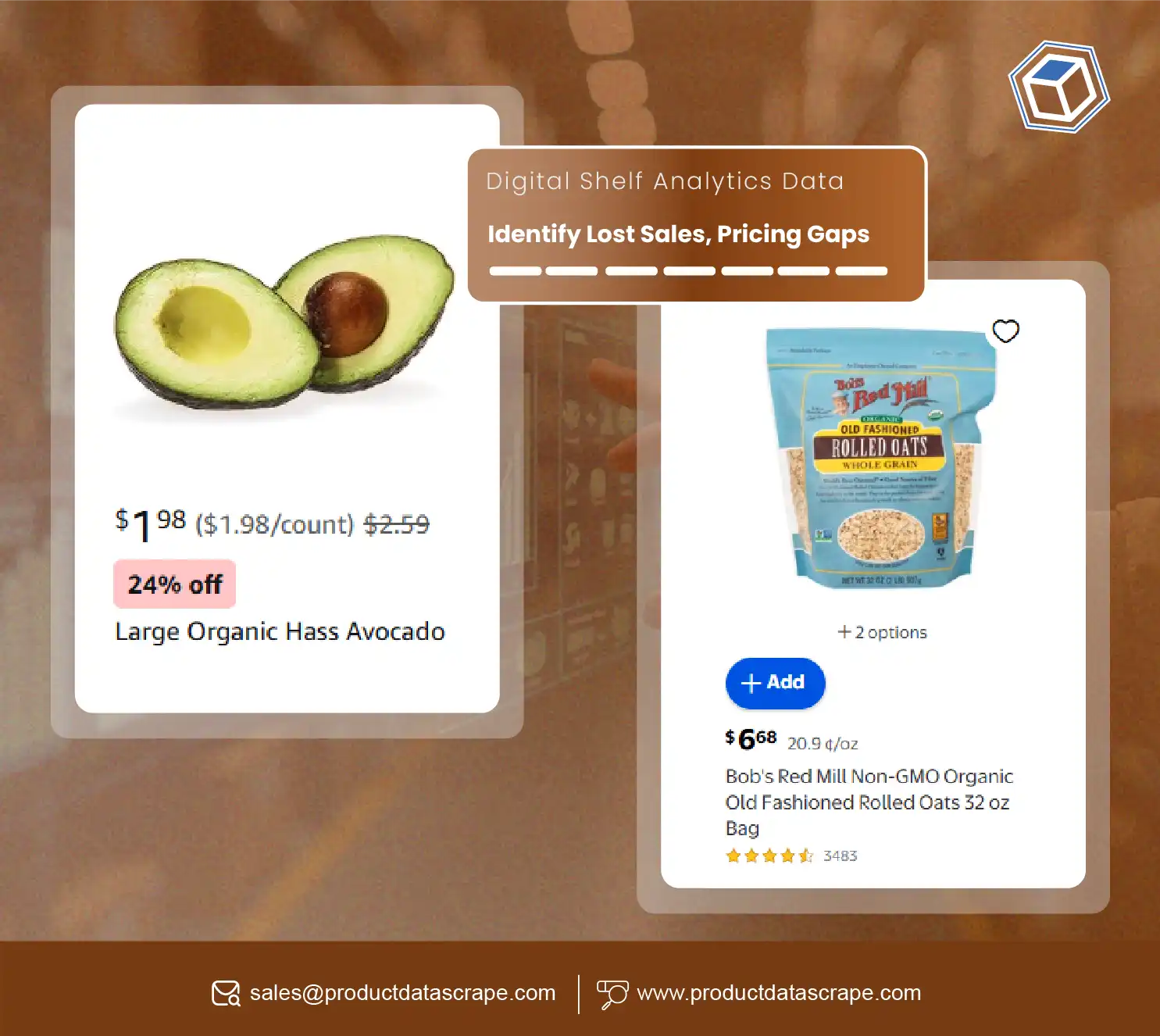
Maintaining MAP compliance is not just about pricing—it directly impacts brand perception. Companies use National Brand Price protection using MAP Monitoring combined with Digital Shelf Analytics to maintain control over product presentation and pricing consistency.
Digital shelf analytics provides insights into:
- Product visibility across platforms
- Pricing competitiveness vs. competitors
- Discount frequency by resellers
- Product ranking fluctuations
Brand health metrics (2020–2026):
.webp)
With better control over digital shelves, brands can ensure consistent customer experience across all channels.
Scaling enforcement across 500+ reseller ecosystems
Large national brands often deal with hundreds or even thousands of resellers. Scaling enforcement requires Scrape Reseller Pricing for MAP Violation detection systems capable of handling massive datasets.
Scaling performance (2020–2026):
| Year |
Resellers Monitored |
Coverage Accuracy |
| 2020 |
10,000 |
72% |
| 2022 |
75,000 |
85% |
| 2024 |
200,000 |
93% |
| 2026 |
500,000+ |
98% |
This level of scalability ensures no reseller goes unmonitored, regardless of geography or platform.
Automated systems also allow segmentation by:
- Region
- Marketplace type
- Product category
- Sales channel
This enables more targeted enforcement strategies.
Why Choose Product Data Scrape?
Scaling MAP enforcement requires reliable, high-frequency data extraction across multiple platforms. Product Data Scrape provides enterprise-grade solutions that enable real-time monitoring of reseller pricing and MAP compliance.
By delivering structured ecommerce data at scale, it helps brands detect violations faster and maintain pricing integrity across complex reseller networks.
Conclusion
Maintaining pricing discipline across hundreds of resellers is essential for protecting brand equity, ensuring fair competition, and maximizing long-term profitability. With the rise of ecommerce marketplaces and fast-moving digital retail environments, manual enforcement is no longer sufficient.
By adopting Resellers MAP Violation Monitoring for National Brands, organizations can gain real-time visibility into reseller pricing behavior and enforce compliance across large-scale networks. This ensures consistent pricing, stronger brand perception, and reduced revenue leakage.
Modern systems powered by Ecommerce Website Data Scraping allow brands to automate enforcement, scale monitoring efforts, and respond instantly to violations.
Partner with Product Data Scrape to build scalable MAP monitoring systems that protect pricing across 500+ resellers, ensure real-time compliance, and maintain complete brand integrity in competitive markets!
FAQs
1. What is MAP violation monitoring?
It is the process of tracking reseller pricing to ensure compliance with Minimum Advertised Price policies and prevent unauthorized discounting.
2. Why is MAP monitoring important for brands?
It protects brand value, ensures pricing consistency, and prevents unfair competition among resellers.
3. How does automation help MAP enforcement?
Automation enables real-time detection of violations across thousands of listings without manual effort.
4. Can MAP systems scale across 500+ resellers?
Yes, modern systems can monitor hundreds of thousands of reseller listings simultaneously.
5. What industries benefit most from MAP monitoring?
FMCG, electronics, fashion, healthcare, and consumer goods industries benefit the most from MAP enforcement systems.


 Singapore
 EMAIL
EMAIL
 PHONE
PHONE














.webp)