Introduction
In today’s hypercompetitive digital market, every decision — from pricing
to product assortment — depends on data. But the traditional one-dimensional approach to
competitor tracking no longer cuts it. Modern enterprises require scalable, automated, and
intelligent systems that can continuously capture and analyze millions of data points across
multiple online sources. This is where multi agent data scraping for competitor analysis
comes into play.
Unlike standard web crawlers, multi-agent scrapers deploy multiple
automated agents working in parallel to collect real-time data from hundreds of eCommerce,
retail, and service platforms simultaneously. This approach not only improves speed and
accuracy but also ensures continuous market visibility.
According to market studies (2020–2025), businesses that utilize
multi-agent web scraping have witnessed up to 47% faster market response times and 35% more
accurate price benchmarking compared to those using manual or single-threaded systems.
With web scraping for competitive intelligence becoming a core business
strategy, Product Data Scrape is helping global brands revolutionize how they gather and use
competitive data for actionable insights, real-time decisions, and sustained profitability.
The Evolution of Data Gathering – From Manual Tracking to Multi-Agent Scraping
Until recently, competitive monitoring relied heavily on manual tracking or simple crawlers
that extracted product or pricing data from a limited number of websites. This method was
not only time-consuming but also prone to delays and inaccuracies. As digital marketplaces
expanded between 2020 and 2025, businesses began handling vast data streams — from pricing
updates and product launches to consumer sentiment — requiring a more intelligent,
distributed, and automated approach.
Enter multi agent data scraping for competitor analysis, a solution designed for scalability
and precision. Instead of relying on a single crawler, this approach uses a coordinated
network of agents that divide scraping tasks dynamically. For instance, one agent may
extract pricing, another may track inventory, and another may capture product reviews — all
simultaneously and in real time.
| Year |
Average Data Volume (GB/Month) |
Scraping Speed Increase (%) |
| 2020 |
50 |
0% (baseline) |
| 2021 |
120 |
+45% |
| 2022 |
230 |
+78% |
| 2023 |
390 |
+105% |
| 2024 |
610 |
+142% |
| 2025 |
830 |
+160% |
With multi-agent scraping solutions for eCommerce analytics, businesses can now extract
structured product, pricing, and catalog data from thousands of competitor websites — at
scale, securely, and with real-time monitoring. This multi-threaded infrastructure not only
enhances performance but also reduces latency and failure rates across massive datasets.
How Multi-Agent Scraping Powers Real-Time Competitive Intelligence
Competitive intelligence is all about agility — how quickly your business can respond to
competitor actions. The challenge is no longer accessing data but doing so instantly and
contextually. With multi agent data scraping for competitor analysis, brands gain access to
constantly refreshed datasets that reveal price shifts, inventory updates, new product
introductions, and promotional changes the moment they occur.
Between 2020 and 2025, global adoption of multi agent web scraping grew by over 60%,
particularly among eCommerce and FMCG sectors, as companies began to realize its strategic
advantage. Real-time insights allow for smarter pricing adjustments, better stock alignment,
and faster marketing responses.
For example, an apparel retailer using Product Data Scrape’s Multi-Agent Scraping in
Competitive Intelligence platform can automatically detect when competitors lower their
prices or add new SKUs. Within minutes, the retailer can adjust pricing or promotions to
stay competitive — something that’s impossible with manual systems.
| Metric |
Manual Tracking |
Multi-Agent Scraping |
| Data Refresh Rate |
Weekly |
Hourly / Real-Time |
| Accuracy Level |
~70% |
98–99% |
| Market Reaction Time |
2–3 days |
Under 2 hours |
This data-driven agility is what separates market leaders from laggards in a world dominated
by instant consumer decisions and dynamic online competition.
Unlock real-time market visibility and outperform competitors with
multi-agent scraping — automate data collection, pricing analysis,
and decision-making effortlessly today.
Contact Us Today!
Multi-Agent Systems in E-Commerce and FMCG Intelligence
E-commerce and FMCG brands deal with vast product catalogs that change
daily across marketplaces, making continuous monitoring essential. The integration of
multi-agent scraping for competitor analysis helps organizations stay ahead by providing
actionable intelligence on pricing, promotions, reviews, and availability.
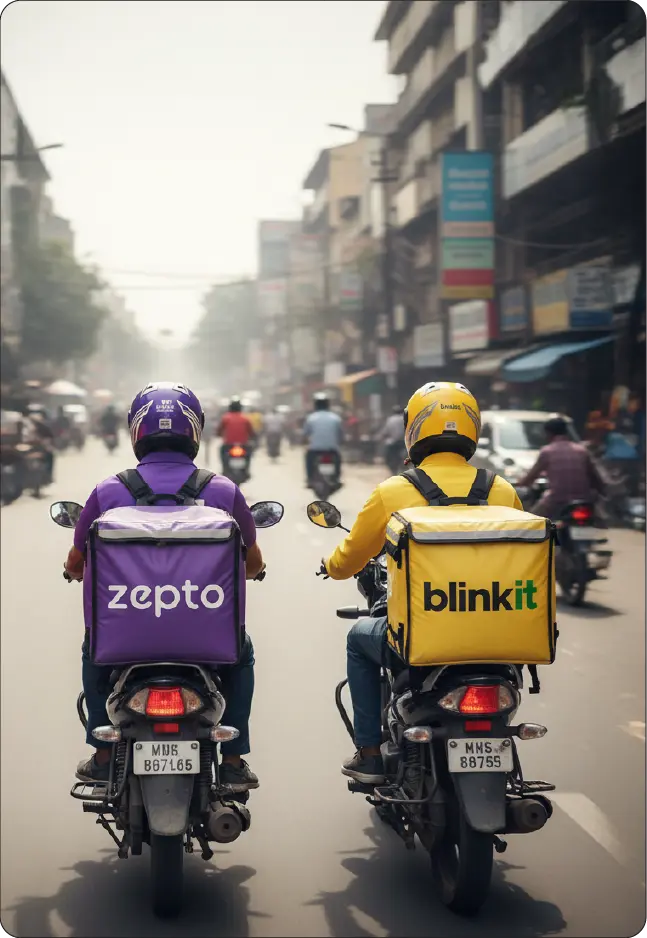
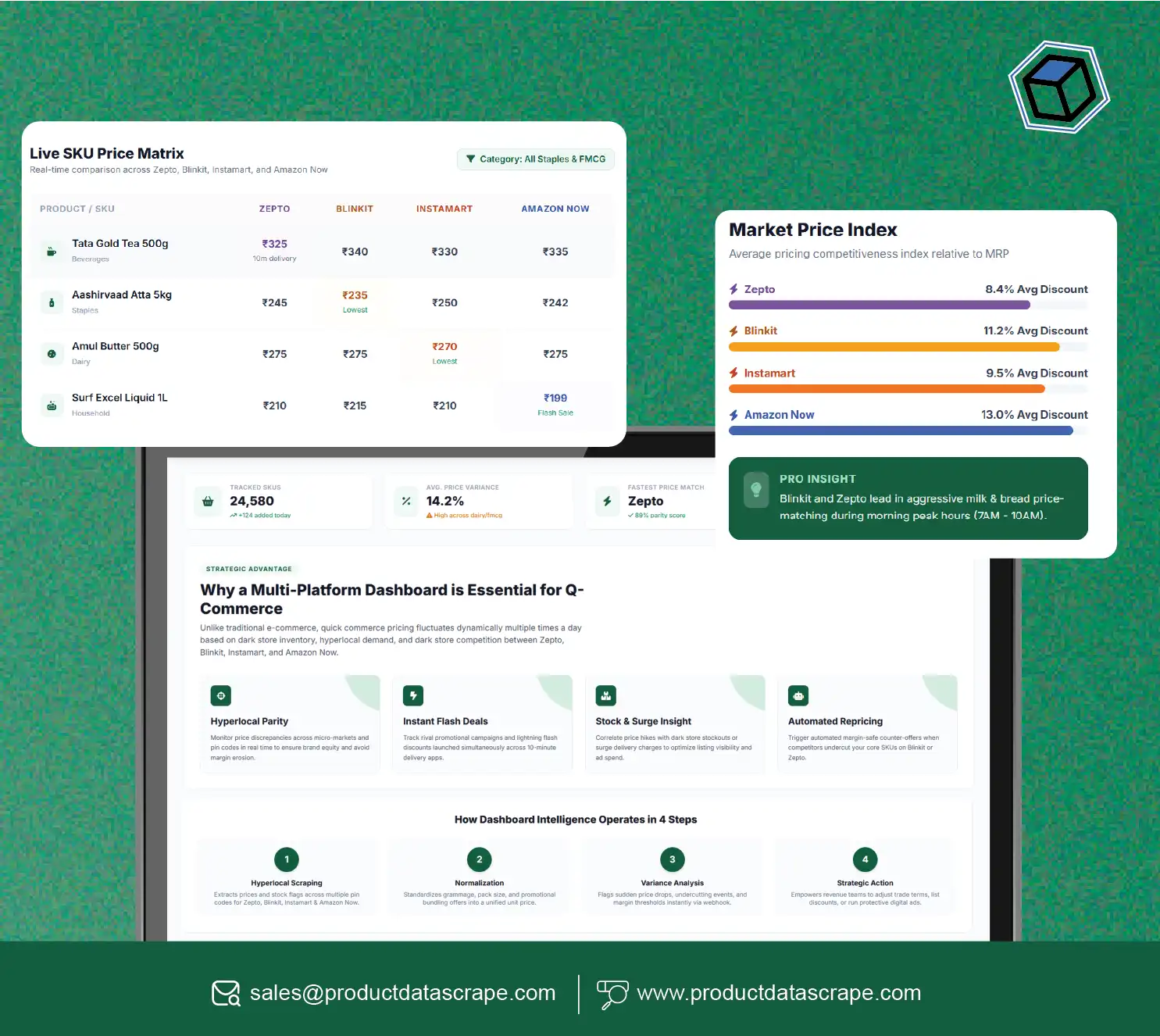
For instance, using Quick Commerce Grocery & FMCG Data Scraping , Product
Data Scrape enables brands to compare product visibility, price differentials, and
promotions across platforms like Swiggy Instamart, Blinkit, Zepto, and BigBasket. The data
extracted by intelligent agents can then feed into pricing algorithms or business
intelligence dashboards.
Between 2020 and 2025, FMCG firms using automated multi-agent systems
experienced:
| KPI |
Improvement (%) |
| Pricing Accuracy |
42% |
| Market Response Speed |
58% |
| Manual Labor Costs |
-33% |
By automating their Scrape Data From Any Ecommerce Websites workflows,
these companies not only increase efficiency but also ensure compliance with fair pricing
and transparency norms. This large-scale automation transforms how businesses plan
promotions, monitor competitors, and evaluate consumer demand — all in real time.
Large-Scale Data Extraction and the Rise of Intelligent Web Scrapers
Scaling data collection across thousands of web pages requires advanced
orchestration and failover management — and that’s where intelligent web scrapers excel.
These systems are equipped with adaptive logic that identifies changes in website structure,
redirects, or anti-bot systems, ensuring uninterrupted extraction.
Product Data Scrape uses such adaptive systems to power large-scale web
scraping services, collecting data for enterprises across sectors like electronics,
groceries, fashion, and automotive. The platform uses machine learning-driven parsing,
auto-retry mechanisms, and IP rotation to maintain accuracy even under high-frequency
requests.
The demand for these services has risen dramatically — global scraping
requests increased by over 180% between 2020 and 2025, reflecting businesses’ need for
broader, deeper market visibility.
| Industry |
Average Pages Scraped (2025) |
| E-commerce |
50M+ |
| Food Delivery |
30M+ |
| Travel & Hospitality |
18M+ |
| Electronics |
25M+ |
The ability to Extract Amazon E-Commerce Product Data , track competitor
discounts, and even Scrape Amazon Reviews In Minutes has made such intelligent automation
indispensable for market research, dynamic pricing, and product performance evaluation.
Real-Time Pricing, Promotion, and Market Insights
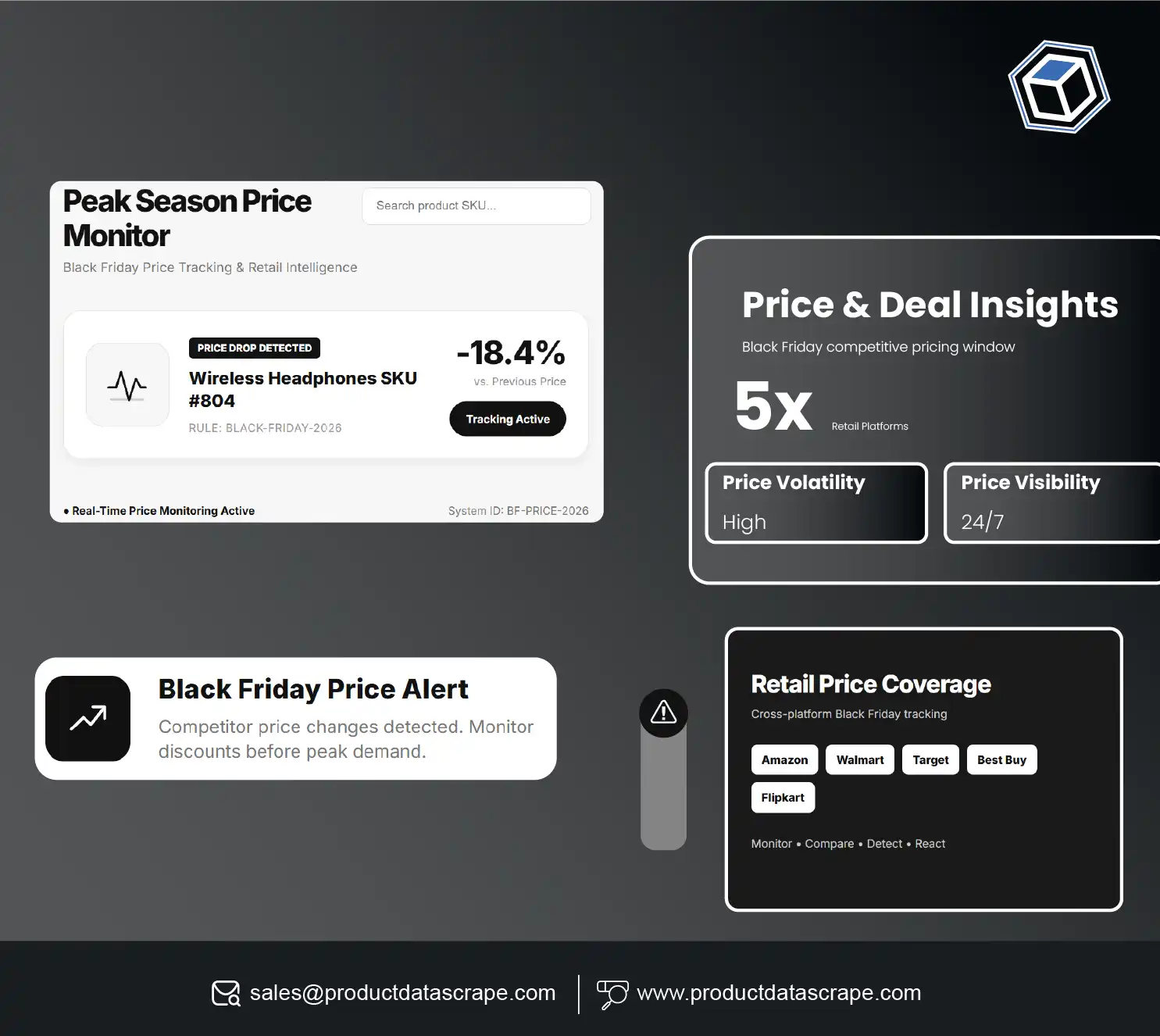
In a world where competitor prices can change multiple times a day,
businesses must act faster than ever. By using multi agent data scraping for competitor
analysis, companies can maintain updated pricing databases that fuel their Product Pricing
Strategies Service.
For example, Product Data Scrape’s clients can monitor product listings
across hundreds of online retailers and instantly adjust prices based on market
fluctuations, consumer demand, or stock availability. The system can also detect anomalies
such as underpriced products or aggressive promotional campaigns.
| Insight Type |
Example Use Case |
| Real-Time Price Monitoring |
Detect and counter competitor price drops instantly |
| Promotion Tracking |
Identify new discount codes or campaign rollouts |
| Assortment Analysis |
Discover missing SKUs or newly added product lines |
This predictive intelligence allows eCommerce and retail firms to enhance
revenue margins while minimizing losses from late reactions. Combined with web scraping for
competitive intelligence, this data forms the backbone of modern strategic planning,
ensuring brands always remain one step ahead of their rivals.
Stay ahead with real-time pricing, promotion, and market insights —
optimize strategies, track competitors, and boost profitability
using intelligent data automation.
Contact Us Today!
Seamless Integration via APIs and Automation Frameworks
For advanced users and developers, integration is key. Product Data Scrape
provides an API-driven framework that allows businesses to access structured data directly
from its ecosystem. With the Web Data Intelligence API , companies can automate the flow of
extracted datasets into internal tools like Tableau, Power BI, or Python-based analytics
systems.
This capability allows the Franco Manca-style use cases or large-scale
retail networks to synchronize multi-agent operations effortlessly, ensuring the entire
pipeline — from scraping to visualization — is fully automated.
Additionally, Product Data Scrape’s modular API design supports
plug-and-play deployment for use cases like:
| Integration Type |
Data Refresh Frequency |
Supported Platforms |
| API Pull |
Real-Time |
Tableau, Power BI, Python |
| Batch Download |
Hourly / Daily |
AWS, GCP, Azure |
| Cloud Sync |
Continuous |
Custom Dashboards |
These features make the platform ideal for enterprises looking to scale
automation without compromising on accuracy or compliance. The result — a truly future-ready
competitive intelligence infrastructure.
Why Choose Product Data Scrape?
Product Data Scrape isn’t just a scraping platform — it’s a full-fledged
multi-agent scraping solutions for eCommerce analytics provider that helps businesses stay
ahead in dynamic digital marketplaces. With intelligent automation, AI-driven error
handling, and robust APIs, the platform ensures seamless, continuous, and compliant data
extraction across industries.
Its architecture supports end-to-end workflows — from multi agent web
scraping to analytics-ready datasets — empowering enterprises to convert raw online data
into actionable intelligence. Product Data Scrape also offers customizable agents tailored
for different industries such as retail, food delivery, fashion, and electronics.
Whether you’re a startup exploring competitive pricing or an enterprise
managing millions of SKUs, Product Data Scrape’s scalable solutions provide unmatched
flexibility and precision. By integrating with global marketplaces, API systems, and data
visualization tools, the platform ensures your multi agent data scraping for competitor
analysis projects deliver maximum business value.
Conclusion
As digital marketplaces become more complex, businesses that rely solely on
manual or basic data collection tools will quickly fall behind. The next generation of
market intelligence demands distributed, AI-powered scraping ecosystems — and Product Data
Scrape is leading that transformation.
With cutting-edge automation, advanced analytics, and real-time visibility,
the platform helps brands stay informed, agile, and competitive in every market scenario. By
leveraging multi agent data scraping for competitor analysis, businesses can track, predict,
and outperform competitors with precision.
If your company is ready to gain real-time insights, optimize pricing, and
automate competitive monitoring — it’s time to partner with Product
Data Scrape.
Empower your business today with next-gen scraping intelligence and
stay ahead in the competitive data-driven world!
FAQs
What is Multi-Agent Data Scraping for Competitor Analysis?
Multi agent data scraping for competitor analysis uses multiple automated bots working in
parallel to extract data from various websites. This method improves speed, accuracy, and
scalability, enabling businesses to track competitor pricing, products, and promotions in
real time. It’s ideal for eCommerce, FMCG, and retail industries focused on data-driven
market insights.
How Does Multi-Agent Web Scraping Improve Competitive Intelligence?
Multi-agent systems provide real-time updates on market trends, product listings, and
pricing changes. Unlike single crawlers, they can collect data from multiple sources
simultaneously, giving businesses instant visibility into competitor actions. This helps
teams respond faster to market shifts, improving agility, decision-making, and overall web
scraping for competitive intelligence outcomes.
Is Multi-Agent Scraping Legal and Safe to Use?
Yes, when performed ethically. Product Data Scrape ensures compliance with public data
guidelines, avoiding personal or restricted information. All scraping is done responsibly
using rate-limiting, proxies, and API-based extractions. The goal of multi agent data
scraping for competitor analysis is to collect only publicly available business data safely
and transparently.
What Types of Data Can Be Extracted Using Multi-Agent Scraping?
The platform can Scrape Data From Any Ecommerce Websites, including product listings,
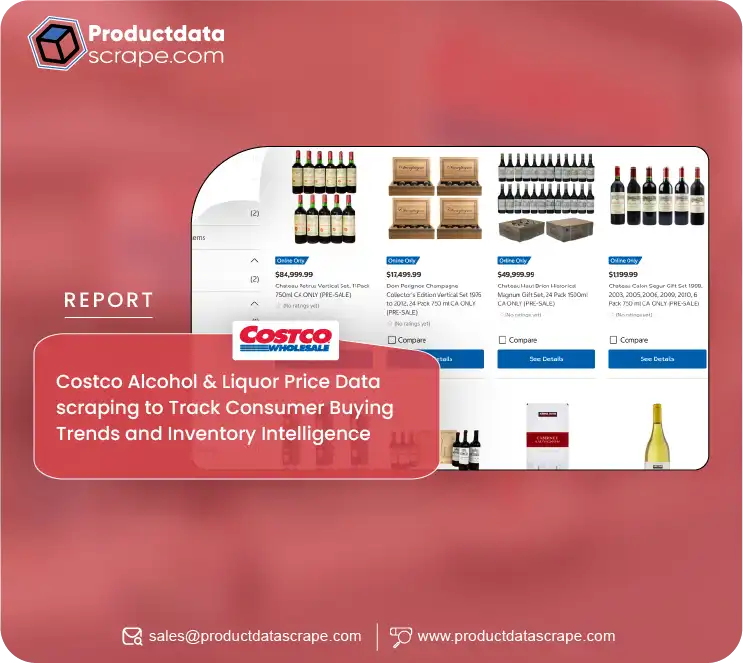
prices, reviews, inventory, and delivery data. It can also Extract Alcohol & Liquor Price
Data, FMCG catalogs, and Amazon review insights. These datasets help build a strong Product
Pricing Strategies Service and competitive benchmarking models tailored to different
industry needs.
Why Choose Product Data Scrape for Multi-Agent Competitive Monitoring?
Product Data Scrape combines intelligent automation, scalable architecture, and advanced
APIs to deliver reliable, real-time data collection. Its multi agent web scraping and
analytics-ready pipeline enable businesses to act faster, reduce manual workload, and gain a
consistent edge. It’s an all-in-one solution for brands seeking accurate and actionable
competitive intelligence data.


 Singapore
 EMAIL
EMAIL
 PHONE
PHONE










.webp)