Quick Overview
This case study explains how fashion brands use datasets to launch collections that align with real-time trends and consumer demand. A fast fashion retailer partnered with Product Data Scrape to Extract Fashion & Apparel Data and transform fragmented market signals into actionable insights.
Client Name / Industry: Confidential | Fast Fashion Retail
Service / Duration: Fashion data scraping & analytics | 5 months
Key Impact Metrics:
- 20% higher sell-through rate, 30% reduction in unsold inventory, 25% faster collection launch cycles.
- By integrating structured datasets into design and planning workflows, the brand shifted from intuition-led decisions to data-backed collection strategies.
The Client
The client is a rapidly growing fast fashion brand operating across online marketplaces and direct-to-consumer channels. With trend cycles shortening and competition intensifying, the fashion industry faces immense pressure to launch the right products at the right time. Consumers now expect trend relevance, competitive pricing, and frequent new arrivals.
Market volatility made fashion pricing and trend scraping a necessity rather than a luxury. Without real-time visibility into competitor pricing, trending styles, and consumer preferences, the brand struggled to maintain relevance. Seasonal misjudgments often resulted in overproduction, delayed markdowns, and missed trend windows.
Before partnering with Product Data Scrape, the client relied heavily on historical sales data and manual trend research. This limited their ability to respond to emerging micro-trends and regional demand shifts. Design teams worked in silos, disconnected from pricing intelligence and real-time market data.
To increase apparel sales using datasets, the brand needed a transformation that connected external market signals with internal decision-making. The objective was clear: leverage data intelligence to design smarter collections, optimize pricing strategies, and launch products with higher confidence and lower risk.
Goals & Objectives
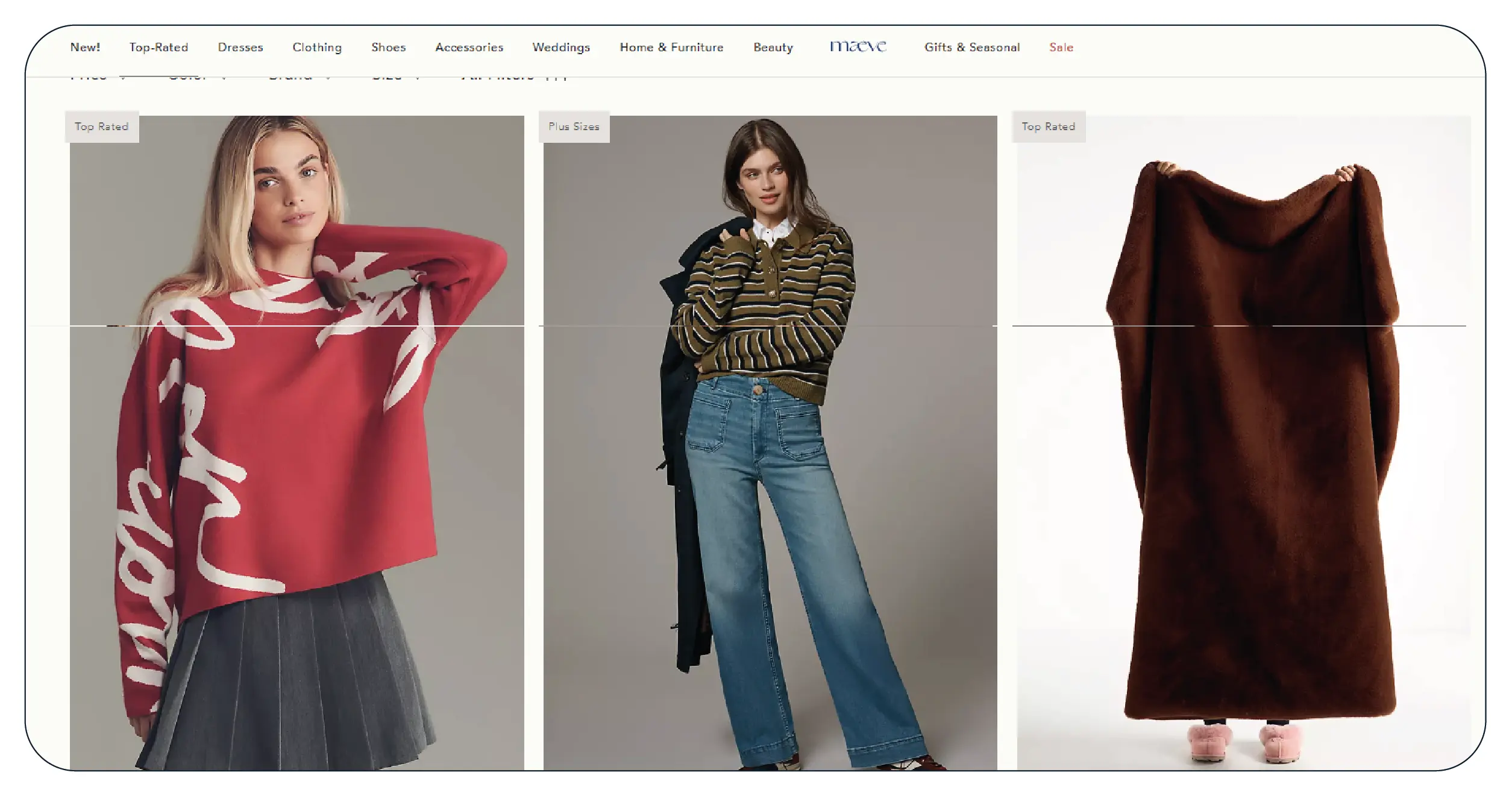
The primary goal was to establish a scalable data foundation that could support faster and more accurate fashion collection launches. The client aimed to improve decision-making across design, merchandising, and pricing teams while maintaining agility in a fast-moving market.
From a technical standpoint, the objective was to automate data extraction from multiple fashion and ecommerce platforms, integrate insights into internal systems, and enable real-time analytics. Business teams wanted clearer answers to What Scraping Fashion Websites Tells Us About Trends, including style adoption, color preferences, and price sensitivity. The solution also needed the flexibility to Scrape Data From Any Ecommerce Websites without disrupting operations.
Improvement in collection sell-through rates
Reduction in time-to-market for new launches
Accuracy of trend forecasting vs. actual sales
Increase in full-price sales performance
The Core Challenge
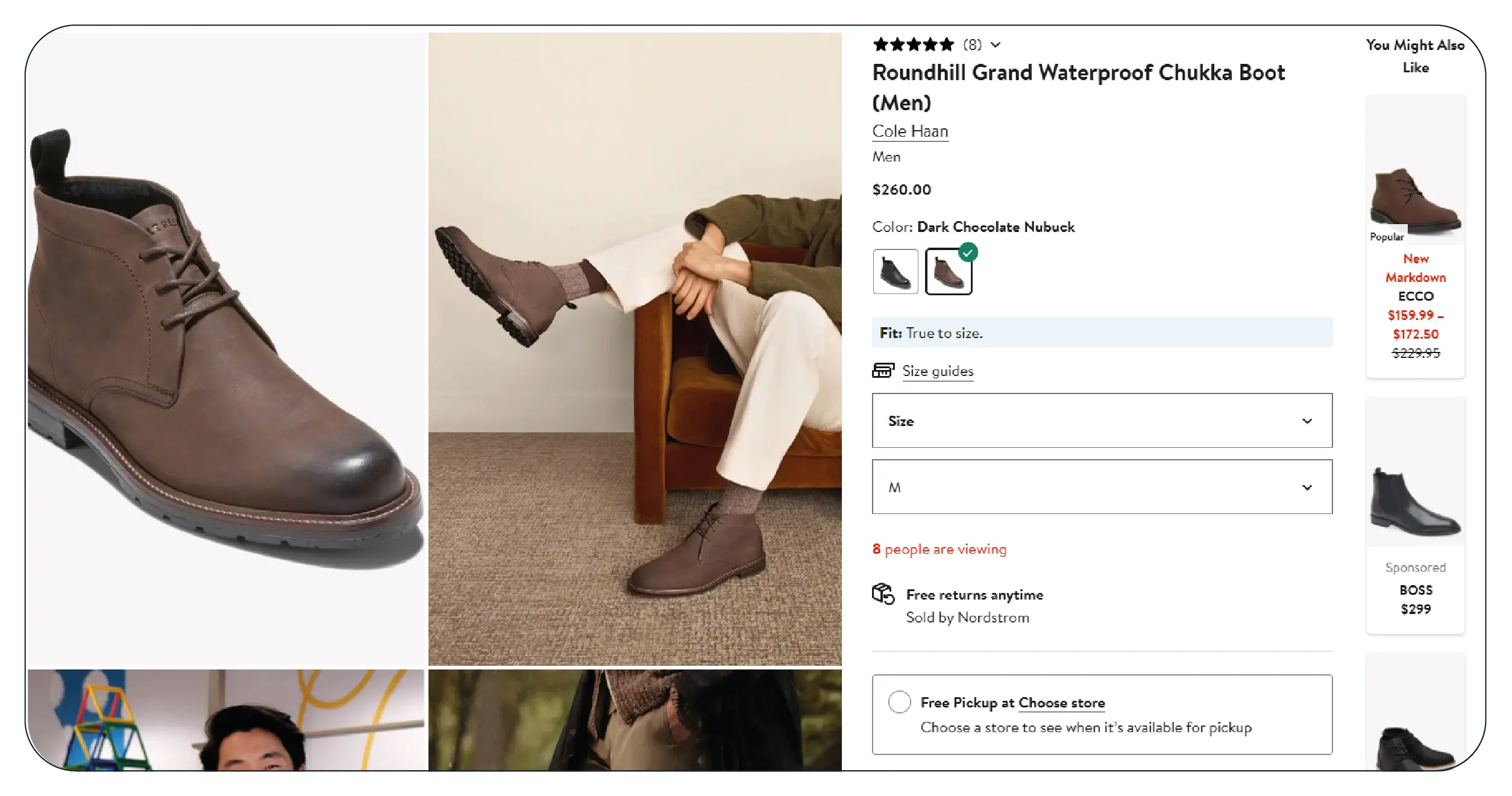
The client’s biggest challenge was managing uncertainty in trend forecasting and product planning. Fashion trends evolved faster than internal reporting cycles, leaving teams dependent on outdated insights. Manual research methods could not scale with the brand’s expansion.
Operational bottlenecks included delayed access to competitor data, inconsistent data formats, and limited visibility into product performance across platforms. Design teams lacked confidence in which styles to prioritize, while merchandising teams struggled to align inventory with real demand.
The absence of a reliable system to scrape fashion product data for analysis resulted in reactive decision-making. By the time trends were identified internally, competitors had already captured market attention. Data accuracy suffered due to fragmented sources, and speed was compromised by manual processes.
These challenges directly impacted revenue, inventory turnover, and brand positioning. Without a unified data strategy, the client risked falling behind more data-driven competitors in the fast fashion ecosystem.
Our Solution

Product Data Scrape implemented a phased, intelligence-driven solution tailored to the fast fashion lifecycle. The first phase focused on identifying key data sources, including global fashion marketplaces, brand websites, and luxury retailers. This allowed comprehensive market coverage and benchmarking.
In the second phase, automated scraping pipelines were deployed to extract product attributes such as pricing, discounts, materials, colors, sizing, and availability. Advanced normalization ensured consistent datasets across platforms. Special emphasis was placed on Web Scraping for Luxury Fashion Prices to help the client benchmark premium trends against mass-market positioning.
The third phase introduced analytics and visualization layers. Trend clustering, demand signals, and price elasticity insights were delivered through dashboards integrated with the client’s planning tools. This enabled design and merchandising teams to collaborate using a single source of truth.
Each phase addressed a specific challenge: automation eliminated manual delays, real-time data improved forecasting accuracy, and structured intelligence aligned cross-functional teams. The result was a scalable, end-to-end data solution that supported faster, smarter, and more profitable collection launches.
Results & Key Metrics
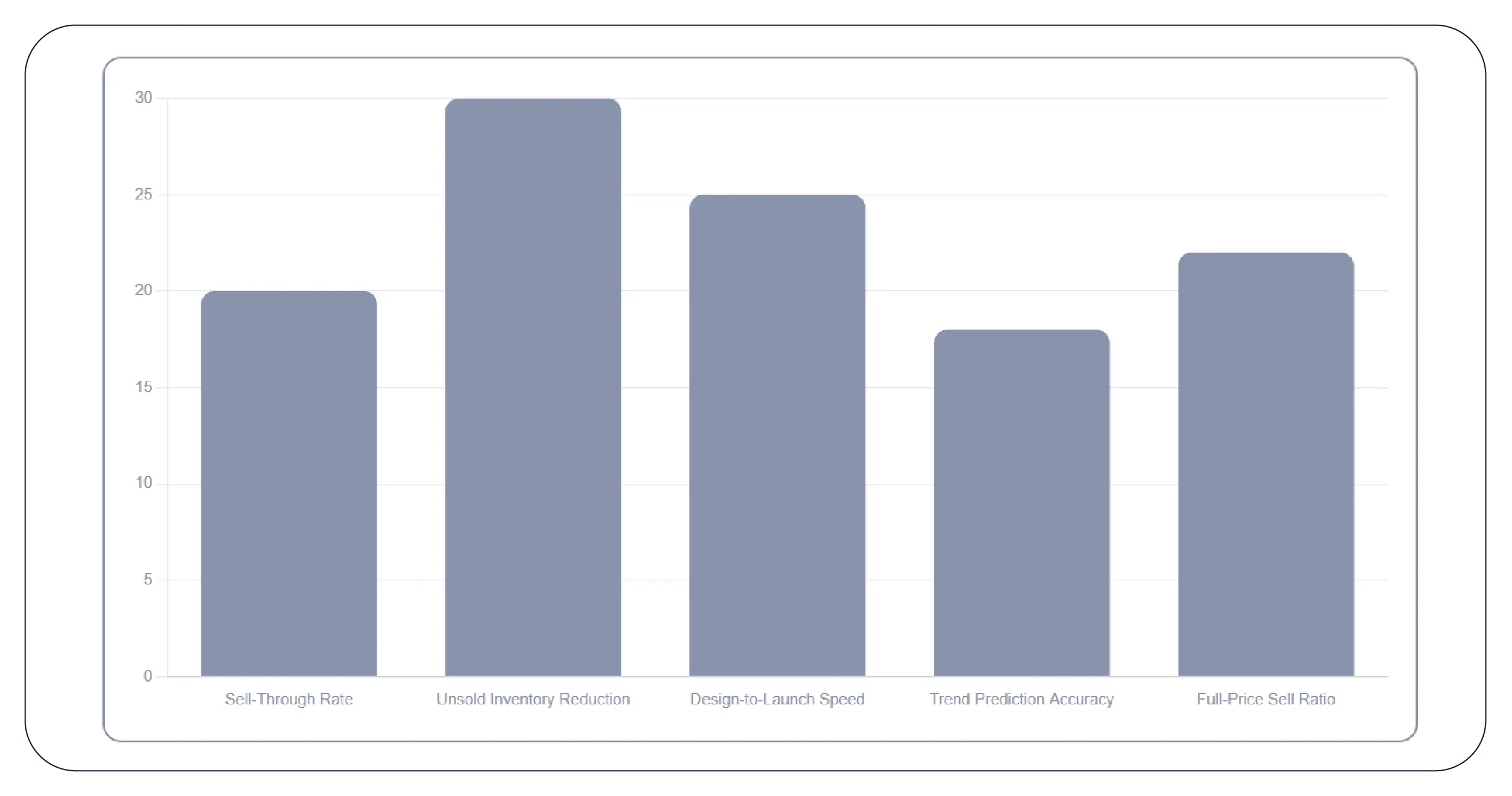
20% increase in collection sell-through rates
30% reduction in end-of-season unsold inventory
25% faster design-to-launch timelines
Improved accuracy in trend prediction using fashion datasets
Higher full-price sell ratios across key categories
Results Narrative
By embedding data intelligence into collection planning, the client transformed how products were designed and launched. Teams gained confidence in trend selection, pricing strategies, and assortment planning. Accurate trend prediction using fashion datasets enabled the brand to capitalize on emerging styles early, outperform competitors, and reduce reliance on markdowns. Overall, the solution delivered measurable growth in sales performance, operational efficiency, and market responsiveness.
What Made Product Data Scrape Different?
Product Data Scrape differentiated itself through industry-specific intelligence and advanced automation. Our proprietary frameworks delivered high-frequency data updates without compromising accuracy. Unlike generic tools, our solutions were built to reduce fashion inventory risk using data, enabling smarter production decisions and demand-aligned assortments. With intelligent filtering and real-time insights, the client gained a sustainable competitive advantage in fast fashion decision-making.
Client’s Testimonial
“Product Data Scrape completely changed how we plan and launch collections. Their solution showed us how fashion brands use datasets to launch collections with confidence. We now rely on real-time market intelligence instead of guesswork. The impact on our sales, inventory control, and team alignment has been outstanding.”
— Head of Merchandising, Fast Fashion Brand
Conclusion
This case study highlights the power of data-driven decision-making in fast fashion. By transforming external market signals into actionable insights, Product Data Scrape enabled the client to launch better-performing collections and drive sustainable growth. As fashion moves toward hyper-personalization and speed, Clothing Sales Intelligence For 2025 will be essential for brands seeking long-term success. Data is no longer optional—it is the foundation of competitive fashion strategy.
FAQs
1. Why are datasets critical for fast fashion brands?
Datasets help brands identify trends early, optimize pricing, and align inventory with demand.
2. What type of data is scraped for fashion analysis?
Pricing, product attributes, availability, discounts, and trend indicators across platforms.
3. How does data improve collection performance?
It reduces guesswork, improves forecasting accuracy, and increases sell-through rates.
4. Can this solution scale across regions and brands?
Yes, the infrastructure supports multi-region, multi-brand data extraction and analysis.
5. Is the data delivered in real time?
Our automated pipelines provide near real-time updates to support agile decision-making.


 Singapore
 EMAIL
EMAIL
 PHONE
PHONE


.webp)
.webp "thumb")
.webp "thumb")
.webp "thumb")








.webp)