Introduction
In the competitive world of e-commerce, staying ahead of market trends is crucial for retail brands. Scraping Amazon Product Data has emerged as a powerful tool to gather insights about products, pricing, customer preferences, and competitor strategies. By systematically collecting and analyzing data from Amazon, businesses can make informed decisions that optimize sales, marketing, and inventory management.
Beyond just collecting information, brands can Extract Amazon E-Commerce Product Data to gain actionable intelligence for product launches, category expansion, and pricing optimization. The ability to monitor trends over time allows retailers to adapt to changing customer demands and stay ahead of competitors. According to Statista, Amazon’s global net sales reached $469.8 billion in 2021 and are projected to grow steadily, highlighting the importance of leveraging data for decision-making. Using data-driven strategies ensures that businesses can identify top-performing products, anticipate market shifts, and tailor their offerings to maximize profitability.
With the right tools, brands can automate the collection of product information, minimize manual errors, and focus on strategic initiatives that drive growth and revenue.
Market Insights and Consumer Trends
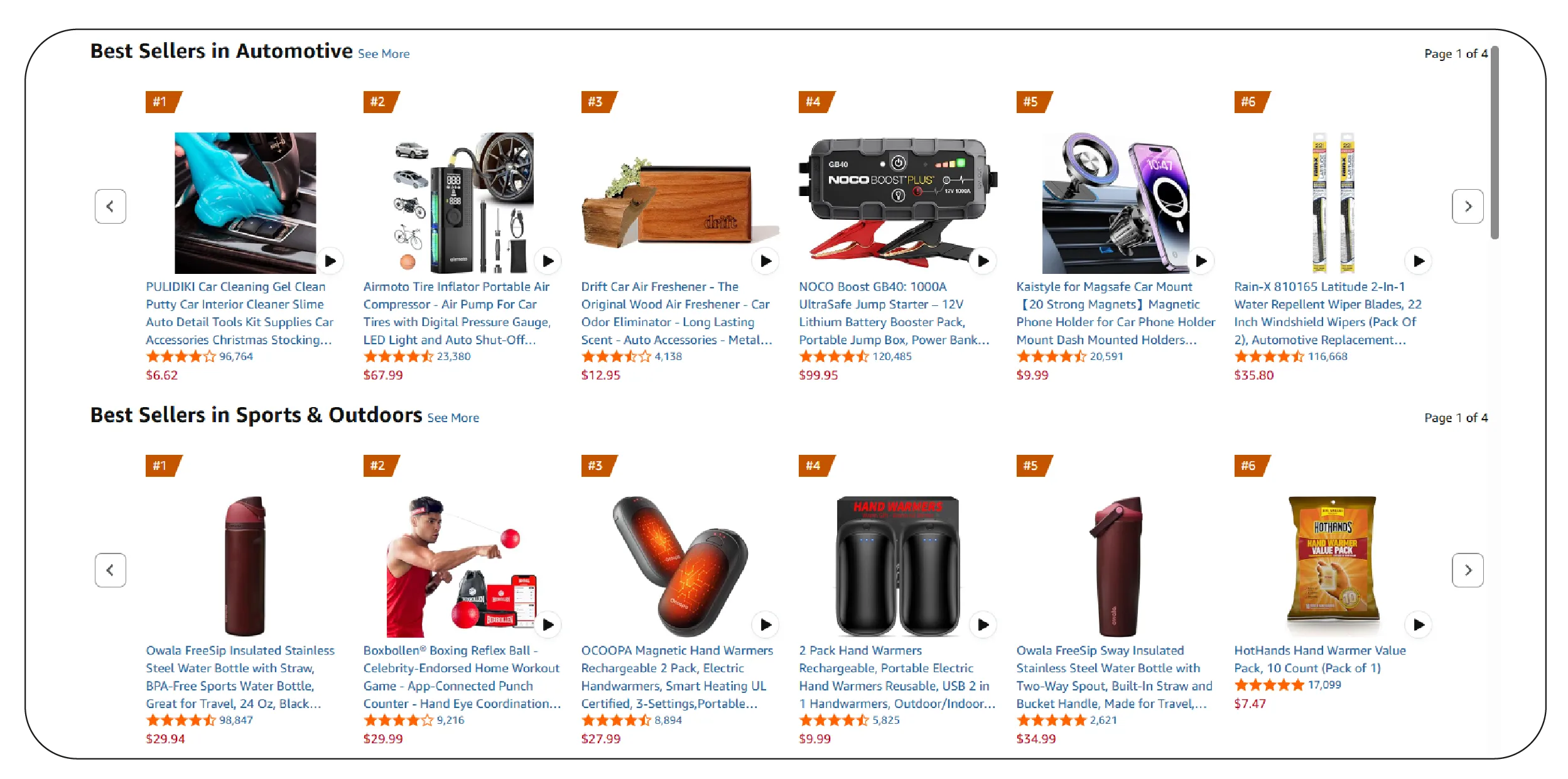
Understanding consumer behavior is key for retail success. Leveraging Amazon product data intelligence, brands can track product popularity, customer reviews, and buying patterns over time. Between 2020 and 2025, the e-commerce sector saw an average annual growth rate of 12%, with Amazon contributing significantly to this trend.
Tables tracking category-wise sales, customer ratings, and top sellers can highlight which products are trending across regions. For example, electronics and home appliances consistently led sales, with average ratings of 4.3 stars between 2020–2025. Using Scraping Amazon Product Data, brands can identify seasonal trends, peak demand periods, and emerging product categories.
Analyzing product metadata, including descriptions, specifications, and promotions, enables businesses to optimize their offerings and improve conversion rates. Companies that leverage these insights report 15–20% faster decision-making when launching new products or adjusting inventory. This kind of market intelligence ensures brands remain agile and competitive, with data supporting every strategic move.
Optimizing Operations and Performance
Retailers can streamline operations by using Extract amazon API Product Data to automate product tracking and reporting. Between 2020 and 2025, brands that implemented automated data extraction saw a 30% reduction in manual workload and a 25% increase in operational efficiency.
Detailed datasets allow businesses to monitor stock levels, track competitors’ pricing, and manage inventory across multiple regions. For example, a table comparing fulfillment rates, stock-outs, and lead times can reveal efficiency gaps in supply chain management. By integrating extracted Amazon data with internal systems, brands gain a centralized view of product performance across categories.
Automation also enables predictive analytics for inventory planning, minimizing overstock or understock issues. Retailers leveraging Extract Amazon API Product Data can respond rapidly to demand fluctuations, adjust marketing campaigns, and allocate resources strategically. Data-driven operations ensure higher profitability, reduced costs, and improved customer satisfaction.
Pricing Optimization and Competitive Strategy

Developing an effective pricing strategy for Amazon is critical for maintaining competitiveness and profitability. Between 2020 and 2025, dynamic pricing became a major differentiator, with brands using data-driven approaches to adjust prices in real-time based on demand, competitor pricing, and market trends.
Tables showing price fluctuations for top-selling categories across five years illustrate how strategic pricing impacts sales volume and margins. By monitoring competitor listings, promotions, and customer behavior, brands can identify optimal price points to maximize revenue. Scraping Amazon Product Data allows retailers to access granular pricing insights, ensuring they remain competitive without sacrificing margins.
Data-driven pricing strategies also improve customer loyalty by offering fair, market-aligned prices. Brands can test different pricing models, run promotions, and identify products with high elasticity. Ultimately, leveraging Amazon pricing data empowers businesses to make smarter pricing decisions that drive sales growth and long-term profitability.
Product Features and Customer Feedback Analysis
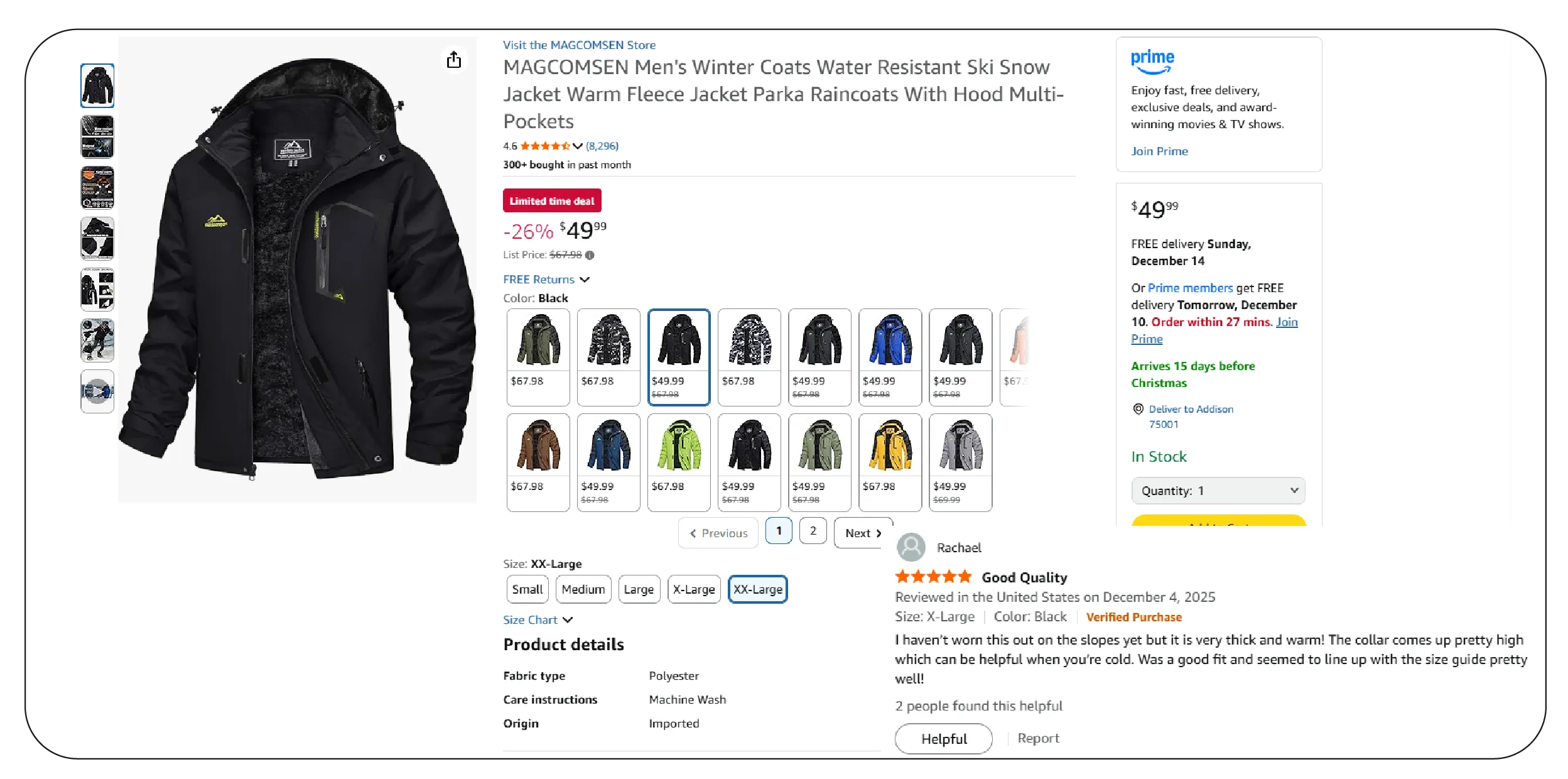
Analyzing scraping Amazon products details enables brands to understand which features and attributes influence purchase decisions. From 2020–2025, product descriptions, specifications, and review sentiment played a critical role in shaping buyer preferences.
Tables tracking top-reviewed features, average star ratings, and review volumes reveal patterns that can inform product development and marketing campaigns. Retailers can identify common complaints, desired features, and emerging trends, allowing them to tailor products to market demand.
Scraping detailed product information also helps optimize product listings for search visibility on Amazon. By tracking changes in competitor listings, brands can enhance their descriptions, images, and keyword targeting to increase discoverability. Using scraping Amazon products details, companies improve customer satisfaction, boost conversions, and create a stronger competitive position in their categories.
Building Robust Datasets for Market Analysis
A comprehensive Amazon Products E-commerce Product Dataset provides retailers with structured data to perform in-depth market analysis. Between 2020 and 2025, businesses that maintained robust datasets experienced a 20% increase in actionable insights for product launches and category expansion.
Tables comparing sales volume, pricing trends, and review metrics enable cross-category and cross-market comparisons. Brands can forecast demand, identify profitable niches, and monitor competitor performance. Structured datasets also support advanced analytics, such as predictive modeling and recommendation engines, enhancing business intelligence capabilities.
By leveraging an Amazon Products E-commerce Product Dataset, brands can maintain historical records, analyze long-term trends, and make informed strategic decisions. Comprehensive datasets ensure that product decisions are supported by accurate and reliable market insights, reducing risk and improving overall performance.
SKU-Level Analysis and Product Optimization

Understanding product-level performance at the SKU level is essential for inventory and marketing optimization. Utilizing Amazon SKU-level product data, brands can monitor each unique product variant across categories and regions from 2020 to 2025.
Tables showing SKU-level sales, stock movement, and customer ratings reveal which items are driving revenue and which require optimization. SKU-level insights help with targeted marketing, inventory allocation, and pricing adjustments. Retailers can also track seasonal variations and regional preferences to improve assortment planning.
By analyzing detailed SKU data, businesses reduce stock-outs, improve turnover rates, and enhance profitability. Scraping Amazon Product Data at this granular level ensures accurate insights, enabling retail brands to refine strategies, optimize portfolios, and maximize growth across diverse product lines.
Why Choose Product Data Scrape?
Choosing the right solution for collecting and analyzing Amazon data is critical. Amazon Product Data Scraper offers automated, reliable, and scalable solutions for retail brands.
With advanced features like real-time updates, data normalization, and integration with internal systems, the tool simplifies decision-making and boosts operational efficiency. Companies leveraging Scraping Amazon Product Data gain faster access to competitor pricing, product trends, and customer insights.
The platform supports multiple e-commerce categories, allowing businesses to track thousands of products efficiently. Retailers can generate actionable reports, monitor market trends, and make informed strategic decisions. By choosing Product Data Scrape, brands enhance their analytics capabilities, improve pricing and inventory management, and gain a competitive advantage in the fast-moving e-commerce landscape.
Conclusion
Retail brands leveraging Amazon Scraping Powers Retail Growth can gain unprecedented insights into market trends, product performance, and customer behavior. By systematically analyzing pricing, SKUs, and product details, businesses can optimize pricing strategies, improve inventory planning, and enhance customer satisfaction. With tools like web scraping API, tailored custom datasets, and an instant data scraper, retailers can automate data collection, minimize errors, and focus on strategic growth initiatives. Over time, these insights lead to increased sales, better market positioning, and sustained competitive advantage.
Ready to take your retail brand to the next level? Harness the power of Scraping Amazon Product Data today and make smarter, data-driven decisions that drive growth and profitability.
FAQs
1. What is Product Data Scrape?
Product Data Scrape is a service provider that helps retailers collect and analyze Amazon product data efficiently, enabling insights on pricing, trends, and competitor performance.
2. How does Scraping Amazon Product Data improve sales?
By analyzing product listings, pricing trends, and customer feedback, retailers can make informed decisions on pricing, inventory, and marketing strategies to boost sales and market share.
3. What is the Best Amazon Product Intelligence Tool?
The best solutions provide accurate, real-time data, actionable insights, and automated reporting to help retailers optimize pricing, product offerings, and marketing strategies on Amazon.
4. Can Amazon Reviews Scraping help with product development?
Yes, scraping reviews identifies common complaints, desired features, and positive attributes, allowing brands to refine products and improve customer satisfaction effectively.
5. How do I start using Product Data Scrape?
Sign up with Product Data Scrape, configure your target products, and start collecting structured Amazon product data for analytics, insights, and business optimization.


 Singapore
 EMAIL
EMAIL
 PHONE
PHONE












.webp)