Introduction
The grocery industry is dynamic and competitive, with retailers like Publix
Super Markets playing a pivotal role in shaping consumer behavior and market trends. Publix, a
beloved supermarket chain primarily operating in the southeastern United States, has built a
reputation for quality, customer service, and a diverse product range. Extract Publix Grocery
Data to offer a treasure trove of insights into consumer preferences, pricing strategies,
product availability, and regional market dynamics. In this blog, we’ll explore the significance
of Publix grocery data, its potential applications, and how it can illuminate broader trends in
the retail grocery sector. By leveraging Publix Grocery Data Scraping Services, businesses can
tap into real-time data streams that provide valuable market intelligence. Additionally, the
ability to Extract Publix Product Listings & Prices enables brands to track price fluctuations,
monitor product availability, and make data-driven decisions to enhance their competitive
positioning.
The Value of Publix Grocery Data
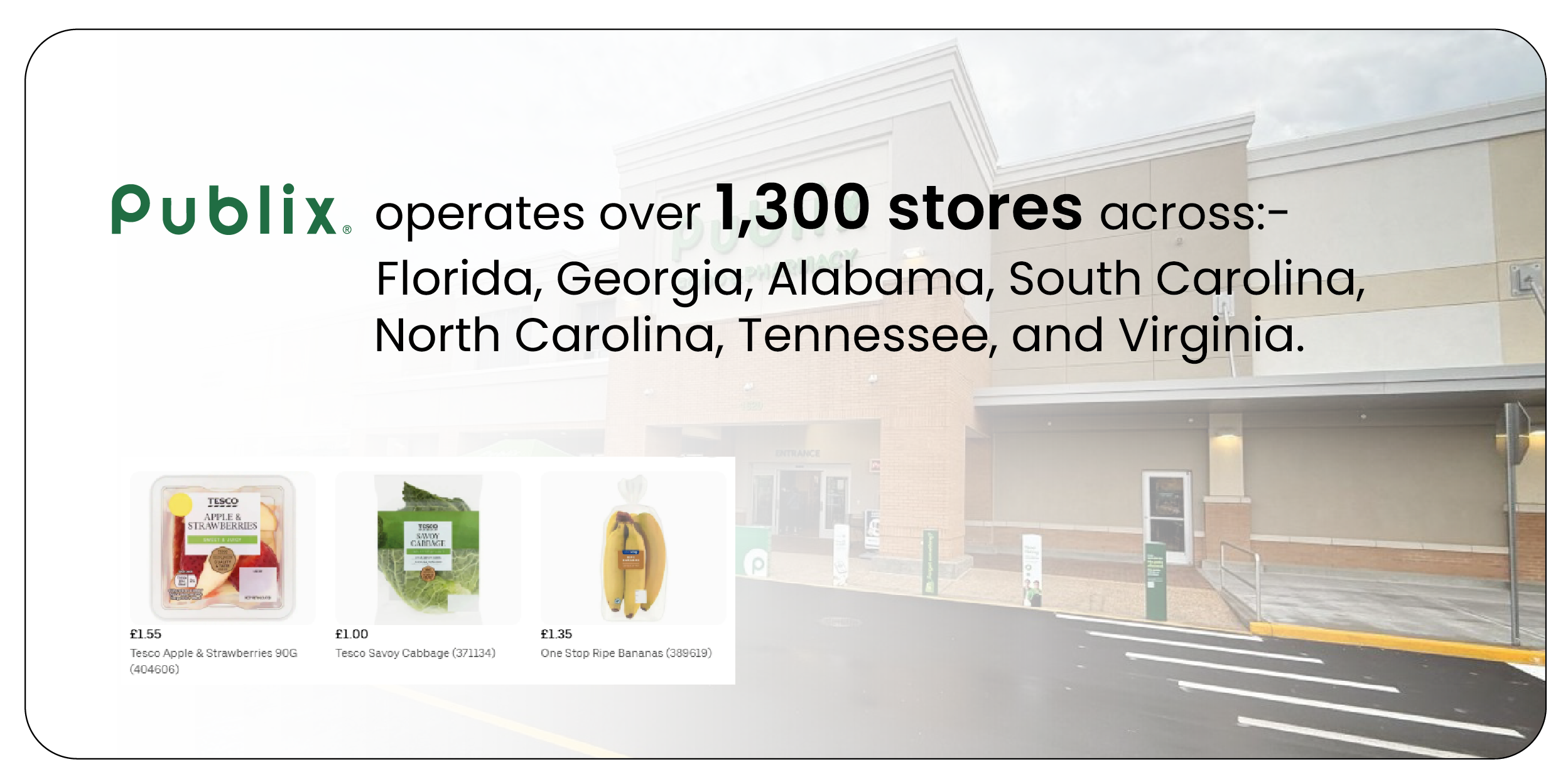
Publix operates over 1,300 stores across Florida, Georgia, Alabama, South
Carolina, North Carolina, Tennessee, and Virginia. As an employee-owned company, it has
cultivated a loyal customer base through its commitment to quality and community engagement. The
data generated by Publix’s operations—ranging from product catalogs to pricing, promotions, and
inventory—provides a detailed snapshot of its business strategies and market positioning. Scrape
Publix Grocery Data to gather structured information about products, categories, prices,
discounts, and availability. This data can reveal patterns in consumer demand, seasonal trends,
and competitive pricing. For businesses, researchers, and analysts, such data is invaluable for
understanding how a major player like Publix navigates the complexities of the grocery retail
market. From product assortment to promotional campaigns, Publix Grocery Products and Prices
Scraping provides a comprehensive view of its operations. Utilizing Publix Grocery Data Scraping
Services enables access to these insights for better decision-making and strategic planning.
Why Publix Data Matters?
Publix data provides essential insights into consumer preferences, pricing strategies, and
regional market dynamics. By analyzing this data, businesses can optimize inventory management,
track competitor activities, and align marketing efforts, ultimately gaining a competitive
advantage in the retail grocery industry.
-
Consumer Behavior Insights:
Publix’s product offerings and pricing reflect the preferences of its diverse customer base.
Data on top-selling items, such as organic produce or bakery goods, can highlight shifts in
consumer priorities, like a growing demand for plant-based foods or gluten-free options.
Extract Publix Supermarket Data to help businesses gain insights into these evolving
consumer preferences.
-
Regional Market Trends:
Publix’s store network spans multiple states with unique demographic and economic
characteristics. Analyzing data from different regions can uncover variations in purchasing
habits, such as a preference for seafood in coastal areas or higher sales of comfort foods
in colder climates.
Extract Publix Grocery & Gourmet Food Data from different locations to identify regional
patterns.
-
Competitive Analysis:
Publix competes with national chains like Walmart, Kroger, and Whole Foods, as well as
regional players. By examining Publix’s pricing and promotional strategies, businesses can
benchmark their approaches and identify opportunities to differentiate.
Web Scraping Publix Data allows companies to monitor these strategies in real time.
-
Supply Chain and Inventory Management:
Data on product availability and stock levels can illuminate Publix’s supply chain
efficiency. For instance, frequent out-of-stock items may indicate supply chain bottlenecks,
while consistent availability of perishables suggests robust logistics.
Extract Grocery & Gourmet Food Data to track product availability and supply chain trends.
-
Marketing and Promotions:
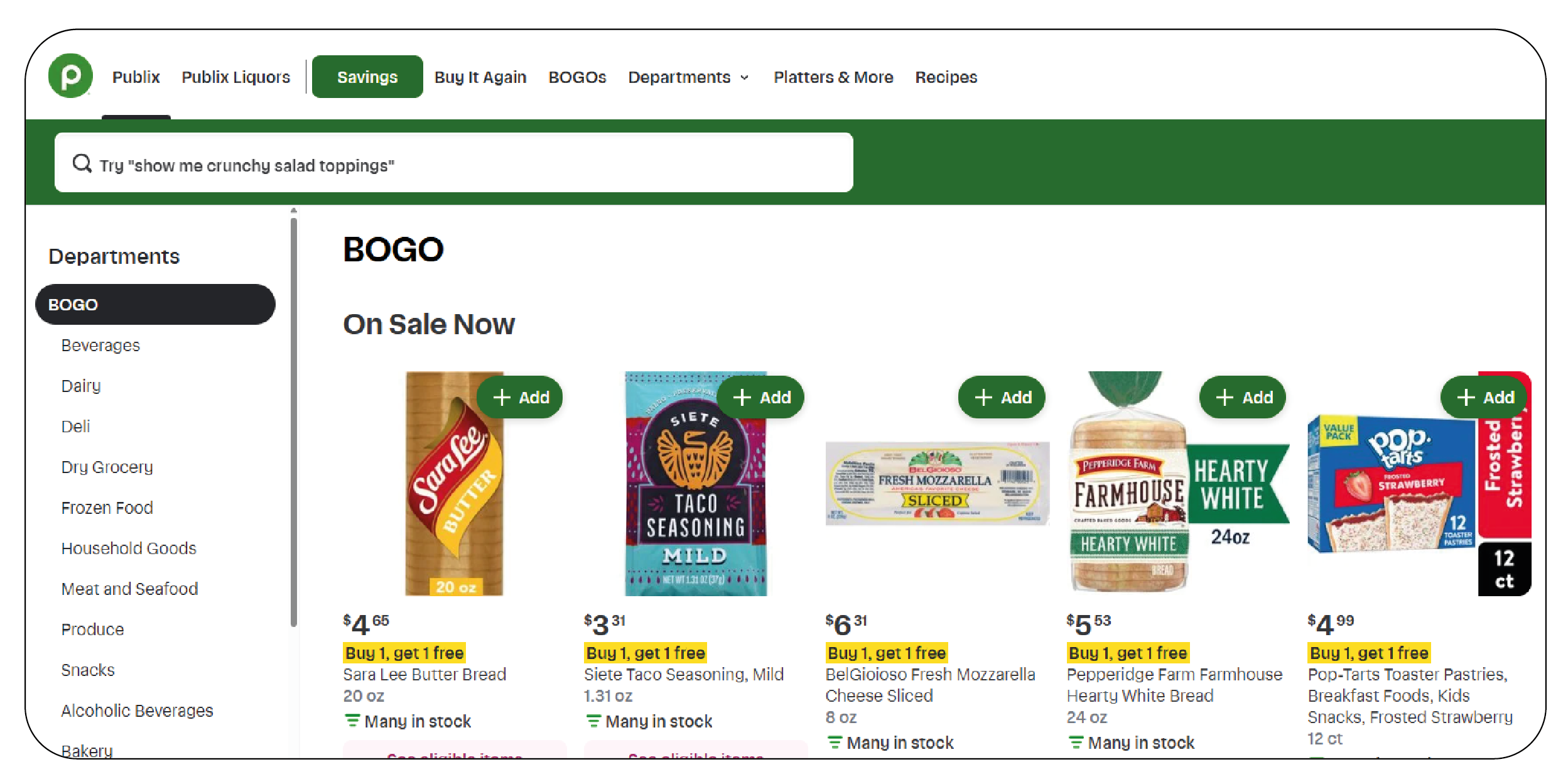
Publix is known for its weekly ads, BOGO (buy one, get one) deals, and loyalty programs.
Data on promotional campaigns can reveal which incentives resonate most with customers and
how Publix balances profitability with customer satisfaction.
Key Data Points in Publix Grocery Data
To fully appreciate the scope of Publix grocery data, it’s essential to understand the types of
information available. While the specifics may vary, the following categories are typically
central to any data extraction effort:
-
Product Information:
This includes product names, descriptions, categories (e.g., dairy, produce, bakery),
brands, and SKUs.
For example, data might show that Publix carries multiple brands of almond milk, each with
different flavors and price points.
-
Pricing:
Price data is critical for understanding Publix’s market positioning. This includes regular
prices, sale prices, and discounts for loyalty program members.
For instance, a gallon of Publix-branded milk might be priced at $3.49, while a national
brand is $4.29.
-
Promotions:
Publix’s BOGO deals, weekly specials, and digital coupons are a cornerstone of its marketing
strategy.
Data on these promotions can reveal which products are most frequently discounted and how
promotions vary by region.
-
Availability:
Stock levels and product availability data indicate how well Publix manages its inventory.
For example, a consistently low stock of organic avocados might suggest high demand or
supply chain challenges.
-
Store Locations:
Geographic data, such as store addresses and operating hours, can be used to analyze
Publix’s market penetration and expansion strategies.
-
Customer Reviews:
While not always part of structured data, customer feedback on products (e.g., through
Publix’s website or third-party platforms) can provide qualitative insights into product
popularity and quality.
Applications of Publix Grocery Data
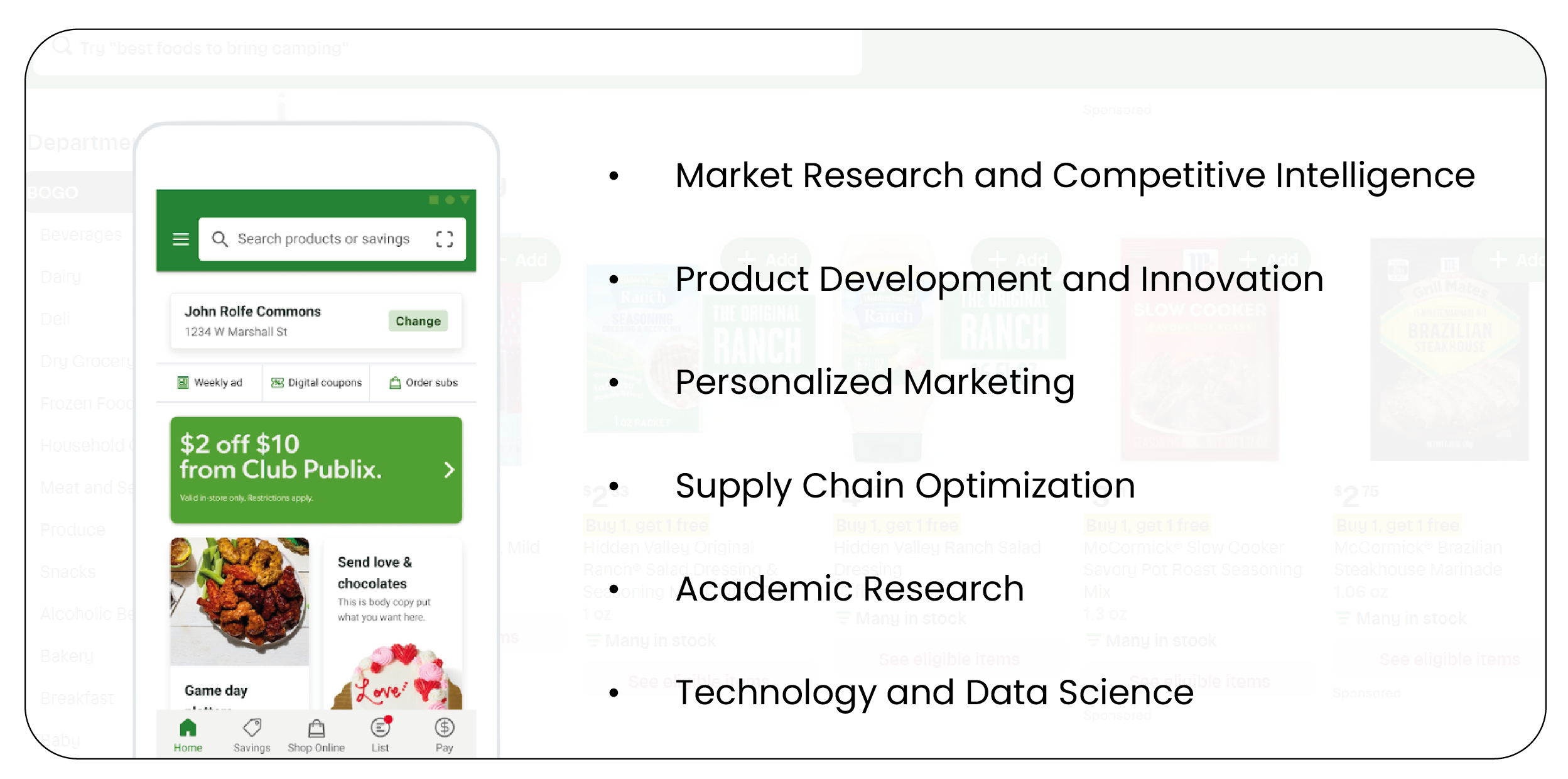
The applications of Publix grocery data are vast, spanning industries from retail and marketing
to academia and technology. Below are some key use cases that demonstrate the versatility of
this data:
-
Market Research and Competitive Intelligence:
Market researchers can use Publix data to analyze trends in the grocery industry. For
instance, a spike in sales of plant-based proteins might indicate a broader shift toward
vegan diets.
Comparing Publix’s prices with competitors can reveal whether it positions itself as a
premium or value-driven retailer—crucial for refining strategies or market entry.
-
Product Development and Innovation:
Food manufacturers and CPG companies can identify gaps using Publix data. For example,
strong sales of gluten-free snacks but limited variety may inspire product innovation.
Trends in flavors or ingredients can guide new formulations.
-
Personalized Marketing:
Marketers can design targeted campaigns using regional insights—for example, promoting
organic offerings where demand is high.
Loyalty program performance and discount trends can further tailor outreach strategies.
-
Supply Chain Optimization:
Inventory and availability data from Publix can highlight bottlenecks or inefficiencies.
Frequent stockouts might suggest the need for new suppliers or improved ordering
processes—leading to better service and cost control.
-
Academic Research:
Publix data can support studies in economics, sociology, or consumer behavior.
For instance, pricing data could help analyze inflation effects, while product preferences
may reveal cultural consumption patterns.
-
Technology and Data Science:
Publix grocery data is ideal for predictive modeling and ML applications.
Algorithms might forecast stockouts or predict promotional impacts—enhancing inventory,
pricing, and marketing optimization.
The Broader Implications of Grocery Data Extraction
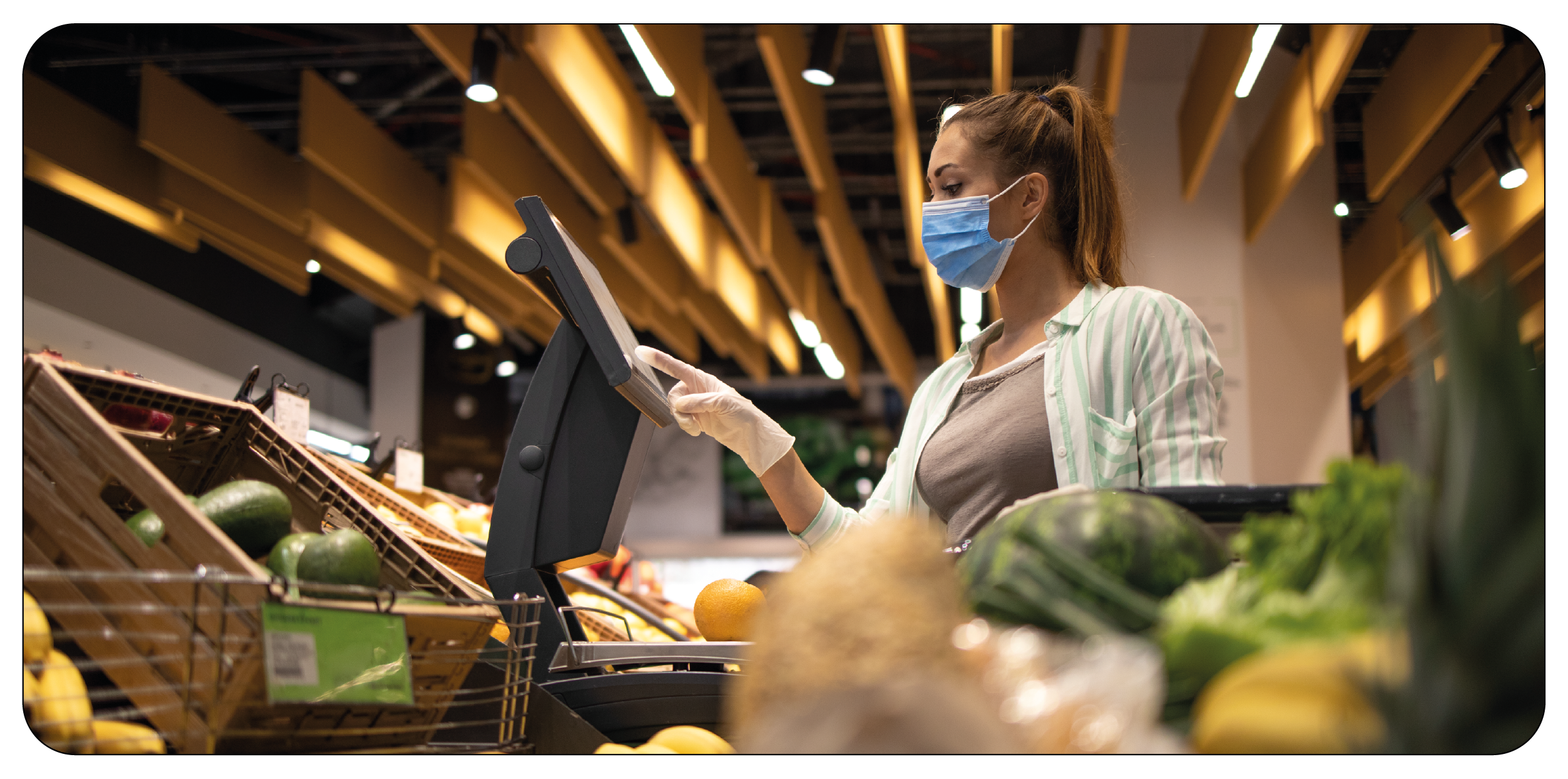
While Publix is a single retailer, its data reflects broader trends in the grocery industry. The
rise of e-commerce, for instance, has transformed how consumers shop for groceries. Publix’s
online platform, which offers delivery and curbside pickup, generates additional data on digital
shopping habits. Analyzing this data can reveal how consumers balance convenience, cost, and
product quality when shopping online.
Moreover, grocery data extraction contributes to our understanding of sustainability and food
systems. Data on the popularity of organic or locally sourced products can inform efforts to
promote sustainable agriculture. Similarly, insights into food waste—such as products frequently
discounted due to approaching expiration dates—can guide initiatives to reduce waste.
Real-World Impact: How Publix Data Shapes Decisions
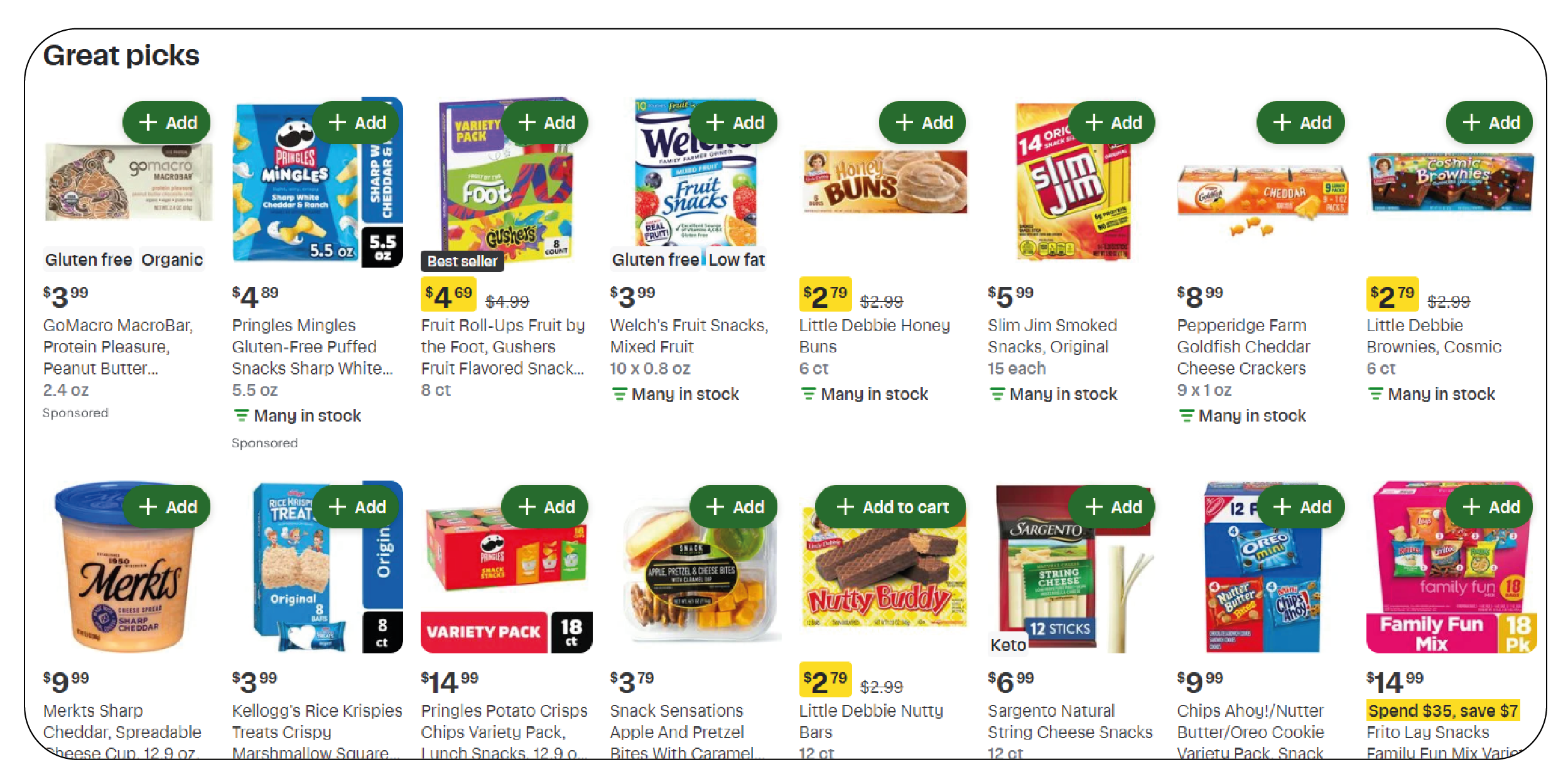
To illustrate the power of Publix grocery data, consider a hypothetical scenario involving a
regional food manufacturer. The manufacturer wants to launch a new line of frozen meals but
needs to understand consumer preferences. Analyzing Publix data, the manufacturer discovers that
frozen meals with organic ingredients and bold flavors (e.g., spicy Thai or Mediterranean) are
top sellers in Florida stores. Armed with this insight, the manufacturer develops a line of
organic, globally inspired frozen meals and pitches them to Publix buyers, securing a
distribution deal.
In another example, a data analytics firm uses Publix’s pricing and promotion data to help a
competing retailer optimize its discounts. The firm finds that Publix’s BOGO deals on snacks
drive significant foot traffic on weekends. The competitor responds by launching similar
promotions tailored to its customer base and seeing a sales boost.
Unlock valuable insights and stay ahead of the
competition—contact us today to start leveraging our grocery data
scraping services!
Contact Us Today!
The Future of Grocery Data Extraction
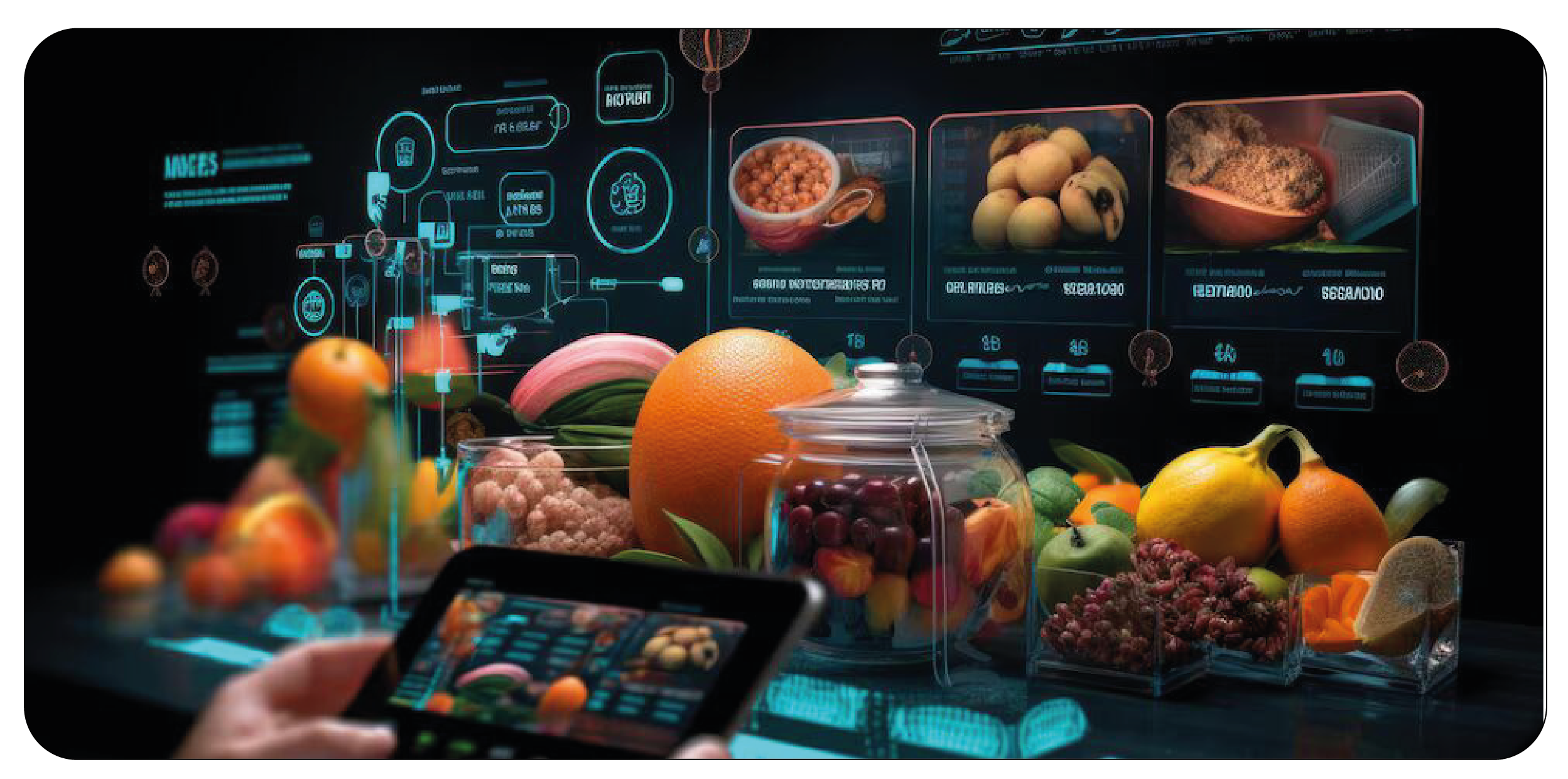
As technology evolves, so will the methods and applications of grocery data extraction. Advances
in artificial intelligence and machine learning are making it easier to process large datasets
and uncover hidden patterns. This could mean more sophisticated demand forecasting, personalized
promotions, or even dynamic pricing based on real-time data for Publix. Additionally, the
growing emphasis on transparency and sustainability will likely shape how retailers like Publix
collect and share data. Consumers are increasingly interested in the origins of their food, from
farm to table. Data on product sourcing, carbon footprints, and ethical practices could become
as important as price and availability. Leveraging a Grocery Store Dataset will allow retailers
to align with these trends and meet customer expectations. Web Scraping Grocery Data will play a
key role in gathering this information efficiently, providing brands with the insights they need
to stay competitive and socially responsible.
How Product Data Scrape Can Help You?
-
Real-Time Data Access:
Our grocery data scraping services provide up-to-the-minute insights on product pricing,
availability, promotions, and stock levels, allowing you to make quick, data-driven
decisions.
-
Competitive Analysis:
By scraping competitor grocery data, you can benchmark your pricing, promotions, and product
assortment against industry leaders, gaining a strategic edge in the market.
-
Consumer Insights:
Our services help you extract data on consumer behavior, popular products, and seasonal
trends, enabling you to align your inventory and marketing strategies with customer demand.
-
Efficient Inventory Management:
With real-time product availability and stock level data, you can optimize your supply
chain, reducing stockouts and ensuring consistent product availability.
-
Data-Driven Marketing:
Leverage our grocery data scraping services to analyze promotional campaigns and consumer
feedback, helping you create targeted, effective marketing strategies that resonate with
your audience.
Conclusion
Extracting Publix grocery data is more than a technical exercise—it’s a gateway to understanding
the intricacies of the grocery retail industry. This data offers businesses, researchers, and
innovators actionable insights from consumer preferences to competitive strategies. As Publix
continues to grow and adapt to changing market dynamics, its data will remain a critical
resource for anyone looking to navigate the complex world of grocery retail. By harnessing the
power of this data, stakeholders can make informed decisions that drive growth, enhance customer
satisfaction, and contribute to a more sustainable food ecosystem. Web Scraping Grocery &
Gourmet Food Data from Publix provides a comprehensive view of product offerings and trends.
Using Grocery & Supermarket Data Scraping Services, businesses can gain real-time access to
pricing, promotions, and inventory data. Additionally, Grocery Data Scraping Services enable
deep insights into the dynamics of the grocery market, empowering brands to stay competitive and
informed.
At Product Data Scrape, we strongly emphasize ethical practices across all our services,
including Competitor Price Monitoring and Mobile App Data Scraping. Our commitment to
transparency and integrity is at the heart of everything we do. With a global presence and a
focus on personalized solutions, we aim to exceed client expectations and drive success in data
analytics. Our dedication to ethical principles ensures that our operations are both responsible
and effective.


 USA
USA
 EMAIL
EMAIL
 PHONE
PHONE










.webp)