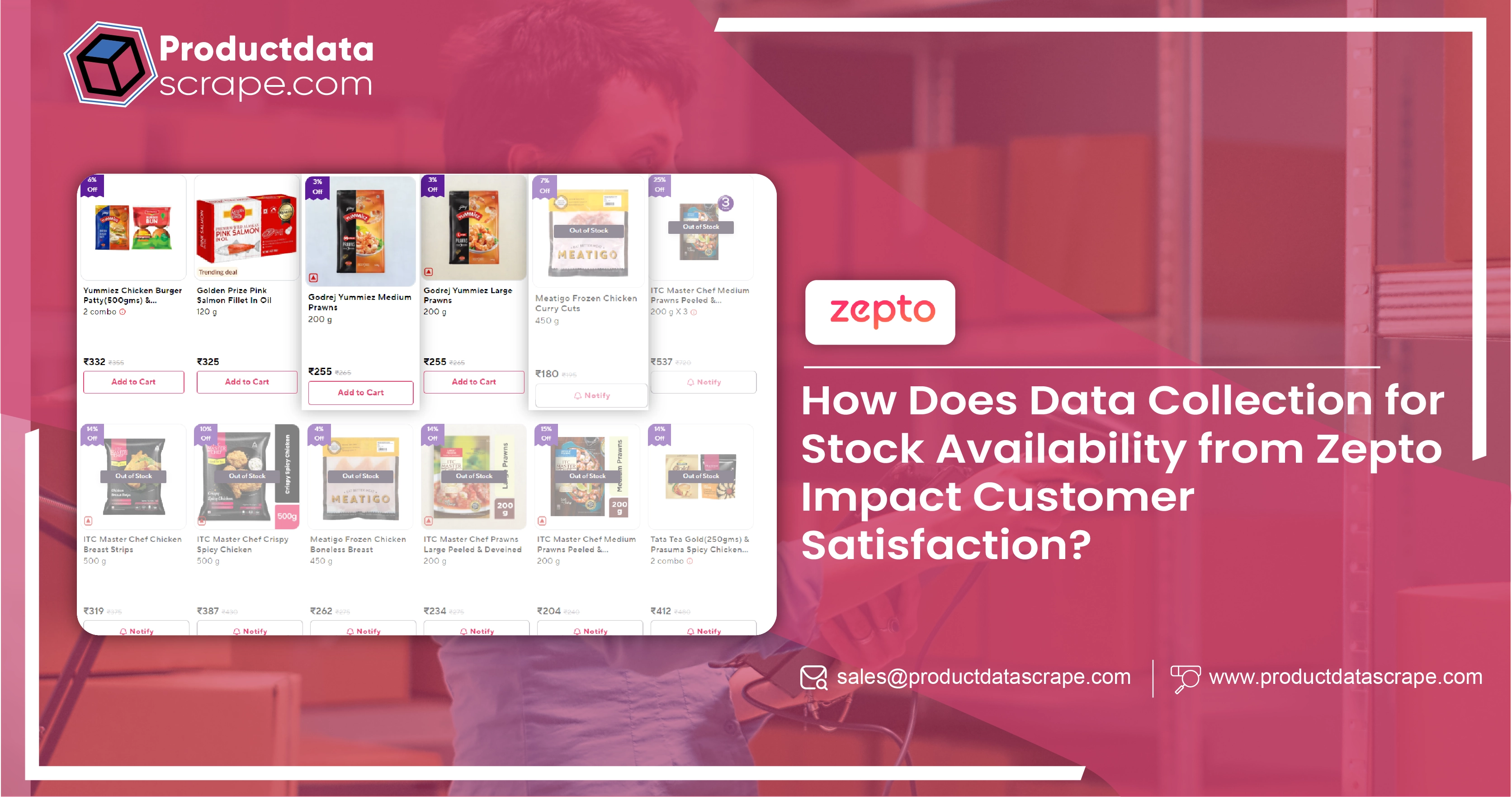
In today's fast-paced digital age, eCommerce is more competitive than ever, with companies
striving to meet consumer demand in real-time. Zepto has emerged as a critical player in the
quick commerce segment, particularly in India, promising ultra-fast deliveries within 10
minutes. For this model to succeed, data collection for stock availability from Zepto is
crucial. Extracting Zepto supermarket data enables businesses, researchers, and analysts to
optimize inventory, forecast demand, and enhance customer satisfaction. Leveraging
grocery app data scraping services ensures real-time insights into product availability, helping stakeholders make informed decisions, minimize stockouts, and maintain a
competitive edge in the rapidly evolving market.
The Importance of Stock Availability Data

Stock availability data is critical for various stakeholders, including retailers, suppliers, and
consumers. This data ensures that retailers can maintain an adequate supply of products to
meet customer demand, thus avoiding stockouts that could lead to lost sales and customer
dissatisfaction. For suppliers, stock availability data helps manage inventory, predict
demand trends, and optimize logistics. Lastly, this data provides real-time information on
product availability, enabling consumers to make informed purchasing decisions.
In the context of Zepto, which operates on a hyperlocal model, stock availability data
becomes even more vital. Given the platform's promise of delivering products within
minutes, any discrepancy in stock information could lead to significant delays, customer
complaints, and, ultimately, a loss of trust in the service. Therefore, extract grocery product
availability data from Zepto for the smooth operation of such a rapid delivery system.
Scrape Zepto grocery stock availability data to ensure customers receive their orders as
promised, maintaining service reliability and customer satisfaction. For comprehensive
oversight, web scraping grocery delivery data can provide valuable insights into stock levels
and product availability across different regions and delivery times.
Challenges in Data Collection for Stock Availability
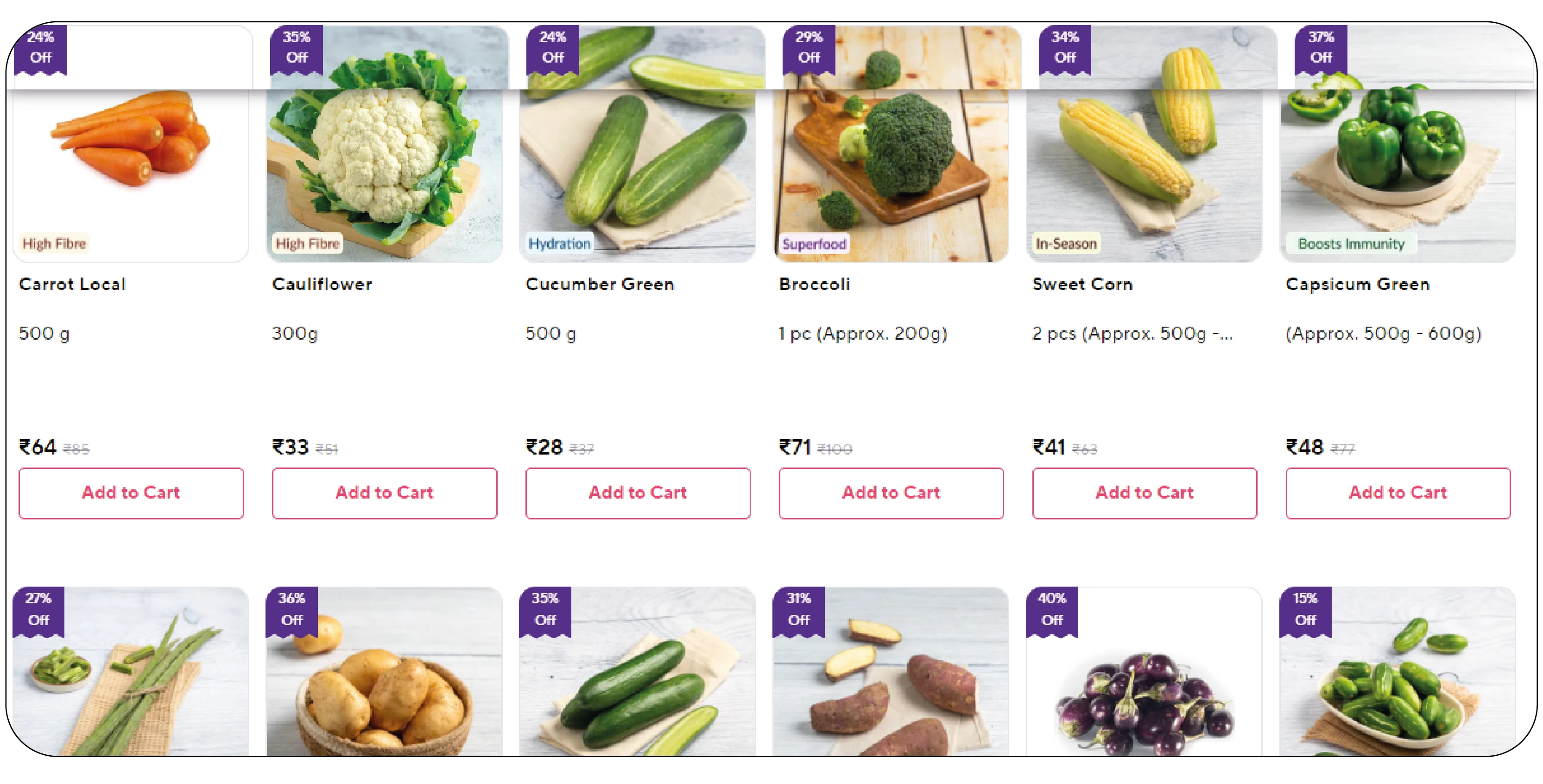
Collecting stock availability data from Zepto poses several challenges, primarily due to the
platform's dynamic nature and the complexity of its supply chain. Unlike traditional
eCommerce platforms that might update stock levels a few times daily, Zepto needs to
reflect real-time stock changes across multiple locations.
1. Dynamic Inventory Management: Zepto's inventory is highly dynamic, with
fluctuating stock levels due to continuous orders and deliveries. This makes
capturing accurate stock data at any moment challenging, requiring advanced data
scraping for stock availability from Zepto methods that can handle real-time
updates.
2. Hyperlocal Delivery Model: Zepto operates on a hyperlocal delivery model, meaning
stock levels vary significantly between delivery zones. A product available in one
area might be out of stock in another, making it essential to extract Zepto
supermarket data and analyze data at a very granular level.
3. Multiple SKUs and Categories:Zepto offers various products, from groceries to
household essentials, each with multiple stock-keeping units (SKUs). Collecting data
across this vast array of products requires a robust Zepto grocery data extraction
system that can manage large datasets efficiently.
4. API Limitations: While many platforms offer APIs for data access, these often come
with limitations, such as rate limits or restricted data points. For Zepto, if an official
API is available, it might not provide all the necessary information, requiring
alternative data collection methods. Web scraping retail websites data can be a
viable solution in such cases.
5. Data Accuracy and Freshness: Ensuring data accuracy is critical, as outdated or
incorrect stock information can lead to poor business decisions. The need for fresh
data adds complexity to the data collection, requiring frequent updates and
validations.
Techniques for Effective Data Collection
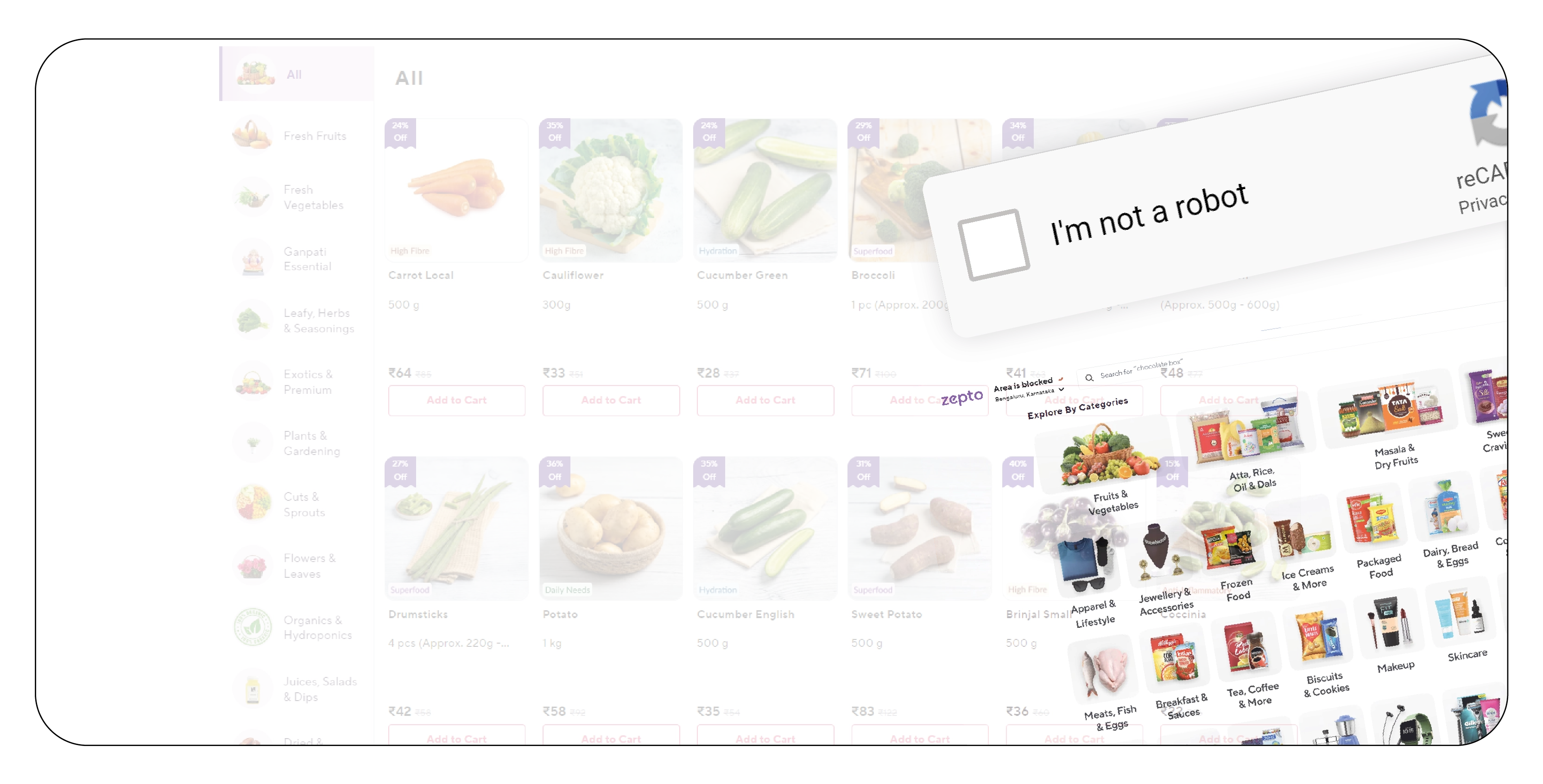
Several techniques can be employed to overcome the challenges associated with data
collection for stock availability from Zepto. These methods focus on capturing accurate,
real-time data while minimizing disruptions to the platform's operations.
1. Web Scraping: AOne of the most common techniques for collecting stock availability
data is Scrape online Zepto grocery delivery app data. This method involves
extracting data from Zepto's website or mobile app by simulating user interactions.
Web scraping can capture real-time data on product availability, prices, and location-
specific stock levels. However, careful implementation is required to avoid being
blocked by anti-scraping measures, such as CAPTCHAs or rate limiting.
2. API Integration: If available, integrating with Zepto grocery delivery scraping API
services is a more efficient and reliable way to collect stock data. APIs are designed
to provide structured data directly from the platform's backend, ensuring higher
accuracy and faster access to information. API integration also reduces the risk of
being blocked, as it typically adheres to the platform's terms of service.
3. Data Partnerships: Establishing a data partnership with Zepto can provide direct
access to Zepto grocery delivery data collection, often with enhanced accuracy and
real-time updates. This approach requires negotiation and may involve sharing
business insights or offering value in return. While this is not always feasible for all
businesses, it offers the most reliable data access.
4. Crowdsourced Data: Leveraging crowdsourced data from users can also effectively
collect stock availability information. By encouraging users to report stock levels in
their area, businesses can gather localized data that might not be available through
other means. This approach is beneficial in areas with limited or restricted direct
data access.
5. Machine Learning Models: Advanced machine learning models can predict stock
availability based on historical data, trends, and external factors such as holidays or
sales events. While this method does not directly collect data, it provides valuable
insights to help businesses anticipate stock shortages and optimize inventory
management. Incorporating price monitoring and pricing strategy into these models
can further enhance their predictive capabilities while utilizing Zepto grocery
delivery datasets to help refine the accuracy of the forecasts.
Applications of Stock Availability Data
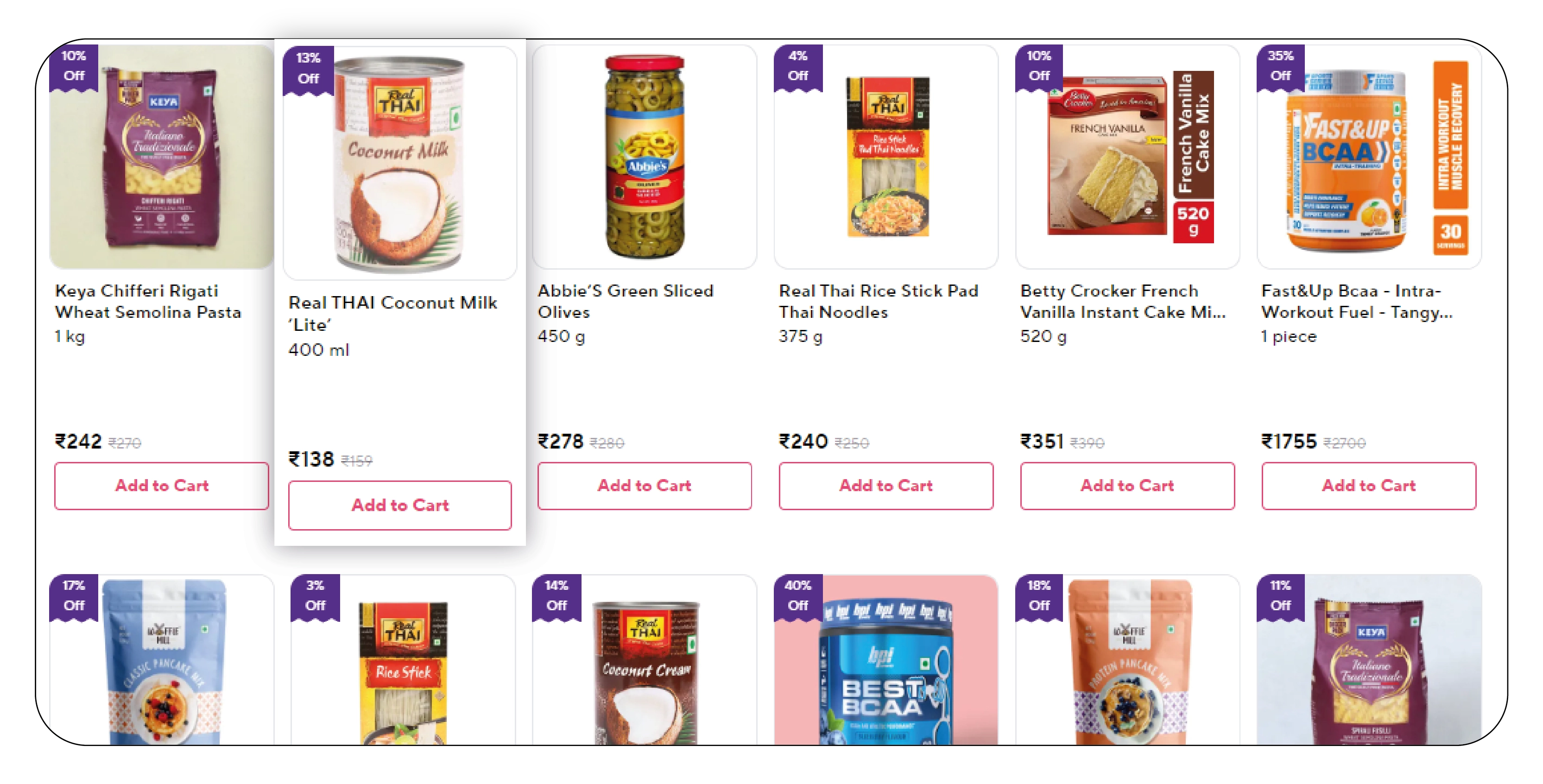
The data collected on stock availability from Zepto can be applied in various ways to
enhance business operations, improve customer experience, and drive growth.
1. Inventory Management: By analyzing stock availability data, businesses can optimize
their inventory levels to ensure that high-demand products are always in stock while
minimizing excess inventory that ties up capital. This leads to better cash flow
management and reduces the risk of stockouts or overstocking.
2. Demand Forecasting: Stock availability data can be used with other data points, such
as sales history and market trends, to forecast future demand. This helps businesses
plan their procurement and logistics more effectively, ensuring they meet customer
demand during peak periods.
3. Price Optimization: Understanding stock levels can also inform dynamic pricing
strategies. For example, businesses might increase prices to maximize profits when a
product's stock is low and demand is high. Conversely, offering discounts or
promotions can help move inventory more quickly when stock levels are high.
4. Competitive Analysis: By collecting and analyzing stock availability data from Zepto
and other platforms, businesses can gain insights into their competitors' inventory
management strategies. This information can be used to identify market gaps,
capitalize on competitors' stockouts, and refine their product offerings.
5. Customer Experience Enhancement: Ensuring that stock availability data is accurate
and up-to-date can significantly improve the customer experience on platforms like
Zepto. Customers who receive real-time information on product availability are more
likely to complete their purchases, reducing cart abandonment rates and increasing
overall sales.
Ethical Considerations and Compliance
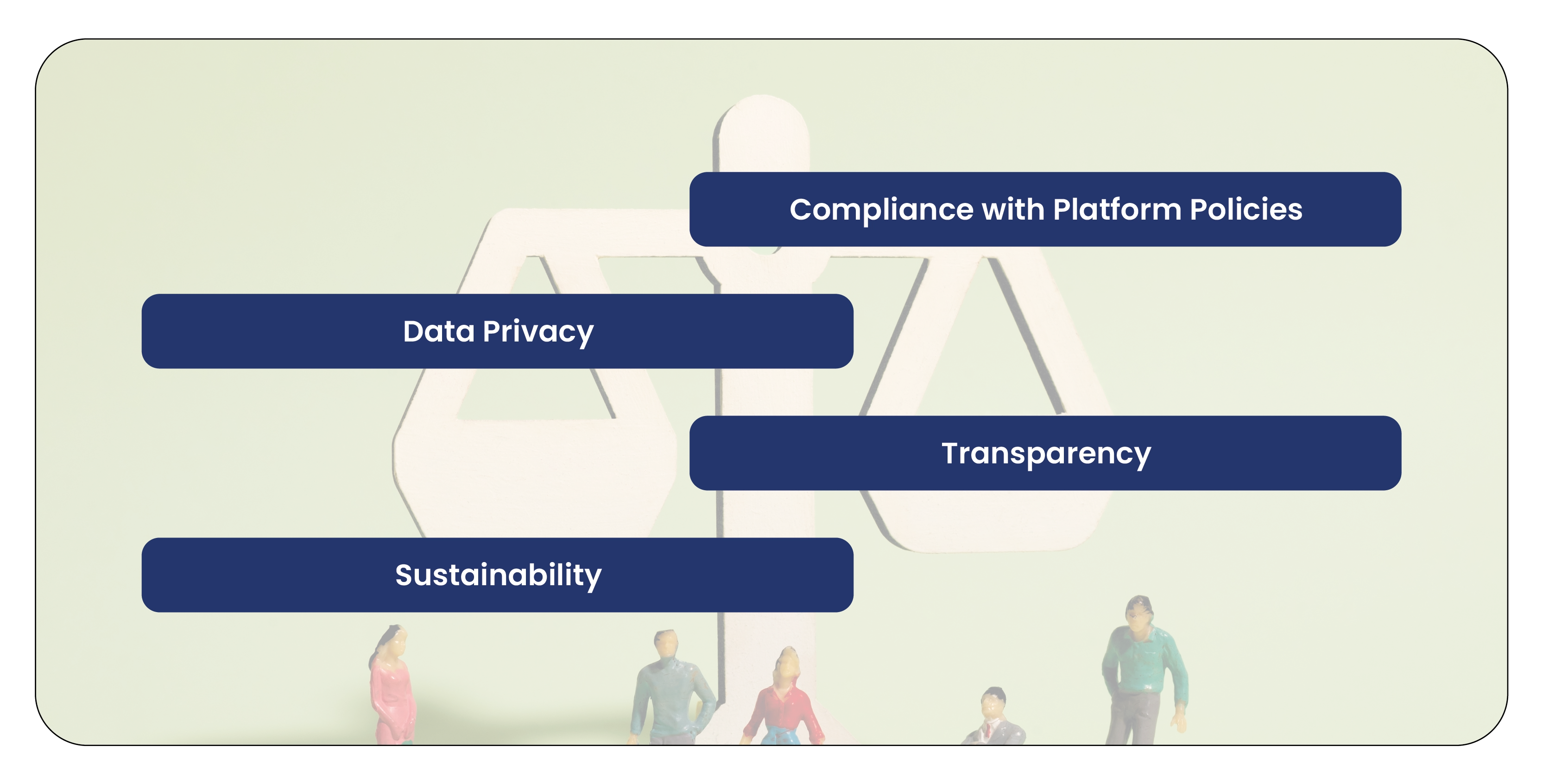
1. Compliance with Platform Policies: Always review and adhere to Zepto's terms of
service and data usage policies. Unauthorized scraping or data collection can result
in legal action, account bans, or other penalties.
2. Data Privacy: Ensure the data collection does not infringe on users' privacy rights.
Avoid collecting personally identifiable information (PII) unless explicitly permitted
by the platform's policies and relevant regulations.
3. Transparency: If engaging in crowdsourced data collection, be transparent with
users about how their data will be used. Provide clear opt-in options and ensure
users understand the benefits of contributing their data.
4. Sustainability: Consider the impact of data collection on Zepto's infrastructure.
Excessive or aggressive scraping can strain the platform's servers, leading to
slowdowns or disruptions for other users. Responsibly implementing data collection
ensures long-term sustainability and minimizes the risk of being blocked.
Conclusion
Data collection for stock availability from Zepto is a complex but essential task for
businesses looking to optimize their operations, improve customer satisfaction, and stay
competitive in the fast-paced world of quick commerce. By leveraging advanced techniques
such as web scraping, API integration, and machine learning, businesses can scrape Zepto grocery delivery data to access accurate, real-time stock information that drives better
decision-making. However, it is crucial to approach the process ethically, ensuring
compliance with platform policies and protecting user privacy. With the right strategies in
place, stock availability data from Zepto can become a powerful tool for growth and success
in the eCommerce industry.
At Product Data Scrape, we strongly emphasize ethical practices across all our services, including Competitor Price Monitoring and Mobile App Data Scraping. Our commitment to transparency and integrity is at the heart of everything we do. With a global presence and a
focus on personalized solutions, we aim to exceed client expectations and drive success in
data analytics. Our dedication to


 Singapore
 EMAIL
EMAIL
 PHONE
PHONE











.webp)