Introduction
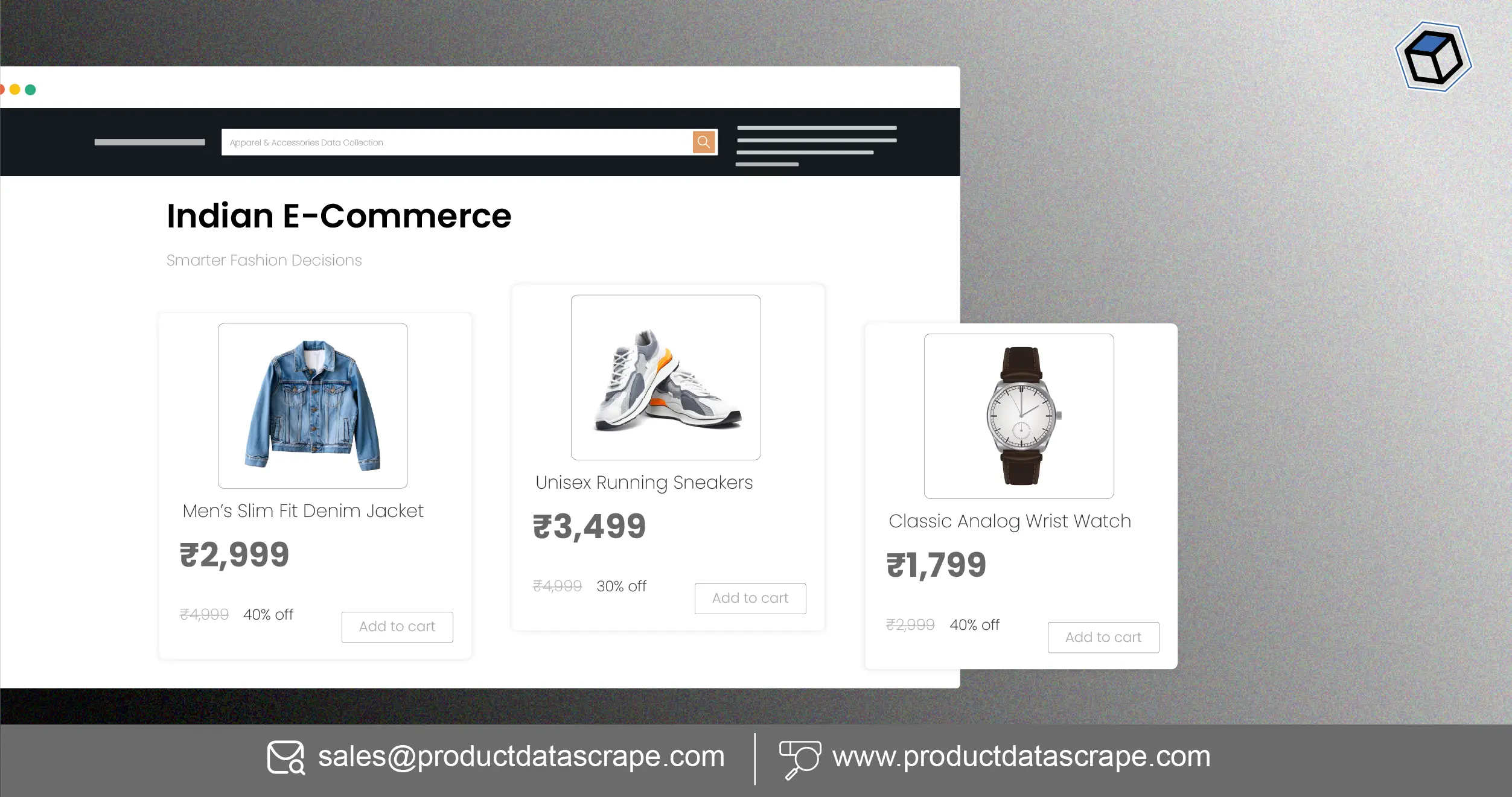
The Indian e-commerce fashion sector has witnessed rapid growth over the past decade, fueled by increased internet penetration, smartphone usage, and evolving consumer preferences. To remain competitive, fashion brands and retailers need real-time insights into trends, pricing, and inventory. Apparel & Accessories Data Collection from Indian E-Commerce provides businesses with structured data on products, prices, and availability, enabling smarter merchandising and inventory decisions.
Combined with Web Scraping Indian E-commerce Websites, brands can automate the collection of large volumes of product data from multiple platforms, capturing dynamic changes in listings and offers. This approach empowers decision-makers with actionable intelligence, helping identify emerging trends, optimize pricing, and enhance customer satisfaction. From analyzing competitor strategies to understanding regional demand patterns, data-driven insights are now central to fashion retail success in India.
Capturing Product Listings at Scale
Collecting detailed product listings across India’s e-commerce marketplaces allows retailers to monitor catalog breadth, brand positioning, and category trends. Extract fashion product data from Indian marketplaces enables businesses to capture SKU-level information including product name, category, price, brand, images, and specifications.
Between 2020 and 2026, the number of fashion SKUs listed on major Indian e-commerce platforms has grown substantially. For instance, urban marketplaces saw an average 20% annual increase in product listings, while smaller regional platforms experienced even higher growth due to niche brand expansion.
| Year |
Avg. SKUs per Platform |
Avg. Brands |
Avg. Categories |
| 2020 |
80,000 |
500 |
12 |
| 2022 |
110,000 |
700 |
15 |
| 2024 |
140,000 |
900 |
18 |
| 2026* |
175,000 |
1,200 |
20 |
Extracted data allows brands to track competitor catalog expansion, monitor new product launches, and assess product diversity. Insights into category and subcategory performance guide assortment planning, ensuring retailers align their offerings with market demand.
Monitoring Pricing and Stock Changes
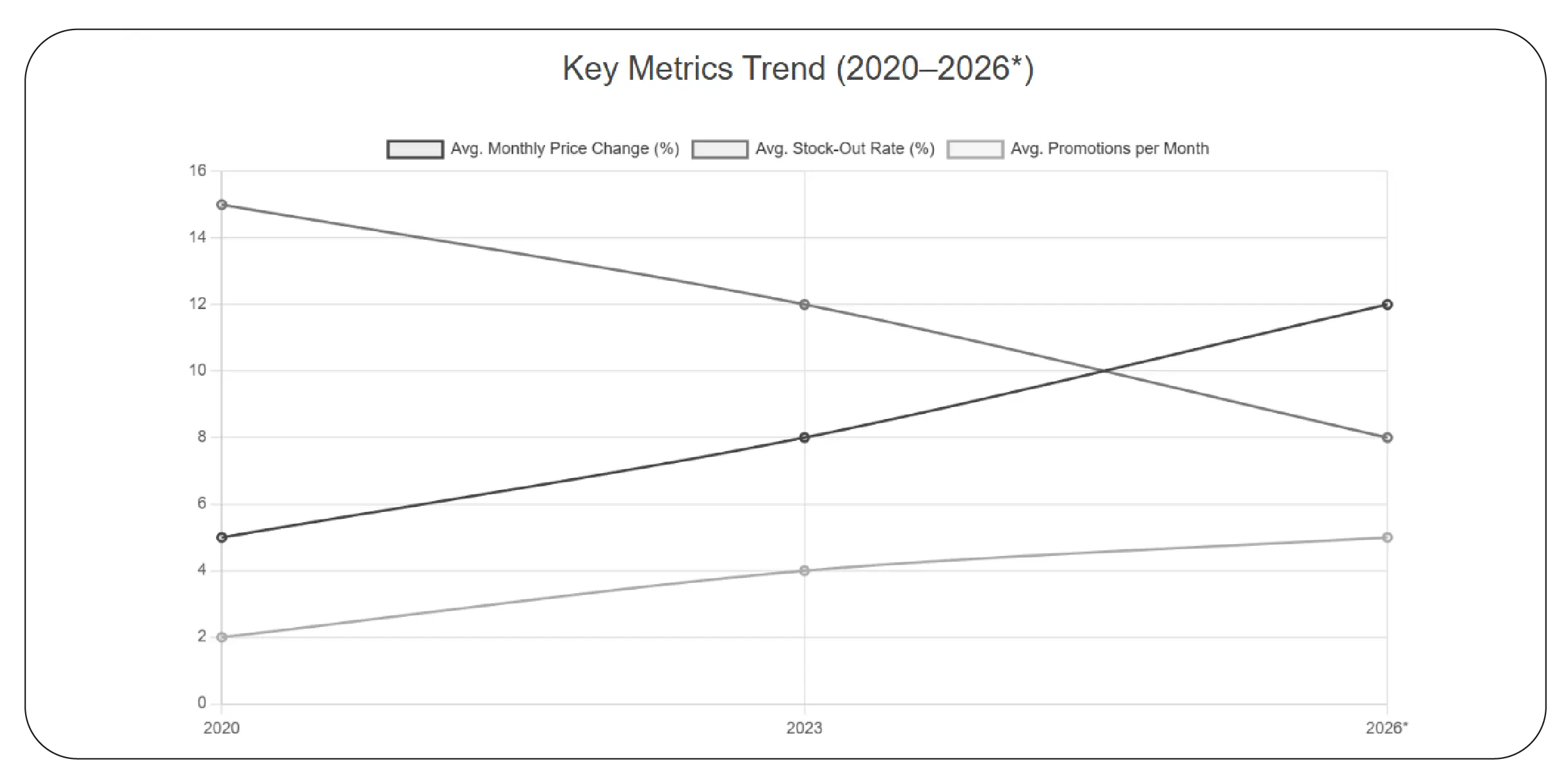
Fashion prices fluctuate frequently due to promotions, seasonal demand, and competitor activity. Track apparel prices and availability in India provides real-time visibility into these dynamics, allowing retailers to adjust pricing and inventory strategies proactively.
From 2020 to 2026, the average monthly price change across popular apparel categories ranged between 5% and 12%, while stock-out events varied across regions. Automated tracking ensures businesses can respond to high-demand periods like festival sales or monsoon collections efficiently.
| Metric |
2020 |
2023 |
2026* |
| Avg. Monthly Price Change |
5% |
8% |
12% |
| Avg. Stock-Out Rate |
15% |
12% |
8% |
| Avg. Promotions per Month |
2 |
4 |
5 |
Monitoring these changes helps brands optimize inventory allocation, minimize lost sales, and enhance customer satisfaction by ensuring product availability at the right price and time.
Building Comprehensive Fashion Datasets
Structured datasets are essential for analytics and strategic decision-making. Apparel product dataset from Indian marketplaces provides historical and real-time data on product listings, pricing, discounts, availability, and trends.
Between 2020 and 2026, dataset coverage across categories expanded significantly. For example, women’s apparel represented over 40% of listings, while accessories and footwear grew steadily. Such datasets enable detailed analyses such as price elasticity, seasonal trends, and product lifecycle performance.
| Category |
2020 Listings |
2023 Listings |
2026* Listings |
| Women’s Apparel |
32,000 |
50,000 |
70,000 |
| Men’s Apparel |
25,000 |
40,000 |
55,000 |
| Accessories |
10,000 |
18,000 |
25,000 |
| Footwear |
13,000 |
22,000 |
35,000 |
Having comprehensive datasets allows fashion businesses to leverage predictive analytics, optimize assortments, and tailor offerings to customer preferences in a competitive e-commerce environment.
Extracting Detailed Product Attributes
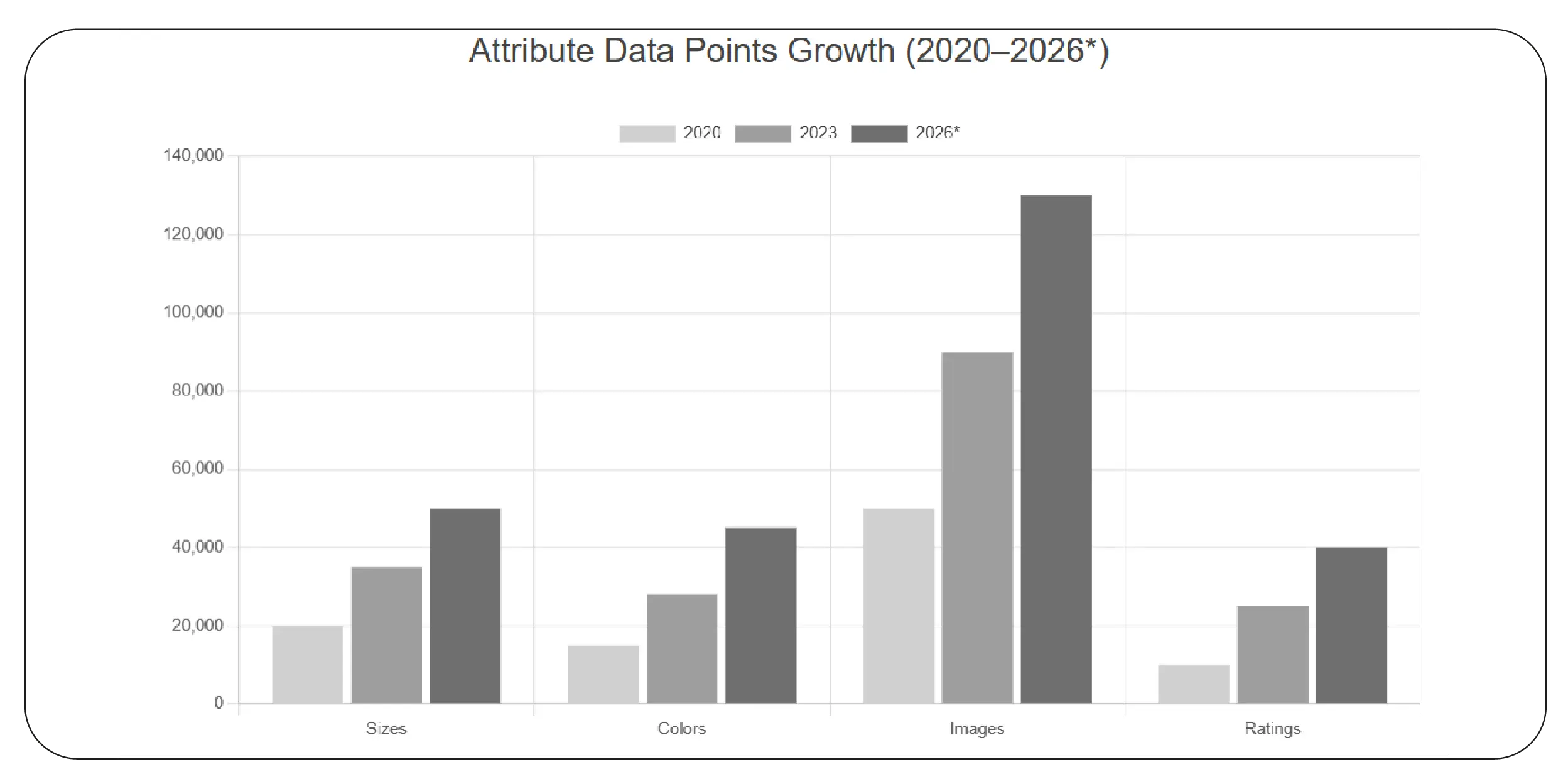
Beyond prices and stock, detailed product information supports personalized marketing and trend forecasting. Scrape clothing & accessories data from e-commerce enables the collection of product descriptions, materials, sizes, colors, images, and user ratings.
From 2020 to 2026, enriched data fields have become essential for AI-driven recommendations and customer experience improvements. For instance, tracking color popularity and size availability helps retailers optimize inventory and reduce returns.
| Attribute |
Data Points 2020 |
Data Points 2023 |
Data Points 2026* |
| Sizes |
20,000 |
35,000 |
50,000 |
| Colors |
15,000 |
28,000 |
45,000 |
| Images |
50,000 |
90,000 |
130,000 |
| Ratings |
10,000 |
25,000 |
40,000 |
Detailed product extraction improves personalization strategies, supports trend analysis, and informs design and merchandising decisions.
Leveraging Marketplace Scrapers
Automated scrapers help track large marketplaces efficiently. Indian fashion marketplace Data Scraper allows businesses to monitor multiple platforms in parallel, capturing new listings, price adjustments, and stock changes.
From 2020 to 2026, the average number of monitored marketplaces per company increased from 3 to 8, reflecting the importance of multi-platform presence. Scrapers reduce manual effort, maintain data consistency, and enable real-time alerts for significant market changes.
| Metric |
2020 |
2023 |
2026* |
| Marketplaces Monitored |
3 |
5 |
8 |
| Avg. Listings Tracked |
80,000 |
140,000 |
200,000 |
| Avg. Data Refresh Frequency |
Weekly |
Daily |
Hourly |
Marketplace scrapers empower businesses to respond faster to competitor strategies and shifting consumer demand.
Scaling Analytics Across Platforms
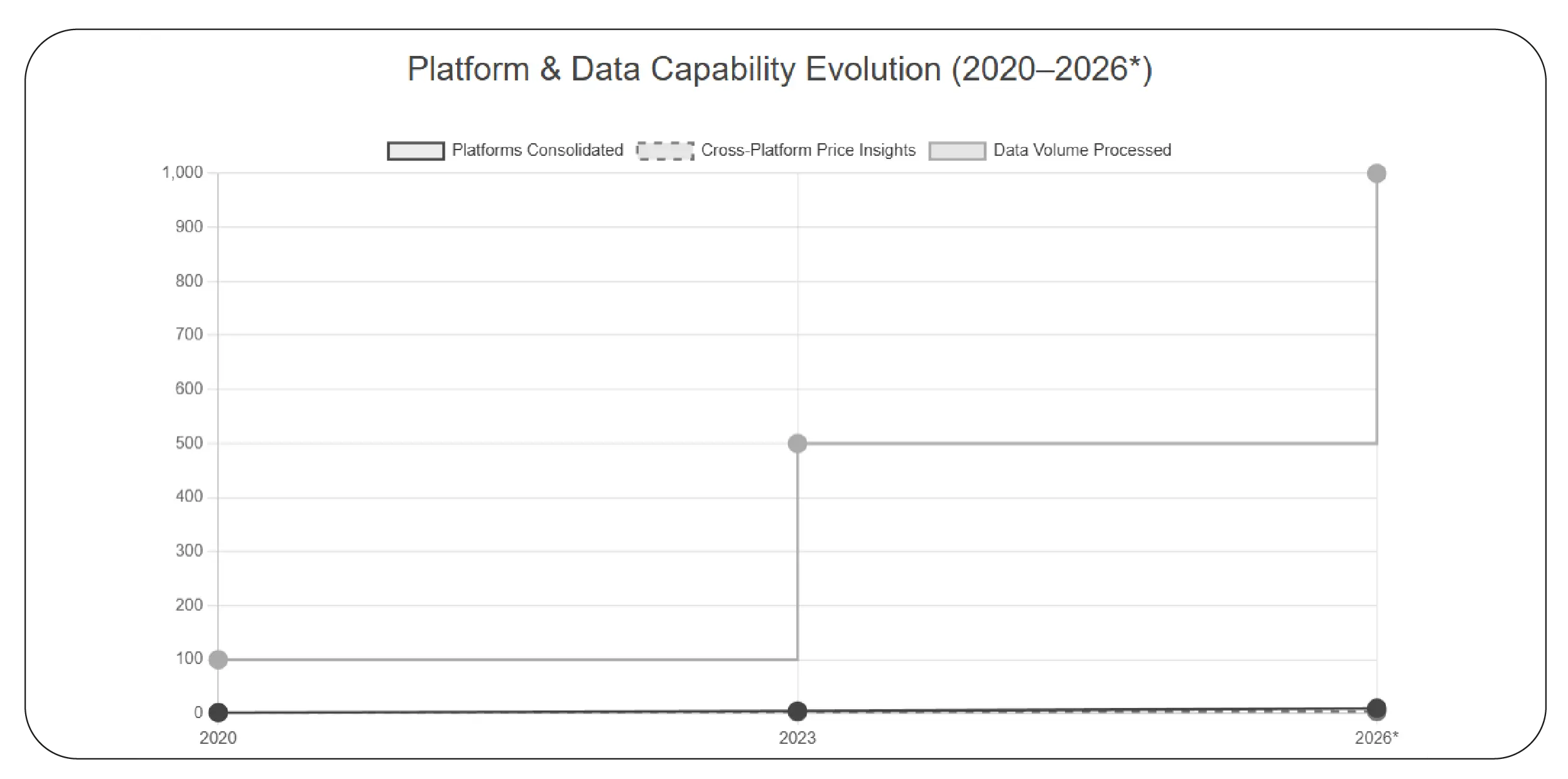
Integrating data from multiple sources ensures actionable insights. Extract Fashion & Apparel Data, Scrape Data From Any Ecommerce enables companies to consolidate product listings, pricing, and trends from regional and national e-commerce platforms.
Between 2020 and 2026, cross-platform analytics became critical for omnichannel strategies. By standardizing extracted data, businesses can track pricing disparities, category performance, and consumer behavior trends across platforms.
| Metric |
2020 |
2023 |
2026* |
| Platforms Consolidated |
2 |
5 |
10 |
| Cross-Platform Price Insights |
Medium |
High |
Very High |
| Data Volume Processed |
100K |
500K |
1M+ |
Cross-platform data empowers strategic pricing, inventory management, and trend prediction, driving smarter fashion business decisions.
Why Choose Product Data Scrape?
Product Data Scrape provides reliable, scalable, and automated solutions for fashion e-commerce data collection. With the Web Data Intelligence API, businesses can extract structured product listings, pricing, availability, and attribute data from multiple Indian e-commerce platforms efficiently. This reduces manual effort, improves accuracy, and ensures real-time access to market insights. Retailers, brands, and analysts can leverage these datasets to make data-driven decisions, optimize pricing, track competitor strategies, and enhance customer experience. Product Data Scrape enables faster, smarter, and more strategic decisions for fashion businesses in India’s dynamic e-commerce environment.
Conclusion
Collecting and analyzing fashion data is critical in India’s fast-moving e-commerce landscape. Leveraging Buy Custom Dataset options combined with Apparel & Accessories Data Collection from Indian E-Commerce allows businesses to monitor trends, optimize inventory, and adjust pricing in real time. By integrating automated data scraping and comprehensive analytics, companies can gain a competitive edge, forecast demand accurately, and enhance customer satisfaction.
Get started with Product Data Scrape today to transform Indian e-commerce fashion data into actionable insights for smarter decisions and stronger market performance!
FAQs
1. What is Product Data Scrape?
Product Data Scrape is a tool that automates the collection of apparel and accessories data from Indian e-commerce platforms for pricing, availability, and trend analysis.
2. How can I extract fashion data efficiently?
Using Product Data Scrape, businesses can automate Apparel & Accessories Data Collection from Indian E-Commerce to track product listings, stock, pricing, and trends at scale.
3. Is it legal to scrape Indian e-commerce websites?
Yes, Product Data Scrape complies with legal and ethical standards, extracting publicly available data while respecting site policies and user privacy regulations.
4. Can I customize the datasets collected?
Product Data Scrape allows businesses to define parameters such as categories, brands, price ranges, and platforms to generate targeted, structured fashion datasets.
5. How often is the data updated?
The Product Data Scrape system supports real-time or scheduled extractions, ensuring that product listings, prices, and availability are current for analytics and reporting.


 Singapore
 EMAIL
EMAIL
 PHONE
PHONE


.webp)
.webp "thumb")
.webp "thumb")
.webp "thumb")








.webp)