Introduction
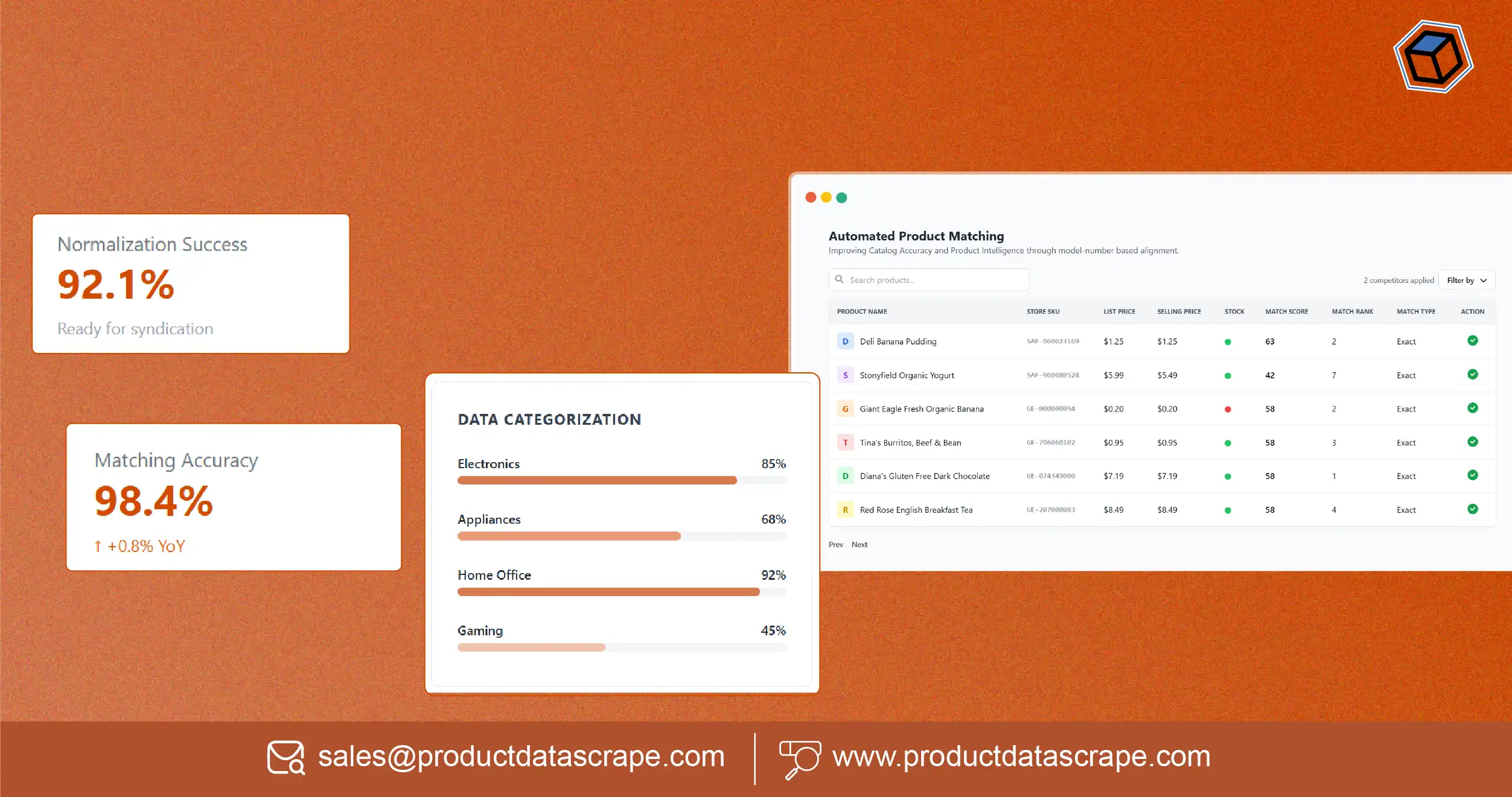
Businesses can improve catalog accuracy, reduce duplicate listings, and strengthen product intelligence by using Automated Product Matching by Model Number. This approach identifies identical products across multiple ecommerce platforms using unique manufacturer model numbers. It saves time, improves pricing decisions, and supports better inventory management and competitive analysis.
Industry Insight: According to multiple retail industry reports, organizations with automated product data management reduce catalog errors by up to 40% while improving pricing accuracy by more than 30%. Between 2020 and 2026, ecommerce catalogs have grown rapidly, making automated product matching essential for retailers, brands, marketplaces, distributors, and pricing teams.
Managing thousands or even millions of products across ecommerce marketplaces is becoming increasingly difficult. Every retailer uses different product titles, descriptions, images, and category structures. Although the product names vary, the manufacturer model number often remains the same. This unique identifier makes it possible to accurately identify identical products across multiple catalogs.
This is where Automated Product Matching by Model Number becomes invaluable. Instead of relying only on product names or descriptions, businesses can use model numbers to create precise product relationships across online stores. Accurate Product matching helps retailers eliminate duplicate records, improve catalog consistency, monitor competitors, optimize pricing, and enhance customer experiences.
The demand for automated catalog intelligence continues to increase as businesses expand across marketplaces such as Amazon, Walmart, eBay, Grainger, Zoro, and regional ecommerce platforms. Companies that automate product matching gain faster access to reliable product intelligence, helping pricing teams, procurement departments, distributors, and ecommerce managers make informed decisions.
Whether you operate a retail marketplace, manufacturing company, distribution network, or price intelligence platform, automated model-based matching improves operational efficiency while reducing manual effort.
How Can Businesses Improve Product Identification Across Ecommerce Platforms?
Accurate product identification is the foundation of modern ecommerce intelligence. Businesses need reliable methods to recognize identical products despite differences in product titles, descriptions, or seller-specific formatting.
One of the most effective approaches is Model Number-Based Product Matching Across Ecommerce Sites. Manufacturer model numbers remain consistent across retailers, making them ideal identifiers for matching products. When combined with Pricing strategy services, organizations gain accurate competitor comparisons, smarter pricing decisions, and cleaner product catalogs.
Companies implementing automated product matching experience several measurable benefits:
- Reduced duplicate product listings
- Faster catalog synchronization
- Improved competitor monitoring
- Better inventory visibility
- Higher pricing accuracy
- Simplified supplier management
- Enhanced product discovery
- Improved customer confidence
Instead of comparing thousands of product titles manually, automated systems identify identical SKUs within seconds using structured identifiers.
Ecommerce Catalog Growth (2020–2026)
| Year |
Average Catalog Size Growth |
Duplicate Product Issues |
| 2020 |
100% (Baseline) |
High |
| 2021 |
118% |
High |
| 2022 |
137% |
Moderate |
| 2023 |
162% |
Moderate |
| 2024 |
191% |
Lower with automation |
| 2025 |
224% |
Low |
| 2026 |
258% |
Minimal using AI automation |
As ecommerce catalogs continue expanding, manual product verification becomes increasingly expensive. Automated model-number matching improves operational speed while reducing human error.
Organizations also gain stronger pricing intelligence because identical products are matched correctly before competitor analysis begins. This creates a trusted foundation for dynamic pricing, assortment planning, supplier negotiations, and market analysis.
Why Is Automated Catalog Synchronization Important for Retail Intelligence?
Retailers collect product information from numerous manufacturers, distributors, suppliers, and online marketplaces. Each source formats product information differently, making catalog synchronization one of the biggest ecommerce challenges.
Automated Product Mapping Across Retailer Catalogs solves this issue by identifying equivalent products and creating standardized product records. Businesses can then build a single source of truth for every SKU across multiple channels.
The benefits extend beyond operational efficiency. Accurate product mapping improves analytics, inventory planning, and supplier collaboration while reducing manual reconciliation work.
Organizations using automated catalog mapping typically achieve:
- Better marketplace consistency
- Faster onboarding of supplier catalogs
- Reduced manual data cleansing
- Accurate cross-platform reporting
- Improved procurement visibility
- Higher search relevance
- Enhanced merchandising decisions
- Better customer experience
Retailers also gain stronger market visibility because products from different suppliers can be compared accurately without relying on inconsistent product names.
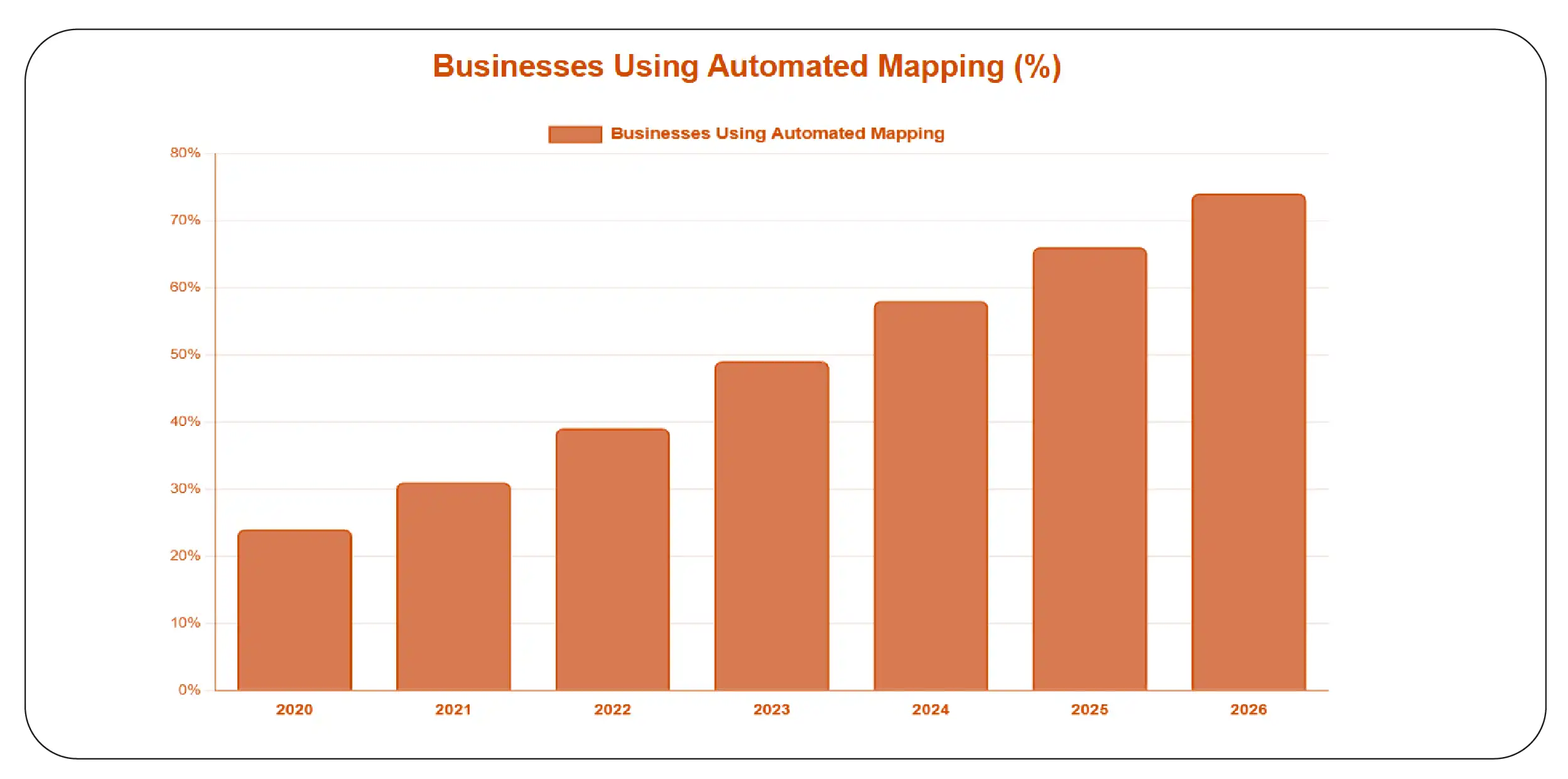
Retail Catalog Automation Trends (2020–2026)
| Year |
Businesses Using Automated Mapping |
Average Time Saved |
| 2020 |
24% |
10% |
| 2021 |
31% |
16% |
| 2022 |
39% |
23% |
| 2023 |
49% |
31% |
| 2024 |
58% |
39% |
| 2025 |
66% |
47% |
| 2026 |
74% |
55% |
Modern retailers increasingly depend on automation because product catalogs continue growing every year. Manual matching cannot scale effectively across millions of SKUs and thousands of suppliers.
Organizations that invest in intelligent catalog synchronization gain more reliable product intelligence, stronger reporting accuracy, and faster business decisions. Product Data Scrape helps businesses automate large-scale product catalog processing, ensuring accurate matching across multiple ecommerce platforms while supporting smarter retail intelligence.
How Can Businesses Compare Products Across Multiple Retailers More Accurately?
Product comparison becomes difficult when retailers use different naming conventions for the same item. One marketplace may abbreviate a product title, while another includes additional specifications or promotional text. These inconsistencies make manual comparison slow and unreliable.
Cross-Retailer Product Matching by Model Number provides a dependable solution by using the manufacturer's unique model number as the primary identifier. This enables businesses to recognize identical products regardless of title variations, category differences, or seller-specific descriptions. When combined with Marketplace selling intelligence, organizations gain a clear view of assortment gaps, pricing trends, seller performance, and product availability across multiple platforms.
Retailers, distributors, and brands can use automated matching to:
- Compare identical products across marketplaces
- Monitor competitor assortment changes
- Identify unauthorized sellers
- Improve pricing consistency
- Detect discontinued products quickly
- Build accurate competitive intelligence dashboards
- Reduce duplicate records
- Improve customer search experiences
Cross-retailer visibility also supports faster business decisions. Pricing teams can confidently compare like-for-like products, while merchandising teams gain better insight into category performance.
Cross-Retailer Product Matching Trends (2020–2026)
| Year |
Retailers Using Cross-Platform Matching |
Catalog Accuracy |
| 2020 |
22% |
71% |
| 2021 |
29% |
75% |
| 2022 |
37% |
80% |
| 2023 |
46% |
85% |
| 2024 |
56% |
89% |
| 2025 |
65% |
93% |
| 2026 |
74% |
96% |
As ecommerce ecosystems become more connected, businesses require accurate product relationships to support inventory planning, digital merchandising, and pricing optimization. Automated matching reduces manual work while improving data quality across every retail channel.
What Makes Platform-to-Platform Product Comparison More Reliable?
Many organizations monitor products sold on specialized marketplaces to understand pricing differences, stock availability, and competitive positioning. However, comparing products between platforms requires reliable identifiers instead of relying only on product titles.
Product Mapping Across Amazon and Zoro by Model Number enables businesses to identify identical industrial, commercial, electronics, automotive, and hardware products sold across both marketplaces. Accurate matching allows procurement teams, manufacturers, and distributors to compare pricing, specifications, seller information, and inventory without manual verification.
Reliable product mapping helps businesses:
- Monitor price changes in real time
- Compare supplier offerings
- Standardize procurement data
- Improve purchasing decisions
- Reduce duplicate catalog entries
- Support vendor negotiations
- Increase reporting accuracy
- Build stronger product intelligence
Instead of reviewing thousands of listings individually, businesses can automate comparison using standardized identifiers, reducing errors and saving significant operational time.
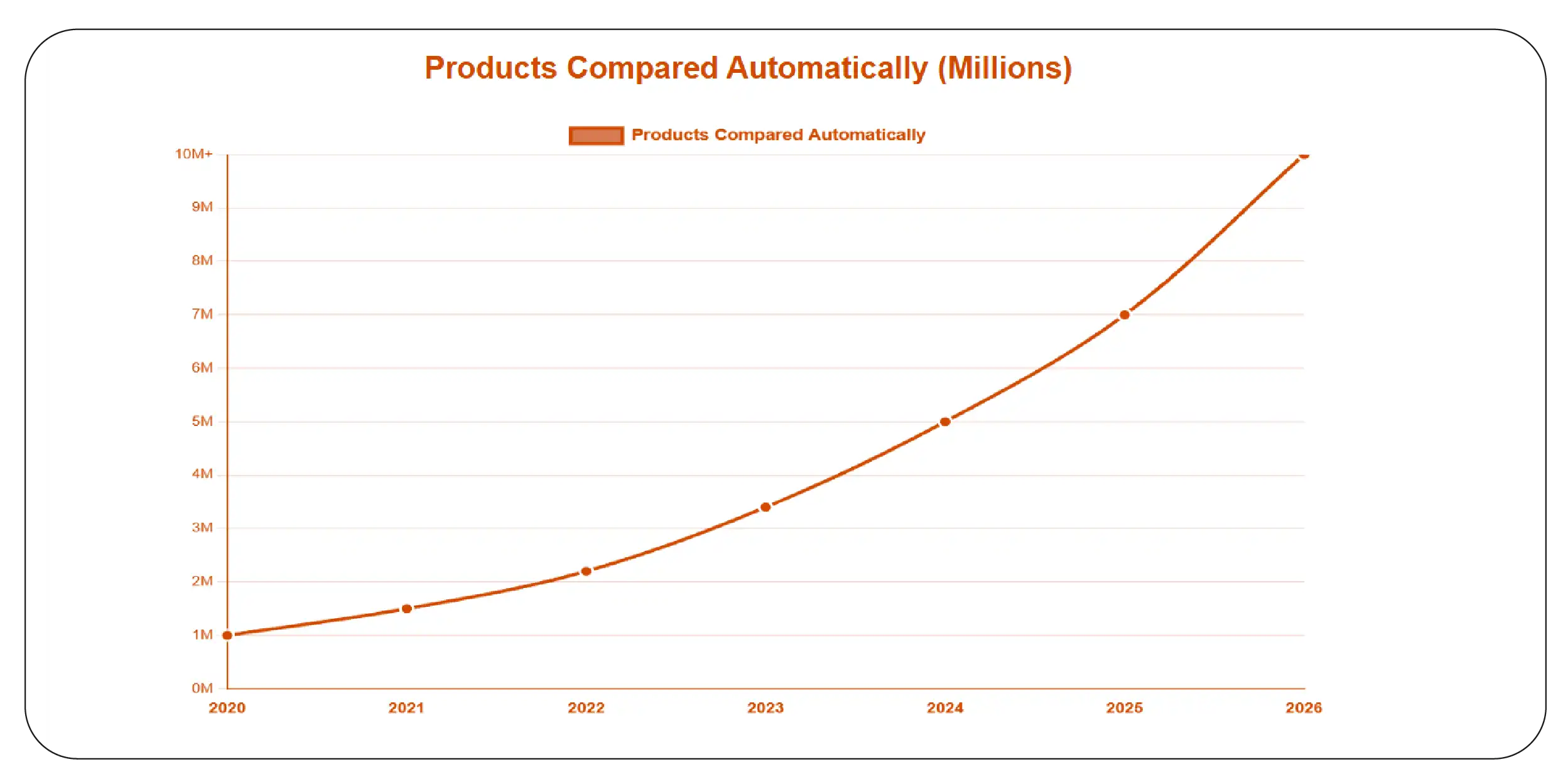
Marketplace Product Comparison Growth (2020–2026)
| Year |
Products Compared Automatically |
Average Processing Time Saved |
| 2020 |
1 Million |
18% |
| 2021 |
1.5 Million |
25% |
| 2022 |
2.2 Million |
33% |
| 2023 |
3.4 Million |
41% |
| 2024 |
5 Million |
50% |
| 2025 |
7 Million |
58% |
| 2026 |
10 Million+ |
66% |
Organizations investing in automated marketplace comparison gain faster access to actionable insights while maintaining high catalog consistency across procurement and ecommerce systems.
Why Is Automated Data Collection Critical for Product Catalog Accuracy?
Every successful product matching process begins with accurate data collection. Manufacturer model numbers are often stored differently across retailer websites. Some appear within product specifications, while others are embedded in product descriptions, technical documents, or structured metadata.
Automated model number extraction from retailer websites ensures that these identifiers are collected consistently without manual effort. Once extracted, model numbers become the foundation for reliable product matching, catalog standardization, and product intelligence.
Automated extraction offers several operational advantages:
- Higher data accuracy
- Faster product onboarding
- Continuous catalog updates
- Reduced manual data entry
- Improved inventory synchronization
- Better product enrichment
- Easier supplier integration
- More reliable analytics
Modern extraction systems also identify updates whenever manufacturers change specifications, discontinue products, or introduce new models. This helps businesses maintain current product information across all sales channels.
Model Number Extraction Adoption (2020–2026)
| Year |
Automated Extraction Adoption |
Average Data Accuracy |
| 2020 |
26% |
81% |
| 2021 |
34% |
84% |
| 2022 |
43% |
87% |
| 2023 |
53% |
91% |
| 2024 |
63% |
94% |
| 2025 |
72% |
96% |
| 2026 |
81% |
98% |
As retailer catalogs continue expanding, automated extraction becomes essential for maintaining clean, standardized, and searchable product databases.
How Can Businesses Build Smarter Product Intelligence for Future Growth?
Product intelligence depends on complete, accurate, and continuously updated information. Businesses need reliable product data to support pricing, inventory planning, assortment optimization, procurement, and competitive benchmarking.
Amazon product data scraping provides access to detailed product information such as pricing, ratings, specifications, availability, seller details, and customer reviews. When combined with Automated Product Matching by Model Number, organizations can accurately identify identical products across multiple marketplaces and transform raw data into meaningful business insights.
A modern product intelligence strategy enables businesses to:
- Improve pricing accuracy
- Monitor competitor changes
- Identify emerging product trends
- Reduce duplicate catalog records
- Enhance inventory forecasting
- Strengthen procurement planning
- Improve assortment decisions
- Deliver better customer experiences
Automation also supports large-scale ecommerce monitoring, allowing businesses to analyze millions of products with minimal manual effort. This creates a reliable foundation for strategic planning and long-term growth.
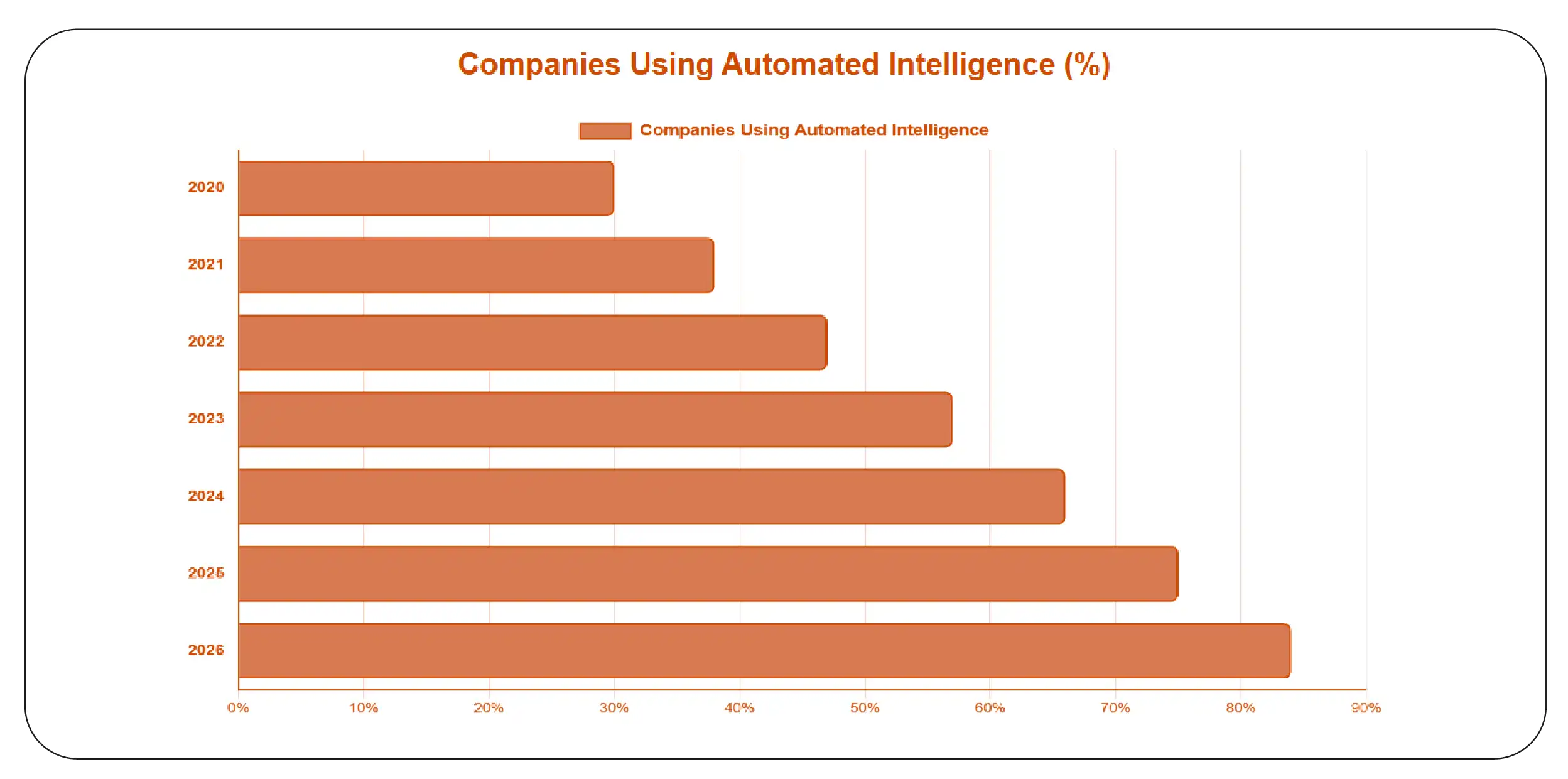
Product Intelligence Evolution (2020–2026)
| Year |
Companies Using Automated Intelligence |
Decision Accuracy Improvement |
| 2020 |
30% |
18% |
| 2021 |
38% |
24% |
| 2022 |
47% |
31% |
| 2023 |
57% |
39% |
| 2024 |
66% |
47% |
| 2025 |
75% |
55% |
| 2026 |
84% |
63% |
Businesses that combine automated data collection, intelligent product matching, and advanced analytics can respond faster to market changes and maintain high-quality catalogs. These capabilities create stronger competitive positioning, improve operational efficiency, and deliver more accurate product intelligence for sustainable ecommerce growth.
Why Choose Product Data Scrape?
Businesses need reliable data to stay competitive in today's ecommerce landscape. We deliver scalable product intelligence solutions that help brands, retailers, marketplaces, and distributors maintain clean and accurate catalogs. Our expertise in Competitive pricing data enables organizations to monitor market changes, compare identical products, and optimize pricing decisions with confidence. Using Automated Product Matching by Model Number, we help businesses eliminate duplicate listings, improve catalog consistency, strengthen competitive intelligence, and automate large-scale product matching across multiple ecommerce platforms. The result is better operational efficiency, improved data quality, and faster decision-making supported by accurate, real-time product insights.
Conclusion
Accurate product catalogs are the foundation of successful ecommerce operations. By combining E-commerce data scraping with Automated Product Matching by Model Number, businesses can improve catalog quality, enhance pricing intelligence, reduce manual effort, and make faster, data-driven decisions. As online marketplaces continue to expand, automated product matching becomes an essential capability for maintaining competitive advantage and delivering reliable product intelligence.
Ready to improve your catalog accuracy and competitive insights? Contact Product Data Scrape today to build a smarter product intelligence solution tailored to your business needs!
FAQs
1. What is automated product matching by model number?
It is a process that identifies identical products across multiple ecommerce websites using manufacturer model numbers. This improves catalog accuracy, reduces duplicate listings, and supports better pricing and inventory decisions.
2. Why is model number matching more accurate than product title matching?
Product titles often vary between retailers, while manufacturer model numbers remain consistent. This makes model number matching a more reliable method for identifying identical products across different marketplaces.
3. Which businesses benefit the most from automated product matching?
Retailers, brands, distributors, manufacturers, procurement teams, marketplace operators, and pricing analysts all benefit from accurate product matching because it improves product intelligence and operational efficiency.
4. How often should product catalogs be matched and updated?
High-volume ecommerce businesses should automate matching daily or in real time. Regular updates ensure accurate pricing, inventory visibility, and product availability across multiple online marketplaces.
5. How does Product Data Scrape help businesses improve catalog accuracy?
Product Data Scrape automates product matching, data extraction, and catalog standardization across multiple retailers. This helps businesses maintain accurate product records, improve pricing intelligence, and scale ecommerce operations efficiently.


 Singapore
 EMAIL
EMAIL
 PHONE
PHONE












.webp)