Quick Overview
A leading retail intelligence company sought a scalable solution to monitor weekly grocery prices across thousands of store locations while maintaining high data accuracy and rapid delivery. The objective was to build a centralized pricing feed covering nearly 1,000 grocery items across the top 50 US grocery chains, enabling competitive benchmarking and market analysis. Weekly Grocery Price Monitoring Across 28K US Stores became the foundation of the engagement, delivering structured insights for pricing decisions and retail intelligence. Leveraging comprehensive Grocery Datasets, the solution achieved over 99% data accuracy, reduced manual monitoring time by more than 90%, and enabled consistent weekly updates across approximately 28,000 store locations.
The Client
The client is a retail analytics and market intelligence provider serving consumer packaged goods (CPG) brands, retailers, pricing consultants, and business intelligence teams across the United States. Their customers rely on timely pricing intelligence to benchmark competitors, evaluate promotional campaigns, optimize category strategies, and improve assortment planning.
The US grocery industry has become increasingly competitive as inflation, changing consumer purchasing behavior, digital grocery adoption, and regional pricing differences continue to influence buying decisions. Retailers now update prices more frequently than ever, making manual monitoring inefficient and unreliable. Organizations require automated solutions capable of collecting structured pricing intelligence from thousands of stores while maintaining consistency and accuracy.
Before partnering with Product Data Scrape, the client depended on fragmented datasets gathered through manual research and disconnected systems. Data updates were inconsistent, regional coverage was limited, and pricing comparisons often lacked the depth required for strategic decision-making. Scaling the operation across multiple grocery chains became increasingly difficult as data volumes expanded.
To overcome these challenges, the client required automated US Grocery Product Data Extraction for 1,000+ SKUs combined with comprehensive Geo and store-level pricing data. This transformation enabled complete visibility into regional pricing trends, competitive positioning, and weekly market movements while supporting enterprise-scale analytics across thousands of retail locations.
Goals & Objectives
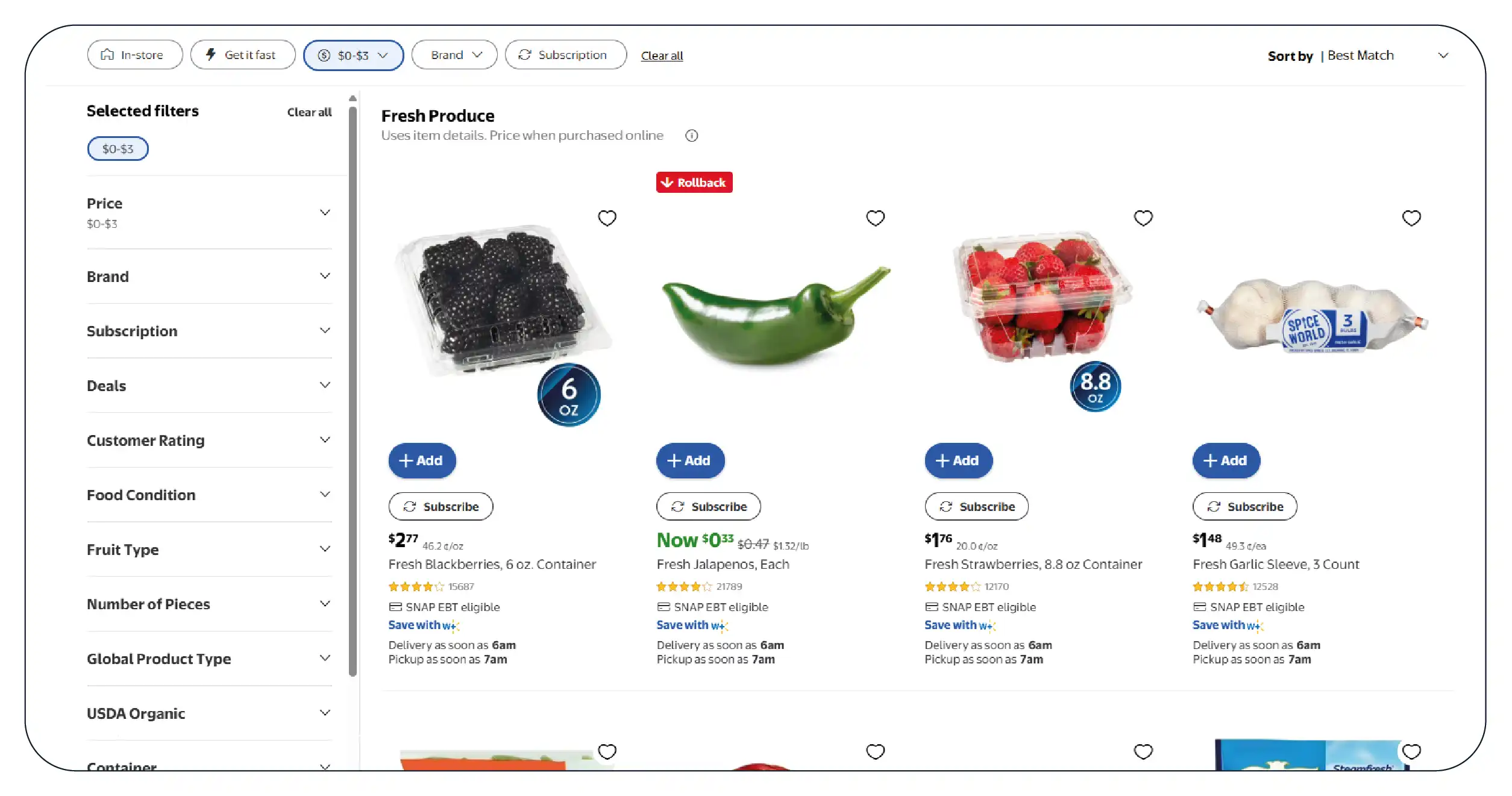
The project focused on building an enterprise-grade grocery pricing intelligence platform capable of supporting large-scale data collection, automation, and analytics. The objective was to replace manual monitoring with an intelligent data pipeline that could deliver accurate, standardized, and timely pricing information across multiple grocery retailers.
The primary business goal was to create a scalable solution capable of supporting continuous Grocery SKU Price Tracking Across Multiple Retailers while expanding coverage without compromising data quality. The client also wanted faster reporting cycles, broader retailer coverage, improved consistency, and higher operational efficiency to support strategic pricing decisions.
From a technical perspective, the solution emphasized automation, cloud-based processing, intelligent validation, API integration, and real-time reporting. Advanced Grocery data scraping workflows were designed to automate data collection, normalize pricing information, eliminate duplicate records, and generate standardized weekly feeds suitable for enterprise analytics and business intelligence platforms.
The project established measurable success indicators, including:
Increased retailer coverage across the top 50 US grocery chains.
Weekly monitoring of approximately 1,000 grocery products.
Coverage of nearly 28,000 physical store locations.
More than 99% structured data accuracy.
Over 90% reduction in manual data collection effort.
Faster weekly delivery of standardized pricing datasets.
Improved consistency across retailer and regional pricing comparisons.
Enhanced support for competitive benchmarking and pricing analytics.
The Core Challenge
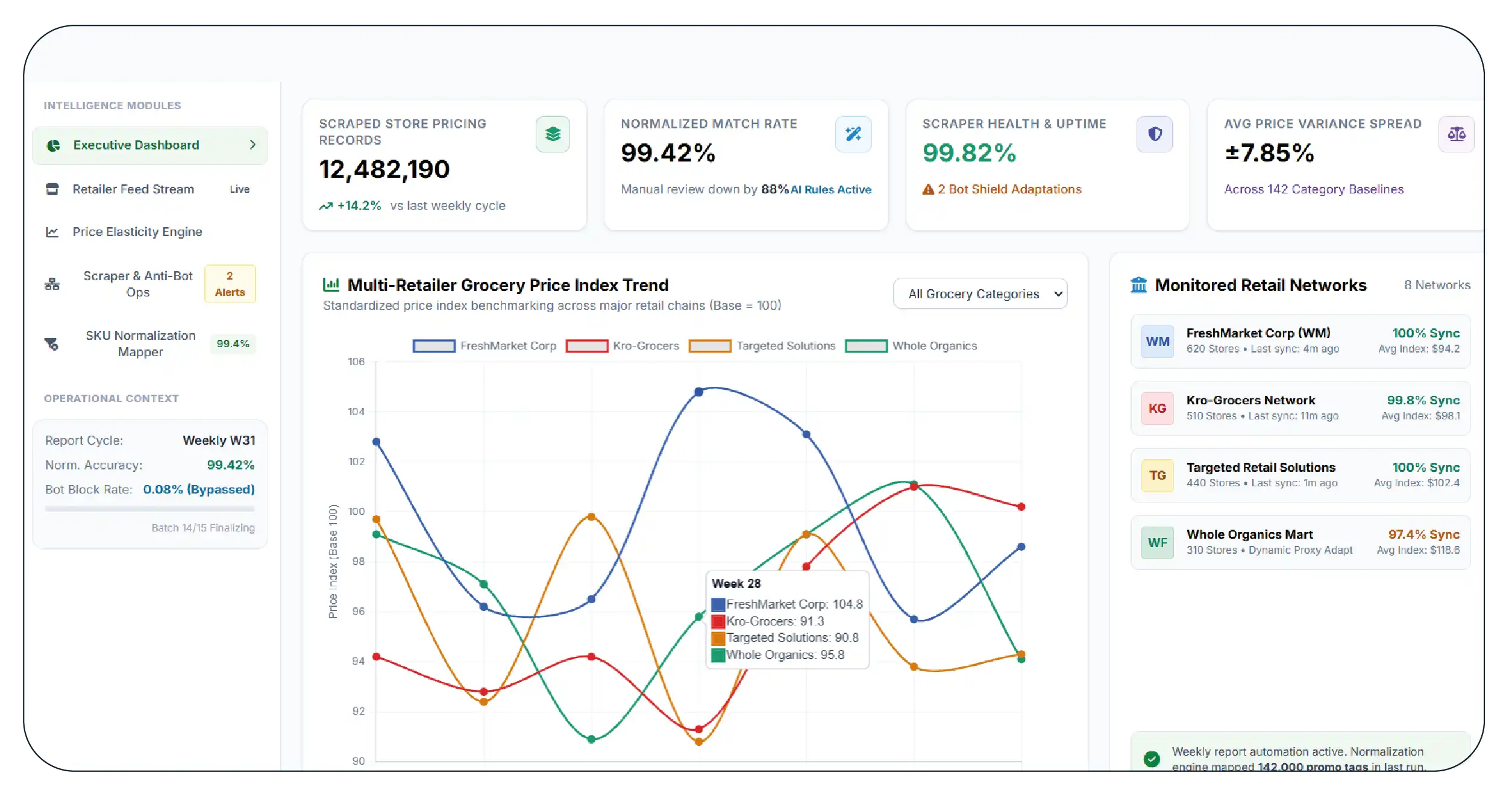
Managing grocery pricing intelligence across thousands of stores presented significant operational and technical complexities. The client needed a reliable system capable of collecting accurate pricing information from diverse retailer websites while ensuring consistent data quality and timely updates. Existing workflows relied heavily on manual extraction, resulting in delayed reports, inconsistent formatting, and limited scalability.
One of the biggest challenges was building a unified Retail Grocery Data Feed for Price Comparison Apps that could aggregate pricing information from multiple grocery chains into a standardized structure. Every retailer displayed product details differently, including varying SKU identifiers, promotional labels, package sizes, availability indicators, and regional pricing formats. These inconsistencies made data normalization extremely difficult.
Operational bottlenecks further impacted the project. Frequent website updates, dynamic content loading, anti-bot measures, and inconsistent product categorization interrupted data collection and increased maintenance efforts. Manual validation consumed valuable analyst time, delaying weekly reporting cycles and reducing operational efficiency.
Another critical challenge involved supporting accurate Price elasticity analysis. Without reliable historical pricing data across thousands of stores, the client struggled to measure how pricing changes influenced consumer purchasing behavior or evaluate promotional effectiveness. Limited historical visibility also affected demand forecasting and competitive benchmarking.
The client required an automated solution capable of handling millions of pricing records while maintaining high availability, structured outputs, and consistent update schedules. Achieving enterprise-scale monitoring demanded intelligent automation, robust validation mechanisms, and centralized data processing capable of supporting weekly reporting without compromising accuracy or speed.
Our Solution
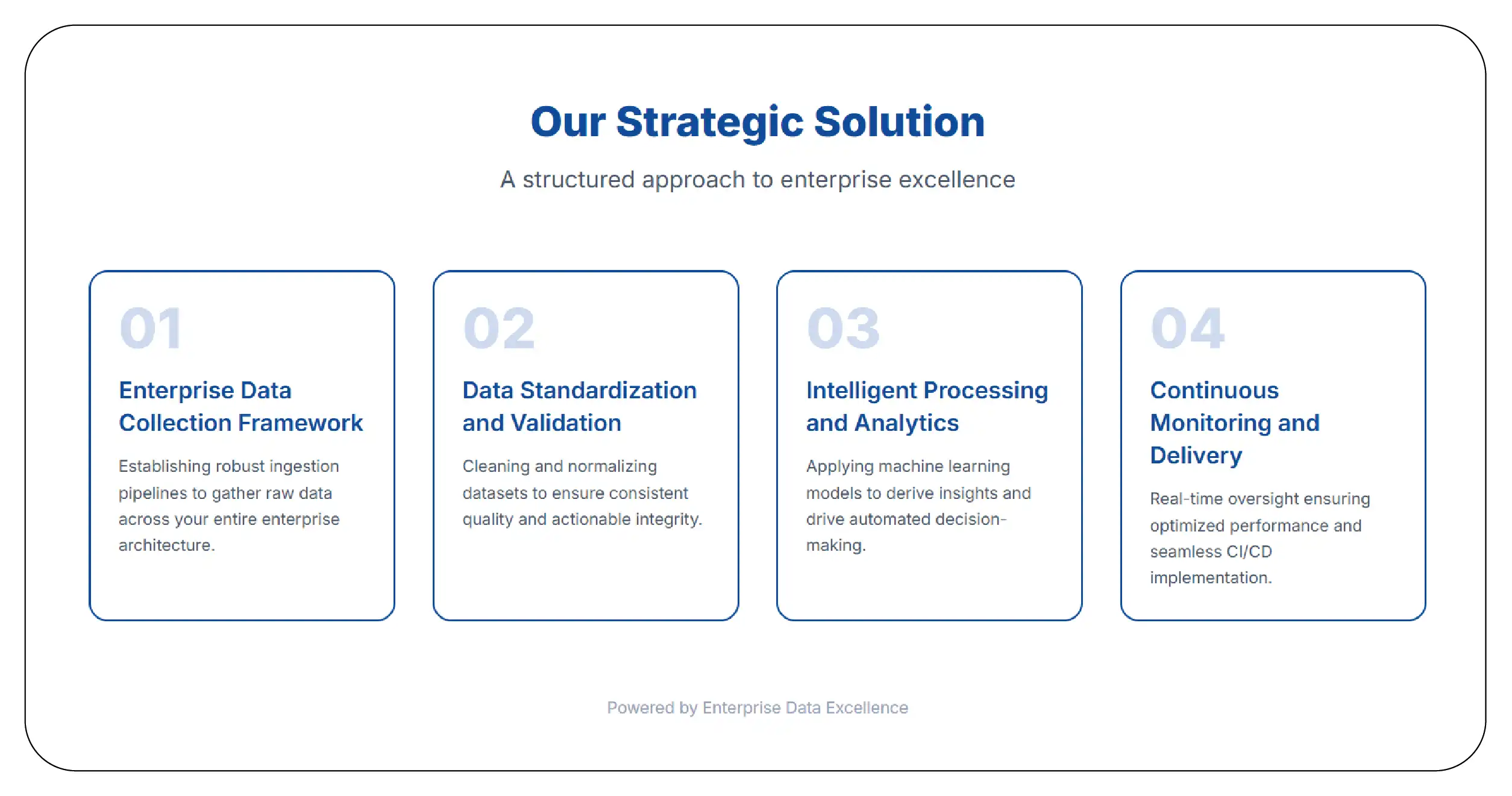
To address the client's growing data requirements, Product Data Scrape designed a phased implementation strategy that combined intelligent automation, scalable infrastructure, and advanced validation workflows. The solution transformed fragmented pricing collection into a centralized intelligence platform capable of delivering consistent weekly insights across the top US grocery retailers.
Phase 1: Enterprise Data Collection Framework
The first phase focused on building automated crawlers capable of collecting pricing, promotions, product attributes, availability, and location-specific information from leading grocery chains. These crawlers operated on scheduled workflows to ensure continuous updates while minimizing manual intervention.
This approach enabled the creation of a unified Grocery Product Feed Across Retail Chains, allowing data from multiple retailers to be standardized into a consistent enterprise-ready format.
Phase 2: Data Standardization and Validation
Collected data passed through automated validation pipelines where duplicate records, incomplete entries, and inconsistent product descriptions were identified and corrected. Product attributes such as brand, SKU, package size, promotional status, and pricing units were normalized to create comparable datasets across all participating grocery chains.
Multiple validation layers ensured high data quality while reducing manual quality assurance efforts.
Phase 3: Intelligent Processing and Analytics
Cloud-based processing pipelines transformed raw pricing information into structured business intelligence datasets. Automated workflows generated retailer comparisons, regional pricing reports, promotional summaries, and historical trend analyses suitable for dashboards, APIs, and analytics platforms.
This implementation supported Weekly Grocery Price Monitoring Across 28K US Stores, enabling continuous monitoring of approximately 1,000 grocery products across nearly 28,000 store locations.
Phase 4: Continuous Monitoring and Delivery
The final phase introduced automated scheduling, health monitoring, exception alerts, and scalable reporting infrastructure. Weekly datasets were delivered in standardized formats compatible with existing analytics environments, allowing stakeholders to access accurate pricing intelligence without manual processing.
The end result was a highly scalable grocery pricing ecosystem capable of supporting enterprise decision-making, competitive benchmarking, promotional analysis, assortment optimization, and long-term market intelligence initiatives.
Results & Key Metrics
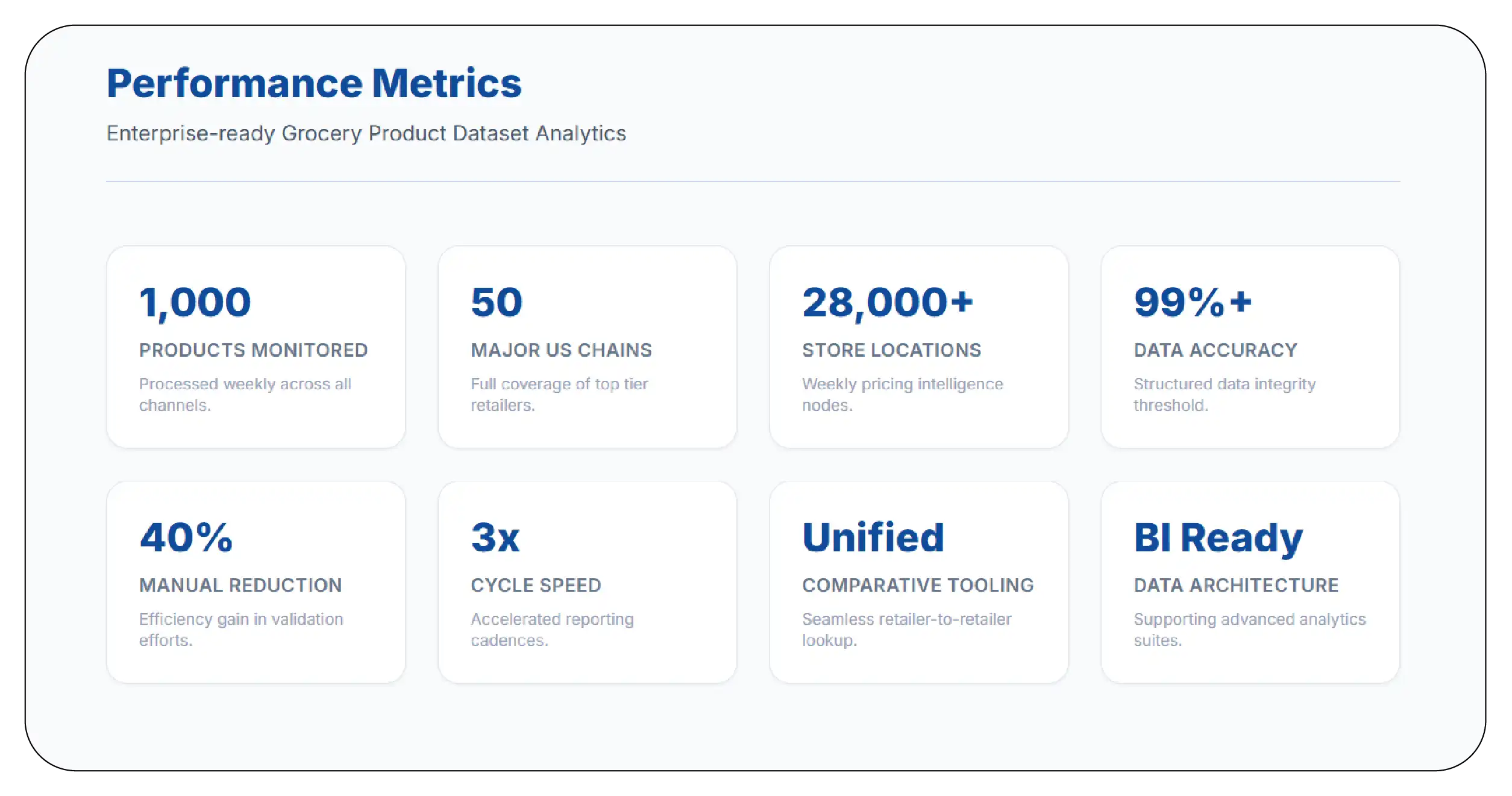
The implemented solution delivered measurable operational improvements across data quality, scalability, and reporting efficiency.
Key achievements included:
Successful monitoring of approximately 1,000 grocery products every week.
Coverage expanded across the top 50 US grocery chains.
Weekly pricing intelligence generated from nearly 28,000 store locations.
More than 99% structured data accuracy.
Significant reduction in manual data collection and validation efforts.
Faster weekly reporting cycles.
Improved retailer-to-retailer price comparison capabilities.
Enterprise-ready Grocery Product Dataset Across Top US Chains supporting advanced analytics and business intelligence.
Results Narrative
Following implementation, the client established a reliable enterprise-scale pricing intelligence platform capable of delivering accurate grocery pricing data every week. Decision-makers gained comprehensive visibility into regional pricing trends, promotional activities, assortment changes, and competitive positioning across thousands of retail locations.
Automated workflows eliminated delays associated with manual research while improving consistency throughout the reporting process. Analysts could now focus on strategic interpretation instead of repetitive data collection tasks. The standardized pricing feeds enabled stronger benchmarking, enhanced forecasting accuracy, improved promotional planning, and faster response to market changes. The scalable architecture also positioned the client for future expansion as retailer coverage and product volumes continue to grow.
What Made Product Data Scrape Different
Innovation was at the core of this engagement. Instead of relying on conventional crawling methods, Product Data Scrape implemented an intelligent, scalable architecture designed for high-volume retail data collection and validation. Advanced automation workflows, dynamic scheduling, AI-assisted data normalization, and multi-layer quality checks ensured reliable weekly data delivery with minimal manual intervention. Our proprietary framework adapts quickly to retailer website changes, reducing maintenance while maintaining high data accuracy. Combined with deep expertise in Grocery data scraping for the US market, the solution delivered enterprise-ready datasets that empowered faster competitive analysis, regional pricing intelligence, and strategic business decisions across thousands of grocery locations.
Client's Testimonial
"The solution completely transformed how we collect and analyze grocery pricing intelligence. Managing thousands of stores manually was no longer sustainable, but the automated platform gave us consistent, accurate, and timely data every week. The implementation of Weekly Grocery Price Monitoring Across 28K US Stores significantly improved our reporting capabilities, enhanced competitive benchmarking, and enabled faster strategic decision-making. The structured weekly pricing feeds have become a critical resource for our analytics teams, helping us identify market trends and respond quickly to pricing changes across major US grocery retailers."
— Director of Retail Intelligence
Conclusion
Accurate grocery pricing intelligence has become essential for retailers, CPG brands, and market intelligence providers seeking a competitive advantage. Automated Price Monitoring enables organizations to track regional pricing trends, benchmark competitors, evaluate promotional effectiveness, and make faster data-driven decisions. By replacing manual processes with scalable automation, businesses can improve reporting accuracy, accelerate analytics, and support long-term growth. This case study demonstrates how enterprise-scale grocery data solutions can transform pricing intelligence into a strategic business asset, helping organizations confidently navigate an increasingly dynamic retail landscape.
Frequently Asked Questions
1. Why is weekly grocery price monitoring important?
Weekly monitoring helps retailers and brands identify pricing trends, promotional changes, regional variations, and competitor strategies. Timely insights support better pricing decisions, assortment planning, and market intelligence while improving responsiveness to changing consumer demand.
2. How many products and stores can enterprise grocery monitoring cover?
Modern enterprise solutions can monitor thousands of grocery products across tens of thousands of retail locations, delivering standardized pricing datasets that support benchmarking, forecasting, business intelligence, and competitive market analysis.
3. Which industries benefit from grocery pricing datasets?
Consumer packaged goods manufacturers, grocery retailers, pricing consultants, retail intelligence firms, e-commerce businesses, investment analysts, and market research organizations all benefit from comprehensive grocery pricing and promotional intelligence.
4. How often should grocery pricing data be updated?
Weekly updates are ideal for tracking competitive movements, promotional campaigns, assortment changes, and regional pricing differences. Frequent updates ensure businesses always work with current and actionable market intelligence.
5. How does automation improve grocery data collection?
Automation eliminates manual data gathering, improves consistency, enhances scalability, reduces processing time, and delivers structured datasets with high accuracy. This enables faster reporting, stronger competitive analysis, and more informed strategic decision-making.


 Singapore
 EMAIL
EMAIL
 PHONE
PHONE


.webp "thumb")








.webp)