Quick Overview
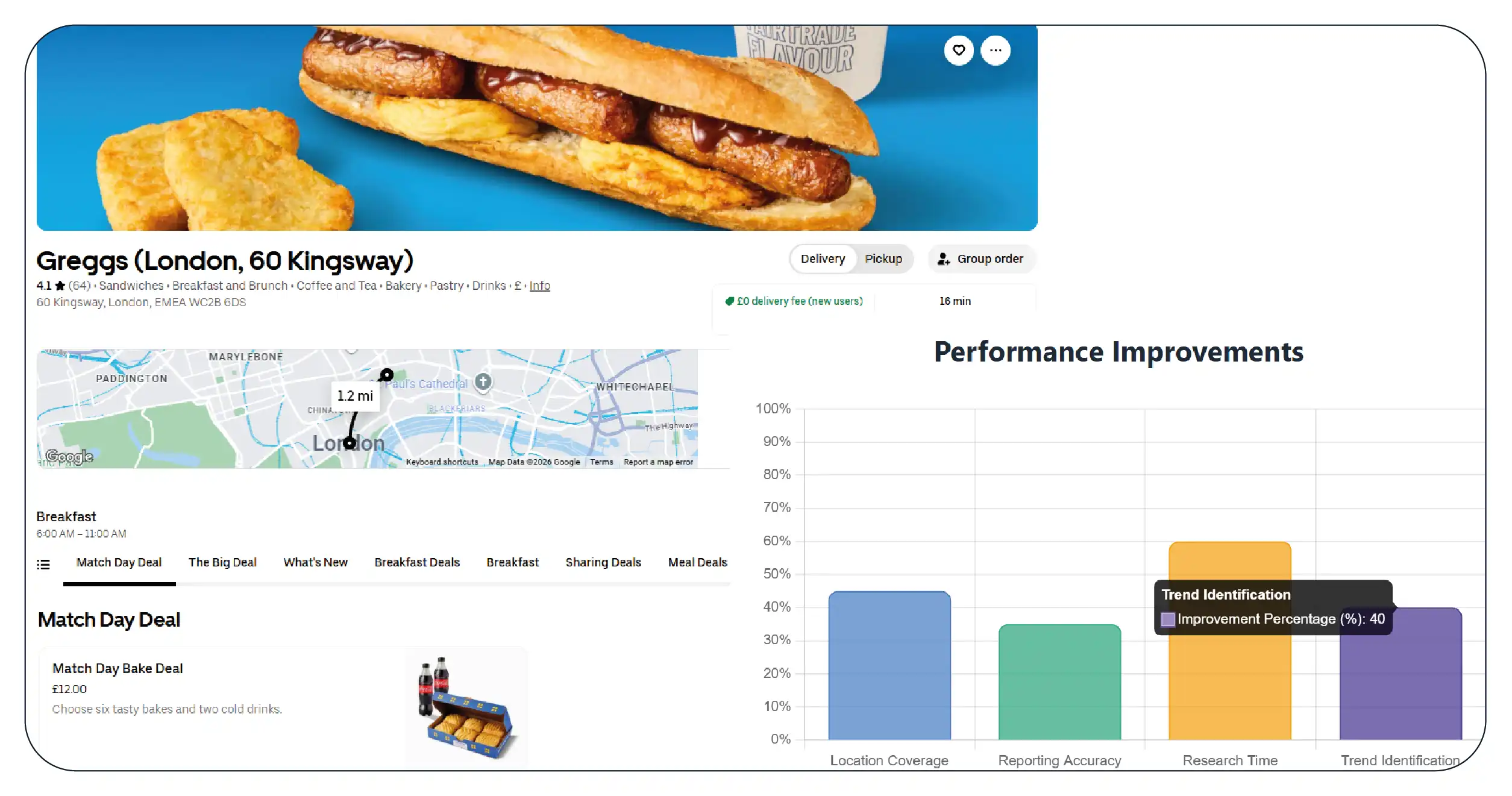
A leading market analyst specializing in the U.S. foodservice industry partnered with Product Data Scrape to gain comprehensive visibility into restaurant expansion and closure activities across major fast-food chains. Over a six-month engagement, the analyst leveraged Analyst Track US Fast Food Closures and Openings by Brand to monitor location changes, evaluate brand performance, and identify market opportunities. By integrating insights from restaurant menus & food delivery platforms alongside location intelligence, the analyst achieved a 45% improvement in data coverage, reduced research time by 60%, and increased reporting accuracy by 35%. The project enabled faster market assessments and more reliable forecasting of industry growth patterns.
The Client
The client is an independent market analyst providing strategic insights to investors, restaurant operators, franchise consultants, and retail intelligence firms. The fast-food industry has undergone significant transformation due to changing consumer preferences, digital ordering adoption, labor challenges, and increasing competition among national and regional chains.
The analyst needed a scalable approach for analyzing fast food chain expansion trends data in US while maintaining accurate and timely reporting. Previously, the client relied on multiple public sources, manual research, company announcements, and fragmented datasets to track openings and closures. This process required extensive effort and often resulted in delayed insights.
Additionally, obtaining reliable Geo and store-level pricing data across different markets presented significant challenges. Store locations frequently changed, and regional variations in pricing complicated performance comparisons between brands and territories.
As the number of tracked restaurant brands increased, manual workflows became increasingly inefficient. The analyst required a centralized solution capable of continuously monitoring location changes, validating data accuracy, and delivering actionable intelligence in near real time.
Partnering with Product Data Scrape allowed the client to modernize data collection, automate monitoring processes, and gain a more complete understanding of fast-food industry dynamics. This transformation supported higher-quality research, improved forecasting capabilities, and stronger decision-making for end clients.
Goals & Objectives
The primary goal was to establish a reliable framework for fast food restaurant openings and closures by brand analysis that could support ongoing market intelligence initiatives. The analyst sought faster access to verified location data while improving coverage across national and regional chains.
The project focused on automation, scalability, and real-time intelligence. Product Data Scrape implemented systems designed to centralize location monitoring, automate data collection, and integrate advanced Market Share Analytics capabilities. Technical objectives included continuous data updates, automated validation, and seamless reporting workflows.
Increase location data coverage by 45%
Improve reporting accuracy by 35%
Reduce manual research time by 60%
Accelerate trend identification by 40%
Improve closure and opening detection rates
Enable near real-time market monitoring
Enhance geographic benchmarking capabilities
Strengthen competitive intelligence reporting
These KPIs ensured measurable improvements across research quality, operational efficiency, and strategic decision-making.
The Core Challenge
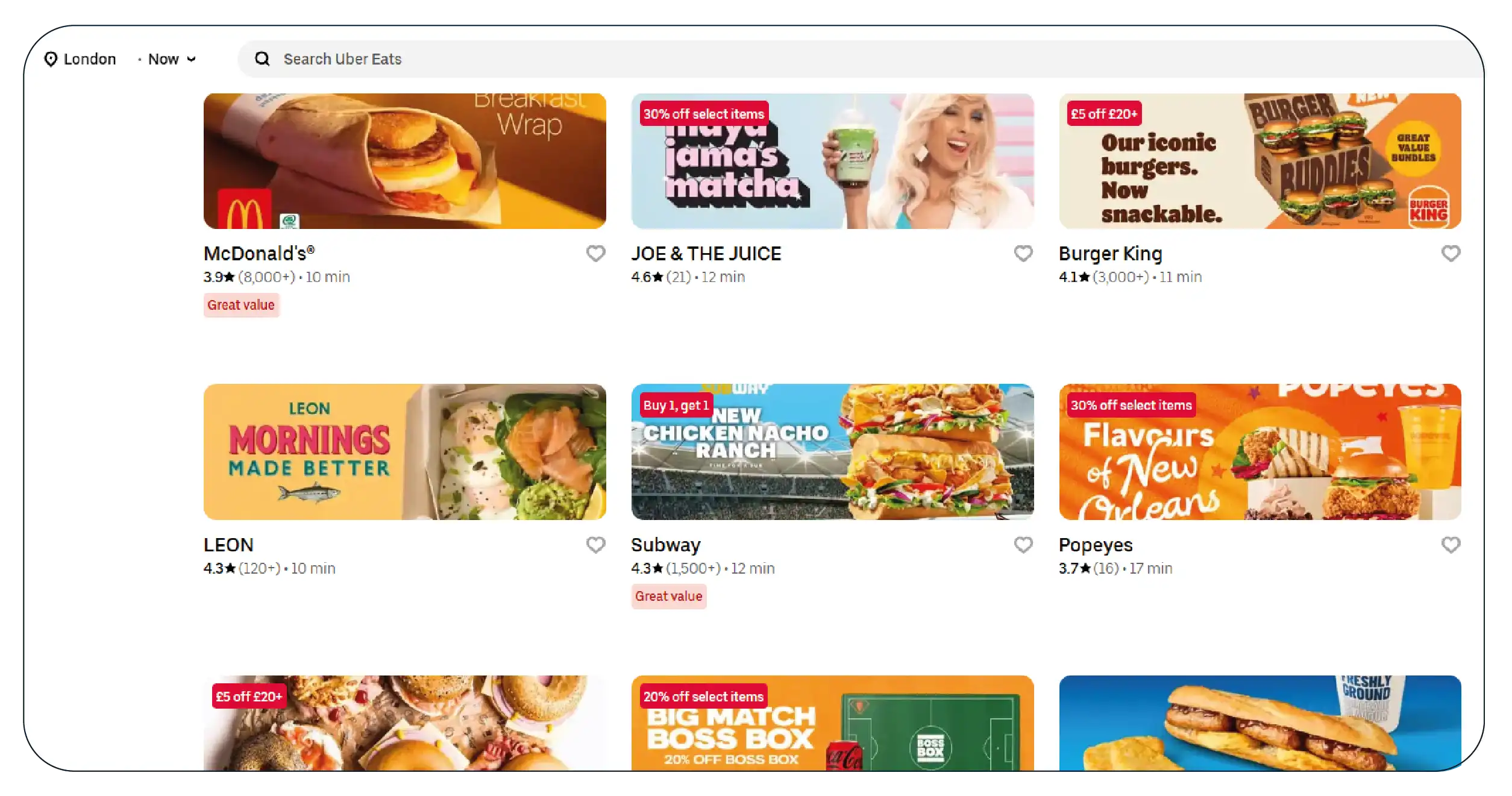
Before partnering with Product Data Scrape, the analyst faced significant challenges in maintaining accurate and comprehensive visibility into fast-food location activity across the United States. Monitoring hundreds of restaurant brands required reviewing numerous sources, validating information manually, and reconciling inconsistencies between datasets.
The analyst's work heavily depended on franchise growth tracking and market data in US, but available information was often fragmented and outdated. New store openings, relocations, temporary closures, and permanent shutdowns were difficult to identify consistently and at scale.
The client also evaluated commercial options to Buy Ready-to-Use Datasets, but many lacked sufficient coverage, update frequency, or verification standards. Inaccurate data created reporting delays and reduced confidence in market assessments.
Operational bottlenecks emerged as research volumes increased. Manual validation processes consumed valuable analyst time, limiting the ability to focus on strategic analysis and forecasting. Data quality issues such as duplicate records, incomplete addresses, and inconsistent categorization further complicated reporting efforts.
The growing complexity of the fast-food industry demanded a more automated and scalable solution capable of delivering reliable insights while minimizing manual intervention and improving overall research efficiency.
Our Solution
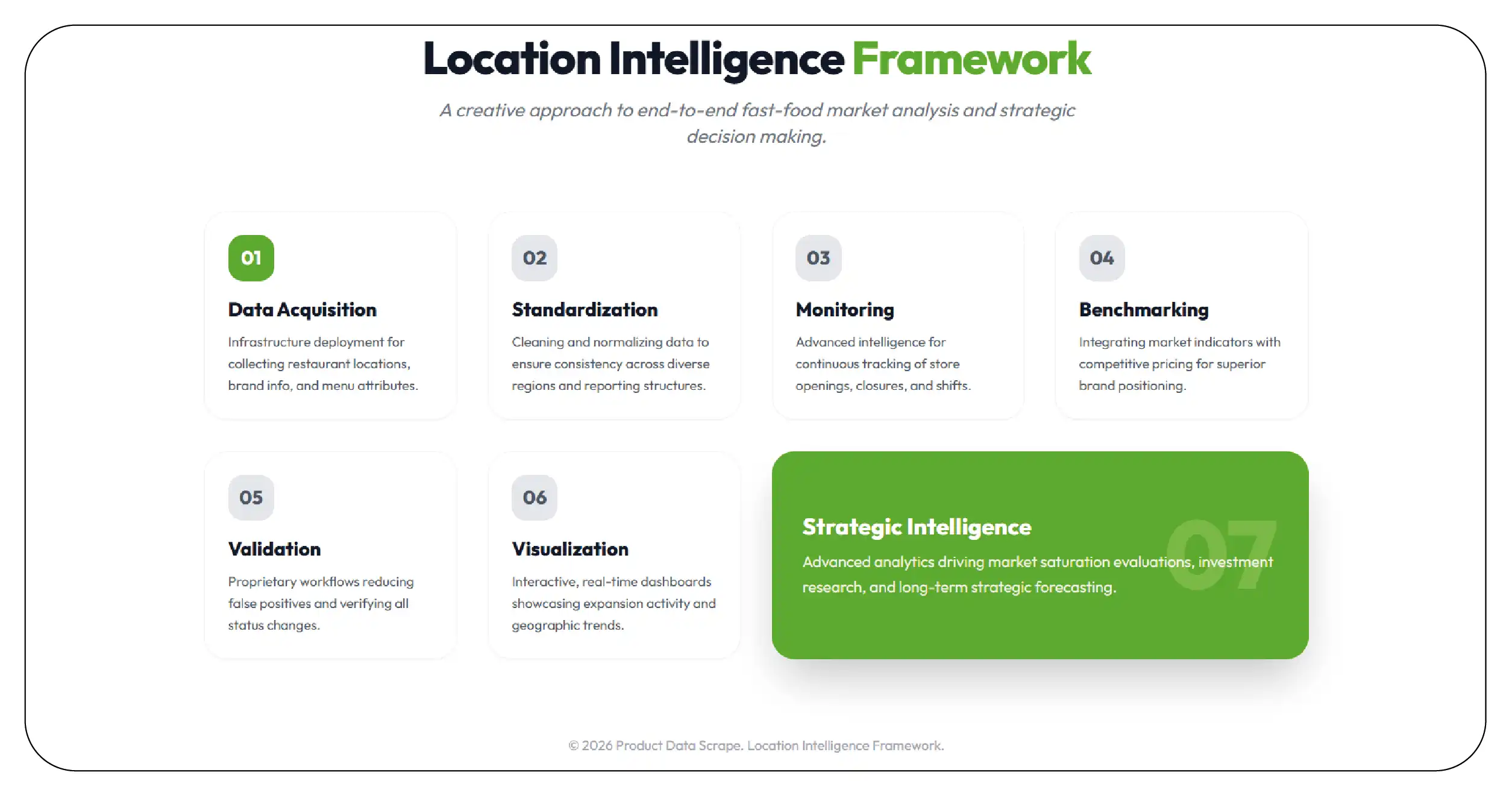
Product Data Scrape implemented a comprehensive location intelligence framework tailored specifically for fast-food market analysis.
Phase 1: Data Acquisition Infrastructure
We deployed automated systems to collect restaurant location data, brand information, operational status, menu updates, and market-level attributes from multiple verified sources.
Phase 2: Data Standardization
Collected information was cleaned, normalized, and standardized to ensure consistency across brands, regions, and reporting structures. This established a reliable foundation for analytics and benchmarking.
Phase 3: Location Intelligence Monitoring
Advanced monitoring capabilities enabled continuous tracking of openings, closures, relocations, and operational changes. This supported fast food market intelligence using location data with significantly higher accuracy than manual methods.
Phase 4: Competitive Benchmarking
We integrated location activity with market indicators and Competitive pricing data to provide a broader understanding of brand performance and competitive positioning across regions.
Phase 5: Automated Validation
Proprietary validation workflows verified location status changes using multiple data signals. This reduced false positives and improved confidence in reported insights.
Phase 6: Reporting & Visualization
Interactive dashboards provided stakeholders with real-time visibility into expansion activity, closures, geographic trends, and competitive movements. Automated alerts highlighted significant market developments as they occurred.
Phase 7: Strategic Intelligence Layer
Advanced analytics enabled deeper evaluations of market saturation, growth opportunities, regional performance, and competitive dynamics. The analyst gained access to actionable insights supporting client reporting, investment research, and strategic forecasting.
The end result was a scalable and automated intelligence ecosystem capable of delivering accurate, timely, and comprehensive visibility into the evolving U.S. fast-food landscape.
Results & Key Metrics
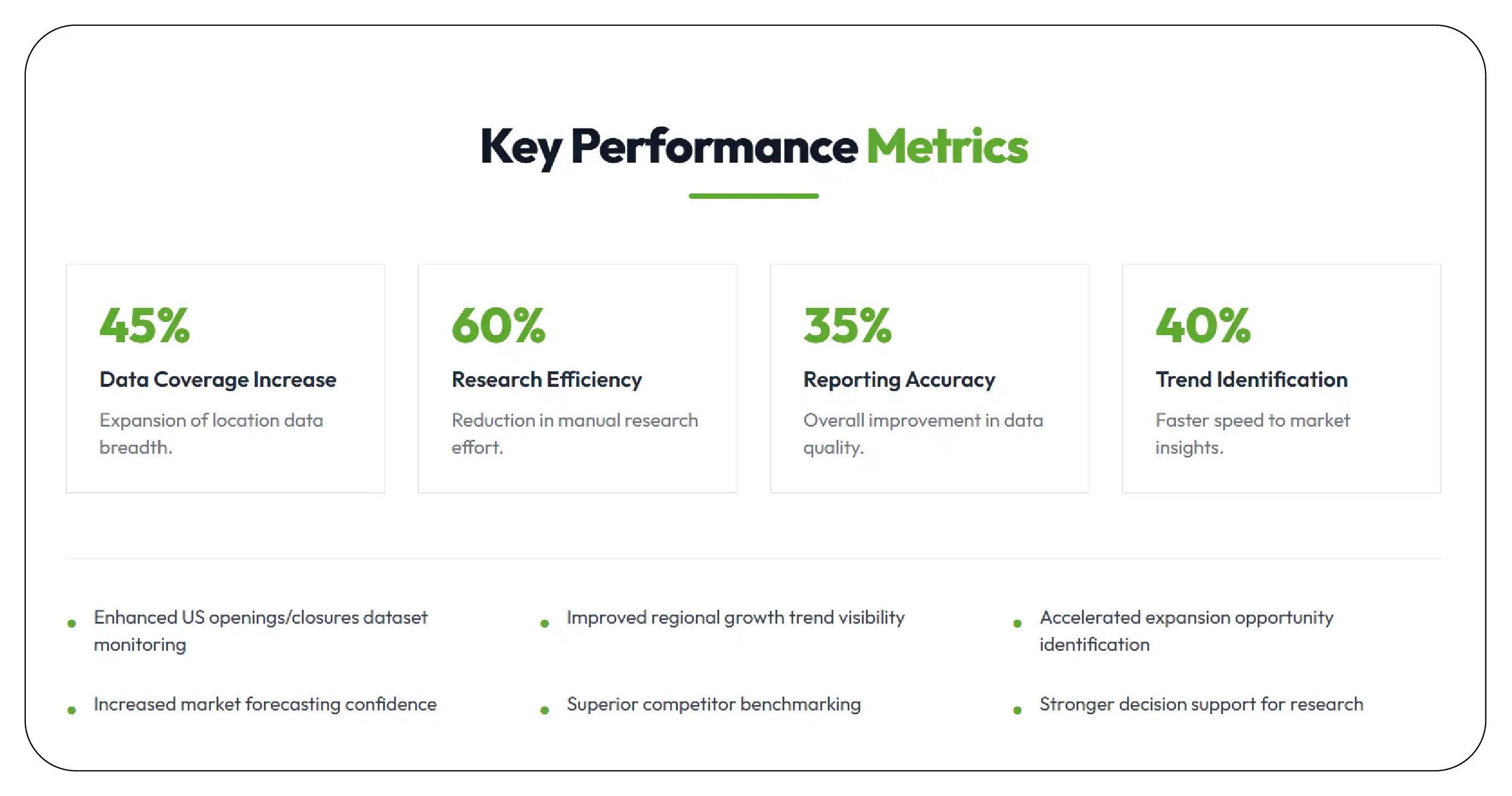
45% increase in location data coverage
60% reduction in manual research efforts
35% improvement in reporting accuracy
40% faster trend identification
Enhanced monitoring through a comprehensive US restaurant openings and closures dataset
Improved visibility into regional growth trends
Faster identification of expansion opportunities
Increased confidence in market forecasting
Better competitor benchmarking capabilities
Stronger decision support across research initiatives
Results Narrative
The implementation transformed the analyst's ability to monitor restaurant industry developments at scale. Through Analyst Track US Fast Food Closures and Openings by Brand, the client gained reliable access to real-time location intelligence and competitive market insights. Automated workflows significantly reduced research workloads while improving data quality and consistency. Expansion trends, closure activity, and regional growth patterns became easier to identify and analyze. The analyst delivered more accurate reports, generated stronger client recommendations, and improved forecasting capabilities across multiple fast-food market segments.
What Made Product Data Scrape Different
Product Data Scrape combined advanced automation, proprietary validation frameworks, and scalable analytics to deliver superior market intelligence. Unlike traditional data providers, our platform continuously monitored location changes and verified updates through multiple sources. Specialized capabilities in competitive footprint intelligence for franchise operators enabled deeper analysis of expansion strategies and market positioning. Through Analyst Track US Fast Food Closures and Openings by Brand, the client gained access to highly accurate, continuously updated intelligence that supported strategic decision-making, improved forecasting accuracy, and enhanced competitive research outcomes.
Client's Testimonial
"Product Data Scrape completely transformed our market research capabilities. Their solution for Analyst Track US Fast Food Closures and Openings by Brand provided the accuracy, speed, and coverage we needed to monitor industry changes effectively. Automated updates replaced countless hours of manual research while improving data quality across our reporting processes. The insights generated have strengthened our forecasting models, improved client deliverables, and enhanced our understanding of competitive dynamics within the fast-food industry. Their expertise and technology continue to provide tremendous value to our research operations."
— Senior Market Intelligence Analyst
Conclusion
As competition intensifies across the restaurant industry, timely access to accurate location intelligence has become essential for market analysis and strategic planning. Through advanced automation and US market data scraping, Product Data Scrape enabled the analyst to improve research efficiency, strengthen forecasting accuracy, and gain deeper visibility into expansion and closure trends. The project established a scalable intelligence framework capable of supporting future growth, competitive analysis, and data-driven decision-making. By transforming fragmented information into actionable insights, the analyst is now better equipped to navigate a rapidly evolving fast-food marketplace.
FAQs
1. What is fast-food openings and closures tracking?
It is the process of monitoring restaurant expansions, closures, relocations, and operational changes across fast-food brands.
2. Why is location intelligence important for analysts?
Location intelligence helps analysts identify market trends, growth opportunities, competitive movements, and regional performance patterns.
3. How often is restaurant location data updated?
With automated monitoring systems, location data can be updated daily or near real time depending on source availability.
4. Can opening and closure data support investment decisions?
Yes. Investors use location intelligence to evaluate brand growth, market penetration, and expansion performance.
5. How does Product Data Scrape help analysts?
Product Data Scrape delivers automated data collection, validation, monitoring, analytics, and reporting solutions that improve research accuracy and efficiency.


 Singapore
 EMAIL
EMAIL
 PHONE
PHONE


.webp)
.webp "thumb")
.webp "thumb")
.webp "thumb")









.webp)