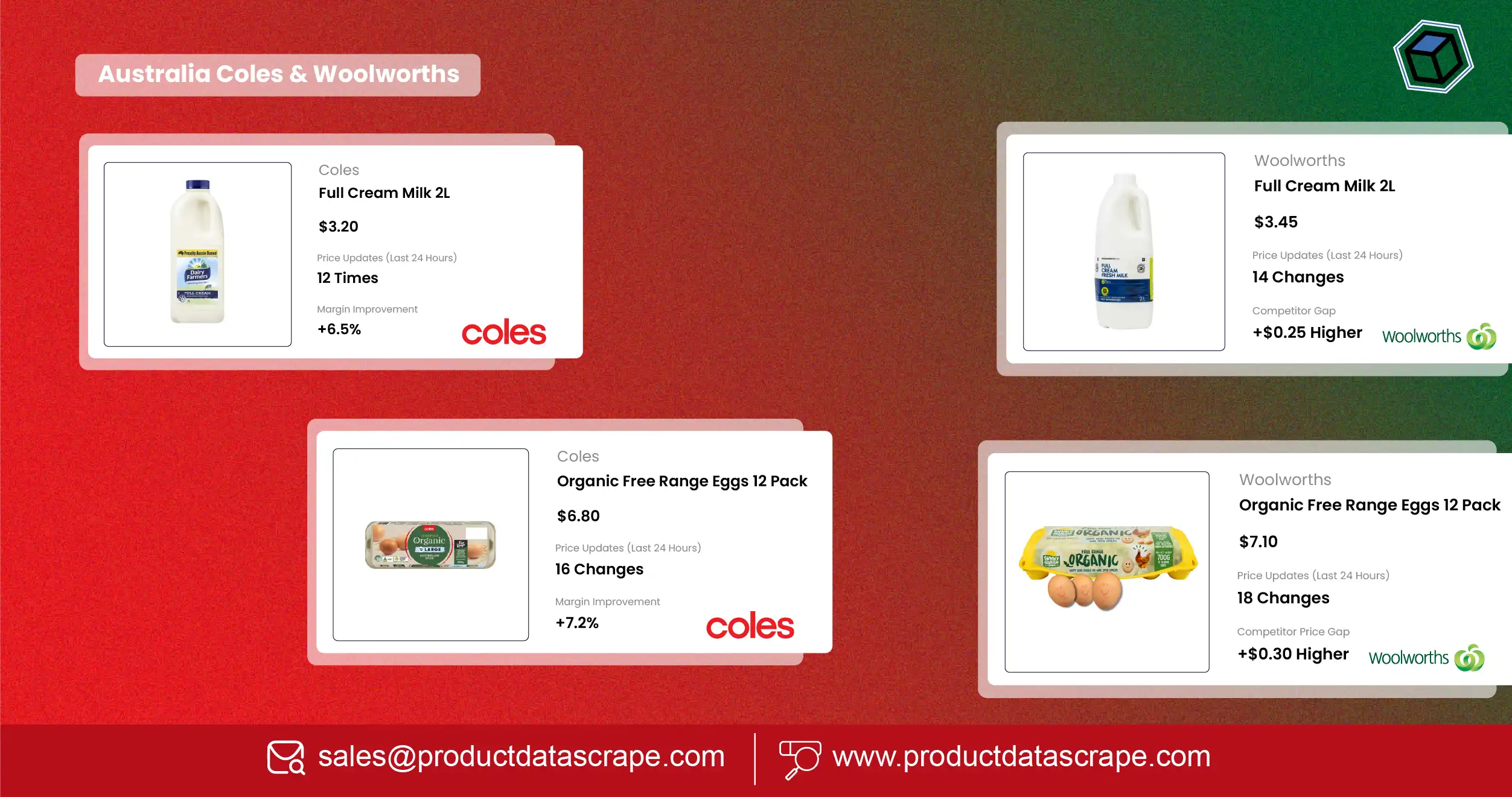
Introduction
Retailers, FMCG brands, distributors, and market research firms need fast access to competitor pricing information to remain competitive. Real Time Australia Coles & Woolworths Pricing Tracking helps businesses automate price monitoring, identify market trends, improve pricing strategies, and protect profit margins without relying on manual data collection.
Industry Insight: Australia's grocery sector exceeds AUD 140 billion annually, while more than 70% of retailers report adjusting prices multiple times each month in response to competitor promotions and market conditions.
For category managers and pricing analysts, manually tracking thousands of products across supermarkets is inefficient and expensive. Modern Grocery data scraping solutions provide real-time visibility into product prices, discounts, stock levels, and promotional campaigns. This allows businesses to make faster and more informed decisions while reducing operational effort.
This guide explores how automated supermarket intelligence helps businesses improve pricing accuracy, benchmark competitors, and drive growth between 2020 and 2026.
How Can Automated Monitoring Improve Pricing Decisions?
Price monitoring has become a critical business function. Retailers need visibility into competitor pricing changes as soon as they occur.
Many organizations use real time grocery price monitoring Australia solutions supported by a Web Scraping API to automate the collection of supermarket pricing data.
Benefits of Automated Monitoring
- Eliminate manual tracking
- Identify competitor price changes instantly
- Improve pricing responsiveness
- Monitor promotions efficiently
- Support strategic decision-making
Adoption of Automated Price Monitoring
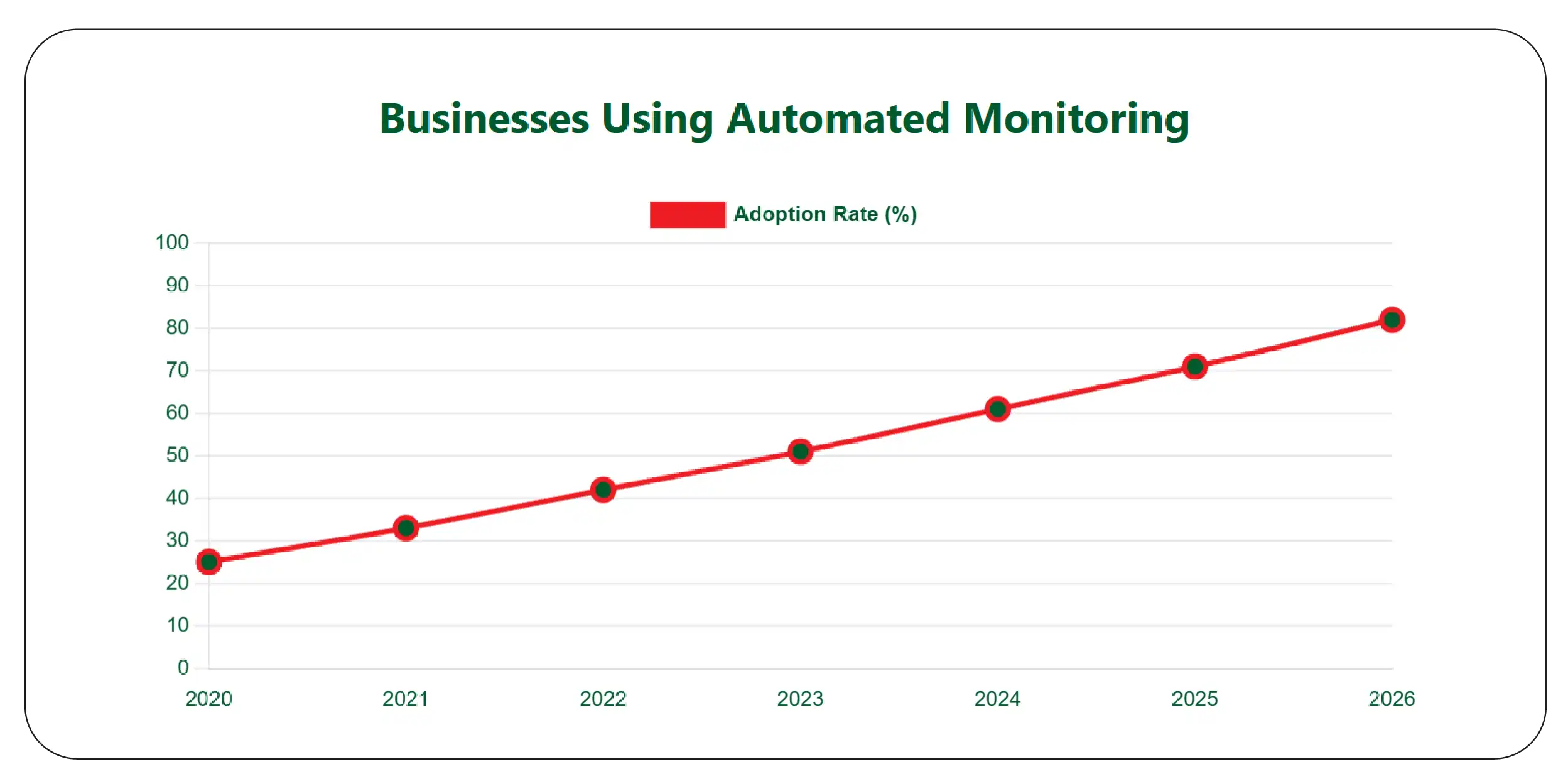
For example, a consumer goods manufacturer can receive daily updates when competitors change prices across key product categories. This allows faster pricing adjustments and stronger market positioning.
Automated monitoring also reduces labor costs associated with manual data collection. Teams can focus on analysis and strategy instead of repetitive tracking tasks.
As grocery competition intensifies, real-time monitoring has become an essential component of modern retail intelligence.
How Do Retailers Gain Visibility Across Thousands of Products?
Managing thousands of SKUs across multiple supermarket chains creates significant complexity. Businesses need centralized systems that deliver consistent and accurate pricing information.
This is why many organizations rely on Real-Time Supermarket Price Tracking Australia solutions to monitor product performance across large retail networks.
Information Commonly Tracked
- Product prices
- Discount offers
- Product availability
- Brand positioning
- Category performance
- Promotional activity
Growth of Retail Intelligence Platforms
| Year |
Companies Using Retail Intelligence Tools |
| 2020 |
24% |
| 2021 |
32% |
| 2022 |
41% |
| 2023 |
51% |
| 2024 |
62% |
| 2025 |
73% |
| 2026 |
84% |
Retailers use these systems to compare product pricing across multiple regions and categories. Pricing analysts can quickly identify products that require adjustment to remain competitive.
Visibility across large product catalogs also supports category management. Businesses gain a clearer understanding of how pricing strategies influence consumer behavior and sales performance.
Organizations with strong pricing visibility often achieve better operational efficiency and improved profitability.
How Can Competitive Benchmarking Improve Market Positioning?
Competitive benchmarking enables retailers and manufacturers to compare their offerings against market leaders. Accurate comparisons support pricing optimization and strategic planning.
Businesses frequently Scrape Coles supermarket price comparison data to evaluate pricing structures, promotional activities, and category performance. Combined with structured Grocery Datasets, this information provides comprehensive market intelligence.
Benchmarking Applications
- Competitor price comparison
- Promotion analysis
- Category performance evaluation
- Product positioning assessment
- Market share analysis
Benchmarking Adoption Trends
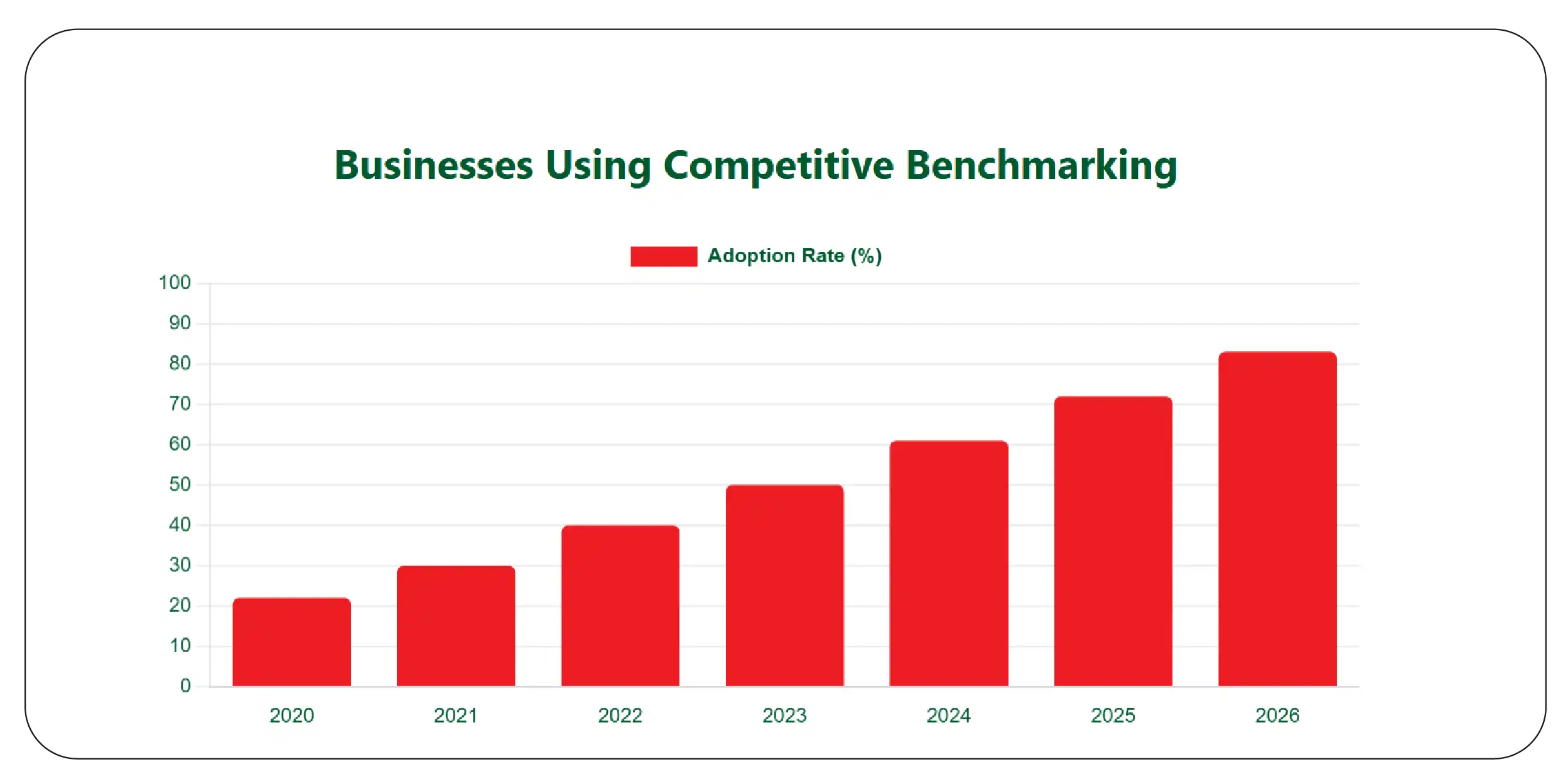
For example, a retailer may discover that competitors consistently offer lower prices in high-volume categories. This insight helps refine promotional and pricing strategies.
Benchmarking also identifies emerging market opportunities. Businesses can detect underserved product categories and respond more effectively to customer demand.
Data-driven benchmarking provides a strong foundation for sustainable competitive advantage.
How Can Retailers Respond Faster to Competitor Price Changes?
Retail competition moves quickly. A single price adjustment can influence customer purchasing decisions and impact market share. Businesses need systems that provide immediate visibility into pricing movements.
Many organizations rely on Woolworths real time price tracking to monitor product prices, discounts, bundle offers, and promotional campaigns as they change throughout the day.
Advantages of Real-Time Visibility
- Detect price changes instantly
- Monitor competitor promotions
- Improve pricing agility
- Reduce response times
- Support revenue optimization
Real-Time Tracking Adoption
| Year |
Retailers Using Real-Time Price Monitoring |
| 2020 |
26% |
| 2021 |
34% |
| 2022 |
43% |
| 2023 |
53% |
| 2024 |
63% |
| 2025 |
74% |
| 2026 |
85% |
For example, an FMCG brand may identify a sudden discount campaign on a competing product. With real-time visibility, pricing teams can evaluate the impact and determine whether a strategic response is necessary.
Retailers also use tracking systems to monitor seasonal pricing fluctuations and category-level trends. This helps businesses anticipate market shifts rather than reacting after opportunities are lost.
Organizations that invest in real-time pricing intelligence are often better equipped to maintain competitiveness and improve profitability.
How Does Competitor Monitoring Support Margin Improvement?
Maintaining healthy margins while remaining competitive is one of the biggest challenges facing retailers and manufacturers. Businesses need detailed intelligence about competitor pricing strategies.
Many organizations implement Coles and Woolworths Competitor Price Monitoring Australia programs to understand market positioning and identify pricing opportunities. These initiatives can also support strategies such as rice skimming, where premium products are initially introduced at higher prices before gradual reductions.
Key Monitoring Benefits
- Protect profit margins
- Benchmark product pricing
- Evaluate promotion effectiveness
- Understand pricing trends
- Improve strategic planning
Competitor Monitoring Growth
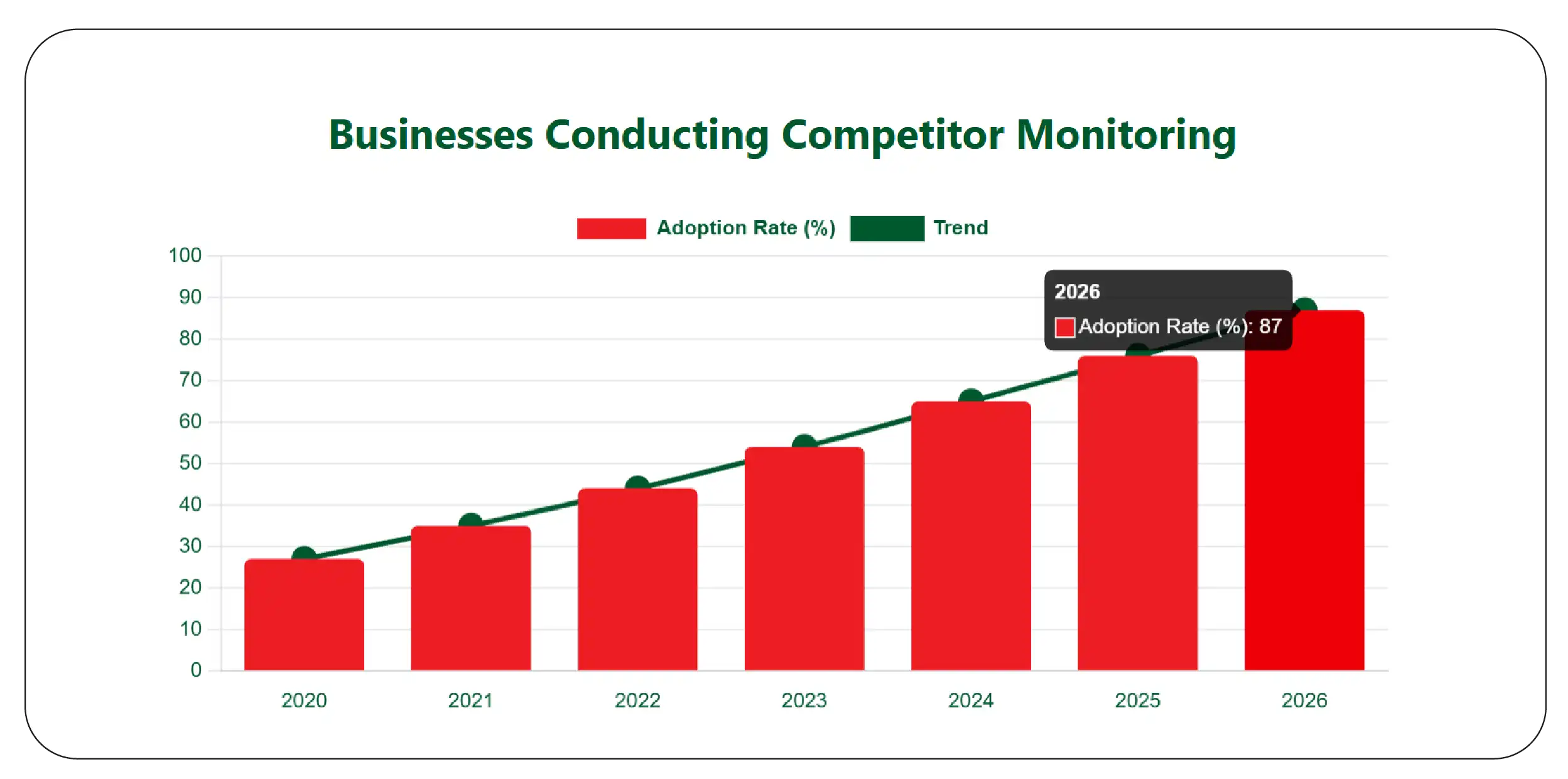
Competitive monitoring helps retailers determine whether price differences are justified by brand positioning, product quality, or promotional activity.
For example, category managers can evaluate how premium and private-label products are priced relative to competitors. This visibility enables more effective pricing strategies and improved margin management.
Businesses that continuously monitor competitor activity are better positioned to make informed decisions and sustain long-term growth.
Why Is Product Availability Just as Important as Price?
Customers expect products to be available when they need them. Competitive pricing alone cannot drive sales if products are consistently out of stock.
Businesses increasingly rely on Coles and Woolworths Product Availability Tracking Australia to monitor inventory levels, stock status, and assortment coverage across supermarkets.
Benefits of Availability Monitoring
- Reduce stock-out risks
- Improve replenishment planning
- Track assortment coverage
- Enhance customer satisfaction
- Support demand forecasting
Availability Intelligence Adoption
| Year |
Companies Monitoring Product Availability |
| 2020 |
24% |
| 2021 |
32% |
| 2022 |
41% |
| 2023 |
52% |
| 2024 |
63% |
| 2025 |
74% |
| 2026 |
86% |
For instance, a beverage manufacturer may discover recurring stock shortages in specific regions. This insight supports better distribution planning and inventory allocation.
Availability tracking also helps businesses understand competitor assortment strategies. Companies can identify product gaps and optimize their offerings accordingly.
Combining price and availability intelligence creates a complete picture of market performance and customer demand.
Why Choose Product Data Scrape?
Retailers, manufacturers, distributors, and market researchers need reliable access to supermarket intelligence to stay competitive. Product Data Scrape provides scalable data solutions designed to automate market monitoring and improve decision-making.
Through advanced data collection capabilities, businesses gain access to Pricing intelligence that supports pricing optimization, promotion analysis, competitor benchmarking, and category management. Organizations can also leverage Real Time Australia Coles & Woolworths Pricing Tracking solutions to monitor thousands of products across multiple categories with accuracy and speed.
Key advantages include:
- Real-time supermarket monitoring
- Automated competitor tracking
- Product availability insights
- Large-scale data coverage
- Flexible API integration
- Enterprise-grade scalability
These capabilities help businesses reduce manual effort and focus on strategic growth initiatives.
Conclusion
Australia's grocery industry is becoming increasingly data-driven. Businesses that implement Real Time Australia Coles & Woolworths Pricing Tracking gain a significant advantage through faster decision-making, improved pricing accuracy, and stronger competitive awareness.
From promotion analysis and inventory visibility to Competitor price monitoring and market benchmarking, real-time supermarket intelligence helps organizations optimize margins and improve operational efficiency. Automated monitoring eliminates the limitations of manual tracking and provides continuous visibility into changing market conditions.
Ready to transform your retail intelligence strategy? Contact Product Data Scrape today and leverage real-time supermarket data to improve pricing decisions, strengthen competitiveness, and accelerate business growth!
FAQs
1. Why is real-time supermarket price tracking important?
Real-time tracking helps businesses monitor competitor prices, analyze promotions, improve pricing strategies, and respond quickly to market changes across major Australian supermarket chains.
2. What data can be collected from supermarket pricing systems?
Businesses can collect product names, prices, discounts, promotions, stock availability, categories, brands, and assortment information to support analytics and competitive benchmarking initiatives.
3. Who benefits most from grocery pricing intelligence?
Retailers, FMCG brands, distributors, manufacturers, consultants, and market research firms benefit from pricing intelligence by gaining visibility into competitor activity and market trends.
4. How does Product Data Scrape support retail intelligence?
Product Data Scrape provides structured datasets, automated monitoring solutions, and scalable supermarket intelligence services that help businesses improve decision-making and operational efficiency.
5. How often should supermarket pricing data be updated?
Most organizations monitor pricing daily or multiple times per day because promotions, stock availability, and competitor prices can change frequently across retail channels.


 Singapore
 EMAIL
EMAIL
 PHONE
PHONE


.webp)
.webp "thumb")
.webp "thumb")
.webp "thumb")








.webp)