Introduction
Retailers can improve pricing decisions, inventory planning, and product trend analysis by using structured product datasets from leading furniture marketplaces. Access to organized product information enables faster competitive benchmarking, smarter merchandising, and better demand forecasting.
Industry Insight: According to industry estimates, the UK online furniture market has experienced steady digital growth since 2020. Analysts project continued expansion through 2026 as consumers increasingly prefer online research and purchasing for home furnishings.
For retailers, manufacturers, distributors, market researchers, and eCommerce businesses, monitoring furniture catalogs manually is both time-consuming and inefficient. Product details, pricing, inventory, and assortment change frequently, making it difficult to maintain accurate competitive intelligence.
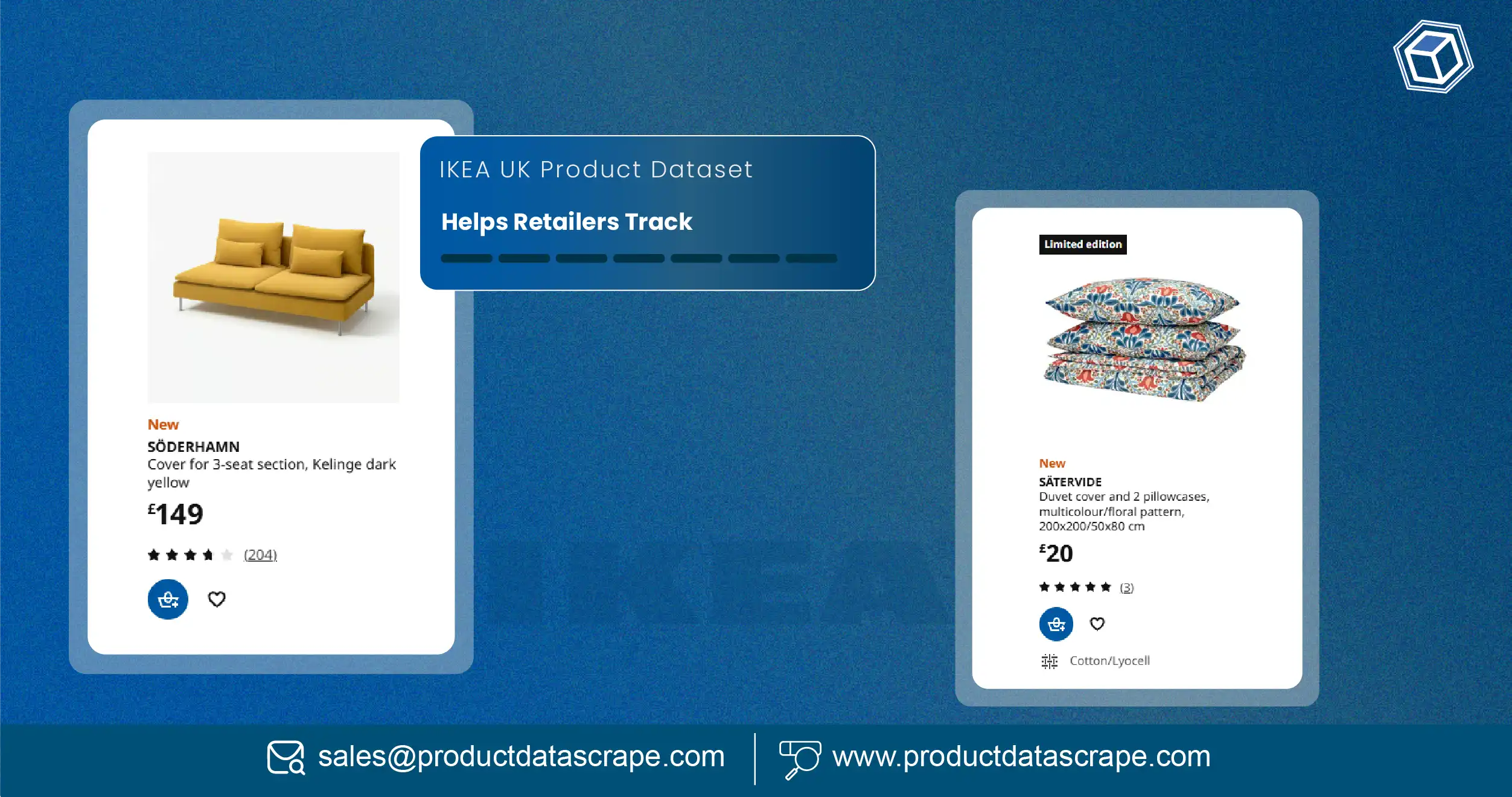
The IKEA UK Product Dataset provides structured product information that supports pricing optimization, assortment analysis, inventory planning, and product benchmarking. Combined with E-commerce data scraping for the UK market, businesses gain continuous visibility into product catalogs, enabling informed merchandising decisions and long-term retail growth. Product Data Scrape delivers reliable retail datasets that transform raw marketplace information into actionable business intelligence.
How Can Retailers Improve Product Catalog Quality?
High-quality product catalogs are essential for successful online retail. Complete product information improves customer experience, strengthens search visibility, and simplifies inventory management. However, maintaining consistent product attributes across thousands of furniture listings can be difficult without automation.
Businesses using IKEA UK product catalog enrichment services can standardize product titles, specifications, dimensions, materials, colors, categories, pricing, and availability into structured datasets. These enriched records improve product discoverability while enabling consistent catalog management.
Organizations seeking faster market analysis also choose to Buy E-Commerce Datasets to eliminate manual collection efforts and accelerate competitive research.
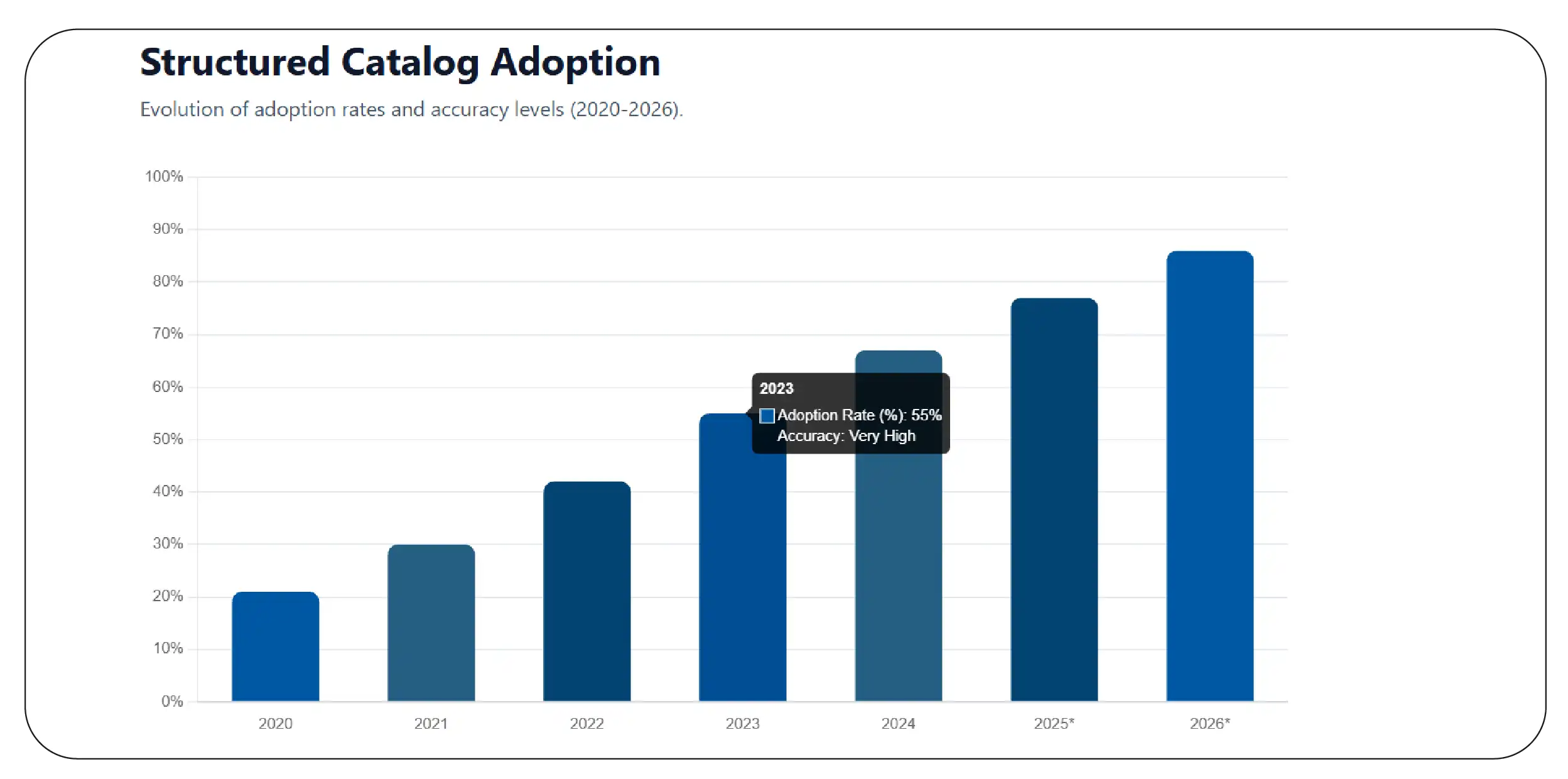
UK Furniture Catalog Intelligence Trends (2020–2026)
| Year |
Structured Catalog Adoption |
Catalog Accuracy |
| 2020 |
21% |
Moderate |
| 2021 |
30% |
Improved |
| 2022 |
42% |
High |
| 2023 |
55% |
Very High |
| 2024 |
67% |
Advanced |
| 2025* |
77% |
Forecast |
| 2026* |
86% |
Forecast |
Benefits of Catalog Enrichment
- Standardized product attributes
- Better search visibility
- Improved product comparisons
- Higher catalog consistency
- Easier inventory management
- Better merchandising decisions
Enriched catalogs also simplify integration with ERP systems, marketplaces, and eCommerce platforms while reducing duplicate listings and inconsistent product information.
How Can Businesses Understand the Furniture Market More Effectively?
Retail competition depends on understanding changing customer preferences, pricing strategies, and product availability. Without reliable product intelligence, businesses struggle to benchmark competitors or identify emerging opportunities.
Organizations can Scrape IKEA UK product data for furniture market analysis to collect structured information covering furniture categories, pricing, dimensions, materials, availability, customer ratings, and product specifications. This enables category managers and merchandising teams to evaluate competitor assortments more efficiently.
Furniture Market Intelligence Growth (2020–2026)
| Year |
Retailers Using Market Intelligence |
Decision Accuracy |
| 2020 |
19% |
Moderate |
| 2021 |
29% |
Improved |
| 2022 |
40% |
High |
| 2023 |
53% |
Very High |
| 2024 |
65% |
Advanced |
| 2025* |
76% |
Forecast |
| 2026* |
85% |
Forecast |
Market Intelligence Benefits
- Category performance analysis
- Competitive benchmarking
- Product assortment evaluation
- Customer preference analysis
- Pricing comparison
- Better inventory planning
Structured datasets also enable retailers to identify gaps within their own product portfolios and evaluate demand across different furniture categories, supporting smarter merchandising and assortment expansion.
How Can Retailers Stay Ahead of Product Trends?
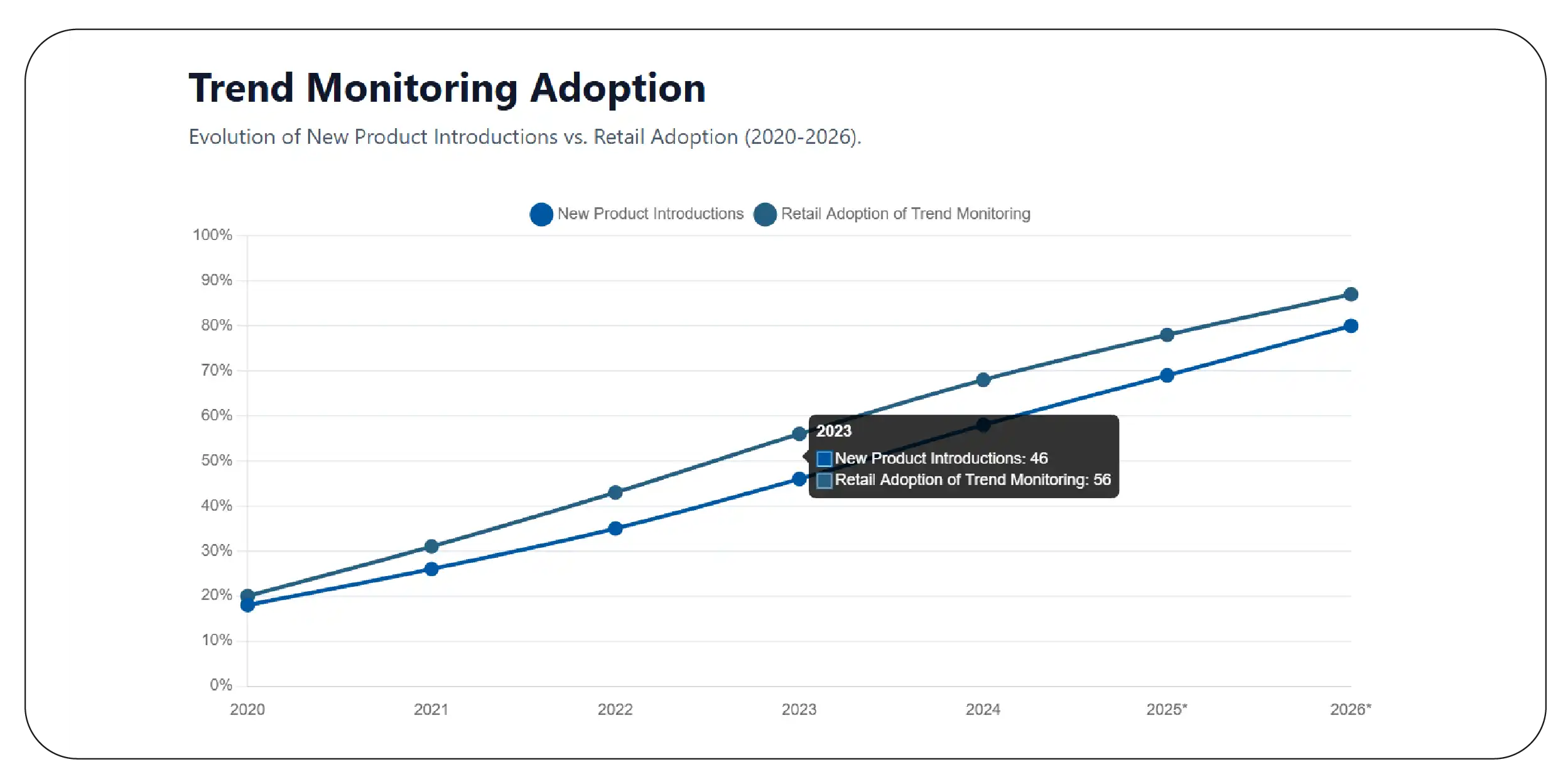
The furniture industry evolves continuously as retailers introduce new collections, seasonal products, and updated product designs. Businesses that detect these changes early gain competitive advantages in merchandising and inventory planning.
Companies can monitor IKEA new product launches in the UK to identify new collections, product innovations, discontinued items, and assortment expansions. Continuous monitoring provides valuable insights into changing consumer preferences and evolving market demand.
New Product Introduction Trends (2020–2026)
| Year |
New Product Introductions |
Retail Adoption of Trend Monitoring |
| 2020 |
18% |
20% |
| 2021 |
26% |
31% |
| 2022 |
35% |
43% |
| 2023 |
46% |
56% |
| 2024 |
58% |
68% |
| 2025* |
69% |
78% |
| 2026* |
80% |
87% |
Advantages of Product Trend Monitoring
- Early trend identification
- Better assortment planning
- Faster product launches
- Improved inventory forecasting
- Competitive merchandising
- Enhanced customer satisfaction
Historical product launch analysis also helps retailers anticipate seasonal demand and identify categories experiencing sustained growth. This supports proactive purchasing strategies while reducing excess inventory and stock shortages.
How Can Retailers Optimize Pricing and Forecast Sales?
Pricing plays a major role in customer purchasing decisions within the furniture industry. Retailers that continuously analyze competitor prices and inventory movements are better equipped to adjust their own pricing strategies while maintaining profitability.
Businesses can improve decision-making by tracking IKEA UK Furniture Price in UK across categories such as sofas, storage, beds, dining furniture, office furniture, and home accessories. Historical pricing trends reveal seasonal promotions, discount cycles, and product lifecycle changes that influence purchasing behavior.
Retailers can also Estimate your sales performance by comparing pricing movements with inventory availability, category demand, and historical product performance. This helps merchandising teams forecast revenue opportunities more accurately.
UK Furniture Pricing Trends (2020–2026)
| Year |
Retailers Using Pricing Analytics |
Forecast Accuracy |
| 2020 |
20% |
Moderate |
| 2021 |
31% |
Improved |
| 2022 |
43% |
High |
| 2023 |
56% |
Very High |
| 2024 |
68% |
Advanced |
| 2025* |
78% |
Forecast |
| 2026* |
87% |
Forecast |
Benefits of Pricing Intelligence
- Detect competitor pricing changes
- Improve promotional planning
- Forecast seasonal demand
- Optimize product positioning
- Increase pricing consistency
- Support revenue planning
Retailers combining historical pricing analysis with inventory trends gain stronger visibility into customer demand, allowing faster reactions to market fluctuations while protecting profit margins.
How Can Automated Product Monitoring Improve Retail Operations?
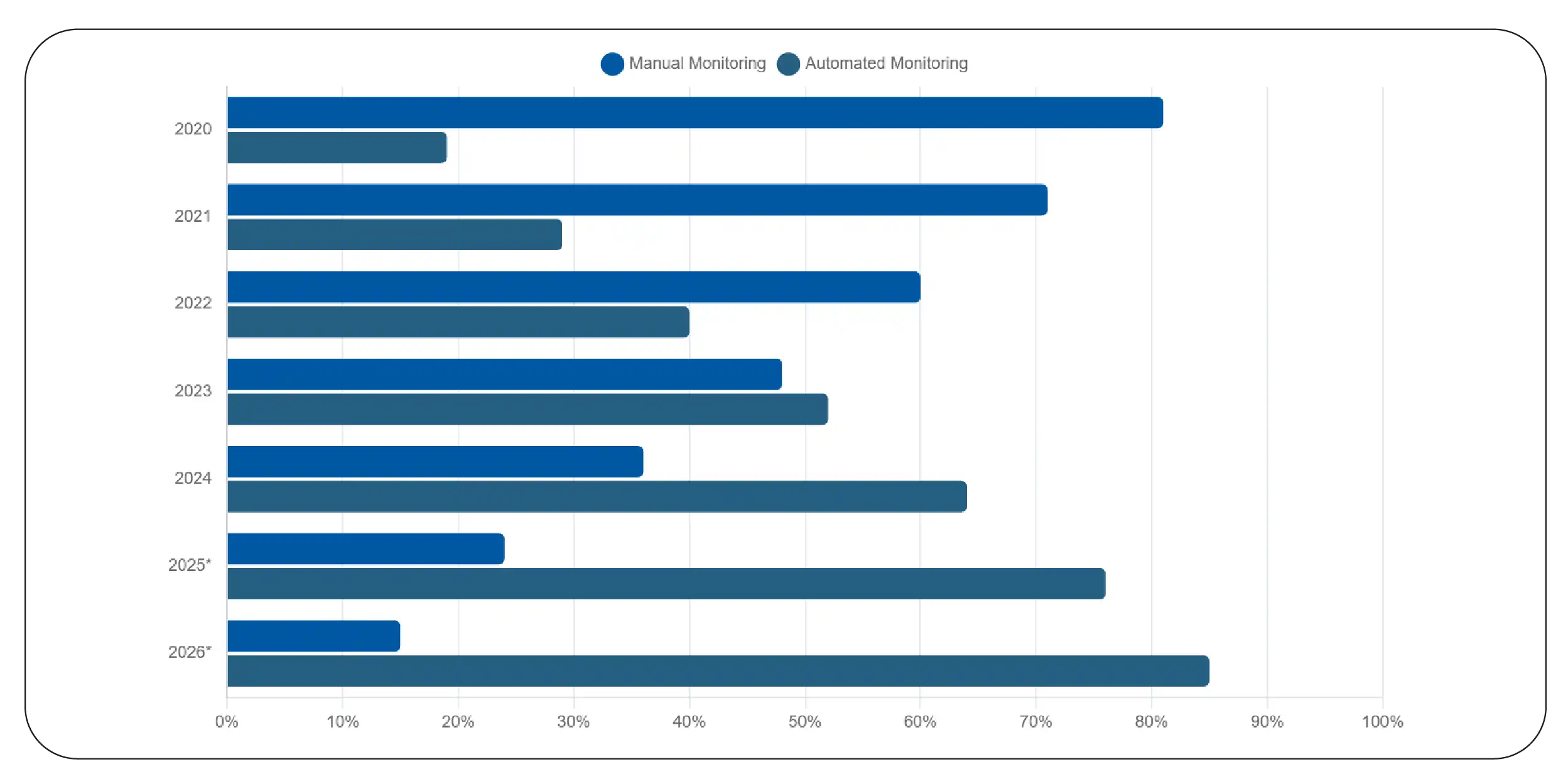
Managing thousands of furniture products manually requires significant operational effort. Automated product monitoring provides retailers with continuous updates on catalog changes, product availability, pricing, and assortment movements without repetitive manual work.
Organizations can scrape IKEA UK furniture listings data to maintain accurate product information across multiple retail channels. Automated extraction supports merchandising teams with structured datasets covering product specifications, descriptions, dimensions, stock status, customer ratings, and category information.
Continuous Price monitoring enables retailers to identify discount campaigns, promotional events, and pricing fluctuations as they happen, supporting timely merchandising decisions.
Retail Automation Growth (2020–2026)
| Year |
Manual Monitoring |
Automated Monitoring |
| 2020 |
81% |
19% |
| 2021 |
71% |
29% |
| 2022 |
60% |
40% |
| 2023 |
48% |
52% |
| 2024 |
36% |
64% |
| 2025* |
24% |
76% |
| 2026* |
15% |
85% |
Operational Benefits
- Automated catalog updates
- Faster product comparisons
- Reduced manual effort
- Better inventory visibility
- Improved reporting accuracy
- Smarter merchandising decisions
Automated monitoring helps retailers respond more quickly to changing market conditions while maintaining highly accurate product catalogs.
How Can Structured Product Databases Support Long-Term Growth?
Retail businesses require more than individual product records. They need comprehensive databases that support reporting, forecasting, competitive analysis, and strategic planning.
An IKEA UK furniture database provides structured information covering categories, pricing, availability, specifications, dimensions, product descriptions, customer ratings, and historical catalog changes. This enables merchandising teams to analyze long-term market trends while supporting data-driven business decisions.
Retail Database Adoption (2020–2026)
| Year |
Structured Database Usage |
Analytics Maturity |
| 2020 |
22% |
Basic |
| 2021 |
32% |
Moderate |
| 2022 |
44% |
Improved |
| 2023 |
57% |
High |
| 2024 |
69% |
Advanced |
| 2025* |
79% |
Forecast |
| 2026* |
88% |
Forecast |
Advantages of Structured Databases
- Centralized product intelligence
- Historical trend analysis
- Better forecasting
- Improved reporting
- Faster business decisions
- Scalable retail analytics
Comprehensive databases also simplify integration with business intelligence platforms, ERP systems, and inventory management tools, helping retailers scale operations while improving data quality.
Why Choose Product Data Scrape?
Businesses need reliable retail intelligence to stay competitive in the evolving furniture market. Product Data Scrape provides accurate datasets that help organizations analyze pricing, inventory, product attributes, and assortment trends with confidence.
Our expertise in E-commerce data for furniture enables retailers, manufacturers, distributors, and market researchers to access structured product intelligence that supports smarter merchandising and inventory planning. Combined with the IKEA UK Product Dataset, our solutions deliver scalable data extraction, continuous monitoring, and customized datasets that simplify market analysis and improve strategic decision-making.
Conclusion
Retail success depends on accurate market intelligence, timely pricing analysis, and reliable product information. The IKEA UK Product Dataset empowers businesses to optimize merchandising, monitor inventory, analyze competitors, and identify emerging product trends with confidence.
Our Pricing strategy services help transform structured retail data into actionable insights that improve operational efficiency and long-term growth.
Partner with Product Data Scrape today to access the IKEA UK Product Dataset and unlock powerful retail intelligence that drives smarter pricing, inventory optimization, and competitive advantage.
FAQs
1. What does the IKEA UK Product Dataset include?
The dataset includes product titles, categories, prices, specifications, dimensions, availability, images, ratings, descriptions, and other structured information useful for retail analytics and competitive benchmarking.
2. Who benefits from this dataset?
Retailers, manufacturers, distributors, market researchers, eCommerce businesses, and pricing analysts use structured furniture datasets to improve merchandising, inventory planning, and competitive intelligence.
3. How frequently is the dataset updated?
Update frequency depends on business requirements and may include daily, scheduled, or near real-time refreshes to ensure businesses access the latest product information.
4. Can the dataset support competitive pricing analysis?
Yes. Structured product information enables businesses to compare pricing, monitor assortment changes, evaluate inventory trends, and identify opportunities for better merchandising decisions.
5. Why choose Product Data Scrape for furniture datasets?
Product Data Scrape delivers reliable, scalable, and customized retail datasets that help businesses automate market intelligence, strengthen competitive analysis, and make faster data-driven decisions.


 Singapore
 EMAIL
EMAIL
 PHONE
PHONE


.webp)
.webp "thumb")
.webp "thumb")
.webp "thumb")









.webp)