Introduction
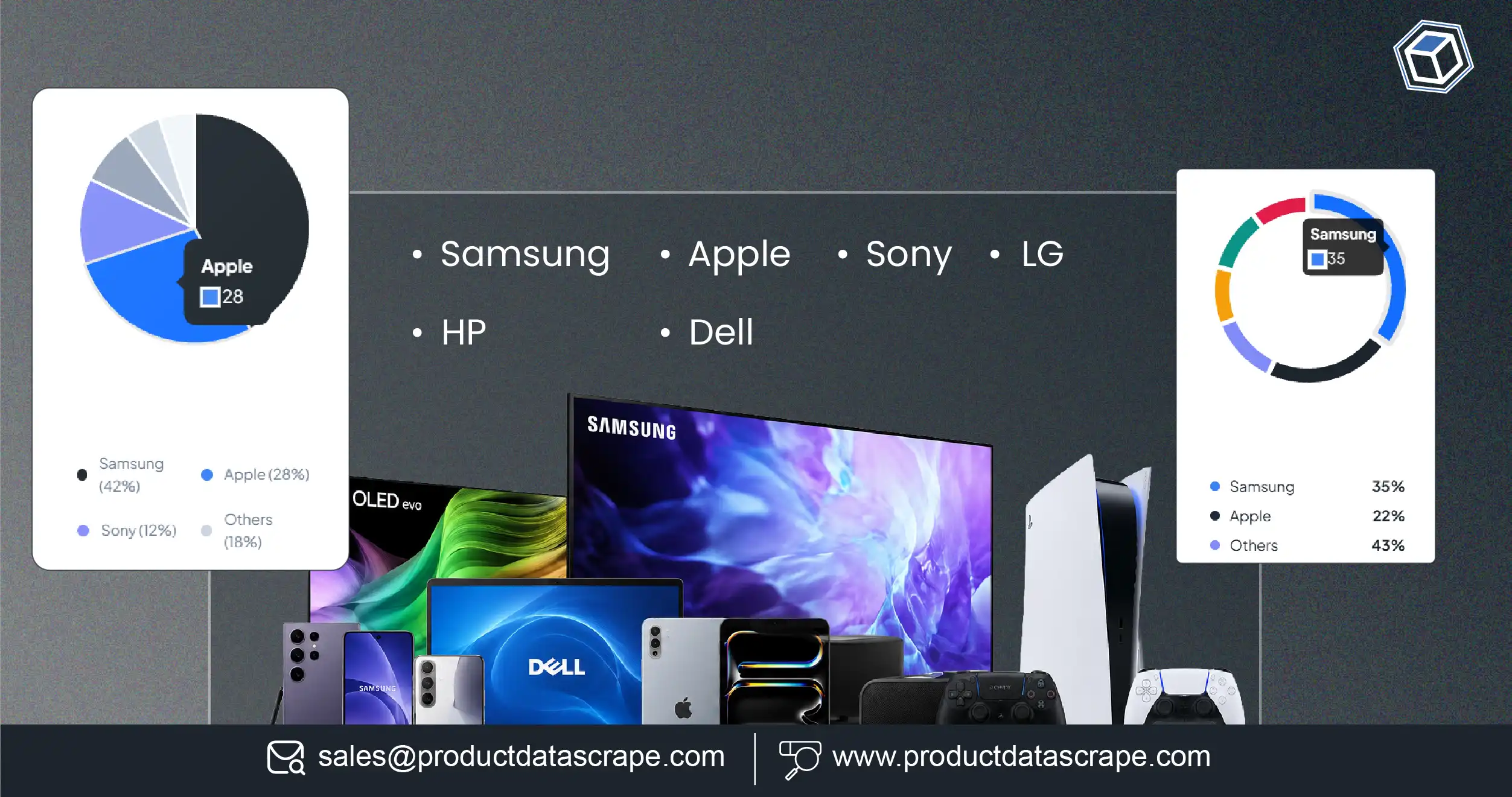
The electronics retail industry in the United States has become increasingly competitive as brands continuously adjust pricing, promotions, and inventory strategies to capture customer attention. Retailers and manufacturers now rely on real-time analytics to monitor market trends, identify pricing gaps, and improve competitive positioning across digital marketplaces. Through Best Buy Data Electronics Brands Pricing Tracking in US Stores, businesses can analyze dynamic retail pricing movements and optimize decision-making with greater precision.
Modern retailers actively Track Samsung, Apple, Sony, LG, HP & Dell product pricing to understand competitor behavior, evaluate promotional effectiveness, and enhance category performance. Access to structured marketplace intelligence enables faster reactions to price fluctuations, stock availability changes, and shifting consumer demand.
Companies increasingly depend on advanced analytics solutions to Extract Electronics Product Data from online retail channels for accurate forecasting, product benchmarking, and assortment planning. As electronics pricing evolves rapidly across omnichannel environments, automated data collection has become essential for maintaining profitability and strengthening long-term retail competitiveness.
Understanding the Shift Toward Intelligent Retail Pricing
The US electronics market has experienced substantial growth over the past several years due to rising consumer demand for smartphones, laptops, gaming consoles, smart TVs, and connected home devices. Retailers now require advanced monitoring systems to manage highly dynamic pricing environments.
Businesses use US Stores Tracking Electronics Prices Across Best Buy Data to monitor category-level pricing changes and evaluate market positioning across major electronics brands. Access to a structured Best Buy E-commerce Product Dataset enables companies to compare specifications, discounts, stock status, customer reviews, and pricing trends in real time.
| Year |
US Electronics Retail Market Growth |
Average Monthly Online Price Changes |
| 2020 |
6.5% |
18% |
| 2021 |
8.1% |
22% |
| 2022 |
9.4% |
25% |
| 2023 |
10.2% |
29% |
| 2024 |
11.1% |
32% |
| 2025 |
12.4% |
35% |
| 2026 |
13.8% |
38% |
Retailers increasingly depend on automated monitoring platforms because electronics pricing changes frequently due to promotional campaigns, inventory shortages, product launches, and seasonal demand spikes. Without real-time visibility into pricing patterns, businesses struggle to maintain competitive positioning and accurate forecasting.
Advanced pricing intelligence solutions also help retailers evaluate regional demand variations and identify high-performing product categories. This allows businesses to improve pricing strategies while reducing operational inefficiencies associated with manual market tracking processes.
Real-Time Monitoring for Leading Electronics Brands
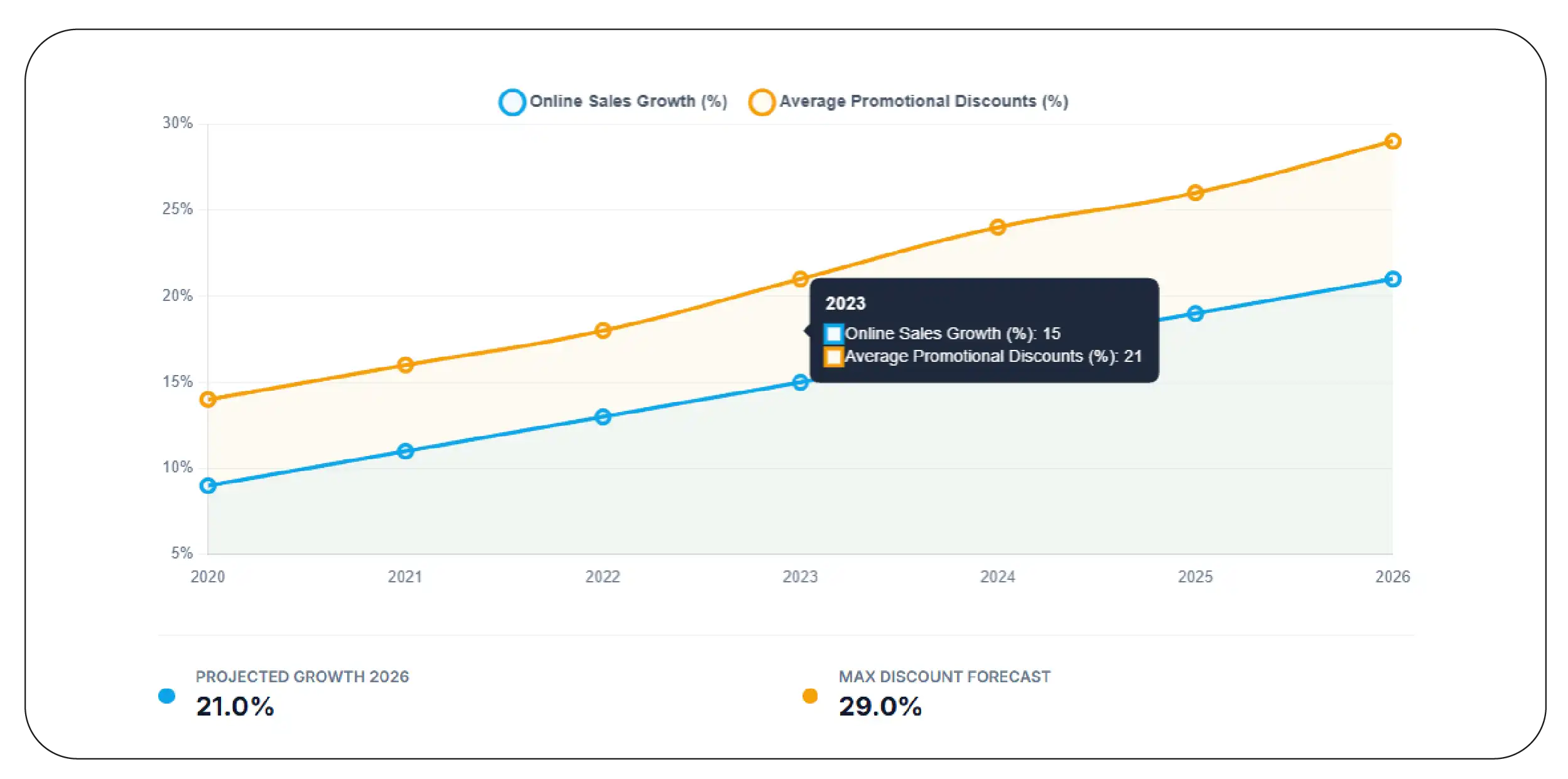
Electronics manufacturers continuously compete through aggressive pricing, bundle offers, and promotional campaigns. Monitoring competitor activity across marketplaces is critical for maximizing visibility and improving conversion rates.
Businesses increasingly use Best Buy Data Samsung Product Price Monitoring to track smartphone, tablet, television, and appliance pricing across different store locations and online channels. Companies also leverage automated systems to Extract Best Buy E-Commerce Product Data for competitor benchmarking and promotional analysis.
| Year |
Samsung Electronics Online Sales Growth |
Average Promotional Discounts |
| 2020 |
9% |
14% |
| 2021 |
11% |
16% |
| 2022 |
13% |
18% |
| 2023 |
15% |
21% |
| 2024 |
17% |
24% |
| 2025 |
19% |
26% |
| 2026 |
21% |
29% |
Real-time product monitoring allows retailers to identify pricing opportunities before competitors react. Retailers can compare pricing across models, configurations, warranty packages, and bundled accessories to optimize product positioning.
Automated extraction also improves inventory forecasting by identifying stock-out patterns and seasonal demand spikes. Businesses gain valuable insights into how electronics brands manage promotions during major shopping periods such as Black Friday, back-to-school campaigns, and holiday sales events.
These insights support faster strategic decisions while helping retailers maintain profitable pricing structures across multiple product categories.
The Growing Importance of Localized Pricing Intelligence
Regional pricing strategies have become increasingly important in the US electronics industry. Retailers often adjust product pricing based on local demand, inventory levels, competitor activity, and customer purchasing behavior.
Through Best Buy US Store Level Pricing Analytics, businesses gain visibility into location-specific price changes and promotional strategies across different US regions. Advanced Price Monitoring Services enable retailers to identify localized pricing trends while improving market responsiveness.
| Year |
Store-Level Pricing Adjustments |
Regional Promotional Variations |
| 2020 |
12% |
15% |
| 2021 |
16% |
18% |
| 2022 |
20% |
22% |
| 2023 |
24% |
26% |
| 2024 |
28% |
30% |
| 2025 |
31% |
34% |
| 2026 |
35% |
39% |
Localized analytics help retailers determine which products perform best within specific markets. Businesses can also analyze pricing gaps between online and offline channels to maintain consistency across omnichannel retail operations.
Another major advantage involves identifying geographic demand patterns for premium electronics, gaming products, laptops, and home appliances. Accurate regional insights help retailers optimize inventory allocation while reducing overstock and understock risks.
Automated pricing analytics additionally support dynamic pricing strategies that adapt quickly to market fluctuations and competitor promotions.
How Apple Pricing Intelligence Shapes Retail Competition
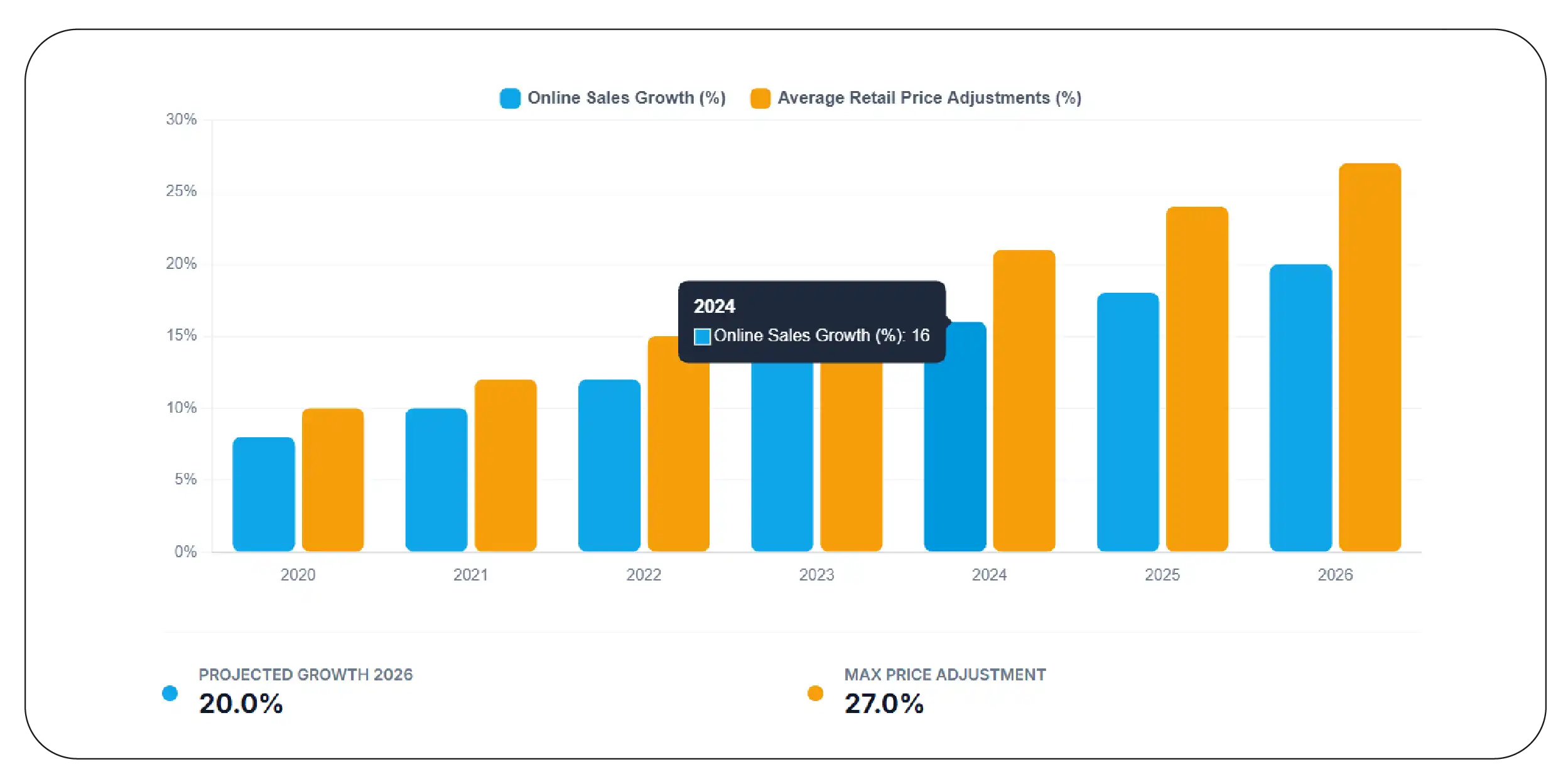
Apple products remain among the most competitive and closely monitored categories within the electronics industry. Retailers frequently adjust pricing strategies around iPhones, MacBooks, iPads, AirPods, and accessories to maximize customer acquisition and profitability.
Companies involved in Tracking Apple Product Pricing US Retail rely heavily on advanced analytics platforms and Pricing Intelligence Services to monitor discounts, bundle offers, trade-in promotions, and financing options.
| Year |
Apple Product Online Sales Growth |
Average Retail Price Adjustments |
| 2020 |
8% |
10% |
| 2021 |
10% |
12% |
| 2022 |
12% |
15% |
| 2023 |
14% |
18% |
| 2024 |
16% |
21% |
| 2025 |
18% |
24% |
| 2026 |
20% |
27% |
Retailers use these insights to evaluate competitor campaigns and identify optimal timing for promotions. Monitoring Apple pricing trends also helps businesses forecast demand during new product launches and seasonal sales periods.
Pricing intelligence systems provide visibility into retailer-specific strategies, allowing businesses to compare promotional structures across marketplaces. Retailers can optimize margins by responding faster to competitor price changes and identifying opportunities for differentiated promotions.
These analytics capabilities are becoming increasingly critical as premium electronics categories continue expanding across US retail markets.
Competitive Dynamics in Entertainment Electronics
Sony products dominate several high-demand entertainment categories, including gaming consoles, televisions, cameras, headphones, and home audio systems. Retailers require advanced analytics to monitor fast-changing promotional trends and customer demand patterns.
Businesses use Best Buy Sony Pricing Intelligence US Stores to track pricing changes, gaming bundle offers, inventory levels, and seasonal promotions across major retail channels.
| Year |
Sony Entertainment Product Growth |
Gaming Bundle Promotions |
| 2020 |
7% |
12% |
| 2021 |
9% |
15% |
| 2022 |
11% |
18% |
| 2023 |
13% |
22% |
| 2024 |
15% |
26% |
| 2025 |
18% |
29% |
| 2026 |
20% |
33% |
Real-time intelligence enables retailers to compare pricing structures across gaming consoles, TVs, cameras, and entertainment accessories. Businesses can also evaluate which promotional strategies drive higher engagement and conversion rates.
Sony product pricing is heavily influenced by gaming releases, entertainment trends, and seasonal shopping events. Automated monitoring helps retailers react quickly to demand spikes and maintain competitive pricing positions.
Detailed pricing visibility also improves assortment planning and promotional optimization while supporting better inventory forecasting across entertainment electronics categories.
Appliance and Computing Categories Driving Market Expansion
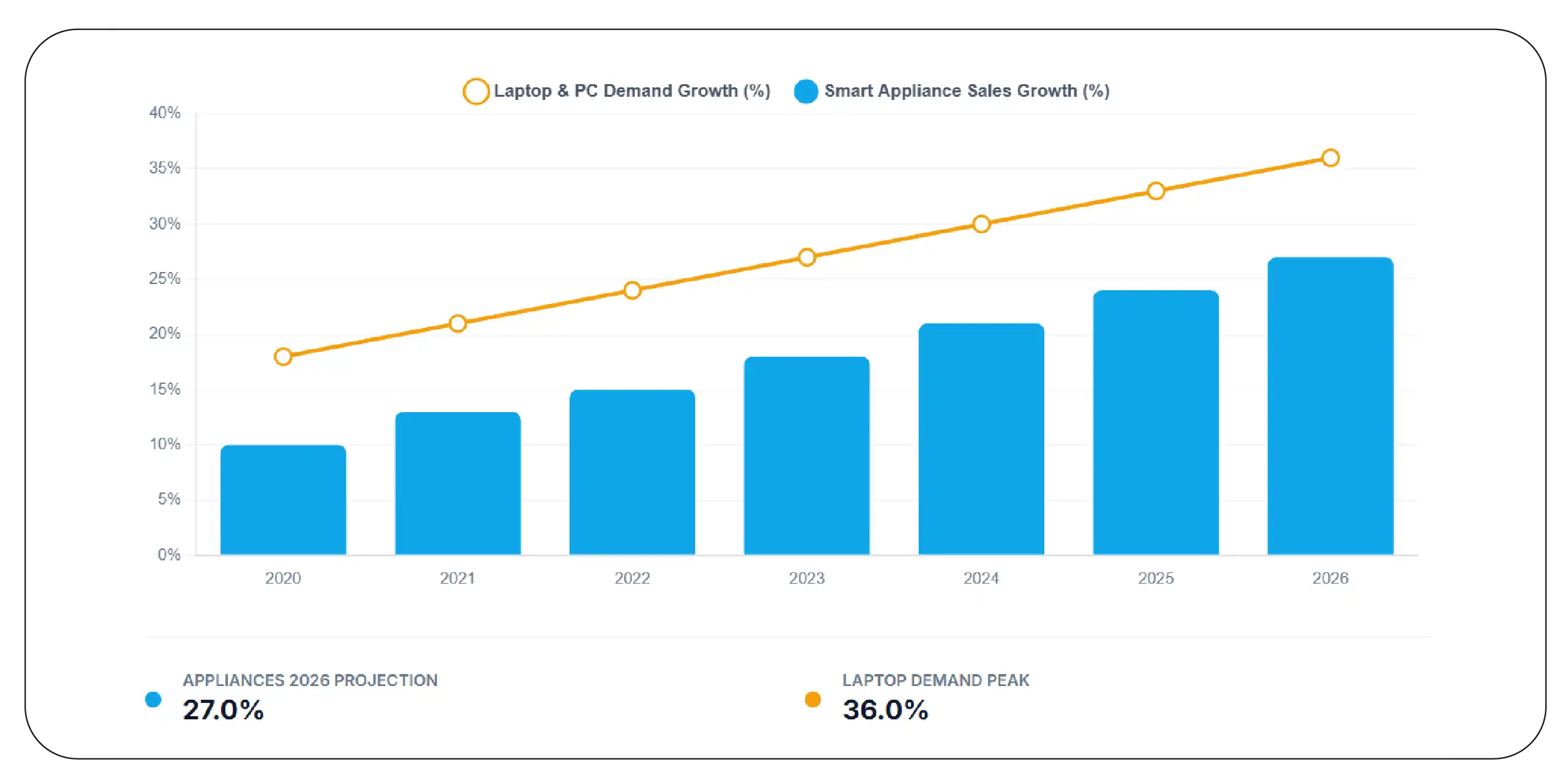
The US electronics market continues expanding rapidly due to rising demand for smart appliances, home automation products, laptops, and hybrid work solutions. Retailers increasingly depend on advanced analytics to manage pricing strategies across these fast-growing categories.
Businesses use LG appliance pricing analytics in US Stores to monitor refrigerator, washing machine, smart kitchen appliance, and television pricing across regional markets.
| Year |
Smart Appliance Sales Growth |
Laptop & PC Demand Growth |
| 2020 |
10% |
18% |
| 2021 |
13% |
21% |
| 2022 |
15% |
24% |
| 2023 |
18% |
27% |
| 2024 |
21% |
30% |
| 2025 |
24% |
33% |
| 2026 |
27% |
36% |
Retailers increasingly monitor premium appliance pricing to identify promotional opportunities and improve customer acquisition strategies. Pricing analytics also help businesses evaluate competitor inventory availability and regional demand variations.
The growing adoption of remote work and connected home technologies has significantly increased demand for laptops and computing devices. Retailers now require more accurate monitoring systems to maintain competitive pricing across these rapidly evolving categories.
Advanced analytics support better decision-making while improving promotional timing, inventory planning, and long-term profitability.
Why Choose Product Data Scrape?
Retailers and manufacturers require scalable analytics solutions to remain competitive within the rapidly evolving electronics marketplace. Product Data Scrape delivers advanced automation frameworks designed to provide real-time retail intelligence with exceptional accuracy and scalability.
Our solutions support US HP & Dell Electronics Competitor Pricing Scraping while enabling businesses to optimize pricing strategies, monitor inventory trends, and benchmark competitor performance effectively. Through Best Buy Data Electronics Brands Pricing Tracking in US Stores, companies gain access to high-frequency marketplace intelligence for improved forecasting and decision-making.
We combine automated extraction, competitor benchmarking, dynamic dashboards, and predictive analytics into a centralized intelligence ecosystem. Our advanced monitoring systems help retailers improve pricing agility, reduce manual tracking inefficiencies, and strengthen overall market competitiveness.
Conclusion
The US electronics retail landscape is becoming increasingly data-driven as brands compete through dynamic pricing, promotions, and inventory optimization. Businesses now rely heavily on Product Competitive Pricing Services to monitor market movements, benchmark competitors, and improve strategic decision-making.
Through Best Buy Data Electronics Brands Pricing Tracking in US Stores, retailers can gain valuable visibility into product pricing trends, promotional patterns, and category-level performance across major electronics brands. Automated analytics help businesses react faster to market changes while improving forecasting accuracy and operational efficiency.
We empower electronics retailers with scalable intelligence solutions designed for long-term growth, smarter pricing strategies, and competitive market positioning.
Contact Product Data Scrape today to transform your electronics pricing intelligence strategy with real-time marketplace analytics and automated competitor monitoring solutions.
FAQs
1. Why is electronics pricing monitoring important?
Electronics pricing changes rapidly due to promotions, inventory levels, and competitor actions. Monitoring helps retailers optimize pricing strategies and improve profitability across online and offline retail channels.
2. What data can retailers collect from Best Buy marketplaces?
Retailers can collect pricing, stock availability, reviews, ratings, promotions, product specifications, and category rankings for competitive intelligence and forecasting purposes.
3. How does automated product data extraction improve retail operations?
Automation improves accuracy, reduces manual tracking efforts, speeds reporting, and provides real-time insights into competitor pricing and market trends for better decision-making.
4. Which electronics brands benefit most from pricing intelligence?
Brands including Samsung, Apple, Sony, LG, HP, and Dell benefit significantly from real-time pricing analytics and competitor monitoring across US retail markets.
5. How does Product Data Scrape help electronics businesses?
Product Data Scrape provides scalable analytics, automated extraction, competitor benchmarking, and dynamic pricing intelligence solutions to improve retail performance and market competitiveness.


 Singapore
 EMAIL
EMAIL
 PHONE
PHONE


.webp)
.webp "thumb")
.webp "thumb")
.webp "thumb")








.webp)