How AI Training Data from E-commerce Scraping Powers Building Product Classification Datasets for Better Accuracy

Introduction

In the era of intelligent automation, data has become the backbone of artificial intelligence systems. Businesses across retail, logistics, and technology sectors rely heavily on structured datasets to train machine learning models. One of the most effective methods of generating high-quality datasets is through AI Training Data from E-commerce Scraping.

At the same time, Building Product Classification Datasets has become a critical requirement for improving search relevance, recommendation systems, and catalog management in online retail. When combined, these approaches enable businesses to create highly accurate, scalable, and real-world AI training models.

Between 2020 and 2026, global eCommerce data volume has increased exponentially, driven by millions of product listings, reviews, and pricing updates. Companies that leverage automated scraping techniques are able to continuously feed fresh data into their AI systems, ensuring better accuracy and adaptability in dynamic markets. This blog explores how scraped eCommerce data powers AI-driven product classification systems.

Structuring AI-Ready Product Data for Machine Learning Systems
Structuring AI-Ready Product Data

High-quality AI systems depend on structured and labeled datasets. By using E-commerce Product Classification Datasets for AI along with an eCommerce Dataset, businesses can organize product attributes such as category, price, brand, and description into machine-readable formats.

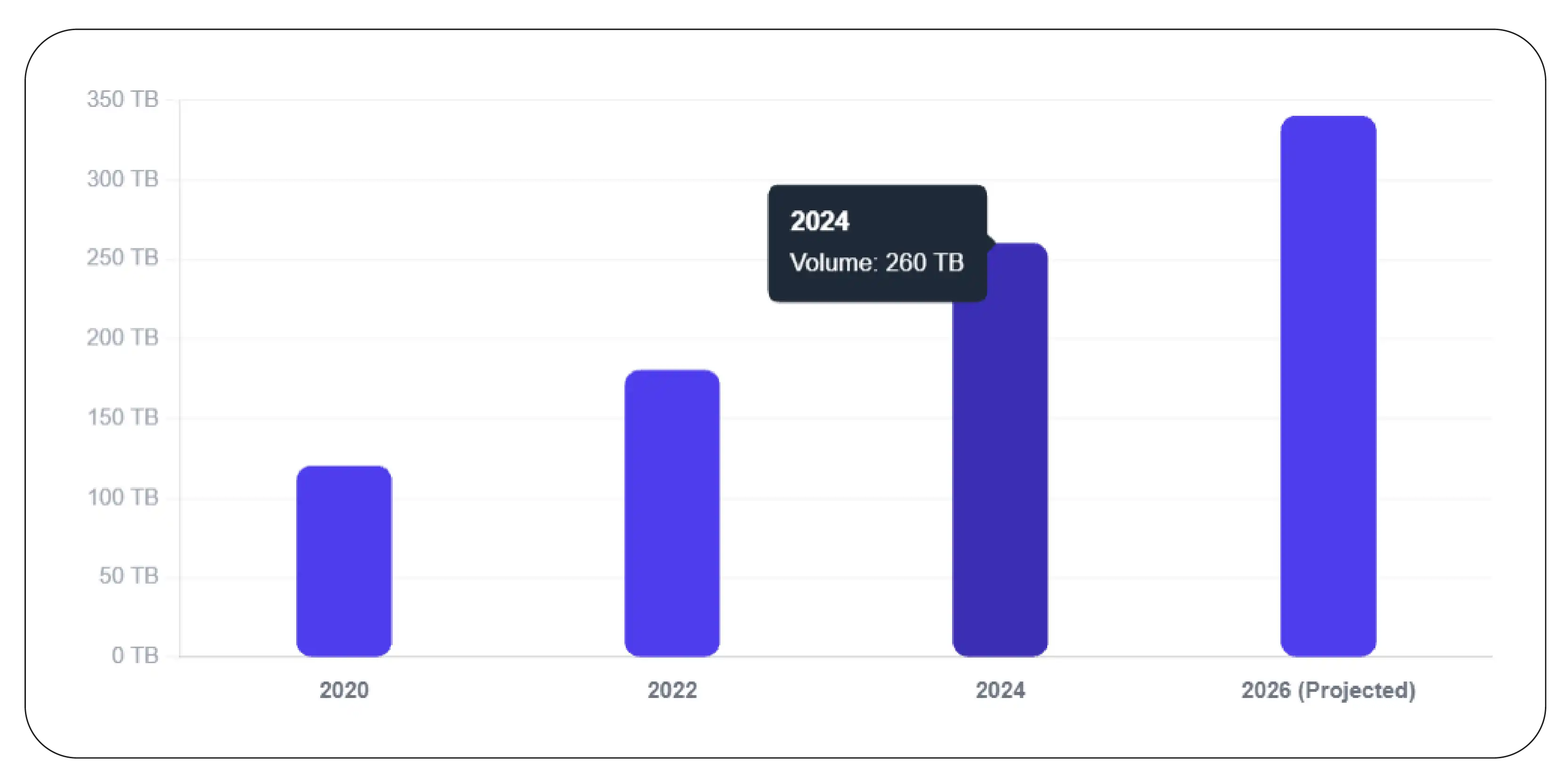
From 2020 to 2026, the volume of structured eCommerce datasets used in AI training has grown significantly due to increasing demand for automation and personalization.

Year Dataset Volume (TB) Growth %
2020 120
2022 180 +50%
2024 260 +44%
2026 (Projected) 340 +30%

These datasets allow AI systems to classify products more accurately, improving search results and recommendation engines. Structured data also reduces ambiguity in product categorization, leading to better customer experiences and higher conversion rates.

Enhancing Machine Learning with Automated Data Extraction

AI models require continuous learning, which depends on fresh and diverse datasets. With E-commerce scraping for AI product classification data and Web Scraping API Services, businesses can automate the extraction of product data from multiple online platforms.

Between 2020 and 2026, automated scraping has improved dataset generation efficiency by over 65%, significantly reducing manual data collection efforts.

Metric 2020 2023 2026 (Projected)
Data Collection Speed 40% 70% 90%
Dataset Accuracy 75% 88% 96%
Processing Efficiency 50% 78% 92%

This automation ensures that AI systems are trained on the latest product data, improving classification accuracy and adaptability in real-time environments.

Optimizing Product Classification with Pricing Intelligence
Optimizing Product Classification

Pricing plays a crucial role in product categorization and consumer decision-making. By leveraging a Product classification dataset from E-commerce data and Product Pricing Strategies Service, businesses can integrate pricing intelligence into their AI models.

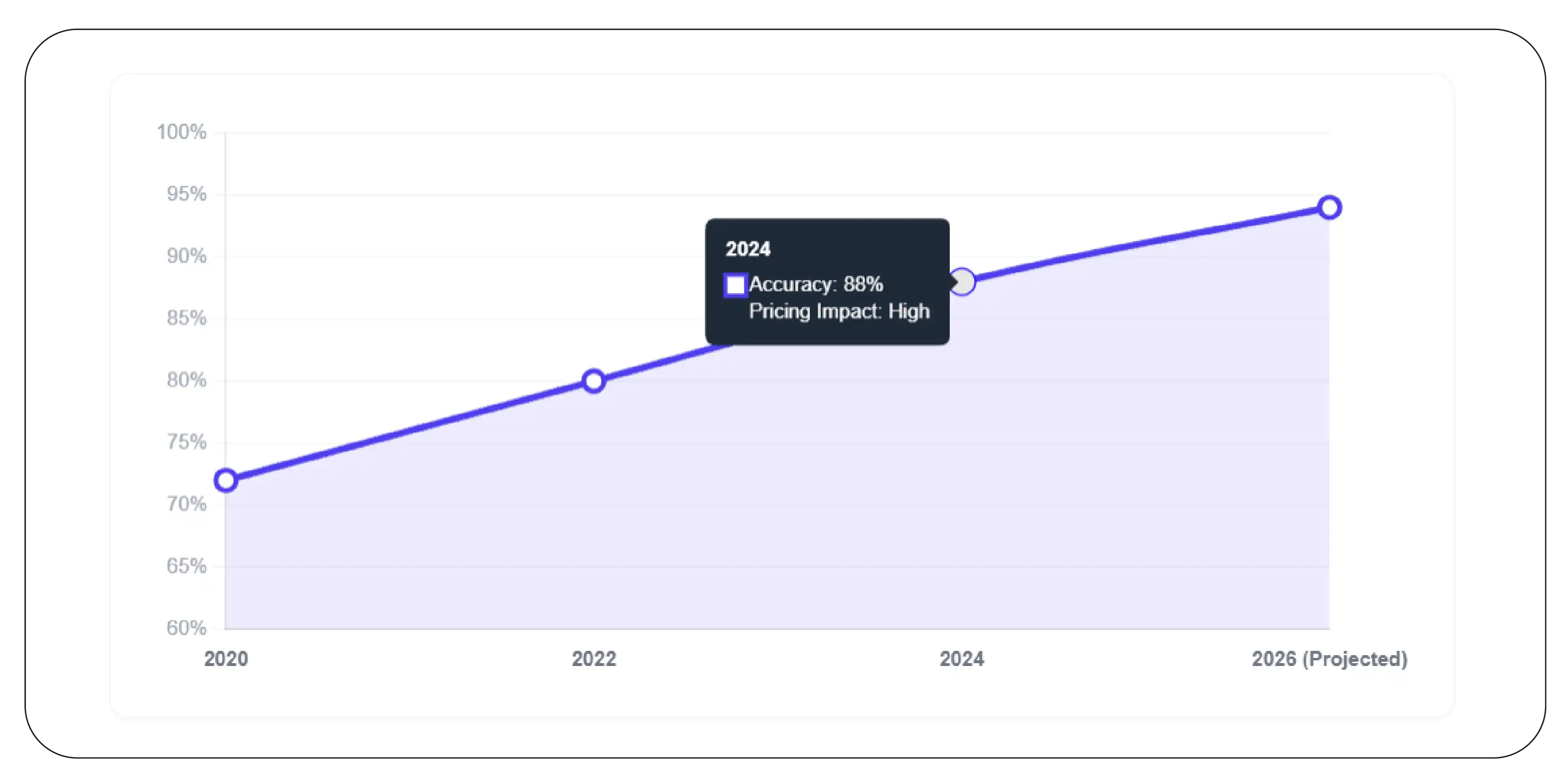
From 2020 to 2026, pricing-based classification models have improved accuracy by over 35% due to better data integration.

Year Classification Accuracy Pricing Impact
2020 72% Low
2022 80% Medium
2024 88% High
2026 (Projected) 94% Very High

By analyzing pricing patterns alongside product attributes, AI models can better differentiate between premium, mid-range, and budget products, improving recommendation accuracy and customer targeting.

Improving Dataset Quality Through Marketplace Scraping
Improving Dataset Quality Through

The quality of AI training data depends heavily on the diversity and completeness of product listings. Using Scraping Product Listings for AI Training Datasets and Digital Shelf Analytics, businesses can collect structured data from multiple marketplaces.

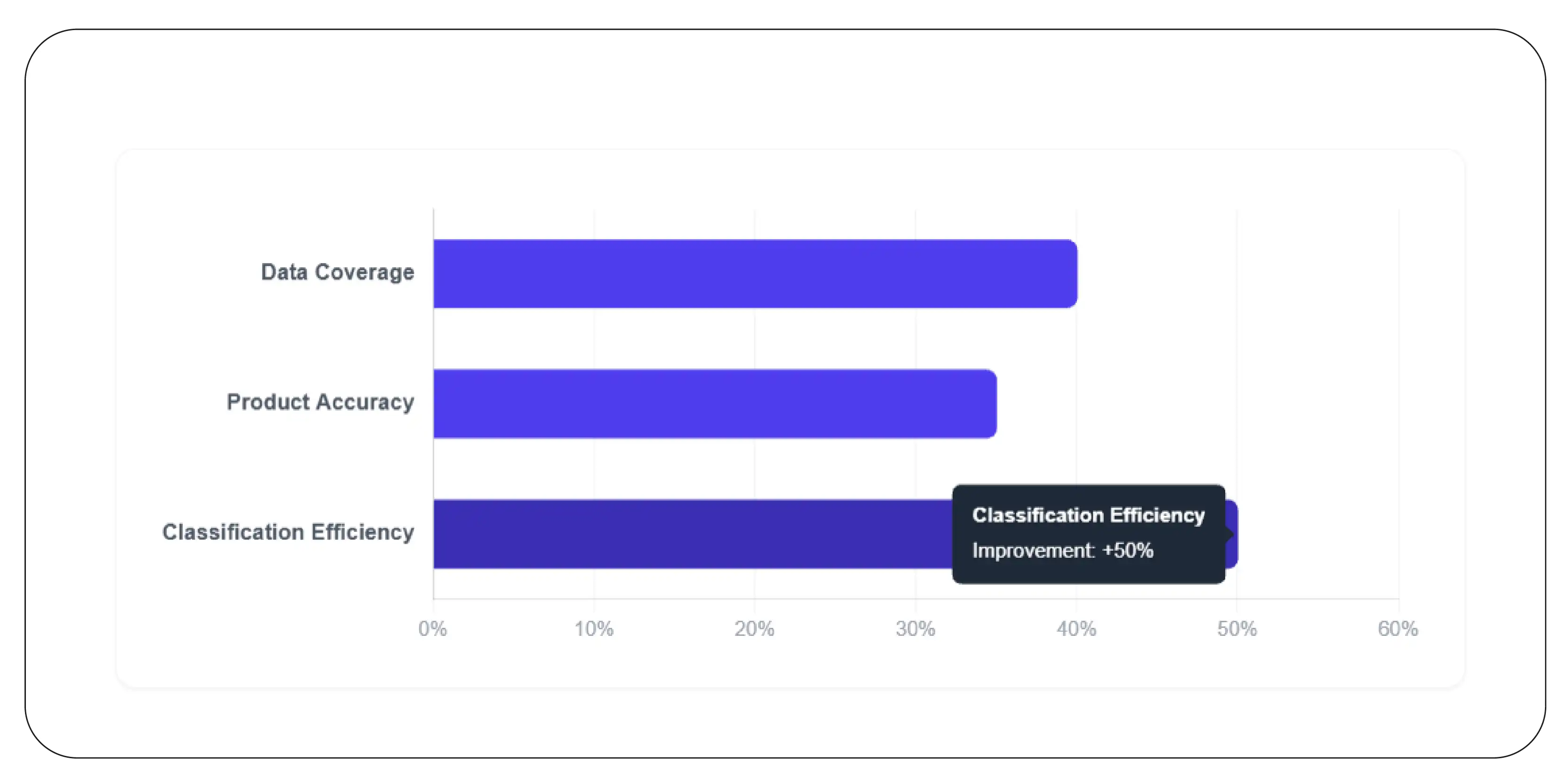
Between 2020 and 2026, digital shelf analytics adoption has increased by over 55%, helping companies improve dataset completeness.

Metric Improvement
Data Coverage +40%
Product Accuracy +35%
Classification Efficiency +50%

This ensures that AI models are trained on a wide variety of product types, leading to better generalization and reduced bias in predictions.

Advancing AI Model Performance with Real-World Data

AI performance depends on continuous exposure to real-world data. By utilizing AI Model Training using E-commerce Product Datasets and Product Price Data Scraping Services, businesses can enhance model accuracy and predictive capabilities.

From 2020 to 2026, AI models trained on real-world eCommerce data have shown significant performance improvements.

Metric Improvement
Model Accuracy +38%
Prediction Speed +45%
Recommendation Precision +42%

These improvements demonstrate the importance of real-time, structured datasets in building scalable AI systems that adapt to market changes.

Building Scalable Data Pipelines for Continuous Learning

To maintain AI effectiveness, continuous data feeding is essential. A Real-time E-commerce data Pipeline for AI training Datasets ensures uninterrupted data flow from multiple sources into machine learning systems.

Between 2020 and 2026, businesses implementing real-time pipelines have improved operational efficiency by over 60%.

Metric Improvement
Data Freshness +55%
Processing Speed +60%
AI Model Updates +70%

This ensures that AI systems remain up-to-date with the latest product trends, pricing changes, and consumer behavior.

Why Choose Product Data Scrape?

At Product Data Scrape, we specialize in delivering advanced solutions for Multi-marketplace Product Data Scraping for AI and AI Training Data from E-commerce Scraping. Our services help businesses build high-quality datasets for machine learning and product classification systems.

We provide scalable, accurate, and real-time data extraction solutions that support AI model development, ensuring better accuracy and performance across applications.

Conclusion

In today's AI-driven economy, structured data is the foundation of intelligent systems. By leveraging Scrape Data From Any Ecommerce Websites and AI Training Data from E-commerce Scraping, businesses can build highly accurate product classification datasets that improve machine learning performance.

With the help of advanced scraping and data processing techniques, companies can continuously feed AI systems with real-world, up-to-date product information.

We empower businesses to transform raw eCommerce data into powerful AI training assets that drive innovation and accuracy.

Ready to build smarter AI models with high-quality data? Contact Product Data Scrape today and unlock the full potential of eCommerce intelligence!

FAQs

1. What is AI training data from eCommerce scraping?
It is the process of extracting structured product data from online stores to train machine learning models for classification and prediction tasks.

2. Why is product classification important in AI?
It helps AI systems organize products into categories, improving search results, recommendations, and user experience.

3. How does scraping improve AI accuracy?
Scraping provides real-time, diverse datasets that enhance model learning and reduce errors in predictions.

4. What kind of data is extracted from eCommerce sites?
Product names, descriptions, prices, categories, reviews, and images are commonly extracted for AI training.

5. Why choose Product Data Scrape?
Product Data Scrape offers scalable, accurate, and real-time data solutions that help build high-quality AI training datasets efficiently.

LATEST BLOG

How Businesses Can Automate Grocery Data Collection and Insights with BigBasket Data Scraping API

BigBasket Data Scraping API helps businesses extract grocery product, pricing, and inventory data to gain real-time retail insights and analytics.

Myntra Fashion & Apparel Data Scraping for Real-Time Trend Analysis and Competitive Intelligence

Myntra Fashion & Apparel Data Scraping helps brands track pricing, trends, inventory, and consumer demand for smarter retail analytics.

AJIO Fashion & Apparel Trend Data Scraping for Real-Time Market Intelligence and Competitive Analysis

AJIO Fashion & Apparel Trend Data Scraping helps brands track pricing, trends, inventory, and customer demand for smarter retail decisions.

Case Studies

Discover our scraping success through detailed case studies across various industries and applications.

WHY CHOOSE US?

Product Data Scrape for Retail Web Scraping

Choose Product Data Scrape to access accurate data, enhance decision-making, and boost your online sales strategy effectively.

Reliable Insights

Reliable Insights

With our Retail Data scraping services, you gain reliable insights that empower you to make informed decisions based on accurate product data and market trends.

Data Efficiency

Data Efficiency

We help you extract Retail Data product data efficiently, streamlining your processes to ensure timely access to crucial market information and operational speed.

Market Adaptation

Market Adaptation

By leveraging our Retail Data scraping, you can quickly adapt to market changes, giving you a competitive edge with real-time analysis and responsive strategies.

Price Optimization

Price Optimization

Our Retail Data price monitoring tools enable you to stay competitive by adjusting prices dynamically, attracting customers while maximizing your profits effectively.

Competitive Edge

Competitive Edge

THIS IS YOUR KEY BENEFIT.
With our competitive price tracking, you can analyze market positioning and adjust your strategies, responding effectively to competitor actions and pricing in real-time.

Feedback Analysis

Feedback Analysis

Utilizing our Retail Data review scraping, you gain valuable customer insights that help you improve product offerings and enhance overall customer satisfaction.

5-Step Proven Methodology

How We Scrape E-Commerce Data?

01
Identify Target Websites

Identify Target Websites

Begin by selecting the e-commerce websites you want to scrape, focusing on those that provide the most valuable data for your needs.

02
Select Data Points

Select Data Points

Determine the specific data points to extract, such as product names, prices, descriptions, and reviews, to ensure comprehensive insights.

03
Use Scraping Tools

Use Scraping Tools

Utilize web scraping tools or libraries to automate the data extraction process, ensuring efficiency and accuracy in gathering the desired information.

04
Data Cleaning

Data Cleaning

After extraction, clean the data to remove duplicates and irrelevant information, ensuring that the dataset is organized and useful for analysis.

05
Analyze Extracted Data

Analyze Extracted Data

Once cleaned, analyze the extracted e-commerce data to gain insights, identify trends, and make informed decisions that enhance your strategy.

Start Your Data Journey
99.9% Uptime
GDPR Compliant
Real-time API

See the results that matter

Read inspiring client journeys

Discover how our clients achieved success with us.

6X

Conversion Rate Growth

“I used Product Data Scrape to extract Walmart fashion product data, and the results were outstanding. Real-time insights into pricing, trends, and inventory helped me refine my strategy and achieve a 6X increase in conversions. It gave me the competitive edge I needed in the fashion category.”

7X

Sales Velocity Boost

“Through Kroger sales data extraction with Product Data Scrape, we unlocked actionable pricing and promotion insights, achieving a 7X Sales Velocity Boost while maximizing conversions and driving sustainable growth.”

"By using Product Data Scrape to scrape GoPuff prices data, we accelerated our pricing decisions by 4X, improving margins and customer satisfaction."

"Implementing liquor data scraping allowed us to track competitor offerings and optimize assortments. Within three quarters, we achieved a 3X improvement in sales!"

Resource Hub: Explore the Latest Insights and Trends

The Resource Center offers up-to-date case studies, insightful blogs, detailed research reports, and engaging infographics to help you explore valuable insights and data-driven trends effectively.

Get In Touch

How Businesses Can Automate Grocery Data Collection and Insights with BigBasket Data Scraping API

BigBasket Data Scraping API helps businesses extract grocery product, pricing, and inventory data to gain real-time retail insights and analytics.

Myntra Fashion & Apparel Data Scraping for Real-Time Trend Analysis and Competitive Intelligence

Myntra Fashion & Apparel Data Scraping helps brands track pricing, trends, inventory, and consumer demand for smarter retail analytics.

AJIO Fashion & Apparel Trend Data Scraping for Real-Time Market Intelligence and Competitive Analysis

AJIO Fashion & Apparel Trend Data Scraping helps brands track pricing, trends, inventory, and customer demand for smarter retail decisions.

How We Helped a Retail Brand Gain Market Visibility with Scrape Weekly Cdiscount New-Product Alerts for Paris Reseller

Scrape Weekly Cdiscount New-Product Alerts for Paris Reseller to discover new launches, track trends, and improve sourcing decisions.

How We Helped a Restaurant Chain Tracked Foodpanda Menu Availability & OOS for Better Marketplace Performance

A restaurant chain tracked Foodpanda Menu Availability & OOS to reduce lost sales, improve inventory visibility, and enhance customer satisfaction.

How We Helped an eCommerce Brand Track Competitor Prices with Price-Comparison Tool with Multi-Platform Scrapers

Price-Comparison Tool with Multi-Platform Scrapers helps brands track competitor pricing, monitor trends, and improve pricing decisions.

Albertsons Grocery Delivery Scraper API - Market Intelligence, Inventory Monitoring, and Grocery Retail Benchmarking

ASDA Grocery Data Scraping helps track grocery prices, promotions, inventory, and competitor trends across the UK retail market.

Costco Alcohol & Liquor Price Data scraping to Track Consumer Buying Trends and Inventory Intelligence

Costco Alcohol & Liquor Price Data scraping helps brands track pricing, promotions, inventory trends, and competitor insights.

B&M Stores Pet Supplies Data Scraping for Market Research and Pet Product Trend Analysis in Retail Chains

B&M Stores Pet Supplies Data Scraping helps businesses collect pricing, stock, and product insights to optimize pet retail strategies.

Reducing Returns with Myntra AND AJIO Customer Review Datasets

Analyzed Myntra and AJIO customer review datasets to identify sizing issues, helping brands reduce garment return rates by 8% through data-driven insights.

Before vs After Web Scraping - How E-Commerce Brands Unlock Real Growth

Before vs After Web Scraping: See how e-commerce brands boost growth with real-time data, pricing insights, product tracking, and smarter digital decisions.

Scrape Data From Any Ecommerce Websites

Easily scrape data from any eCommerce website to track prices, monitor competitors, and analyze product trends in real time with Real Data API.

Fresh Citrus Price Wars - Coles vs Aldi — What Does the Data Say?

Fresh Citrus Price Wars — Coles vs Aldi: data-driven comparison of prices, trends, and savings to see which retailer wins on value for shoppers.

Retail Inflation 2025 – Comparing Grocery Baskets in Dubai vs. Abu Dhabi (Noon)

Retail Inflation 2025 – Comparing Grocery Baskets in Dubai vs. Abu Dhabi (Noon) highlights price differences and real-world grocery costs across UAE cities.

Unlock Winning Products on Pinduoduo - How Scraping Bestseller Data Reveals Top Titles, Prices & Sales Trends

Scrape Pinduoduo bestseller data to analyze top-selling products, pricing trends, sales performance, for smarter eCommerce and intelligence decisions.

FAQs

E-Commerce Data Scraping FAQs

Our E-commerce data scraping FAQs provide clear answers to common questions, helping you understand the process and its benefits effectively.

E-commerce scraping services are automated solutions that gather product data from online retailers, providing businesses with valuable insights for decision-making and competitive analysis.

We use advanced web scraping tools to extract e-commerce product data, capturing essential information like prices, descriptions, and availability from multiple sources.

E-commerce data scraping involves collecting data from online platforms to analyze trends and gain insights, helping businesses improve strategies and optimize operations effectively.

E-commerce price monitoring tracks product prices across various platforms in real time, enabling businesses to adjust pricing strategies based on market conditions and competitor actions.

Get a free sample dataset

See the exact fields, accuracy and format — for your products, on your target sites — before you spend a rupee or a dollar.

  • Sample delivered within 24 hours
  • Scoped to your real use case, not a generic demo
  • No obligation, no long contract

Tell us what you need

A specialist replies within one business day.